EN
EN

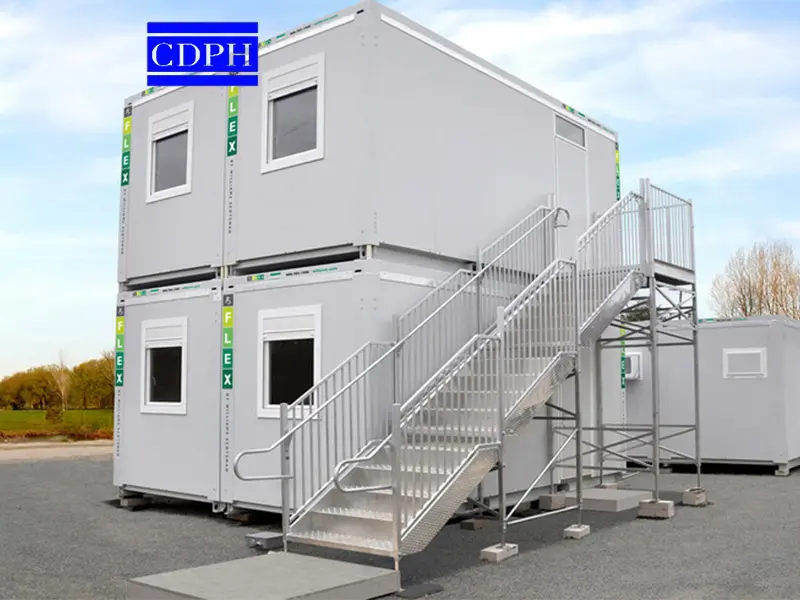
Structural Integrity of Two-Story Container Homes
Vertical Load Distribution in Stacked Containers
When building two story homes from shipping containers, most of the weight actually travels down through those corner castings which are basically the strongest parts of the standard ISO frame. A regular container can handle about 192,000 pounds when stacked according to ISO standards (specifically ISO 1496-1). But once we start modifying these for living spaces, things change quite a bit. The bottom containers now have to deal with both dead loads like the structure itself and finishes, plus all the live loads from people moving around, furniture placement, even snow accumulation in winter months. Cutting holes in walls or floors also weakens those critical corner posts, which can reduce their load bearing ability somewhere between 15 to 30 percent. And if weights aren't distributed evenly throughout the structure, there's a real risk of permanent bending issues or uneven settling over time. That's why proper engineering matters so much here. Adding internal steel supports that line up with those corner castings and reinforcing how containers connect to each other becomes absolutely necessary for keeping everything stable when stacking multiple units together.
Impact of Door and Window Openings on Frame Rigidity
When we start cutting holes in containers, we're basically weakening their monocoque structure which is what makes them so strong in the first place. If someone removes about 10% or more of those corrugated walls, the whole thing becomes significantly less stiff against twisting forces. This means it's going to bend and deform much easier when pushed sideways. Windows that aren't properly reinforced tend to sag badly during earthquakes, and doors placed too close to corners create real problems because those areas are already the weakest points in the frame. To fix these issues, there are specific steps that need to happen. First, install solid steel lintels right above every opening. Second, reinforce the edges with steel tubing at least 3mm thick. And finally, make sure there's at least a foot of space between any door/window and the corner castings so the structural integrity stays intact throughout the entire frame.
Shear Stress Risks and the Role of Engineered Reinforcement
Lateral forces—from wind gusts or seismic activity—generate shear stress that unmodified stacked containers are not designed to resist. Without reinforcement, these forces can cause sway, racking, or diaphragm failure. Critical vulnerabilities and their engineered remedies include:
| Risk Factor | Consequence | Reinforcement Solution |
|---|---|---|
| Weak inter-container bonds | Sway deformation | Welded moment-resisting frames |
| Modified side panels | Racking collapse | Cross-bracing systems |
| Roof cutouts | Diaphragm failure | Steel plate overlays |
Professional engineering ensures compliance with IBC wind and seismic requirements through calculated reinforcement. All critical connections—especially those transferring multi-story loads—must use 70 ksi high-strength bolts rated for 1.5” design loads to accommodate dynamic and fatigue stresses over decades of service.
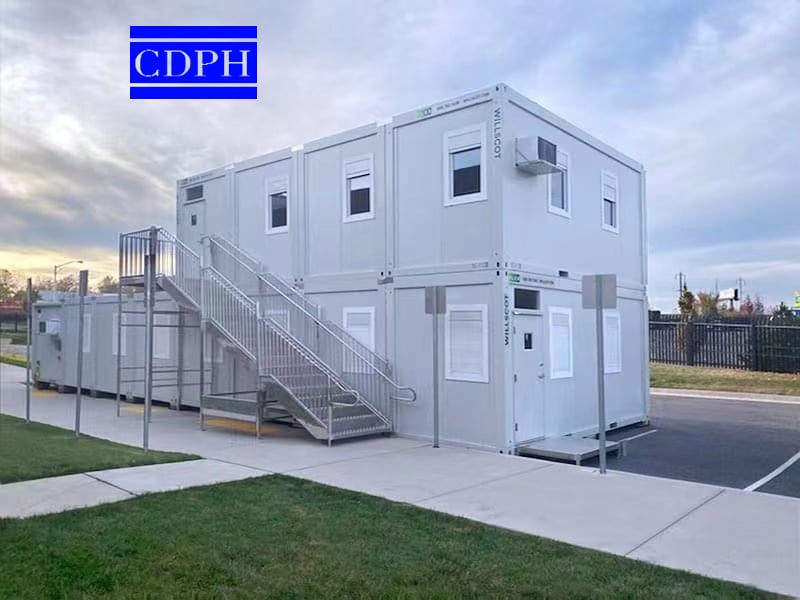
40 ft Container Home: Design Limits and Structural Stability
Dimensional Specifications and Suitability for Residential Use
Regular sized 40 foot shipping containers give around 320 square feet inside space roughly eight feet tall by forty feet long. High cube versions go a bit taller at about nine and a half feet inside, which means better headroom and easier running of utilities through walls. These standard sizes work pretty well for small homes with basic rooms like bedroom kitchen and bathroom all fitting into spaces between 28 to 32 square meters. Because they come in consistent dimensions, these containers make good building blocks when stacking up for second story homes. But let's face it the 8 foot width is really tight so most people end up connecting several containers together just to get enough room for families to live comfortably without feeling cramped all the time.
| Dimension | Standard Container | High-Cube Container |
|---|---|---|
| Internal Height | 7'10" (2.39m) | 9'6" (2.90m) |
| Internal Width | 7'8" (2.35m) | 7'8" (2.35m) |
| Usable Floor Area | 300—305 sq ft | 300—305 sq ft |
High-cube models are preferred for 90% of residential conversions, per the 2024 Container Dimensions Report, due to simplified HVAC ducting, plumbing runs, and ceiling-mounted fixtures.
Modifications and Lateral Load Challenges, Including Rooftop Decks
Any changes made to a building's structure whether adding windows, installing doors, creating interior walls, or making access points in the roof will weaken its torsional rigidity. A recent study published in the Journal of Sustainable Architecture found that significant cuts can reduce wall stiffness by as much as 15 percent. The problem gets worse when several openings line up vertically through different floors. Rooftop decks are especially problematic because they boost wind shear stress by around 40% over standard roofs and create specific pressure points that need special reinforcement. To fix these issues, engineers often install moment resisting frames near every opening, embed cross bracing into altered walls, and place extra steel columns right under where deck supports meet the structure. While these fixes help maintain stability over time, they do come at a price. Most projects see an increase of between 10 and 15 percent in structural framing costs after implementing these necessary adjustments.
Foundation Systems for Multi-Story Container Constructions
Pier-and-Beam vs. Slab-on-Grade: Choosing the Right Foundation
Multi story container homes often sit on pier and beam foundations that lift them off the ground using individual vertical supports. These work well on uneven terrain, areas prone to flooding, or soils that expand and contract. The system helps keep moisture away from the floor area, lets air circulate underneath, and handles small shifts in the earth without much trouble. Plus, it makes running pipes and wires easier since there's space below. But there's a catch. Because these foundations are raised, they react more strongly to sideways wind forces. Taller buildings need extra strong anchors and bracing systems to stay secure. For flat ground where the earth stays put, slab on grade foundations win out. They spread weight across solid concrete pads that can handle serious pressure points important since each corner might support over 8,500 pounds. While slabs do great during earthquakes, they crack easily when water freezes and thaws repeatedly, and also restrict how water drains away from the building. Getting soil tested before deciding between these two foundation types isn't optional. The results will show which option works best for transferring weight properly and lasting through many years of weather changes.
Container Stacking Configurations and Long-Term Structural Performance
Comparative Analysis: Classic, Offset, Bridge, and Hybrid Stacking Methods
How containers are stacked has a major impact on how structures behave under loads, how clear the load paths are, and what kind of lasting strength they'll have over time. The traditional approach where containers sit perfectly aligned on those corner castings gives engineers predictable vertical load distribution and makes things easier to calculate, though this method doesn't leave much room for creative architecture. When we start offsetting stacks, we get those interesting cantilevered sections that add visual appeal and can actually create usable outdoor spaces. But there's a catch here too. These offset designs need extra reinforcement at connection points to handle torsional forces and stop corners from twisting when they don't line up properly. Then there's bridge stacking which literally spans containers between external supports to form covered patios or inner courtyards. This requires some pretty specific math about bending moments and controlling how much the structure might deflect under stress. Many projects now use hybrid methods combining different techniques to maximize design possibilities. However, these combinations tend to complicate load transfer significantly, particularly at spots where custom frame modifications meet standard components.
When building two story structures, the key to keeping things standing straight comes down to those corner connections and how well they handle both live and dead loads. Twist lock systems work okay for basic stack designs that haven't been changed much, but once there are openings or offsets messing with the normal load path, nothing beats welding those moment resisting frames into place. What builders often overlook is that over years of operation, these joints start to wear out from all that constant stress. Wind blowing against the building day after day, plus occasional earthquakes shaking things around, really takes a toll on poorly designed connections. For long term durability, smart engineers don't just look at initial strength numbers. They need to factor in local conditions too—wind speeds in the area, what kind of seismic risks exist, and soil characteristics. Combine all this information with proper material testing for fatigue resistance, not just one time strength tests, because buildings need to last through decades of regular use.
FAQ
What is the maximum load shipping containers can handle when stacked?
Shipping containers can handle about 192,000 pounds when properly stacked according to ISO standards.
How do openings affect container homes?
Openings such as windows and doors weaken the monocoque structure, reducing stiffness and making the frame more prone to bending and deformation.
What foundation options are available for multi-story container homes?
Two main foundation systems are used: pier-and-beam and slab-on-grade. Pier-and-beam is suitable for uneven terrains and damp areas, while slab-on-grade is preferred for flat ground.
What reinforcement solutions exist for shear stress?
Sway deformation can be countered by welded moment-resisting frames, racking collapse by cross-bracing systems, and diaphragm failure by steel plate overlays.