EN
EN

2025 Container Home Prices: National Benchmarks by Size and Configuration
Average Cost Ranges for Single-Unit (20’ & 40’) and Multi-Container Homes
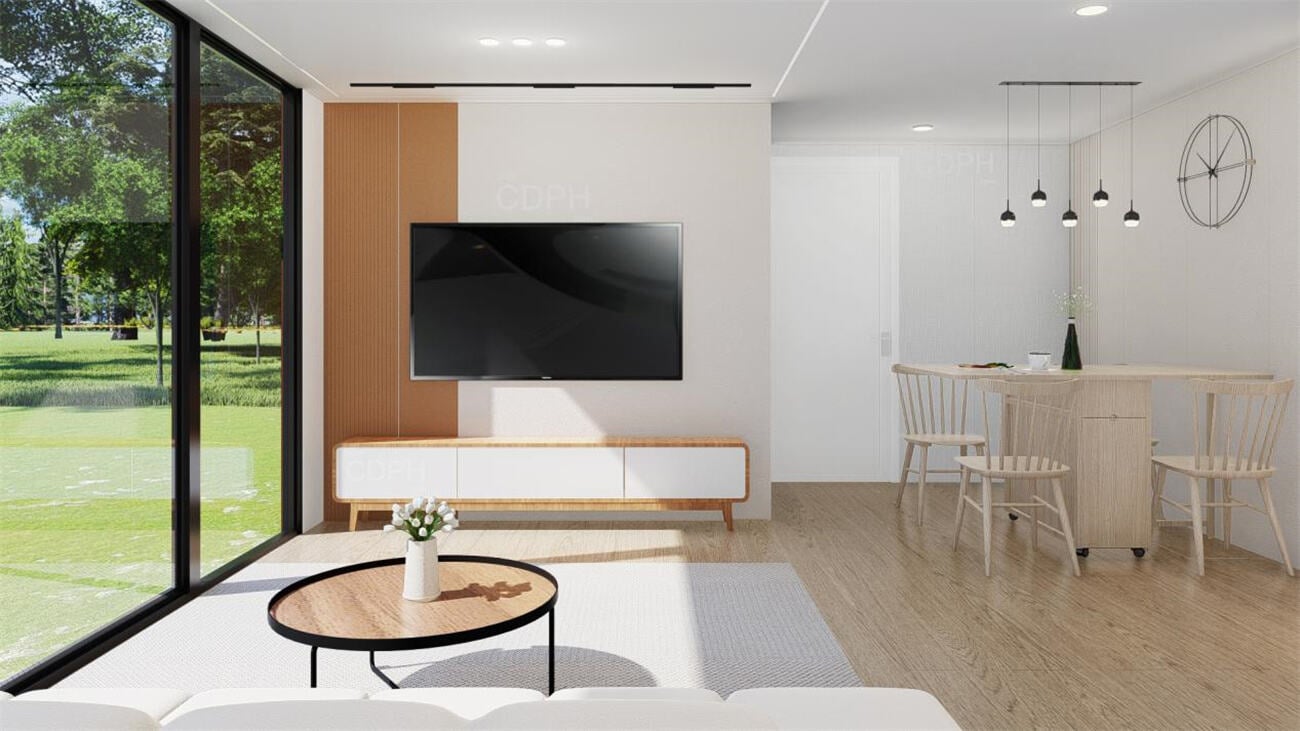
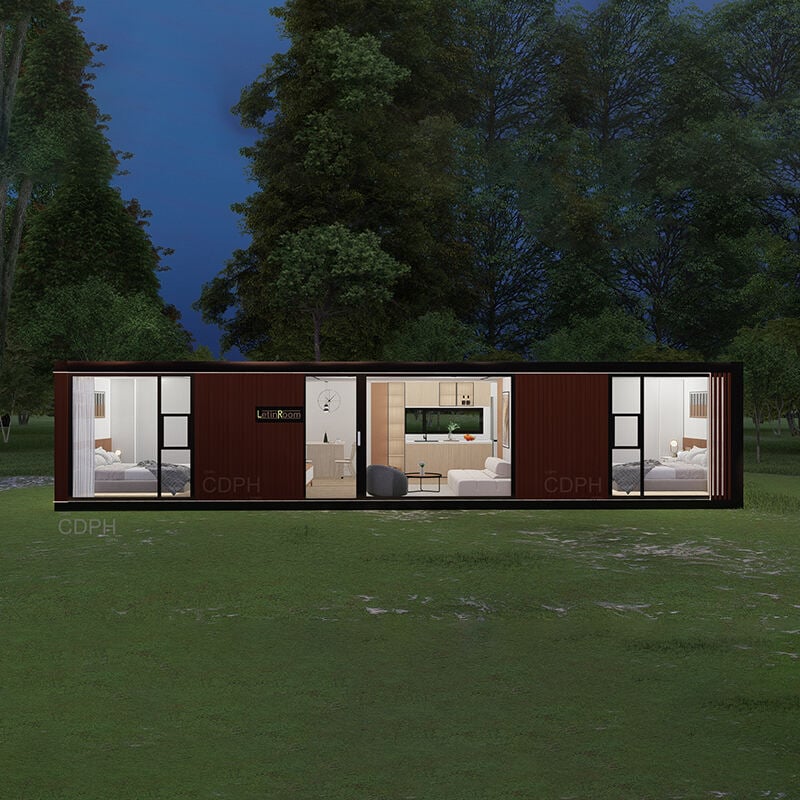
Container homes come in different sizes with varying price tags. A standard 20 footer usually runs somewhere between $25k to $50k when fully built out, while bigger 40 foot models typically start around $40k and can go up to $80k for the basics. When folks combine multiple containers into one home (usually 2 to 4 units covering about 640 to 960 square feet), expect to pay anywhere from $80k to $180k depending on what's included. For those wanting something really fancy with six or more containers plus all sorts of smart tech and premium finishes, prices often top $300k. Keep in mind these numbers don't include buying land, getting permits, or preparing the building site. Used containers do cut down initial expenses by roughly 30-50 percent, though they need thorough checking for rust spots, corrosion issues, or old damage that might affect how well they hold up over time. The complexity of construction impacts labor costs too. Homes with tricky designs like cantilevered sections, containers stacked at odd angles, or special welding jobs generally add another 15-35% to the budget compared to simpler arrangements where containers just sit next to each other or stack straight up.
Cost Per Square Foot in 2025 – How It Compares to Traditional and Modular Housing
Container homes typically cost around $100 to $250 per square foot these days, putting them somewhere between modular homes that range from $100 to $300 per sq ft and regular stick-built houses which usually run from $150 to $400 per sq ft. The reason they're generally cheaper is because those steel containers are already strong enough structurally, so there's less need for extra framing work. But here's where things get tricky - adding proper insulation and getting the heating/cooling systems right can really bump up the price tag. Spray foam insulation alone might set someone back $4 to $7 per square foot, whereas regular fiberglass batts only cost about $1 to $2 in most standard constructions. Modular homes benefit from similar factory production efficiencies without dealing with all the special fixes needed for old shipping containers, like removing lead paint which can cost anywhere from $1,500 to $5,000 per unit. For folks watching their budget, those basic 20 foot tiny homes tend to offer the best value at around $120 to $180 per square foot. On the flip side, fancy multi-container projects with lots of design elements start approaching what people pay for custom homes. And if building in areas prone to earthquakes or hurricanes, expect to spend closer to the top end of traditional home prices once engineers reinforce everything properly.
What's Driving Container Home Prices 2025? Key Cost Influencers
Material & Container Supply Dynamics: New vs Used, Global Steel Costs, and Lead Times
The ups and downs of the steel market continue to heavily influence what people pay for container homes in 2025. New standard size containers typically set buyers back between six thousand and ten thousand dollars, while secondhand ones can be had for anywhere from three grand up to eight thousand bucks. But watch out folks - some cheaper used containers might need expensive fixes down the road because they weren't built to last. When global steel prices jumped 15%, that translated to about fifteen hundred extra dollars on each container's price tag. And let's not forget about those supply chain headaches either. Getting a customized container these days takes anywhere from eight to twelve weeks, which has forced many would-be homeowners to shell out more cash for fast shipping or rushed fabrication services. Anyone thinking about buying should really think through all these factors before making a decision.
- Condition vs. cost: “Wind and Watertight” used containers offer ~30% upfront savings but often require floor reinforcement or corner post replacement
- Regional shortages: Coastal markets face up to 20% higher container costs due to import bottlenecks and port congestion
- Hybrid solutions: Using new containers for load-bearing or habitable zones—and recycled units for garages, storage, or non-structural wings—balances budget and performance
Regulatory Shifts and Regional Permitting Complexity Impacting Total Build Cost
Permitting inconsistency across municipalities introduces significant cost uncertainty. Urban coastal jurisdictions average $5,000–$15,000 in approvals—nearly triple rural areas—while updated energy codes increasingly mandate high-performance insulation systems. California now requires seismic retrofitting (~$2,500 per container), and flood zone certifications add $1,200–$3,000. Three regional patterns stand out:
| Factor | High-Cost Region | Low-Cost Region |
|---|---|---|
| Review Timelines | 90–120 days (e.g., Northeast) | 30–45 days (e.g., Midwest) |
| Specialist Requirements | Structural engineer + licensed architect | Owner-builder certification accepted |
| Impact on Budget | +12–18% total project | +5–8% total project |
These variables alone can cause identical designs to vary by $28,000 across state lines. Proactive review of local zoning amendments, accessory dwelling unit (ADU) allowances, and container-specific ordinances is essential for accurate budgeting.
Breaking Down the Total Cost: From Foundation to Finish
Site Prep, Foundation, and Transportation – Often Overlooked Cost Drivers
Most people find that site work, foundation costs, and getting containers moved end up costing way more than they originally planned for their project. Grading and leveling land can set someone back anywhere between four grand and twenty-five thousand dollars or more, depending on how steep the hill is, what kind of dirt we're dealing with, and whether there are drainage issues to fix first. When it comes to foundations, the difference in price is huge. Basic pier and beam setups might only cost around a thousand bucks at minimum, but if someone wants a fully finished basement with multiple container units, they could easily spend eighty-five thousand or more. Moving containers isn't cheap either. Local deliveries typically run two to five thousand dollars, whereas shipping them across country roads requires special permits and equipment, pushing prices past fifteen thousand dollars in many cases. Then there are those utility connections too. Getting hooked up to city services adds another three to thirty thousand dollars to the bottom line, and this all depends on how close the property already is to existing water lines, sewer access, gas mains, and electrical infrastructure.
| Cost Component | Typical Range (2025) | Key Influencers |
|---|---|---|
| Site Preparation | $4,000–$25,000+ | Slope, drainage, soil remediation |
| Foundation | $1,000–$85,000 | Type (piers vs. basement), size |
| Transportation | $2,000–$15,000+ | Distance, container size, permits |
| Utility Hookups | $3,000–$30,000 | Proximity to municipal services |
Labor, Insulation, HVAC, and Electrical: Why Interior Systems Account for 40–60% of Final Cost
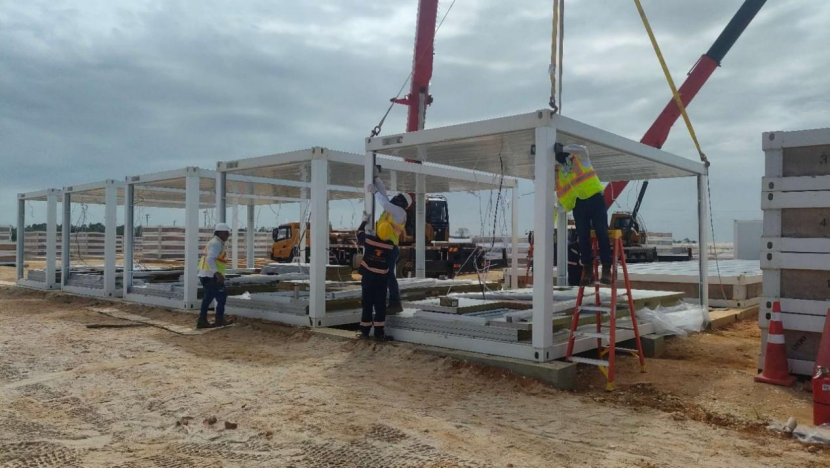
When it comes to the bottom line, interior finishes end up costing around half of what people pay for their finished project. Factory made shells need a lot of work once they arrive at the site since all those building systems have to be integrated properly. Getting insulation right for metal structures can tack on anywhere from three to seven dollars per square foot. And don't even get me started on HVAC systems for containers. These need special design because of how metal conducts heat, which typically makes them 15 to maybe 25 percent pricier than regular homes. Finding skilled workers who know how to handle welding changes, make sure everything meets code requirements for grounding, and route pipes through corrugated walls? That's not cheap either. Electricians and plumbers charge extra for this kind of specialized work. Labor costs keep going up too, especially out in rural areas or places where there's just not enough qualified tradespeople around. Traditional construction spends big bucks upfront on framing, but with container conversions, most of the money goes toward getting those mechanical, electrical, and plumbing systems working together seamlessly. These are really the make-or-break factors when it comes to keeping costs under control.
Smart Cost Management: Proven Strategies to Optimize Container Home Prices 2025
Prefab, Hybrid, and DIY Approaches – Trade-offs in Budget, Timeline, and Quality Control
Container homes built using prefabrication methods usually take between two to four months to complete and maintain better quality control throughout construction. However, these benefits come at a price, as materials often cost 15 to 25 percent more than traditional building options. Hybrid solutions that combine ready-made modules like kitchens and bathrooms with on site container assembly provide good flexibility while keeping the project timeline relatively short. Costs tend to stay pretty close to what standard builds would run, maybe plus or minus 5%. Homeowners with some technical skills might consider going the DIY route which can cut total expenses down by around 30 to 40%. But this approach takes longer, usually adding another four to six months to the schedule, and carries real risks if there's no professional engineering guidance involved. Factory assembled homes benefit from independent inspections and actual structural warranties. When people tackle their own projects, everything depends on how careful they are and whether local inspectors sign off on the work. Small mistakes in welding joints or ensuring proper weight distribution across the structure can lead to expensive fixes later on.
| Approach | Cost Impact | Timeline | Quality Control Risk |
|---|---|---|---|
| Prefab | +15–25% | 2–4 months | Low |
| Hybrid | ±5% | 3–6 months | Moderate |
| DIY | →30–40% | 6–12 months | High |
High-Impact Customizations vs. Costly Over-Engineering: Where to Spend (and Skip)
When thinking about home improvements, focus on those that actually pay off in the long run. Spray foam insulation costs around $2.50 to $4 per square foot but can slash energy bills by as much as 30% over time, something the 2024 Building Performance Institute Efficiency Audit backs up. Windows placed just right for catching sunlight during winter months and letting fresh air circulate naturally throughout summer can make a big difference in comfort levels without needing any major changes to the building itself. On the flip side, don't go overboard with complicated designs. Adding multiple story sections inside usually means extra expenses since steel reinforcement becomes necessary, pushing costs up about 45% while making little real difference in how comfortable people find the space. Fancy stuff like expensive imported tiles or bespoke woodwork rarely boosts what someone will pay when selling later on. Better money spent goes toward essential systems like efficient heating and cooling units with smart zone controls plus electrical setups that meet all safety codes. These investments stop roughly 60% of problems homeowners typically face, according to findings from the National Container Building Association's 2023 survey.
FAQ
What is the average cost of a single-unit container home in 2025?
The average cost of a single-unit 20-foot container home ranges from $25,000 to $50,000, while a 40-foot model starts around $40,000 and can reach up to $80,000.
How does the cost of container homes compare to traditional or modular homes?
Container homes cost about $100 to $250 per square foot, which is generally cheaper than traditional stick-built houses that cost $150 to $400 per square foot, and similar to modular homes costing $100 to $300 per square foot.
What are the key factors influencing container home prices?
Factors include material and container supply dynamics, global steel costs, regional shortages, regulatory shifts, and regional permitting complexity.
What unexpected costs should be considered when building a container home?
Unexpected costs often include site preparation, foundation work, transportation, and utility hookups, which can significantly increase the overall budget.
What are the benefits and drawbacks of choosing a prefab method for container homes?
Prefab methods offer better quality control and faster timelines, taking 2-4 months, but materials can be 15-25% more expensive than traditional building options.
Table of Contents
- 2025 Container Home Prices: National Benchmarks by Size and Configuration
- What's Driving Container Home Prices 2025? Key Cost Influencers
- Breaking Down the Total Cost: From Foundation to Finish
- Smart Cost Management: Proven Strategies to Optimize Container Home Prices 2025
-
FAQ
- What is the average cost of a single-unit container home in 2025?
- How does the cost of container homes compare to traditional or modular homes?
- What are the key factors influencing container home prices?
- What unexpected costs should be considered when building a container home?
- What are the benefits and drawbacks of choosing a prefab method for container homes?