EN
EN

Defining Prefab Homes vs Modular Homes: Terminology, Construction, and Common Misconceptions
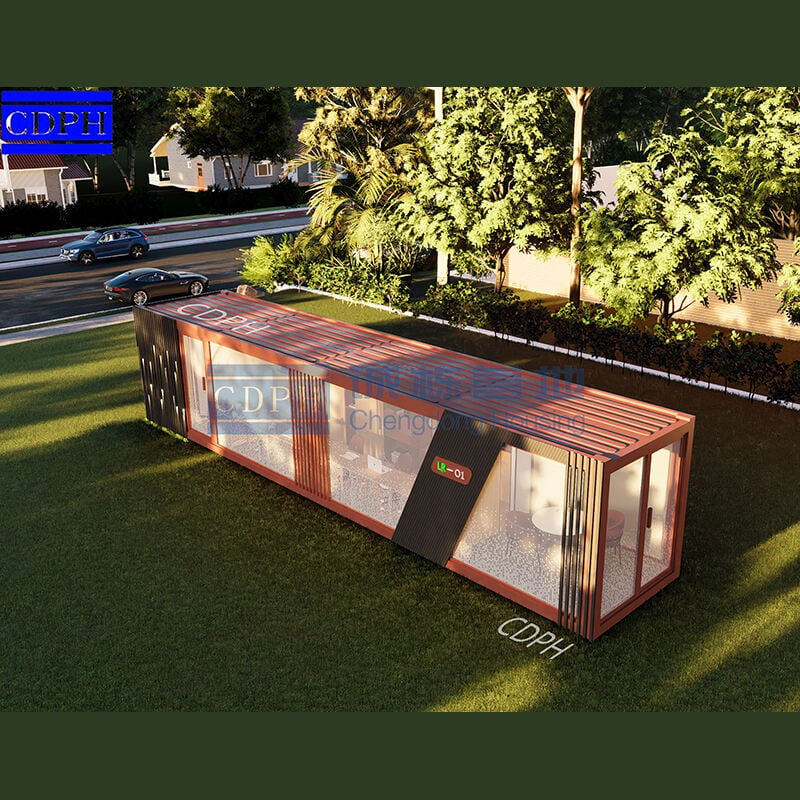
When people talk about prefab homes, they're basically referring to houses that get built at least partly in factories before being put together on actual land. The category covers several types including panel sets, DIY kits, and what most folks think of as modular homes. Speaking of those modular ones, they stand out because each piece arrives ready to go right from the factory floor. Think walls with all the wiring inside, bathrooms already plumbed, even insulation packed between panels. Once these building blocks reach their destination site, workers simply place them on solid ground foundations and connect everything so it becomes one whole house that meets all local building codes.
The main difference between these approaches comes down to what gets built where. Prefab often means parts like walls or floors made in factories, whereas modular construction actually builds whole rooms ready to go. People get confused sometimes, thinking modular houses are just trailer park style or that prefab equals poor quality workmanship. But actually, modern modular homes are built to meet or beat standard construction specs. Factories maintain strict quality checks throughout production, and they have to survive being transported too. According to recent surveys, around four out of five people who buy modular homes say their satisfaction with how solid everything feels is just as good as if they had bought a regular stick-built house.
| Aspect | Prefab Homes | Modular Homes |
|---|---|---|
| Definition | Umbrella term for factory-built | Factory-built volumetric sections |
| Construction Scope | Components (e.g., panels, kits) | Complete rooms with utilities |
| Foundation | Varies by type | Permanent foundation required |
| Quality Perception | Often misunderstood as "temporary" | Built to IRC standards for permanence |
Misunderstandings also persist around customization. Both prefab and modular homes offer meaningful design flexibility—leading providers support floor plan modifications, material upgrades, and aesthetic personalization. Clarifying these distinctions helps buyers make informed decisions grounded in durability, compliance, and long-term value—not outdated assumptions.
Regulatory Framework: How IRC Compliance Separates Modular Homes from Prefab Homes
Why the International Residential Code (IRC) Is the Gold Standard for Modular Homes
What sets modular homes apart is their strict following of the International Residential Code (IRC), which is exactly what applies to regular houses built on site. The IRC covers everything from how strong the structure needs to be, to making sure it won't catch fire easily, how much energy it uses, and whether people with disabilities can access all areas. Third party inspectors check factories while local authorities verify compliance too. When building these homes, contractors have to design each module so it survives being transported across country roads and highways. They also need to make sure everything fits within whatever zoning laws apply where the home will eventually sit, plus account for weather conditions specific to that location. This extra layer of oversight actually makes modular homes more consistent than many traditionally built houses. Because they follow such strict rules, banks are willing to offer normal mortgages instead of special financing. Plus, there's no longer that old stigma about them being just "mobile homes" subject to those lower standards set by HUD for manufactured housing.
The Gray Zone: Non-IRC 'Prefab' Homes and Their Limited Code Oversight
Non-modular prefab homes—including panelized and kit homes—often operate outside mandatory IRC compliance, falling instead under inconsistent local or voluntary guidelines. Without standardized oversight, these structures may bypass:
- Foundation engineering certifications
- Independent seismic or wind-load testing
- Universal energy efficiency benchmarks
Some manufacturers do follow building codes on their own, but when enforcement varies so much across regions, it really puts them at risk. Think about uninsurable damage situations, homes losing value quicker when trying to sell, or just plain difficulty getting financing for these properties. Take a look at market data from 2019 through 2024. Prefab houses labeled as personal property instead of actual real estate depreciated around 32 percent faster compared to those meeting IRC standards because there aren't consistent rules governing quality control. And this classification problem isn't just theoretical either. It actually changes how taxes are calculated, what kind of mortgage options are available, and ultimately impacts someone's ability to build equity over time in these types of structures.
Real Estate Classification, Financing, and Equity: Why Modular Homes Typically Build Wealth Like Site-Built Homes
Permanent Foundation Requirements and Title Transfer for Real Property Status
When modular homes get attached to proper foundations that meet local building standards, they become recognized as actual real estate. These foundations usually include things like full basements, slabs on grade, or those engineered crawl space setups. Once this happens, the home goes through the same title transfer process as traditional houses built on site, which means it shows up in county land records just like any other property. This is different from some other prefabricated options that don't have these requirements. Modular homes actually receive full legal status as real estate assets, giving owners clear property rights that matter for building equity and getting accepted into the regular housing market by banks and investors alike.
Financing Options: Conventional Mortgages vs Chattel Loans
Real property classification unlocks access to conventional mortgage products unavailable to most non-IRC prefab homes. Buyers benefit from:
- Traditional 30-year mortgages through FHA, VA, or conventional lenders at competitive rates
- Appraisal processes based on square footage, finishes, and local comparables
- Construction-to-permanent loan options covering both build-out and final financing
Non compliant prefab homes usually need what's called chattel loans these days. These are basically personal property financing options that come with much higher interest rates than standard mortgages typically around 2 to 3 percent extra and they have much shorter repayment periods, about 15 to 20 years instead of the usual 30. The difference in financing really adds up over time and can seriously eat into available cash flow for homeowners. Interestingly enough, when modular homes are placed correctly on their lots and kept well maintained, they tend to appreciate in value pretty much the same way traditional stick built houses do over time.
Cost, Customization, and Long-Term Value: What Buyers Should Prioritize in Prefab vs Modular Homes
Upfront Cost Comparison and Hidden Variables (e.g., Site Prep, Utility Hookups)
While modular and prefab homes typically cost 20–30% less upfront than site-built houses (per 2023 industry research), buyers must account for site-specific variables that significantly impact total investment. Key considerations include:
- Foundation work, land grading, and soil testing
- Water, sewer, and electrical utility connection fees
- Crane rentals and road access logistics for module delivery
Modular homes often incur higher setup costs than panelized prefabs due to heavier lifting equipment needs—but their standardized manufacturing reduces material waste and labor variability. To avoid budget surprises, buyers should obtain written quotes for all site-related expenses before comparing prefab homes vs modular homes pricing.
Appreciation Trends: Data-Backed Performance of Modular vs Non-IRC Prefab Homes (2019–2024)
Homes built to International Residential Code (IRC) standards consistently outperform non-compliant alternatives in long-term value retention. According to residential market analysis from 2019–2024:
- Modular homes appreciated at 5.2% annually—nearly matching site-built homes‘ 5.5% average
- Non-IRC prefab homes averaged just 2.1% annual appreciation in the same period
The main reason behind this difference lies in how building codes classify these homes. When modular homes meet IRC standards, they count as real estate that can be financed through regular mortgages and properly appraised. But most prefabricated houses that don't follow standard specifications stay classified as personal property instead. This classification creates problems for owners trying to get financing, secure proper insurance coverage, or sell their homes later on. Some high-end prefab manufacturers offer more customization features now, but there's still no getting around the fact that sticking to IRC requirements makes all the difference when it comes to maintaining home value over time. Builders who want long term returns should focus on meeting those code standards first and foremost.
FAQ
What is the difference between prefab homes and modular homes?
Prefab homes are constructed partly in factories and can include panels and DIY kits, while modular homes are factory-built volumetric sections delivered as complete rooms with utilities.
Are modular homes considered real estate?
Yes, when modular homes are attached to permanent foundations that meet local building standards, they are classified as real estate, allowing for conventional mortgages and title transfers.
What are the financing options for modular homes?
Modular homes classified as real property can access conventional mortgages with competitive rates. In contrast, non-compliant prefab homes may require personal property financing like chattel loans.
Do modular homes depreciate faster than traditional homes?
No, when maintained properly, modular homes tend to appreciate in value similarly to traditional stick-built homes over time.
Table of Contents
- Defining Prefab Homes vs Modular Homes: Terminology, Construction, and Common Misconceptions
- Regulatory Framework: How IRC Compliance Separates Modular Homes from Prefab Homes
- Real Estate Classification, Financing, and Equity: Why Modular Homes Typically Build Wealth Like Site-Built Homes
- Cost, Customization, and Long-Term Value: What Buyers Should Prioritize in Prefab vs Modular Homes
- FAQ