EN
EN

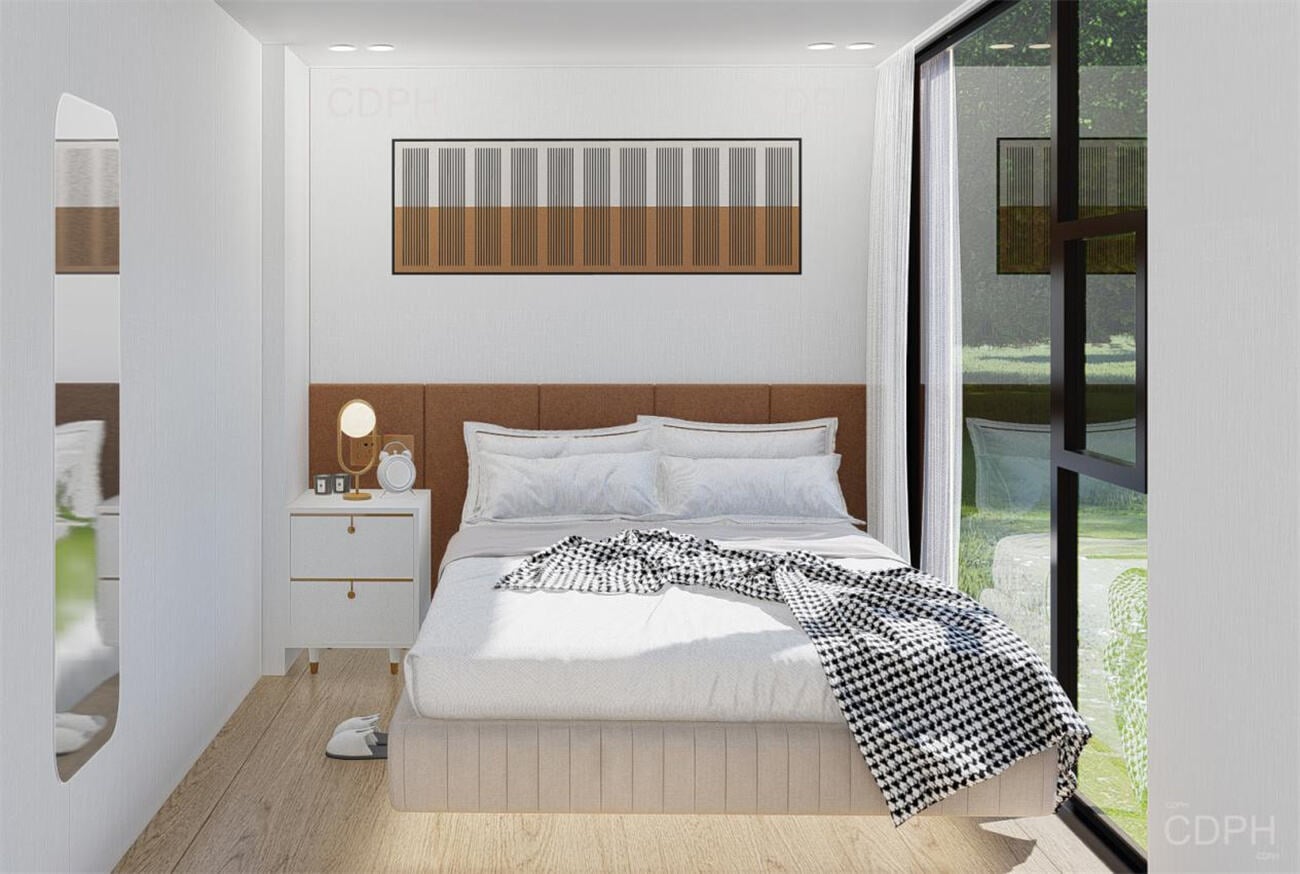
What Are Tiny Prefab Homes? Types, Construction Methods, and Core Advantages
Modular, Panelized, and Fully Prebuilt: Understanding the Key Types of Tiny Prefab Homes
There are basically three main ways tiny prefab homes get made in factories these days: modular, panelized, and fully prebuilt. Let's start with modular units which are basically big 3D chunks built elsewhere and then put together onsite like giant building blocks on top of foundations. Panelized systems work differently they come flat packed with all those walls, floors, and roofs already engineered so framers can snap them together quickly at the construction site. Then there are fully prebuilt models that show up looking almost finished, completely weatherproof and ready to plug in utilities once placed. All these methods benefit from being built in controlled factory settings where mistakes happen less often, materials go to waste less frequently, and projects tend to move along faster than traditional builds. When choosing between them, several factors matter including how easy it is to reach the building site, how much customization someone wants, and what local regulations allow. Modular tends to give builders more freedom to tweak designs, panelized strikes a nice balance between flexibility and keeping costs down, while fully prebuilt options simply get people into their new space quicker than any other method out there.
Speed, Precision, and Predictability: Why Tiny Prefab Homes Deliver Superior Build Quality and Timeline Control
Tiny prefab homes built in factories sidestep those frustrating weather delays, dodging both labor shortages and all the inefficiencies that come with on-site work. When manufacturers use automated cutting tools, CNC machines, and assembly line methods, they achieve incredible precision down to the millimeter. This cuts material waste by around 30% compared to regular construction jobs. Plus these factory built homes meet all the important building regulations like IRC Chapter 10 requirements and HUD standards for manufactured housing units. Building times get cut nearly in half too. What might take several months at a traditional construction site gets done within just a few weeks instead. With fixed pricing set at the factory from day one, there's no need to worry about those typical 15-20% cost overruns that plague stick-built homes. Homeowners end up with something much more predictable and consistent quality wise. These prefabs are designed not only to last longer but also to be energy efficient and incorporate smart living features right from the start.
Navigating Regulations: Zoning, Permits, and Legal Feasibility for Tiny Prefab Homes
Zoning Laws, ADU Ordinances, and Foundation Requirements: What Buyers Must Verify First
Before committing to a tiny prefab home, verify three foundational regulatory requirements with your local planning department—in writing:
- Zoning restrictions: Over 78% of U.S. counties enforce minimum square footage mandates (typically 600–1,000 sq ft), which may exclude tiny homes unless classified as ADUs or RVs.
- ADU eligibility: Many municipalities now permit tiny homes as Accessory Dwelling Units—provided they meet setback, height, parking, and utility connection standards.
-
Foundation classification: Permanent foundations require engineered plans addressing frost depth, soil bearing capacity, and seismic or wind loads. Wheeled units, by contrast, often fall under RV or recreational vehicle statutes—limiting long-term residency rights.
Assumptions risk costly rework, relocation, or demolition. Always obtain written confirmation before purchasing land or a unit.
State-by-State Variability in Tiny Prefab Homes Compliance — Key Considerations by Region
Regulatory acceptance varies widely—and often unpredictably—across regions:
| Region | Tiny Home Acceptance | Key Constraints |
|---|---|---|
| West Coast | High (CA/OR/WA) | ADU-friendly ordinances; stringent seismic and energy codes |
| Northeast | Moderate | Heavy snow load requirements; strict septic system approvals |
| South | Low-Mixed | Hurricane-resistant anchoring; floodplain restrictions; frequent RV-based classification |
Wyoming and Montana don't have any official state regulations regarding tiny homes, so it's really up to individual counties to set their own rules. This means anyone looking to park a tiny house there needs to check with local authorities first, no exceptions. Down south things get even trickier since lots of areas only allow wheeled tiny homes for short stays or during certain seasons. Smart folks who want to avoid headaches later on will reach out to organizations like the American Tiny House Association. These groups track changes in laws across different regions and offer sample ordinances that might help when dealing with perplexing local requirements. Getting this info ahead of time saves plenty of trouble down the road when trying to find just the right spot for a tiny living space.
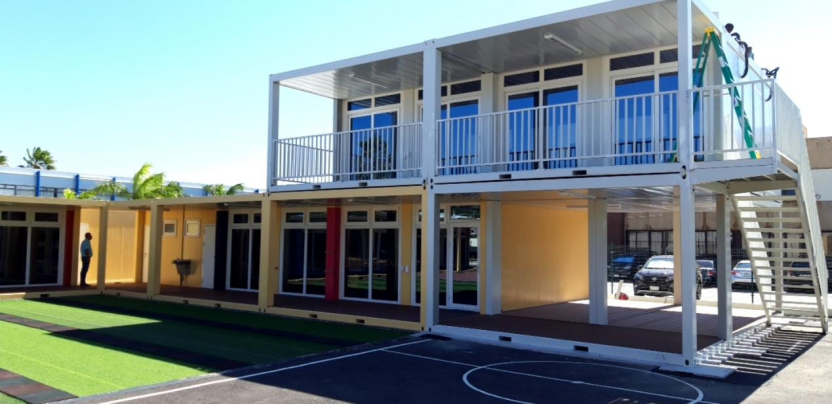
Cost Transparency: Budgeting for Tiny Prefab Homes from Base Price to Turnkey Completion
Base Unit vs. Turnkey: Breaking Down the True Cost of Tiny Prefab Homes
The advertised base price for tiny prefab homes—ranging from $30,000 to $80,000 for units under 400 sq ft (SmartBuy 2024)—represents only the factory-built shell. It excludes essential elements required for legal, safe, and functional occupancy:
| Cost Component | Base Model | Turnkey Solution |
|---|---|---|
| Foundation/Installation | Excluded | Included |
| Interior Finishes | Minimal (e.g., subfloor only) | Complete (cabinetry, countertops, fixtures) |
| Utility Hookups | Not connected | Fully commissioned and tested |
| Delivery Fees | Often quoted separately | Bundled into final quote |
Turnkey packages typically cost 25–40% more upfront but prevent scope creep and budget erosion by integrating site prep, structural anchoring, mechanical commissioning, and code sign-off—all under one contract.
Hidden Expenses — Site Prep, Utility Hookups, and Permit Fees in Tiny Prefab Homes Projects
Beyond the unit and turnkey package, ADU-scale tiny prefab homes incur unavoidable site-specific costs:
- Utility extensions: Extending water, sewer, and electric service from existing mains ranges from $5,000 to $20,000—driven by distance, trenching depth, and local utility policies.
- Permit fees: Municipal review and inspection fees average $1,200–$4,500 nationwide (2024 zoning data), with ADU-specific surcharges in high-demand metro areas.
- Crane rental: Required for modular and large panelized units, adding $800–$2,500 per day depending on lift complexity and duration.
- Groundwork: Site grading, drainage, foundation pads, and soil stabilization typically cost $4,000–$15,000—especially on sloped or poorly drained lots.
Industry benchmarks confirm these ancillary expenses inflate total project investment by 20–35% above the base unit price. Always request itemized quotes that clearly separate factory-manufactured costs from site-executed work.
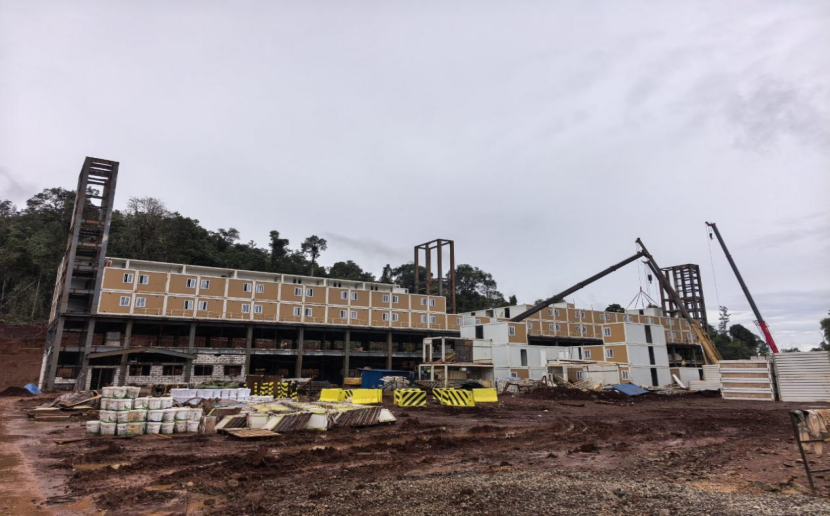
From Factory to Foundation: Delivery, Installation, and Site Readiness for Tiny Prefab Homes
Transportation Logistics, Crane Requirements, and On-Site Assembly of Tiny Prefab Homes
Delivering tiny prefab homes demands coordinated logistics: specialized carriers transport modules via flatbed trucks, securing permits for oversized loads and navigating route restrictions like low bridges or narrow roads. Critical success factors include:
- Crane readiness: Most modular and panelized units require certified crane operators and appropriate rigging—scheduled before arrival.
- Site access: Minimum 50-foot clear path, firm ground, and unobstructed overhead clearance are mandatory for safe placement.
- On-site sequence: Modules are secured to foundations within hours; utility connections, weatherproofing, and final inspections follow within days—assuming foundations are fully cured and graded per engineer specifications.
Unlike traditional builds, this process shifts complexity from the job site to the factory—enabling reliable, weather-resilient installation in as little as 2–5 days.
Frequently Asked Questions (FAQ)
-
What are the advantages of tiny prefab homes?
Tiny prefab homes are built faster and with higher precision due to factory-controlled environments. They reduce material waste and provide a predictable cost without weather delays. -
How do zoning regulations affect tiny prefab homes?
Zoning laws vary greatly and can restrict tiny home placements. Before purchasing, verify zoning, ADU eligibility, and foundation requirements with local authorities. -
What costs are involved beyond the base price of the tiny prefab home?
Additional expenses include site preparation, utilities connection, permit fees, and potential crane rentals, which can add 20-35% to the initial cost. -
How is a tiny prefab home delivered and installed?
Delivery involves coordinated logistics, including transportation by flatbed truck and use of cranes for placement. Installation typically takes 2–5 days once on site.
Table of Contents
- What Are Tiny Prefab Homes? Types, Construction Methods, and Core Advantages
- Navigating Regulations: Zoning, Permits, and Legal Feasibility for Tiny Prefab Homes
- Cost Transparency: Budgeting for Tiny Prefab Homes from Base Price to Turnkey Completion
- From Factory to Foundation: Delivery, Installation, and Site Readiness for Tiny Prefab Homes