EN
EN

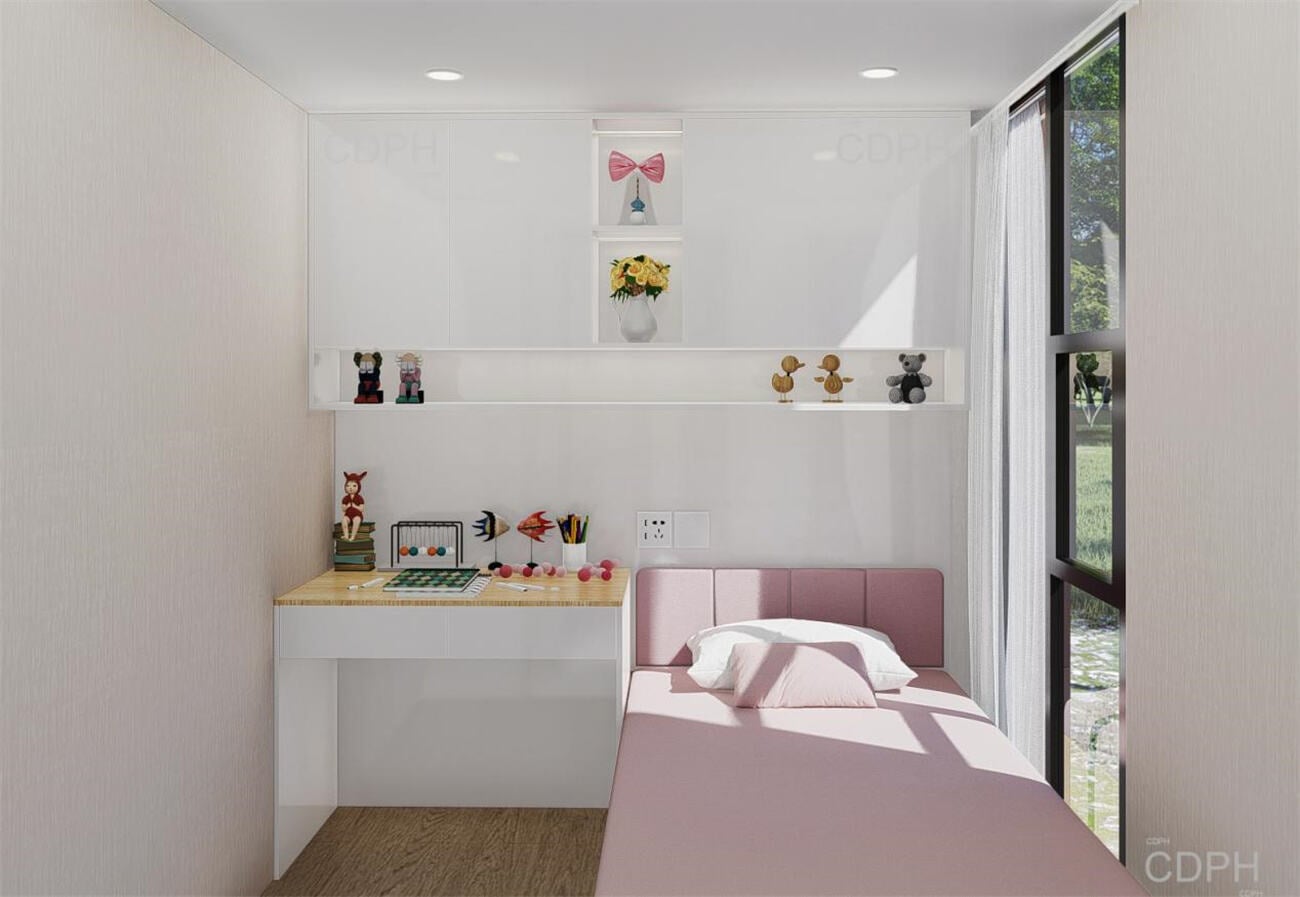
What Determines Prefab House Cost? Key Drivers Explained
Factory Build vs. Site Work: Allocating the Core Costs
Prefab homes built in factories benefit from controlled settings and buying materials in bulk, which helps cut down on wasted labor and materials that often make up around 40 to 60 percent of what people spend overall on their projects. These factory methods actually shorten building time by about a third to almost half when compared with regular construction approaches. Still there are those extra costs tied specifically to the actual building site itself like getting rid of trees, hooking up utilities, and laying foundations. These expenses change quite a bit depending where someone wants to build. For instance, if the property is way out in the boonies or has rough terrain, bringing everything onsite becomes much harder and pricier. Landings costs might jump anywhere between 15% and 30%, sometimes eating away at the money saved during manufacturing phase.
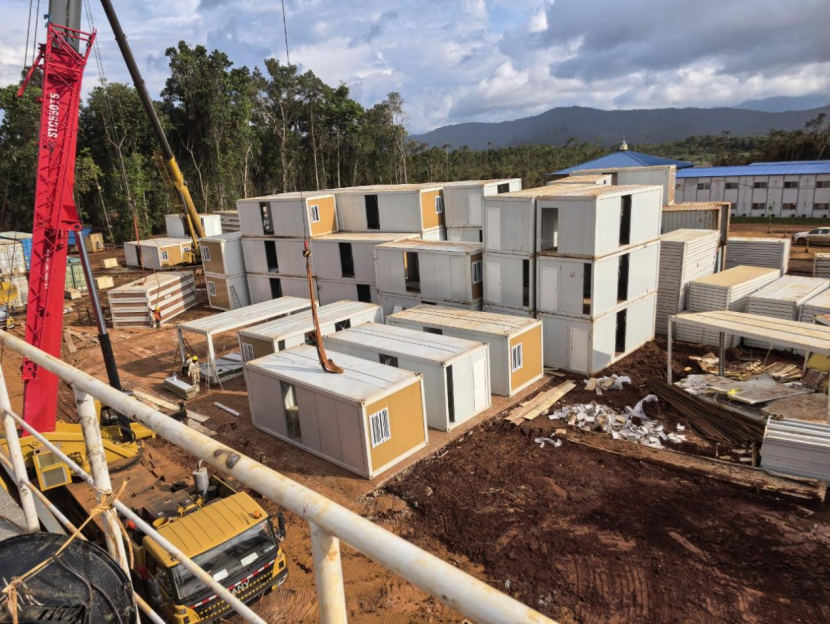
Size, Design Complexity, and Material Tier: Direct Impact on Prefab House Cost
Square footage is the strongest price driver: a 1,200 sq ft prefab averages $120,000, while a 2,000 sq ft model exceeds $200,000. Custom floorplans, non-standard geometries (e.g., curved walls), or complex rooflines add 10–25% to base pricing. Material tiers further define cost brackets:
- Basic: Vinyl flooring, laminate counters ($80–$110/sq ft)
- Mid-tier: Engineered wood, granite surfaces ($110–$160/sq ft)
-
Premium: Solid hardwood, quartz countertops ($160–$250/sq ft)
Energy-efficient windows or solar-ready roofs increase upfront investment but deliver measurable long-term utility savings.
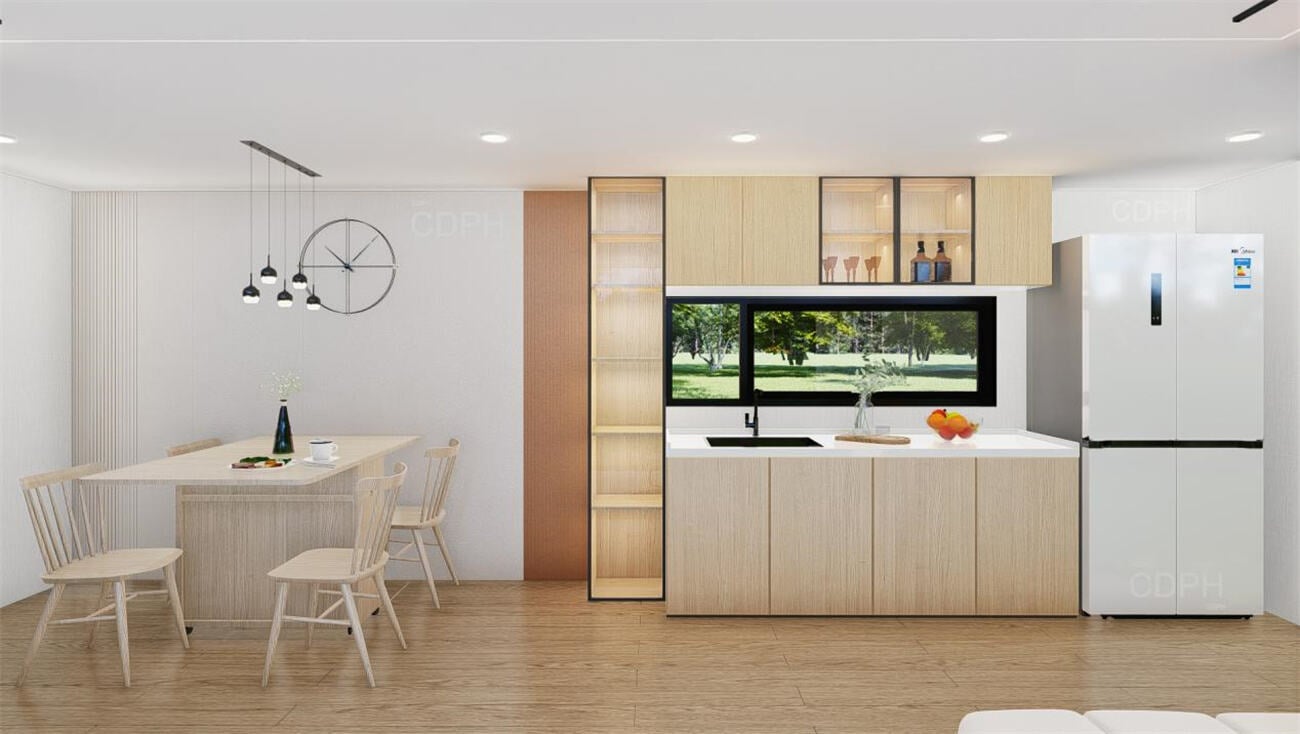
Hidden Fees: Foundation, Delivery, Utility Hookups, and Permitting
Over 30% of buyers underestimate ancillary expenses. Crane-assisted module installation runs $5,000–$15,000; full utility connections (septic, water, electrical) average $20,000–$40,000. Permits vary widely—coastal or high-wind zones may require $10,000+ for hurricane-rated foundations. Transport fees rise sharply beyond 200 miles, per Federal Highway Administration data, reinforcing the value of sourcing locally.
Realistic Price Ranges for Affordable Prefab Houses
Understanding prefab house cost requires recognizing how price tiers align with specific needs. Industry data reveals distinct brackets balancing affordability and functionality.
Entry-Level Options Under $50K: Space, Standards, and Customization Limits
Cheap homes priced under $50k are pretty much made for people who want simple living arrangements. We're talking tiny spaces, usually around 400 square feet max, where basic needs come first instead of fancy custom touches. The builders stick to standard plans with materials already picked out for them like vinyl floors and fake wood countertops because that keeps everything affordable. These little houses work great as extra living spaces or when someone needs something quick in a rural area, but there's not much room to move around or make changes later on. Want better insulation? Flexible wiring? Probably not going to happen with these budget models. Sure, the price per square foot is about 40 percent cheaper compared to regular houses, but don't forget those hidden costs either. Most folks end up spending anywhere from fifteen thousand to thirty grand extra just getting the foundation right and connecting all the necessary utilities.
Mid-Tier ($80K–$200K): Balancing Quality, Efficiency, and Long-Term Value
These homes range from around 1,000 to 2,000 square feet and offer great value for families looking to settle down. The manufacturing process cuts down on waste significantly, so homeowners can get nice upgrades such as Energy Star certified windows, better insulation, and floor plans that can be adjusted later on without paying extra for special engineering work. Most come with decent mid-range finishes like quartz countertops throughout the kitchen areas. Prices generally land somewhere between $120 and $180 per square foot, which is about 15 to 30 percent cheaper than what similar houses built on location would cost. Since everything happens inside a factory rather than outdoors, there's no waiting around for bad weather to pass. This means people can move into their new place anywhere from two to four months faster than usual, saving money on interest payments during construction. For anyone who wants good quality at reasonable prices, these manufactured homes represent smart buying choices in today's market conditions.
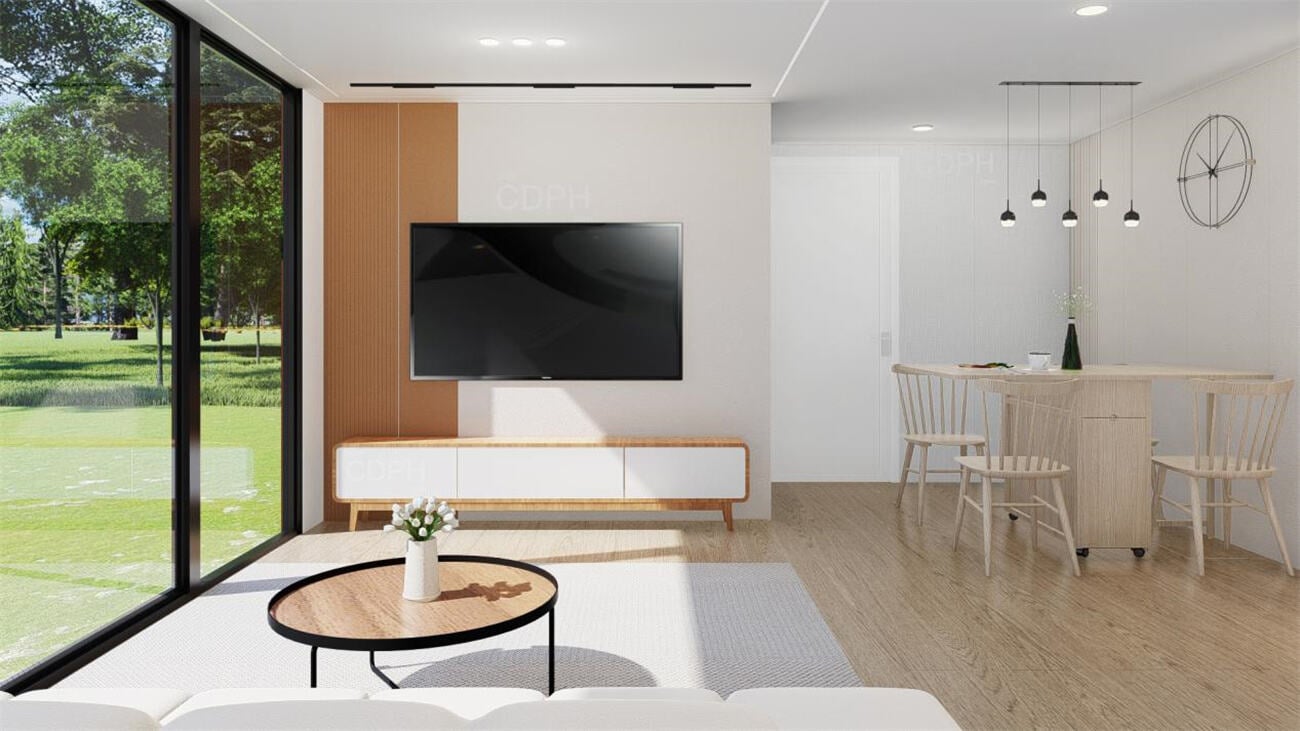
Prefab House Cost vs. Traditional Construction: Data-Driven Comparison
2024 Cost Per Square Foot Benchmarks: Prefab, Modular, and Stick-Built
Looking at 2024 figures, stick built homes typically cost between 150 to 250 dollars per square foot. Modular options come in cheaper at around 100 to 200 per sq ft, while panelized prefab construction clocks in even lower at about 80 to 150 per square foot. The reason for this 20 to 40 percent price difference? Factory work just runs smoother overall. Bulk buying materials, standardizing how workers do their jobs, and avoiding those frustrating weather delays all contribute to savings. Traditional building methods have always been problematic though. The whole process gets broken up so much that budget overruns are practically guaranteed. Most projects end up costing somewhere between 15 and 30 percent more than planned, and according to some research from Ponemon Institute last year, delays alone can tack on roughly seven hundred forty thousand extra bucks in hidden expenses. That's why many builders are turning to prefab solutions these days. The way everything gets put together in one place really cuts down on those unexpected headaches.
Time Savings and Financing Advantages That Reduce Total Cost of Ownership
Most prefab homes take around 4 to 6 months to build, while traditional site-built homes usually take between 12 and 16 months. That's roughly half the time, which means homeowners save money on financing costs and don't have to pay as much in carrying expenses during construction. The factories where these homes are made tend to produce fewer defects too. According to the National Association of Home Builders from last year, defect rates drop by about 45%. Fewer problems mean less money spent on repairs down the road. Another plus is that shorter building times let people invest in things like solar panels or better insulation sooner rather than later. These improvements can really add up over time, something most financial experts agree makes good business sense for anyone looking at long term ownership costs.
Proven Strategies to Lower Your Prefab House Cost Responsibly
Cutting down on the overall cost of a prefabricated home doesn't mean cutting corners when it comes to how solid and lasting the structure will be. The best approach starts with going for standard floor plans rather than custom ones since these save money on engineering work and simplify manufacturing processes. Smaller spaces are another way to go, especially those below 1,000 square feet. Shrinking the size by around 20 percent can cut material expenses and labor costs somewhere between fifteen thousand to twenty-five thousand dollars according to industry estimates. Working with manufacturers located nearby helps eliminate transportation costs that can run anywhere from ten to fifteen dollars per mile across country distances. When building at the factory, homeowners should consider using recycled materials or what's known as tier two options for things that aren't load bearing such as wall coverings or kitchen cabinets. And don't forget about getting everything ready at the construction site ahead of time either. Leveling the ground, obtaining necessary permits, and setting up water and electricity connections well before delivery arrives saves thousands in potential delays later on. Making these smart decisions allows people to build quality prefabs within budget constraints while still ensuring their homes remain safe, perform well, and hold value over many years.
Frequently Asked Questions (FAQ)
What factors influence the cost of a prefab house the most?
The strongest factors influencing prefab house costs include size, design complexity, material tier, and site-specific expenses like utility hookups and permitting.
How does factory building save on prefab house costs?
Factory building saves costs through bulk material purchasing, streamlined labor processes, and faster build times, which minimize delays and errors associated with traditional construction.
Are there hidden costs associated with prefab houses?
Yes, hidden costs can include foundation work, utility connections, permitting, and delivery costs. These ancillary expenses are often underestimated by first-time buyers.
Are prefab homes cheaper than traditional stick-built homes?
Generally, prefab homes are cheaper than traditional stick-built homes. They can be 20-40% less expensive per square foot due to more efficient building processes.
What strategies can reduce the cost of a prefab home?
Choosing standard floor plans, opting for smaller sizes, using local manufacturers, and preparing the building site in advance can significantly reduce costs without compromising quality.