EN
EN

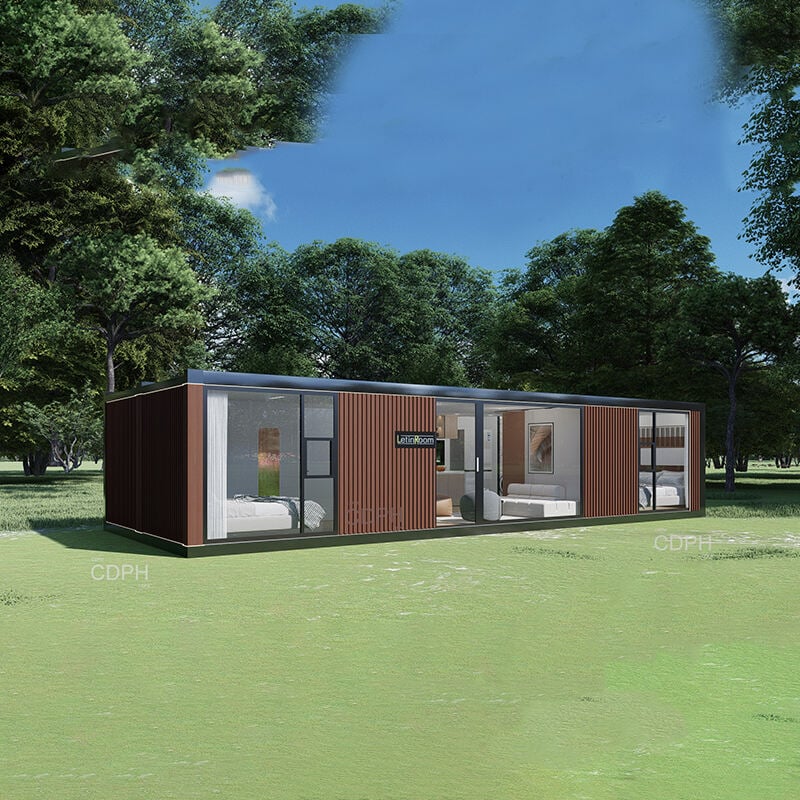
Green Certification Standards for Sustainable Prefab Homes
LEED, Passive House, and Living Building Challenge: How They Define High-Performance Sustainable Prefab Homes
Certifications that are voluntary set strict standards we can actually measure when it comes to making sustainable prefab homes. Take LEED for example, which stands for Leadership in Energy and Environmental Design. This certification focuses on saving energy, conserving water, and using materials that emit fewer harmful substances. Projects that reach the top Platinum level show what's possible at the cutting edge of sustainability. Then there's the Passive House standard, which pushes buildings to use incredibly low amounts of energy for heating, around 15 kilowatt hours per square meter per year. They achieve this by creating buildings that are super insulated and almost completely airtight, with air leakage rates below 0.6 ACH at 50 Pascals pressure. The Living Building Challenge takes things even further, demanding buildings produce more energy than they consume and collect more water than they need, while banning certain toxic materials entirely from construction. All these different certification systems help cut down on carbon emissions during operation, reduce construction waste by about 30% compared to regular construction methods, and decrease our reliance on brand new raw materials. What this means is that green prefab homes aren't just ideas anymore but real buildings with proven environmental benefits.
ICC 700 and CALGreen: Regulatory Drivers Shaping Sustainable Prefab Home Compliance
Mandatory codes are increasingly embedding sustainability into baseline requirements, accelerating mainstream adoption. ICC 700 (National Green Building Standard) provides third-party verified certification across six categories—including lot design, resource efficiency, and indoor air quality—ensuring consistent environmental accountability. California's CALGreen code mandates specific thresholds for all new residential construction:
- Water efficiency: 20% reduction in indoor use versus baseline
- Material selection: Minimum 50% recycled content in insulation
-
Waste management: 65% diversion of construction debris from landfills
These regulatory drivers compel manufacturers to integrate eco-friendly prefab home principles directly into product design and production—not as optional upgrades, but as foundational compliance requirements.
Energy Efficiency and Net-Zero Enablers in Sustainable Prefab Homes
Structural Insulated Panels (SIPs), Airtightness, and Solar Integration as Foundational Systems
Net zero ready sustainable prefab homes rely on three main systems working together. Structural Insulated Panels or SIPs are a big part of this because they provide really good thermal performance. These panels reduce thermal bridging issues and create continuous insulation throughout the building envelope, which means significantly lower heating and cooling demands for homeowners. When combined with strict airtightness standards that keep air leakage below 0.6 air changes per hour at 50 Pascals, these homes basically stop all those sneaky drafts that waste so much energy. The third piece of the puzzle comes from solar power integration. Rooftop solar panels paired with battery storage systems let these homes produce their own electricity, store excess power when needed, and even send surplus back to the grid if possible. Most importantly, this setup can cut reliance on traditional power grids by around 95%, all while keeping indoor temperatures comfortable no matter what season it is outside.
Smart Controls and Daylight Optimization: Reducing Operational Energy Without Compromising Comfort
When we talk about making operations more efficient, we're really looking at creating smarter systems that respond to their environment. These smart control systems handle things like heating, ventilation, air conditioning, lighting, and even appliances automatically. They work based on actual data about who's in the space and current weather conditions. The result? Energy savings around 30% without anyone noticing any drop in comfort levels. Another great approach works hand in hand with these controls: optimizing daylight through clever design choices. Think strategically placed windows, those shelf-like structures above windows called light shelves, and walls and ceilings designed to reflect sunlight instead of absorbing it. This combination knocks down lighting energy needs by almost two thirds and keeps temperatures stable throughout the day. What does all this mean? Buildings can be both environmentally friendly and comfortable places to live and work at the same time.
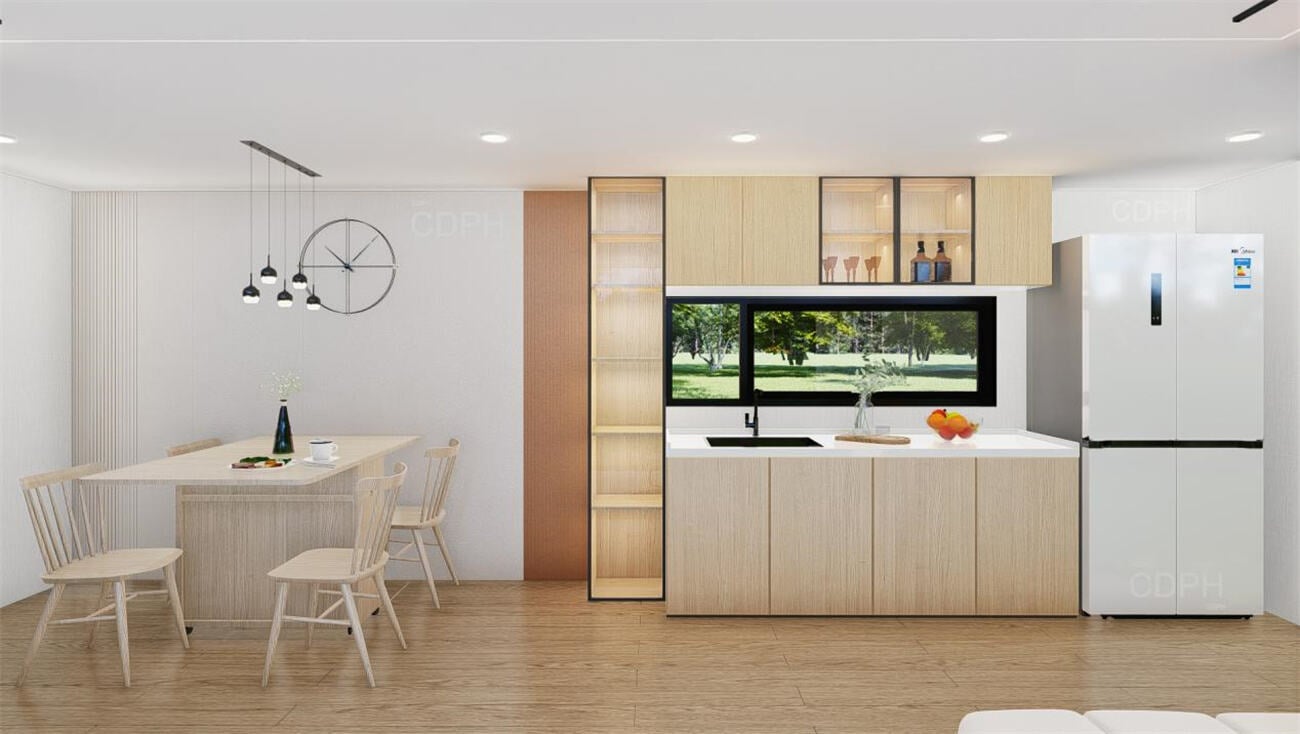
Low-Impact Materials and Responsible Sourcing for Sustainable Prefab Homes
Sustainable prefab homes rely on responsibly sourced, low-impact materials—turning environmental stewardship into structural reality. Key examples include:
- FSC®-certified timber, harvested from well-managed forests and acting as a long-term carbon sink while matching steel in structural reliability.
- Recycled steel and metals, which cut embodied energy by up to 75% compared to virgin extraction.
- Rapidly renewable bamboo, regenerating 30x faster than hardwoods and requiring no synthetic pesticides.
- Low-VOC finishes and adhesives, critical for safeguarding indoor air quality and occupant health.
Factory-based precision enables 70–90% construction waste diversion from landfills, while full material traceability—from FSC® chain-of-custody documentation to recycled-content verification—ensures alignment with circular economy principles. Every component is selected not just for function, but for its role in extending environmental value across the building’s lifespan.
Lifecycle Sustainability: Carbon, Waste, and Reusability Advantages of Sustainable Prefab Homes
Embodied Carbon Reduction, On-Site Waste Diversion, and Design-for-Disassembly Benefits
Prefab homes that focus on sustainability tend to have about 15 to 30 percent less embodied carbon compared to traditional homes built on site. This comes down to better material management, fewer emissions from transportation, and tighter control over logistics in factories according to UNEP's 2023 report. When manufacturers work with precision, they cut down on ordering too much stuff and eliminate all that wasted cutting that happens at construction sites. About half of what would normally end up in landfills gets diverted thanks to this approach. What happens to those leftover pieces? Well, steel bits often find new life as structural supports while wood scraps get turned into things like trim or cabinetry for interiors. The whole system just makes so much more sense environmentally speaking.
Design-for-disassembly (DfD) embeds future flexibility and recovery into the structure itself. Modular connections—like bolted wall systems—replace permanent adhesives, enabling spaces to be reconfigured or entire modules relocated. At end-of-life, this approach reduces demolition waste by 60–80%, supporting circular construction economies where buildings become material banks—not liabilities.
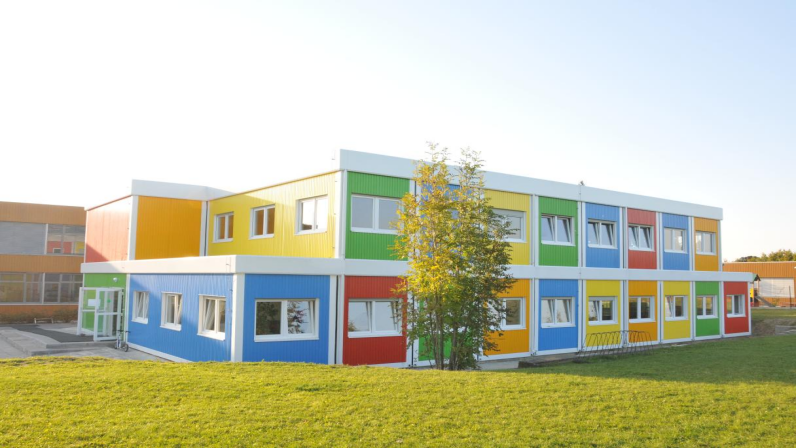
FAQs about Sustainable Prefab Homes
What are some common green certifications for prefab homes?
Common green certifications for prefab homes include LEED, Passive House, and Living Building Challenge, each with different focuses on energy efficiency, material usage, and environmental impact.
How do sustainable prefab homes achieve energy efficiency?
Sustainable prefab homes achieve energy efficiency through the use of structural insulated panels (SIPs), ensuring airtight construction, and incorporating solar power systems.
What materials are prioritized in sustainable prefab homes?
Sustainable prefab homes prioritize materials like FSC-certified timber, recycled steel, and low-VOC finishes to maintain structural integrity while minimizing environmental impact.
How do sustainable prefab homes reduce waste?
These homes are designed with precision in factories to minimize waste, with initiatives like design-for-disassembly promoting material reuse and on-site waste diversion.