EN
EN

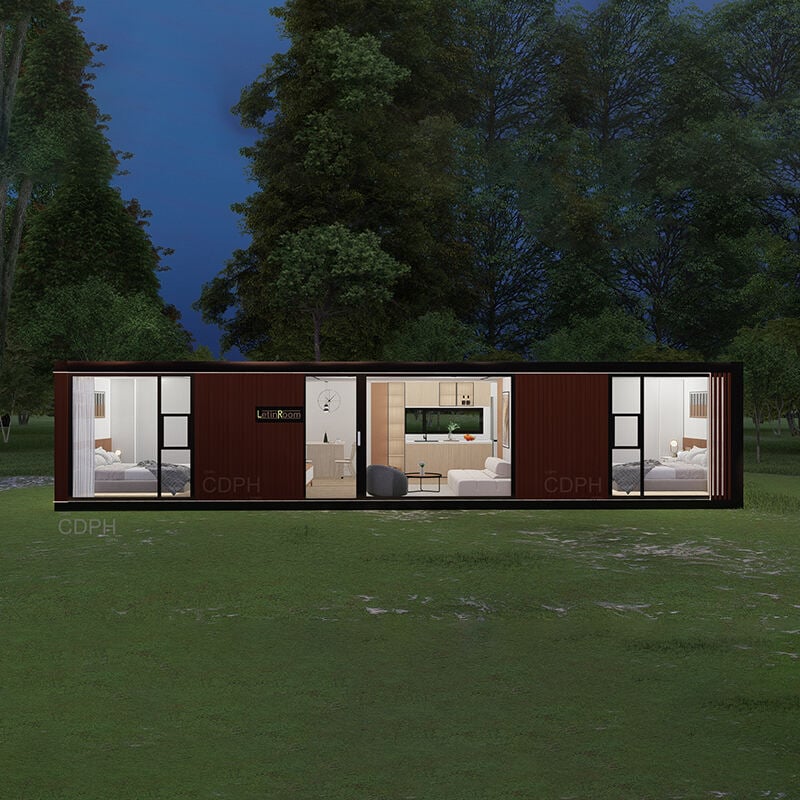
40ft Container House Structural Specifications and Design Foundations
Standard vs. high-cube 40ft container dimensions, square footage, and usable headroom
Regular 40 foot containers typically measure around 39 feet 4 inches long by 7 feet 8 inches wide inside, with about 7 feet 10 inches (roughly 2.39 meters) of headroom, giving roughly 280 square feet (about 26 square meters) on the floor. The high cube versions bump that interior height up to 8 feet 9 inches (around 2.69 meters), which means about 320 square feet (or 30 square meters) becomes available, adding nearly 17% more vertical space. Why does this matter? Well, that extra inch or two makes all the difference when trying to live comfortably inside these spaces. It allows room for regular HVAC ducts, those dropped ceiling installations people love so much, plus deeper flooring systems without sacrificing too much headroom. Even after putting in those 6 inch thick floors and ceilings, there's still at least 8 feet (approximately 2.44 meters) left for standing upright comfortably.
| Dimension | Standard Container | High-Cube Container |
|---|---|---|
| Interior Height | 7'10" (2.39 m) | 8'9" (2.69 m) |
| Usable Floor Area | 280 sq ft (26 m²) | 320 sq ft (30 m²) |
| Headroom After Insulation* | 7' (2.13 m) | 8' (2.44 m) |
Steel construction specs: wall thickness, ASTM-grade corrugated steel gauge, and structural load capacity
The walls and roof structures are made using ASTM A588 weathering steel, which was specifically designed to resist corrosion and last much longer than standard materials. For the side walls, we typically go with 12 to 14 gauge steel that's around 2 millimeters thick, whereas the roofing panels measure approximately 1.6 mm in thickness. At the corners where panels meet, there's extra reinforcement according to ISO 1496 standards. This makes them capable of handling stacking weights as high as 67,200 pounds and can withstand sideways forces reaching 75,600 pounds during transport or storage. The special corrugated shape adds significant stiffness to the overall structure. As long as holes drilled through the walls don't exceed about 48% of any given surface area, these units can be safely reused multiple times. With impressive tensile strength at 86,000 psi, this officially certified steel allows buildings to be constructed with multiple stories, provided they're supported by properly engineered foundations and include adequate bracing systems following guidelines outlined in IBC Chapter 16.
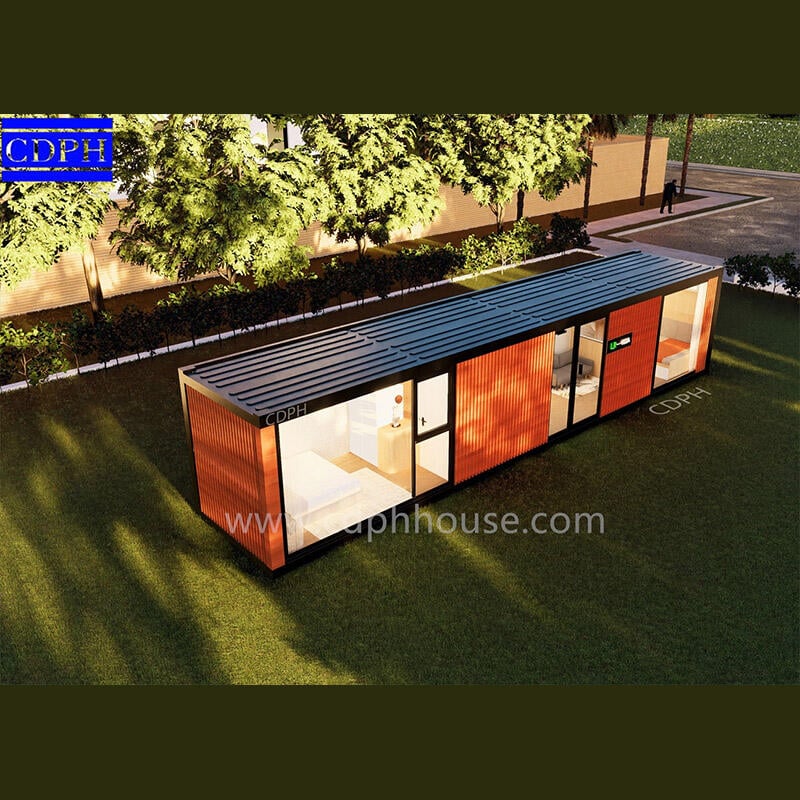
Thermal Performance and Insulation Strategies for 40ft Container Houses
Why standard container walls require robust insulation—and how thermal bridging impacts energy efficiency
The problem with containers as living spaces starts with steel itself. Steel conducts heat about 500 times better than regular wood frames do, which means containers without proper insulation get really hot inside during summer months, sometimes reaching over 120 degrees Fahrenheit. And when winter comes around, those same containers can get dangerously cold, dropping well below freezing point. What happens here is called thermal bridging. The steel framework and those corrugated walls basically become highways for heat to escape, cutting down on insulation effectiveness by nearly half according to some studies. This forces heating and cooling systems to work much harder than they should, driving up energy bills month after month. That's why good quality insulation needs to go on the outside first. Putting it just on the inside doesn't solve anything because the steel remains exposed and continues losing heat right through those metal paths we were talking about earlier.
Top insulation systems for 40ft container houses: closed-cell spray foam, rigid mineral wool, and hybrid approaches
Three insulation strategies consistently deliver code-compliant, high-performance results:
- Closed-cell spray foam: Bonds directly to steel surfaces, providing R-6.5 per inch, seamless air sealing, and moisture resistance. Its expansion fills corrugation valleys completely—eliminating gaps common with batt or board insulation.
- Rigid mineral wool panels: Non-combustible, fire-rated boards (R-4.3/inch) installed in cavity or exterior applications. They excel in sound attenuation and fire safety but demand precise vapor management to prevent interstitial condensation.
- Hybrid systems: Exterior rigid foam (e.g., polyisocyanurate) combined with interior spray foam delivers R-20+ performance—meeting or exceeding IRC energy code requirements across most U.S. climate zones. This layered approach leverages mineral wool's fire resilience for partition walls and spray foam's air-sealing capability at structural junctions and penetrations.
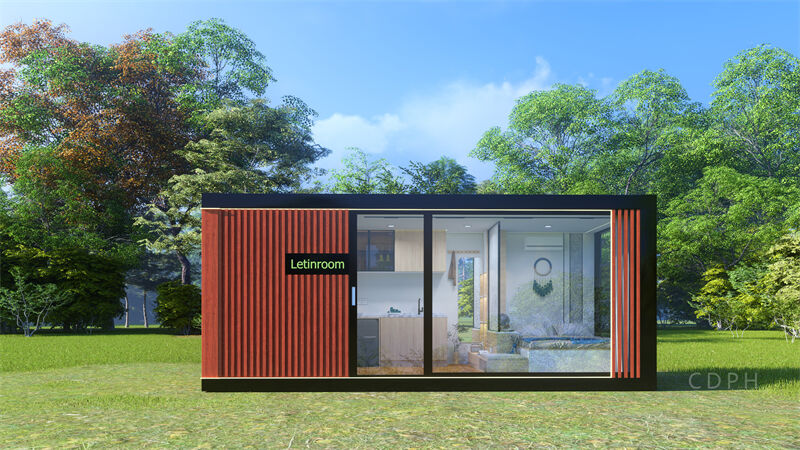
Building Code Compliance and Permitting for 40ft Container Houses in the USA
Navigating IRC 2024/2025 and IBC Requirements for Single-Unit 40ft Container House Construction
To legally occupy a space, builders need to follow both the International Residential Code for 2024-2025 and the International Building Code pretty closely. When it comes to those single unit 40 foot container homes, several key requirements stand out. First off, any changes made to the original container structure need official approval from a licensed professional engineer who stamps their plans. Every bedroom area needs at least one emergency window that provides a minimum of 5.7 square feet of clear opening space according to section R310 of the IRC. Insulation standards depend on where the home will be built, so for example in Climate Zone 4, ceilings should have R-30 rating and walls need R-20 insulation. High cube containers actually make meeting the ceiling height requirement easier since they already meet the 7 feet 6 inches minimum after finishing work is done. And don't forget about the wiring and pipes either these need to follow both the National Electrical Code and the International Plumbing Code standards as well.
Zoning Eligibility, Foundation Standards, and Local Permitting Pathways for 40ft Container Houses
Getting zoning approval is basically step one when it comes to legal hurdles. Check if the land use rules for your property actually allow things like manufactured homes, those accessory dwelling units we keep hearing about these days (ADUs), or any other non-traditional building approaches. Nearly every area requires some sort of permanent foundation work. Usually this means either footings that go deep enough below where the ground freezes locally, or concrete slabs rated for earthquakes according to those IBC Chapter 18 standards most builders know about. The whole permitting dance tends to happen in three main stages, though nobody ever seems to remember exactly what they are after the fact.
- Pre-application zoning verification
- Submission of site plans, stamped structural calculations, energy compliance documentation (e.g., REScheck), and mechanical/electrical/plumbing schematics
- Coordinated inspections—including structural, electrical, plumbing, and final occupancy
Early engagement with local building officials helps align design intent with jurisdictional expectations, reducing delays and avoiding costly revisions.
FAQ
What are the interior dimensions of a 40ft shipping container?
Standard 40ft containers have interior dimensions of approximately 39 feet 4 inches long by 7 feet 8 inches wide with a headroom of around 7 feet 10 inches.
What steel is used in the construction of container houses?
Container houses use ASTM A588 weathering steel which is designed for corrosion resistance and durability.
Why is insulation important in container houses?
Insulation is crucial in container houses to prevent thermal bridging, which leads to extreme temperatures inside due to steel's high heat conductivity.