EN
EN


Understanding Affordable Container Homes: Value Beyond the Price Tag
The Growing Demand for High-Performance, Budget-Friendly Housing
We're seeing a real boom in container homes that don't break the bank, and it's part of something bigger happening around the world as people look for greener, cheaper ways to live. These aren't just the cheapest options on the market though. Smart builders are finding ways to keep prices reasonable without sacrificing quality. Many folks want their homes to cut down on monthly electricity expenses somewhere between thirty to fifty percent, which matters a lot when winter storms hit or summer heatwaves roll in. Why? Construction materials have gotten so expensive lately. According to numbers from the National Association of Home Builders back in 2023, nearly seven out of ten homebuyers actually care more about saving money over time than what they pay at first glance.
Affordability Defined: Long-Term Value Over Short-Term Savings
When we talk about real affordability with container homes, what matters most is building something that lasts for years without constant fixes. Sure, some companies will tell buyers their containers start at around $25,000, but those savings usually vanish when unexpected expenses pop up later on. Think about all those costly repairs for rust damage, fixing HVAC systems that don't work right, or paying fines because the house doesn't meet local codes. Smart builders know this and go for better materials like ASTM A572 steel frames along with closed cell spray foam insulation throughout. The difference makes sense when looking at numbers too. According to recent studies from the National Association of Home Builders, good insulation planning alone cuts down nearly two thirds of extra spending caused by poor temperature control in these types of homes.

Case Study: A 40-ft Prefab Container Home in Texas with R-30 Insulation and ASTM A572 Steel
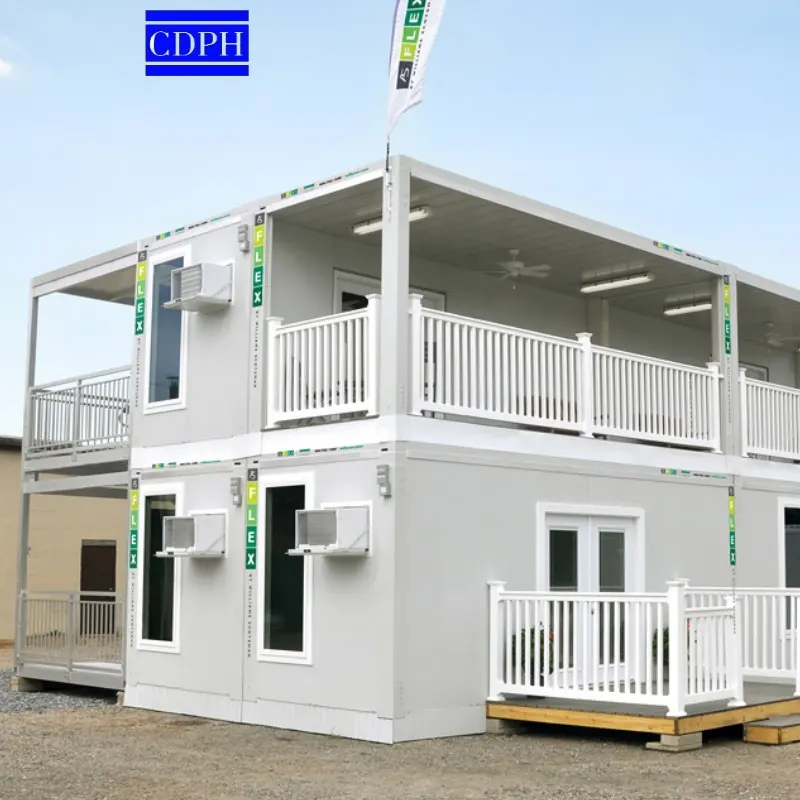
A Texas homeowner's 40-foot expandable unit demonstrates how strategic investments enhance value. Key specifications included:
- Structural Integrity: ASTM A572 steel walls resisting 130+ mph winds
- Thermal Performance: R-30 spray foam maintaining 72°F indoors during 100°F summers
- Compliance: Full adherence to IRC 2021 building codes
Over 3 years, the property recorded 42% lower energy costs than neighboring traditional homes and zero maintenance expenses—validating that quality container homes outperform cheap alternatives in lifetime ROI.
The Risks of Cheap Container Homes: Hidden Costs and Quality Compromises
The Allure of $25K 'Turnkey' Homes: What Advertisements Don’t Disclose
Container homes priced under budget frequently tout those "$25K complete package" deals that look too good to pass up. But what they don't tell potential buyers is how thin the steel gets sometimes just 1.2mm thick, no vapor barrier installed at all, and plenty of structural support missing from the equation. Many builders simply grab whatever old shipping containers are available, even if there's rust forming inside or traces of pesticides still lingering around. Take this guy from Houston who bought into the affordable container home hype only to find out later that fixing his foundation would cost nearly $18K right after everything arrived on site. And he wasn't alone either. According to a recent study by the Modular Building Institute back in 2023, about six out of ten people end up paying extra money for repairs within the first year they own these so-called cheap container houses.
Common Pitfalls: Corrosion, Poor Insulation, and Building Code Violations
In humid areas, corrosion happens much faster when budget containers miss out on important rust protection treatments such as zinc coating. Single wall designs without proper insulation form what are called thermal bridges, which leads to about 30 percent more work for heating and cooling systems according to ENERGY STAR research from last year. The problem gets worse with fiberglass insulation between walls since it tends to hold onto moisture inside those spaces creating conditions where mold can grow something many modern building regulations actually prohibit now. And let's not forget that around forty percent of homemade container houses fail basic home safety checks because they either don't have required escape windows or lack necessary support against earthquakes. What typically happens next? Water collects under floorboards, structures start breaking down over time due to pressure points going unchecked, or worse yet the whole project gets denied permits altogether. Good quality container homes built properly balance cost concerns with real safety features whereas cheaper options just cut corners hoping nobody notices until it's too late.
Summary of Common Risks in Cheap Container Homes
| Risk Factor | Impact on Homeowners | Average Rectification Cost |
|---|---|---|
| Accelerated Corrosion | Structural weakening, toxic rust particles | $7,200 (NAHB, 2023) |
| Substandard Insulation | 30—40% higher energy bills, condensation issues | $4,800+ per unit |
| Code Non-Compliance | Permit denials, mandatory demolitions | $12,000 (ICC, 2023) |
Table: Hidden expense breakdown for uncertified low-cost units
Key Cost and Quality Drivers in Affordable Container Homes
Insulation and HVAC: 68% of Budget Overruns Stem from Poor Planning
Good thermal control really matters when building affordable container homes. The 2023 NAHB report shows about 70% of construction budgets go over because people didn't plan their heating and cooling properly from the start. Most builders run into trouble with heat transfer through metal frames, not enough insulation for local weather conditions, water damage caused by poor vapor barrier installation, and HVAC systems that are too small leading to higher electricity bills. When done right, proper insulation systems avoid all these headaches. Closed cell spray foam stands out as the best option available today. It fills every crack and crevice without leaving gaps between sections, giving roughly R-6 insulation value per inch thick layer. This makes a huge difference in keeping steel containers at comfortable temperatures year round despite their conductive nature.
Material Matters: Why ASTM A572 Steel and Closed-Cell Spray Foam Pay Off
Budget conscious shoppers might be tempted by cheaper options, but investing in certified materials actually pays off big time in the long run. Take ASTM A572 steel for instance it has about 50 percent more yield strength compared to regular Corten steel, stands up better against rust, and maintains its strength even when temperatures swing wildly. When we pair this steel with closed cell foam insulation instead of fiberglass, energy bills drop around 40%. Sure, the upfront cost is roughly 15 to 20% more than bargain basement materials, but most folks find that money comes back within three to five years thanks to fewer repairs needed and those significantly lower monthly bills. What starts as just another building material choice ends up making container homes worth more over time instead of losing value like so many other structures do.
FAQ
What is the main benefit of container homes?
The main benefit is their affordability combined with sustainable living options, offering cost savings on energy and construction.
What should one look for in high-quality container homes?
Seek homes with ASTM A572 steel frames and closed cell spray foam insulation for durability and energy efficiency.
Are the low costs of budget container homes worth it?
While seemingly cheap, budget container homes often have hidden costs due to poor material quality and potential repairs.
Why do some container homes fail safety standards?
Many budget containers lack proper insulation and rust protection, leading to structural weaknesses and code violations.
Table of Contents
-
Understanding Affordable Container Homes: Value Beyond the Price Tag
- The Growing Demand for High-Performance, Budget-Friendly Housing
- Affordability Defined: Long-Term Value Over Short-Term Savings
- Case Study: A 40-ft Prefab Container Home in Texas with R-30 Insulation and ASTM A572 Steel
- The Risks of Cheap Container Homes: Hidden Costs and Quality Compromises
- Summary of Common Risks in Cheap Container Homes
- Key Cost and Quality Drivers in Affordable Container Homes
- FAQ