EN
EN

Selecting the Right Container for Moving
Matching Container Size to Household Volume and Layout
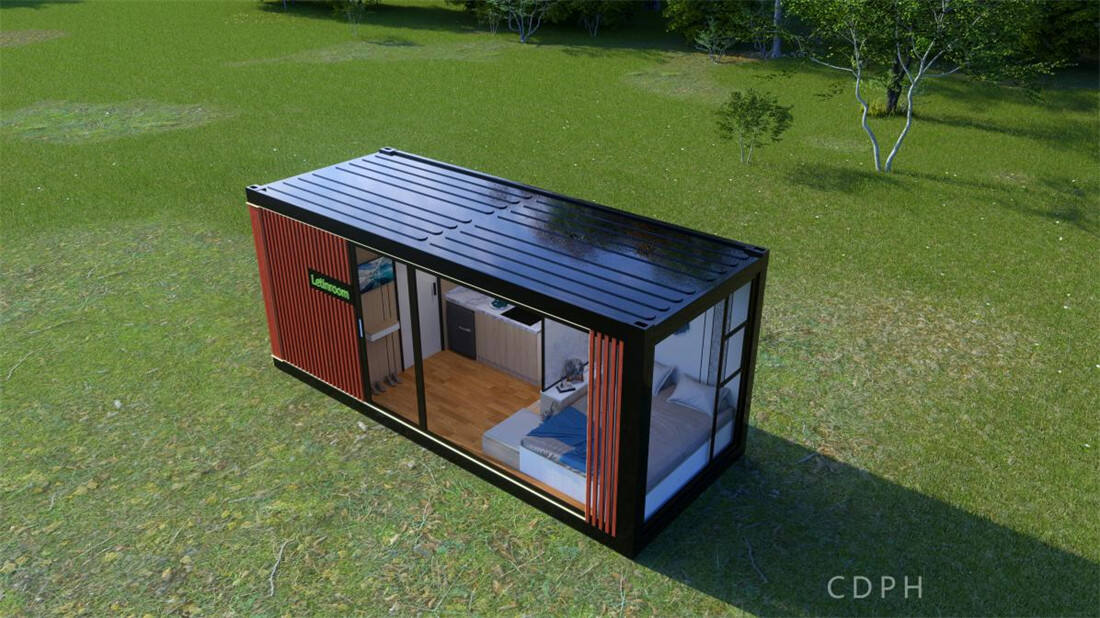
Getting the right container size helps avoid headaches when moving stuff around. To figure out what works best, measure each room and note where big pieces of furniture sit. Most 20 foot containers work well for small apartments with just one or two rooms, holding about 1,170 cubic feet worth of belongings. For bigger homes with three or four bedrooms, a longer 40 foot container usually does the trick, fitting roughly 2,390 cubic feet. Some open space designs might need special tall containers if there are really high items to move. Don't forget to check those tricky spots too. Narrow driveways and sharp corners sometimes mean going smaller than expected, even if the total stuff isn't that much.
Standard vs. Specialized Options: Climate-Controlled, Ventilated, and Lockable Containers
Standard containers are cost-effective for general use but offer no protection against temperature or humidity changes. For sensitive items, specialized units provide targeted protection:
- Climate-controlled containers maintain temperatures between 50-80°F, ideal for electronics, artwork, or musical instruments during long or seasonal moves
- Ventilated containers reduce moisture buildup with passive airflow systems, making them suitable for wood furniture or moves through humid climates
- Lockable containers feature dual-steel bolt seals and reinforced doors, enhancing security for urban or high-theft-risk areas
Prioritize ventilation for porous materials and climate control for relocations lasting over 30 days.
Avoiding Overpacking: Weight Limits, Load Distribution, and Space Efficiency
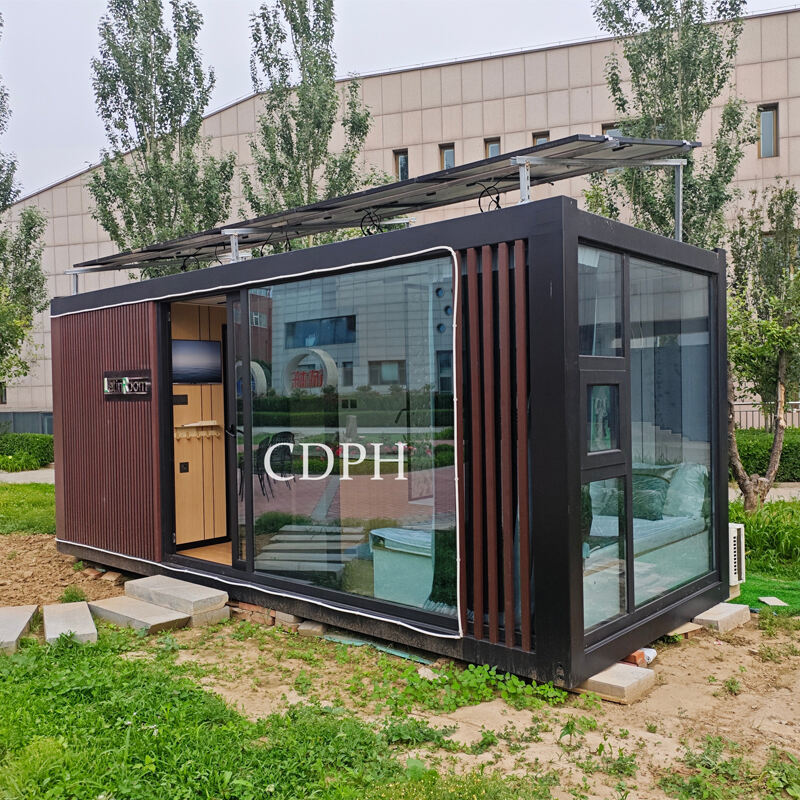
Going over weight limits can really mess with the structural integrity and safety during transport. Most standard 20 foot containers handle around 24,000 pounds maximum. When loading, it makes sense to spread out the heaviest stuff first. Appliances and other bulky items should go on the bottom near the sides where they won't tip over. Fragile things need special attention too. Place them somewhere central in the container and wrap them up properly with bubble wrap or foam padding. For maximizing storage space, take apart any furniture that can be broken down and pack soft items like clothes in those vacuum sealed bags everyone loves these days. Also important is leaving about six inches of space between cargo and the ceiling top. This helps air move through the container, which matters a lot if storing sensitive goods in temperature controlled environments.
Layered Loading Strategy: Heavy Items Low, Fragiles Centered, Balanced Front-to-Back
Getting the right loading order really makes a difference when it comes to preventing things from moving around and getting damaged during transport. Start by putting those heavy appliances down first against the walls where they'll sit on the floor. That creates a solid foundation for everything else. Next layer in the medium sized furniture pieces on top of that base. Save the delicate stuff like glasses, china, and electronic gadgets for last. Put them in the middle area where they can be wrapped up nice and snug with plenty of padding all around. Also important is making sure the weight distribution works well from front to back. Most people find that keeping roughly 60 percent of their stuff towards the front end actually does wonders for reducing those annoying shakes and bumps while driving along. According to some industry research published last year, following this kind of step by step approach can cut down on broken packages by almost a third.
Critical Packing Supplies: Ratchet Straps, Foam Corner Guards, and Desiccants
Use high-quality materials to secure and protect your belongings:
- Ratchet straps: Secure large items to wall-mounted D-rings with 500 lbs of tension to prevent movement
- Foam corner guards: Shield furniture edges from impact during transit
- Silica gel desiccants: Deploy one unit per 50 cu ft to control moisture and prevent mold
- Plywood sheets: Build partitions between delicate items for added separation
- Non-slip mats: Prevent boxes and containers from sliding during transport
Skipping essential supplies increases the risk of damage—improperly secured loads account for 27% of relocation claims (Transportation Safety Board, 2023).
Scheduling Around Weather, Permits, and Local Access Restrictions
Timing deliveries around bad weather is essential since snowstorms, hurricanes, or even heavy downpours can really mess up transportation schedules. Whenever feasible, try scheduling shipments during drier months to minimize risks. Getting those municipal permits sorted out ahead of time is critical too because cities have all sorts of different rules about where delivery vehicles can park on streets or sidewalks. Some places take weeks to approve requests while others might grant them overnight. In rural areas especially, double check whether dirt roads can actually handle large delivery trucks without causing damage. Cities present their own headaches sometimes requiring special traffic management plans or arranging deliveries outside regular business hours to avoid congestion. Always leave extra time in the schedule just in case something goes wrong with permits or Mother Nature decides to throw a surprise party on delivery day.
Site Readiness Assessment: Driveway, Gate, and Surface Requirements
Prepare your site before delivery:
- Clearance: Ensure at least 14 feet of width and 16 feet of overhead clearance for the delivery truck
- Surface: Use level, stable surfaces like concrete, asphalt, or compacted gravel—avoid grass, sand, or uneven ground
- Overhead hazards: Trim tree branches and check for power lines
- Access path: Remove vehicles, debris, or decorations that obstruct placement
Measure access points carefully to prevent repositioning fees or delivery denial. On soft terrain, place plywood under container corners to prevent sinking.
Renting vs Buying a Shipping Container for Moving: Long-Term Value Analysis
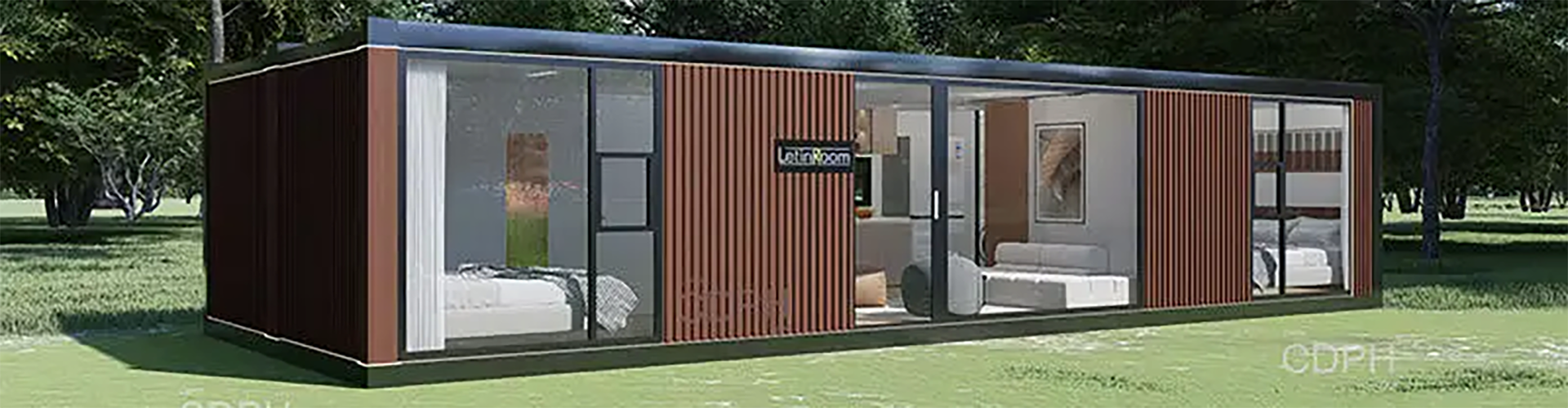
The choice between renting and buying a shipping container really comes down to how long someone plans to keep it around, what kind of money they have available right now, and what might be needed later on. When people go with rental options, they usually pay less at first time (about $150 to $300 each month), plus everything gets maintained and picked up too. That works best when folks just need something once in a while or want temporary space somewhere. On the flip side, purchasing containers means spending quite a bit upfront ($2,500 to $3,500 typically). However, this can actually save cash in the long run if kept for three to five years or so, particularly when used multiple times over that period. There are plenty of things worth thinking about before making either decision though.
- Short-term needs: Renting avoids long-term commitment and simplifies logistics
- Multi-phase moves: Ownership eliminates recurring rental fees during extended projects
- Future repurposing: Buying adds value if you plan to convert the container into storage, a workshop, or living space
Evaluate how often and how long you'll need the container to determine the most economical and practical option.
FAQ
What is the ideal container size for moving?
The ideal container size depends on the size of your household. A 20-foot container works well for small apartments with one or two rooms, while a 40-foot container is suitable for homes with three or four bedrooms.
What are the benefits of climate-controlled containers?
Climate-controlled containers maintain temperatures between 50-80°F, which is ideal for transporting sensitive items like electronics, artwork, or musical instruments over long or seasonal moves.
How can I maximize packing space within a container?
To maximize space, take apart furniture that can be disassembled and pack soft items in vacuum-sealed bags. Also, make sure to leave a gap between the cargo and the container ceiling to allow air circulation.
How should I prepare my site for container delivery?
Ensure at least 14 feet of width and 16 feet of overhead clearance for the delivery truck. Use stable surfaces for placement and check for overhead hazards like tree branches or power lines.
Should I rent or buy a shipping container?
Renting is cost-effective for short-term needs, while buying is suitable for long-term use or multiple uses over several years. Consider your budget and future plans when deciding.
Table of Contents
-
Selecting the Right Container for Moving
- Matching Container Size to Household Volume and Layout
- Standard vs. Specialized Options: Climate-Controlled, Ventilated, and Lockable Containers
- Avoiding Overpacking: Weight Limits, Load Distribution, and Space Efficiency
- Layered Loading Strategy: Heavy Items Low, Fragiles Centered, Balanced Front-to-Back
- Critical Packing Supplies: Ratchet Straps, Foam Corner Guards, and Desiccants
- Scheduling Around Weather, Permits, and Local Access Restrictions
- Site Readiness Assessment: Driveway, Gate, and Surface Requirements
- Renting vs Buying a Shipping Container for Moving: Long-Term Value Analysis
- FAQ