EN
EN

Types and Sizes of Container Houses for Sale
Standard container options: 20ft, 40ft, and high-cube variants
Container homes typically begin with choosing those standard steel containers built to last during transportation. Most people going this route end up working with either the 20 foot ones (about 160 square feet) or the bigger 40 foot models (around 320 square feet). There are also these high cube versions that stand just a bit taller at 9.5 feet instead of the regular 8.5 feet. This extra height makes all the difference when installing ceilings, running HVAC ducts, and getting proper air circulation throughout the space. The beauty of these heavy duty containers is their consistent size across different countries, which means they stack together nicely and engineers can design complex structures using multiple containers without too many headaches.
Choosing the right container size and condition for residential use
Buying a container house requires thinking about how much space is needed versus what kind of modifications will be necessary later on. The smaller 20 foot containers work pretty well for people who want something simple like a tiny home setup, maybe as a guest room or even just an office space. Then there are those bigger 40 foot ones which give way more room to play with. These can handle open spaces inside, separate sleeping areas, and full kitchens too, especially if someone combines several containers together for extra space. Most experts recommend going for containers that have only been used once for shipping across oceans rather than picking up ones that look beat up from years outside in bad weather conditions. Containers that show signs of rust or damage might end up needing expensive fixes down the road, like replacing floors or fixing structural issues. So before making any purchase decisions, take these factors seriously.
- Occupancy requirements: Plan for 100–150 sq ft per occupant for comfort and code compliance
- Modification scope: Larger cutouts (e.g., for windows or interior walls) require engineered reinforcement
- Climate adaptability: High-cube units improve ventilation in humid or hot climates and allow for better insulation layering
- Foundation compatibility: 40ft units demand more robust site preparation–particularly on uneven or expansive soils
Always inspect for rust penetration, structural dents, floor pitting, and door seal integrity before purchase, as these issues directly impact renovation timelines and long-term durability.
Cost Breakdown: What You Pay for Container Houses for Sale
Upfront container costs: size, condition, and location factors
When it comes to buying a shipping container, the initial cost sets the foundation for what most people spend overall, and prices really jump around based on size, how worn down they are, and where they're located. Most folks looking at standard 20 footers will find them starting somewhere near $1500 if they're secondhand stuff. The bigger ones like 40 foot containers or those with extra headroom usually run anywhere from about $3k all the way up to $7500 depending on how old they are and how much wear and tear they've seen. Containers that have only made one trip across the ocean tend to offer the sweet spot between not breaking the bank and still being structurally solid. Sure, containers that have been beaten up over years might seem cheaper at first glance, but they often end up needing major fixes later on. Then there's delivery costs to consider too. Getting these things delivered gets expensive fast when dealing with hard to reach locations or places that aren't easy to access. Extra gear and longer work hours mean transport bills can go up anywhere between $2k and $5k for such situations.
Additional expenses: insulation, foundation, permits, and utility hookups
The container is just the starting point really. When people think about investing in shipping containers for housing or commercial spaces, they often forget all the extra work needed to get them up to code. Insulation matters a lot too. We're talking about stuff like closed cell spray foam or those rigid mineral wool panels. Without proper climate appropriate insulation, there will be condensation issues, heat loss through thermal bridges, and higher energy bills overall. That alone can push costs up by around 10 to 20 percent. Then there's the foundation question. Some folks go with basic pier and beam setups costing anywhere between $1k to $5k. Others need full concrete slabs which run from $5k all the way up past $20k depending on what kind of soil we're dealing with, how deep frost goes in winter, and what local building codes require. Permitting fees also vary quite a bit across different areas, usually somewhere between $500 and $3k. And let's not forget about connecting utilities either. Water mains, septic tanks or sewer hookups, plus electrical service upgrades typically come with their own set of fees from the city plus actual digging costs for trenches or drilling wells. All told, these additional items tend to bump up the original container price tag by roughly 30 to 60 percent when everything gets added together.
Hidden costs in container home projects: transportation and site preparation
Transport costs and site prep are two things that many folks tend to overlook until they start digging into their project budget, only to find them eating away at funds left and right. Getting equipment to the job site isn't just about hiring a truck either. Big machinery often needs special transport arrangements like flatbed trucks, cranes on site, and sometimes even road permits or pilot cars leading the way for those really big loads heading out to remote locations. Then there's what happens once everything arrives. Site prep work covers a whole range of tasks from cutting down trees and leveling ground to running tests on soil density, installing proper drainage systems, and setting up erosion barriers. The tougher the terrain gets, the more these costs pile up fast. According to industry reports, new construction projects typically end up spending between 18% and 22% more than planned because of these hidden expenses, especially when contractors didn't account for tricky soil conditions or limited access points during initial estimates.
Prefab vs DIY: Choosing Your Container Home Build Path
When evaluating container houses for sale, your decision between prefabricated and DIY approaches hinges on three core factors: timeline, customization needs, and technical expertise.
Prefabricated container homes for sale: fast, reliable, turnkey solutions
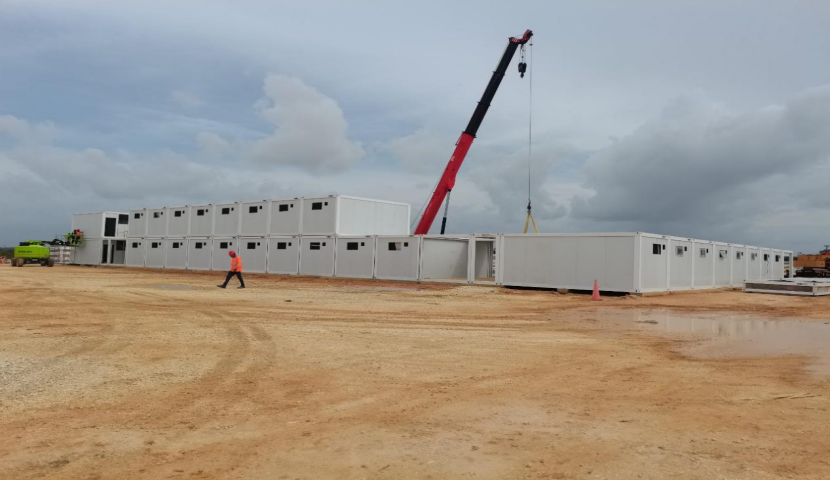
Factory built prefab homes can be ready for moving in just a few weeks after ordering. The engineering behind these units cuts down on major structural issues before they even leave the manufacturing facility. Insulation is already installed, electrical wiring comes pre-done, and plumbing connections are set up so there's far less work needed once the unit arrives at its final location. Sure, people looking for highly customized floor plans might find prefab options limiting compared to traditional building methods. But for those wanting something completed quickly without worrying about rain stopping progress, these ready made solutions check all the boxes. Plus, they meet important residential codes such as the International Residential Code requirements automatically. Recent research from 2023 shows that getting a prefab home finished takes around 60 to 70 percent less time than going the do it yourself route.
Custom and DIY builds: balancing cost, time, and design flexibility
Taking control of your own construction project gives freedom to customize almost anything, although it comes at the cost of serious time investment, coordination headaches, and needing someone who knows what they're doing technically. Most people find themselves spending anywhere from 200 to over 500 hours just getting through the design phase, finding contractors, and dealing with all those pesky permits. The good news is materials can sometimes be 15 to 25 percent cheaper when we skip the manufacturer markup. But honestly, the money saved there usually disappears fast because special work like welding, reinforcing structures, and integrating mechanical systems tends to run pretty expensive. This approach works best when someone wants something really different in layout, needs multiple containers put together, or plans to build in stages. Just remember to spend plenty of time researching local zoning laws and prepare mentally for projects that might take anywhere between six months and almost two years to complete.
| Factor | Prefab | DIY |
|---|---|---|
| Time Commitment | 2–4 months | 6–18 months |
| Customization | Limited preset options | Complete creative control |
| Technical Demands | Minimal owner involvement | Requires construction skills |
Balance immediate occupancy needs against personalization goals when selecting your path. Prefab suits urgent habitation requirements or buyers seeking financing certainty; DIY rewards those prioritizing bespoke designs, phased budgeting, and hands-on control.
Legal and Zoning Requirements for Container Homes
Understanding local building codes and zoning laws for container houses
Local zoning rules determine if container homes can be placed on certain properties, and these regulations differ quite a bit from one town to another. Many municipalities only allow such structures in industrial or farming areas, though some places do let people live in them as long as they meet particular looks standards, maintain proper distance from property lines, and stay within height limits. Safety standards through building codes set baseline requirements too. Insulation needs to reach specific R-values, containers must withstand strong winds (like those exceeding 110 mph along coastlines), and extra support is needed in earthquake-prone regions. Snow belt communities often have special roof load requirements as well, sometimes needing structures to handle over 50 pounds per square foot of weight. Before buying any land, it's wise to check what HOAs might say about unconventional buildings first. According to recent statistics from 2023, nearly half of all American neighborhoods flat out ban nontraditional building materials. Getting in touch with city planners early helps avoid surprises later when trying to figure out exactly what kind of space qualifies, how far back structures need to sit, and just how tall they can go.
Securing permits and approvals for modular and expandable structures
The permitting process typically requires four key approvals:
- A master building permit, validating that structural modifications meet International Building Code (IBC) or IRC standards
- Separate electrical and plumbing permits, covering utility integrations and load calculations
- A foundation permit, confirming soil testing results and footing design
- An expansion permit, if joining multiple containers or adding mezzanines or decks
The application package needs proper stamped blueprints that clearly mark where load bearing walls go, show fire rated construction details, and outline how air moves through the building. Modular construction tends to get approved faster because these systems come from factories that already have their paperwork in order and can offer independent checks on quality. Most projects take between six to twelve weeks to process, though there are several inspection points along the way including when concrete goes down for foundations, during framing work, after plumbing and electrical is installed, and finally before people move in. Getting ahead of the schedule by booking inspections early makes a big difference. Contractors who wait until the last minute often face those frustrating delays that hold up about one third of all DIY projects due to poor coordination.
Where to Buy Container Houses for Sale: Top Suppliers and Options
Reputable container home builders and pre-designed floor plans
Working with experienced container home builders gives peace of mind when it comes to solid construction, meeting building codes, and getting proper warranty coverage. Top companies have developed floor plans specifically for containers, ranging from small studio spaces made from one container all the way up to large family homes built from multiple modules connected together. These plans often include eco-friendly additions like solar panels on the roof, systems for collecting rainwater, and features that make the homes accessible for everyone. Before finalizing anything, professional engineers check each design to make sure everything will hold up under different conditions. This means less hassle during the planning phase and still allows room for customization within tested designs that actually work in real world situations.
Benefits of turnkey container homes: move-in ready solutions
Turnkey container homes deliver significant advantages for buyers prioritizing convenience and predictability:
- Time savings: Complete homes install in weeks versus months for self-managed builds
- Cost predictability: Fixed pricing covers structural modifications, interior finishes, utility connections, and site-level commissioning
- Quality assurance: Manufacturer warranties cover structural elements, insulation systems, and installed mechanicals
Industry research indicates turnkey solutions reduce project timelines by 60–75% compared to self-managed builds. These move-in ready properties also simplify financing–conventional construction loans and even some FHA programs recognize them as completed assets, improving loan-to-value terms and appraisal outcomes.
FAQs About Container Houses
Are container houses durable?
Yes, container houses are made from heavy-duty steel shipping containers, making them structurally robust and durable under various environmental conditions.
How much space does a container house provide?
Container houses can range from about 160 sq ft for a 20ft container to 320 sq ft for a 40ft container, with possibilities to combine multiple units for larger spaces.
What are the hidden costs in container homes?
Hidden costs often include site preparation, transportation of containers, and unexpected expenses related to tricky terrains or soil conditions.
Is it better to choose prefab or DIY container home?
Prefabricated homes offer quick installation and cost predictability, while DIY builds allow for complete customization but require more time and technical expertise.
Do container homes need special zoning approval?
Yes, container homes may require adherence to local zoning laws and building codes, which vary between municipalities.
How do I ensure my container home meets building codes?
Work with professional builders who adhere to standards such as the International Residential Code and commission inspections at different construction phases.
Table of Contents
- Types and Sizes of Container Houses for Sale
- Cost Breakdown: What You Pay for Container Houses for Sale
- Prefab vs DIY: Choosing Your Container Home Build Path
- Legal and Zoning Requirements for Container Homes
- Where to Buy Container Houses for Sale: Top Suppliers and Options
- FAQs About Container Houses