EN
EN


Understanding Container Home Build Cost: What $140–$225/sf Really Covers
How Square-Footage Pricing Reflects Design Complexity, Site Constraints, and Local Code Compliance
Container homes typically cost between $140 to $225 per square foot, but this price tag isn't just about the shipping container itself. It actually includes all sorts of factors like how ambitious the design is, what kind of land we're working with, and what regulations need to be followed. When someone wants multiple stories, lots of windows, or weird shaped spaces, that really cranks up the engineering work needed. Expect to pay around 15-25% extra compared to basic single container builds. If the property has steep hills or bad soil quality, special foundations become necessary, sometimes using things like those spiral metal piers called helical piles. And don't even get me started on remote sites where getting equipment there costs a fortune. Local building codes also throw their weight around pretty hard. Californians need earthquake protection systems, Floridians must have hurricane rated connections, and Minnesotans face strict insulation standards. All these changes turn old cargo containers into homes that meet safety standards and save energy in the long run, but they definitely eat into the overall budget.
Benchmark Data: Median vs. Premium Builds (2023 NAHB & EcoHome Survey Insights)
The numbers tell us something pretty clear about container homes these days: finish quality and structural decisions are what really push costs apart. Looking at the latest 2023 reports from NAHB and EcoHome, we see that most builders spend around $155 per square foot on container homes, focusing more on getting things done than looking fancy. They typically stick with regular fiberglass insulation, standard vinyl windows, and keep interiors simple. But when developers go for the premium look, prices jump to about $215 per square foot. These high-end builds often feature expensive spray foam insulation costing between $4.2 and $6.8 per square foot, triple pane windows that add $38 to $55 per square foot extra, plus custom exteriors. What's interesting about the money spent? For basic reinforcement work, contractors usually budget between $12k and $18k. However, top tier projects allocate anywhere from $28k to $42k just for steel beams needed to handle those cool features like cantilevers, mezzanines, or rooftop decks. So yeah, the actual shipping containers themselves are just the beginning. Most of the big bucks come down to how seriously someone takes engineering requirements and what kind of materials they decide to specify.
Container Price Per Unit: New vs. Used, Size Options, and Procurement Realities
Q2 2024 Market Rates: Certified Used 40ft HC ($2,900–$4,300) vs. New ISO Containers ($7,200–$9,800)
The size and state of containers play a major role in determining how much building a container home will ultimately cost. Looking at current market prices around mid-2024, those certified used 40 foot high cube containers that people typically pick for living spaces generally fall somewhere between $2900 and $4300. These taller models at 9 feet 6 inches give plenty of headroom space and make it easier to install things like insulation, ventilation systems, and ceilings compared to regular height containers. Brand new ISO certified containers come with a much higher price tag ranging from about $7200 up to nearly $10k because they haven't been used before and have full structural guarantees. Although 20 foot containers start off cheaper, their smaller size really limits what kind of layouts are possible. Most folks end up needing several of them together, which means extra work getting them welded, sealed properly, and integrated into one cohesive structure.
| Container Type | Certified Used Range | New Range | Height Advantage |
|---|---|---|---|
| 40ft High Cube (HC) | $2,900–$4,300 | $7,200–$9,800 | 9'6" (optimal headroom) |
| 40ft Standard | $2,200–$3,800 | $4,800–$7,500 | 8'6" (standard height) |
| 20ft Standard | $1,500–$2,500 | $2,900–$4,200 | Limited scalability |
High-cube units provide 12% more vertical volume—critical for thermal performance and spatial comfort. One-trip containers (single-use, near-new condition) sit between these tiers at $4,100–$5,900, offering a compelling balance of quality and value.
Hidden Procurement Costs: Modifications, DOT/ISO Certification, Import Tariffs, and Delivery Logistics
When looking at base container prices, most people forget about those hidden costs that can really eat into their budget. We're talking about around 18 to maybe even 32 percent extra on top of what's listed. Let's break it down. First up are structural changes needed for living spaces. Things like cutting out windows and doors, removing corners, adding reinforced openings all typically set homeowners back between eight hundred bucks and two thousand five hundred dollars per container. Then there's this mandatory certification stuff from DOT and ISO standards. These checks ensure the container is structurally sound and safe for sea travel, which costs anywhere from two hundred to six hundred dollars. Oh, and don't forget import taxes if buying overseas containers. Those can jump anywhere from just over one percent up to as high as twenty five percent based on where they come from and current trade deals. Last but not least, getting these heavy metal boxes delivered matters a lot too. Shipping to remote areas or places that are tough to reach often runs more than five dollars per mile plus special equipment might be needed for proper rigging. Anyone serious about building with containers should account for these added expenses right from the start when planning their overall costs.
The Build Timeline and Critical Path: From Container Delivery to Occupancy
Phase-by-Phase Breakdown: Foundation, Structural Integration, MEP Rough-Ins, Insulation, and Finishes (12–24 Weeks Avg.)
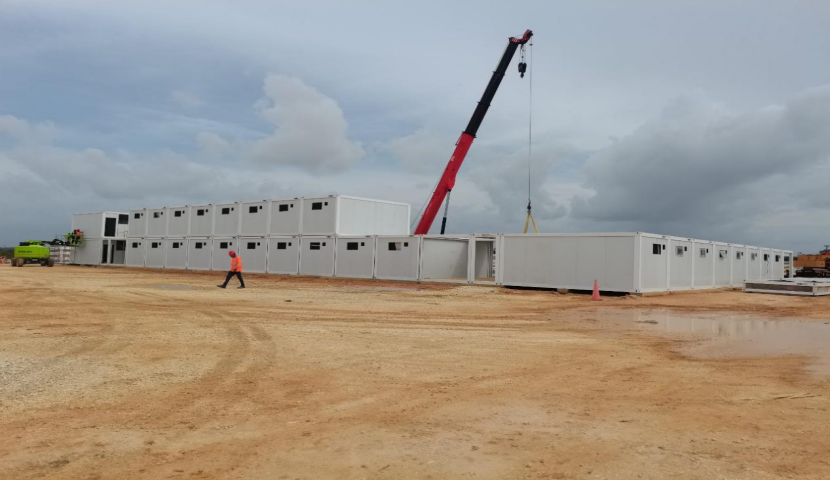
Once those shipping containers arrive on site, building a container home usually goes through about five main stages before someone actually moves in, which typically takes anywhere from 12 to 24 weeks. The foundation work alone can take between 1 and 5 weeks depending on what kind of system gets used. Pier and beam foundations go up pretty fast, but when contractors pour concrete slabs, they have to wait for them to cure properly. Next comes putting everything together structurally placing, aligning, cutting, welding, and reinforcing those containers. This part really depends on how complicated the design is and whether the construction crew has good access to the property. Projects involving multiple containers or ones located in crowded city lots tend to run behind schedule more often than not. After that comes running all the mechanical, electrical, and plumbing lines through those steel walls, which takes around 3 to 10 days but needs careful planning so nothing interferes with the structural strength of the containers. Insulating the space is another critical step taking anywhere from 1 to 10 days. Getting spray foam applied correctly and making sure vapor barriers are installed right helps avoid moisture problems and keeps heat from escaping through gaps. The last big chunk of work involves finishing both inside and outside surfaces, which eats up between 2 and 13 weeks total. Custom woodwork, special types of flooring, or fancy exterior materials will definitely slow things down. And let's face it permit inspections and getting approval for any structural changes are probably going to be the biggest headaches causing delays throughout the whole process. That's why smart builders always build in extra time just in case something unexpected happens.
Avoiding Cost Overruns: Top 3 Budget Risks in Container Home Build Cost Management
The 'Silent Surcharges': Insulation Upgrades, Electrical Integration, and Structural Reinforcement ($18k–$42k Impact)
Container home builders often face three big money pits that nobody really prepares them for. Insulation is a major headache first off. Regular batt insulation just doesn't work well in steel containers because of all that thermal bridging and condensation issues inside walls. Most contractors end up going with spray foam instead, which costs anywhere from $8 to $15 per square foot. That adds around $10k to $18k to a typical mid-sized project. Then there's the wiring problem. Electricians need special training to handle steel walls properly, figuring out how to route conduits and set up proper grounding systems. Labor costs jump by about 25% to 40% compared to regular wood framing jobs. And finally we get to structural reinforcements. When building doorways, stacking multiple containers together, or creating cantilevers, engineers have to install steel beams at roughly $12 to $25 per linear foot plus paying for third party inspections. All told, these three areas typically eat up between $18,000 and $42,000 extra during construction, sometimes taking 15% to 30% right off the top of the overall budget. Anyone planning a container home should seriously consider setting aside at least 20% extra just for these kinds of surprises if they want to avoid getting completely blindsided financially.
| Risk Factor | Cost Range | Impact Scope |
|---|---|---|
| Insulation Systems | $10k–$18k | Thermal efficiency & code compliance |
| Electrical Integration | +25–40% labor | Safety certification & complexity |
| Structural Reinforcement | $12–$25/lf | Design modifications & engineering |
Source: Industry analysis of 2023–2024 container home projects
Frequently Asked Questions (FAQ)
What factors affect the cost per square foot of a container home?
The cost per square foot for container homes can be influenced by design complexity, site constraints, local code compliance, and quality of finish.
How does the size and condition of containers impact overall building costs?
Used containers are cheaper, but their condition may require more modifications adding to costs. New containers are pricier but offer structural guarantees and high-quality build.
What are hidden costs in container procurement?
Hidden costs include modifications, certifications, import tariffs, and delivery logistics, potentially adding 18% to 32% to the base price.
Table of Contents
- Understanding Container Home Build Cost: What $140–$225/sf Really Covers
- Container Price Per Unit: New vs. Used, Size Options, and Procurement Realities
- The Build Timeline and Critical Path: From Container Delivery to Occupancy
- Avoiding Cost Overruns: Top 3 Budget Risks in Container Home Build Cost Management
- Frequently Asked Questions (FAQ)