EN
EN

Understanding Container Home Plans: Designing for Structure and Space
Why Traditional House Plans Don‘t Work for Containers
Regular house blueprints just won't cut it when designing homes from shipping containers because they simply don't match up dimensionally or structurally. Containers follow strict ISO standards, typically measuring exactly 8 feet wide with solid steel walls that actually hold up the whole structure unlike regular houses made of wood or brick. When trying to install doors, windows, or create those popular open spaces, engineers need to be really careful since slicing through those corrugated steel walls can weaken everything unless there's proper support added. The design has to respect the basic shape and materials of the container itself, often incorporating the visible steel framework into both looks and function rather than hiding it behind drywall. All these factors mean architects have to think differently about things like where pipes go, how air moves through the space, and making sure people can actually move around comfortably inside, which most standard home plans never consider.
Key Structural and Spatial Constraints in Container Home Layouts
When it comes to making container homes actually work, there are basically three big hurdles to overcome. The first problem is that containers are only about 8 feet wide inside, which makes creating decent sized rooms tricky. Most folks end up putting containers next to each other or stacking them vertically just to get enough space for normal living areas. Then there's the whole structural thing. Those corners where the metal meets need to stay intact, and anyone cutting big holes for doors or windows needs to reinforce those spots properly so the house can handle strong winds and earthquakes. Insulation is another space eater too. When builders add all the proper layers to keep things warm or cool, they're looking at losing around 4 to 6 inches from every wall, which isn't great when space is already tight. Smart designers get around these issues by building upwards instead of outwards, creating multi story homes, and carefully placing windows and vents in spots that let in light and fresh air without compromising the strength of the container walls.
Case Study: Adapting a 40-Foot ISO Container to Austin’s Zoning Requirements
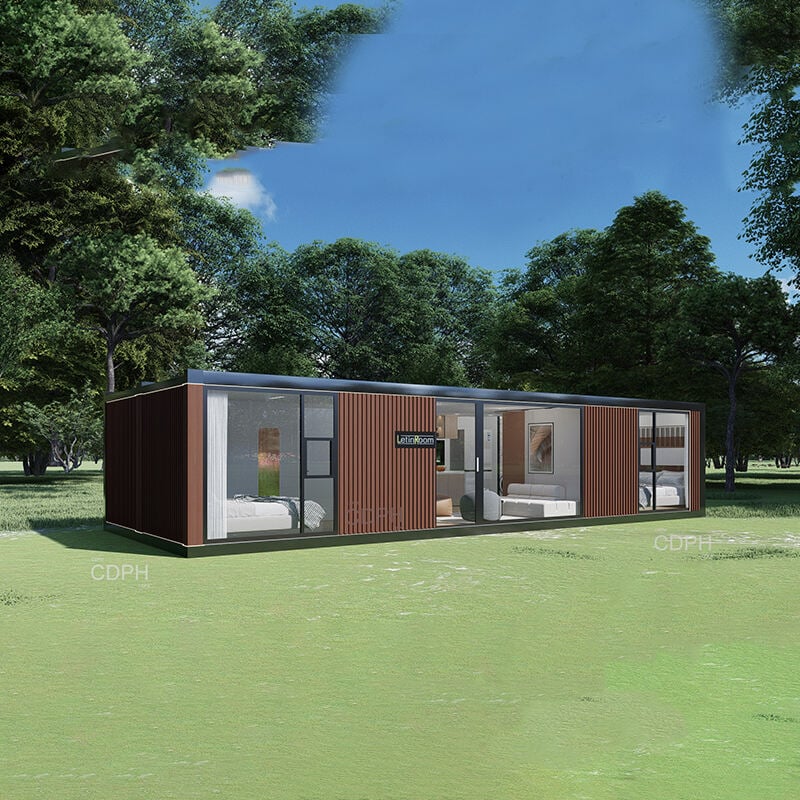
When a developer proposed a 40 foot shipping container home project in downtown Austin, they had to make several changes to get it approved by local authorities. The first major adjustment was adding those emergency exit windows in every bedroom area since the city requires at least 5.7 square feet of window space per room for safety reasons. Then there was the matter of reinforcing the structure after cutting away parts of the container sides. Steel beams went in to handle the wind loads according to International Building Code standards, which made sense given Austin's occasional severe weather events. Lastly, the team had to install proper mounting systems for solar panels on the roof because the city wants all accessory dwellings to produce around 15 percent of their power from renewables. While these modifications cost roughly eight thousand dollars extra, getting permits through meant everything else could proceed smoothly. It shows just how much local rules shape what builders can actually do when working with repurposed containers.
Evaluating Container Home Kits: Prefab vs. DIY for Your Skill Level
The Rise of Turnkey Container Home Kits in Uncertain Regulatory Environments
The patchwork of regulations throughout different parts of the United States has led many people to seek out ready-made container home packages. Zoning laws differ from county to county, and actually, around 89% of them have their own unique set of rules. That's why prefabricated options are becoming so popular these days since they come with all the paperwork and engineering already sorted out. Most manufacturers are designing their products specifically for particular regions, incorporating whatever extra strength or safety measures might be needed right from the start. Looking at recent numbers from the modular building sector in 2023 shows something interesting too: homes built this way get approved much faster than ones made completely from scratch. The wait time drops anywhere between 30% and half depending on where someone wants to build. For folks living in places where building codes keep changing or just don't make much sense, these all-in-one kits really do save headaches down the road.
Choosing the Right Kit Based on Builder Experience and Local Codes
Selecting between DIY and prefab container home kits depends on three key factors:
-
Skill Assessment: DIY kits require advanced abilities in welding, structural modification, and utility installation. Prefab options, in contrast, are designed for assembly with basic tools and minimal construction experience.
-
Code Compatibility: Ensure the kit includes jurisdiction-specific engineering certifications for compliance with IRC or IBC standards, which vary by location and occupancy type.
-
Customization Limits:
Factor DIY Kits Prefab Kits Design Flexibility High Low-moderate Structural Changes Self-managed Pre-approved Compliance Burden High Minimal
Novice builders benefit from prefab kits that handle regulatory and engineering complexities, while experienced contractors can leverage the flexibility of DIY systems. Always verify that your container home plans align with local amendments to international building codes to avoid costly revisions.
Navigating Permits, Zoning, and Building Codes for Container Homes
Why Approval Varies by Jurisdiction: Understanding Local Regulatory Fragmentation
Getting approval for container homes depends heavily on where someone wants to build because zoning laws aren't standardized across the country. Local governments have their own interpretations of land use rules. Some places treat these homes as temporary structures, others limit what colors or materials can be used outside. Cities tend to say no entirely when looking at things like population density or architectural standards. But out in the country, there's usually more room to work with. According to a recent nationwide poll from last year, nearly seven out of ten builders ran into surprise roadblocks during permitting because different towns had contradictory rules about containers. The whole situation creates quite a maze for anyone planning to construct one of these homes. Before putting pen to paper on designs, it pays to spend serious time understanding exactly what each particular county allows regarding construction and appearance requirements.
IRC vs. IBC: How Building Code Interpretations Impact Container Home Compliance
Whether a building project follows the International Residential Code (IRC) or the International Building Code (IBC) determines compliance outcomes. The IRC's Section R301.1.4 specifically covers single family homes and actually allows structural changes provided they get professional engineering approval, which makes container house conversions somewhat easier to pull off. On the flip side, the IBC deals with commercial buildings and apartments, imposing much tougher rules around fire protection, accessibility features, and how well structures can support weight. Getting confused about which code applies is a real problem though. Construction industry stats from 2024 show that about 4 out of 10 permit applications get rejected simply because builders picked the wrong code category. That's why smart contractors check their code classifications right at the start of any project, making sure everything fits within local regulations and safety requirements before breaking ground.
FAQ Section
Q1: Can traditional house blueprints be used for container homes?
No, traditional house plans cannot be used for container homes due to structural and dimensional differences. Container homes require unique design considerations to incorporate their steel framework and ISO standards.
Q2: What are the main spatial constraints when designing a container home?
Container homes are limited by the width, usually around 8 feet, making room layout challenging. Structural integrity and insulation can also restrict usable space, needing innovative design solutions.
Q3: Are prefab container home kits suitable for DIY construction?
Prefab kits are designed for easy assembly with minimal tools, suitable for those with basic construction knowledge. DIY kits require more skills in welding and structural modifications.
Q4: How do local regulations affect container home construction?
Local zoning laws and regulations vary widely and greatly influence the design and approval of container homes. Understanding specific regional codes is crucial before starting construction.