EN
EN

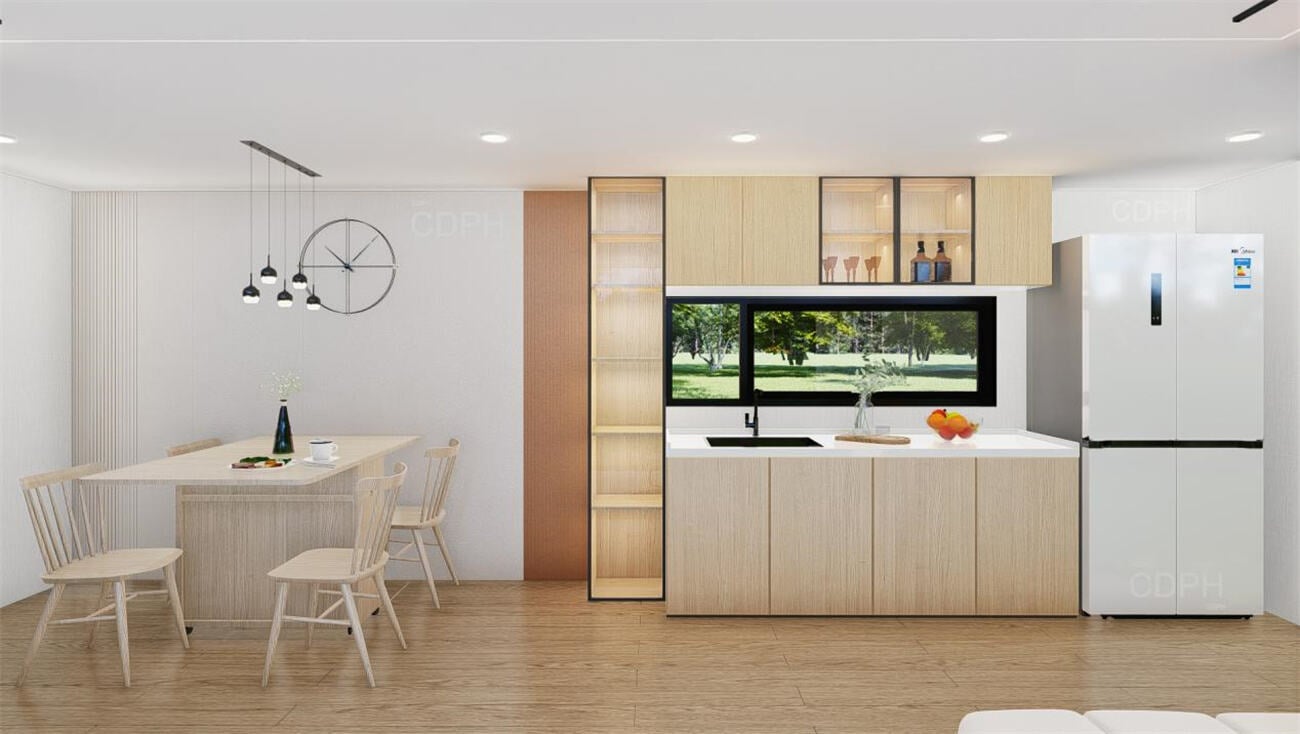
Design Evolution of Luxury Modular Homes
From Industrial Simplicity to Architectural Distinction
The luxury modular construction industry has changed dramatically over time, moving away from those basic industrial looking boxes to something much more architecturally interesting. Back in the day, most modular homes were all about getting the job done rather than looking good, resulting in pretty boring square shapes with little room for personal touches. But things have gotten better lately thanks to improvements in engineering technology. Now we see buildings with complicated shapes, parts that stick out in surprising ways, and designs that actually respond to their surroundings instead of just sitting there like generic boxes. People want their homes to stand out these days, not look like everyone else's house down the street. High end companies are stepping up to meet this demand by creating completely customized floor plans, special exterior designs, and structural features that can hold their own against regular stick built houses when it comes to both looks and strength.
Dominant Aesthetic Styles: Modern, Farmhouse, and Transitional Luxury
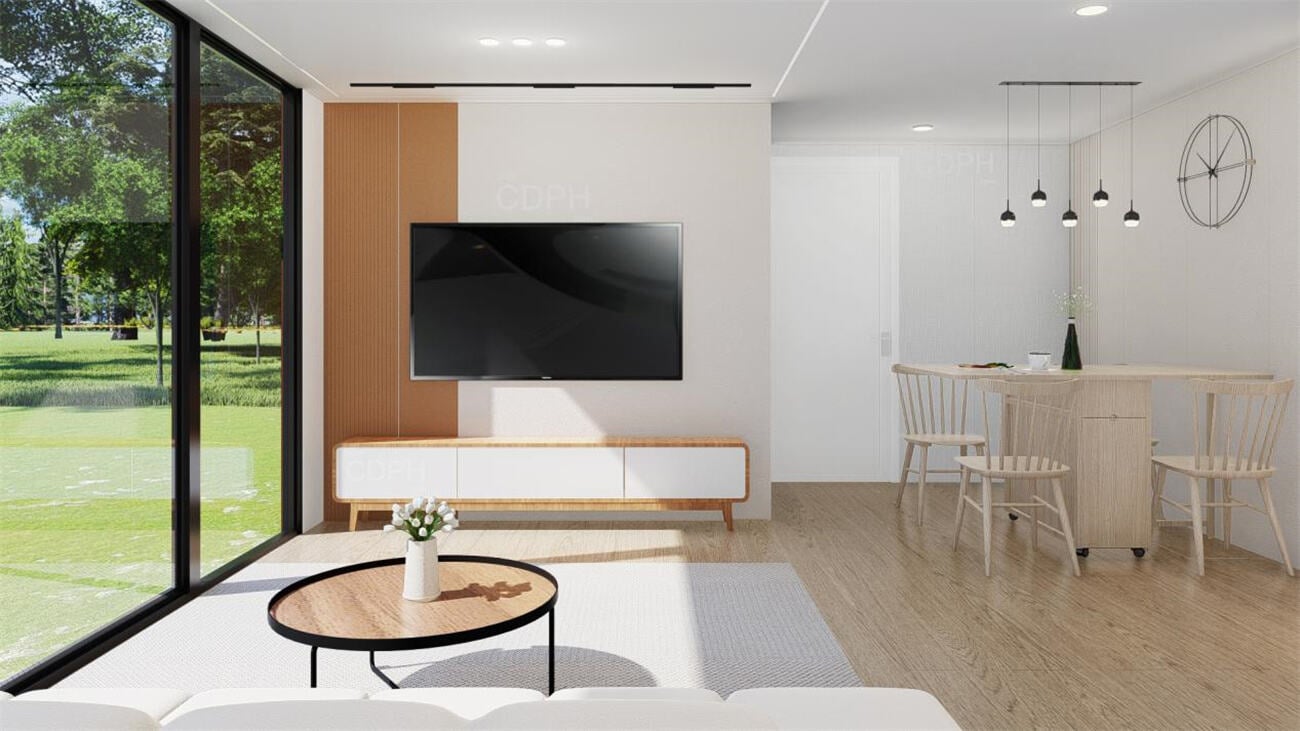
The luxury modular market today has three main looks, each offering high-end living but with different design approaches. For modern homes, think clean lines, simple color schemes, and those big open spaces where walls of glass basically erase the line between inside and outside. Then there are farmhouse style homes that take traditional country looks and dress them up nicely. These often feature board and batten exteriors, nice big front porches, and fancy details such as hand scraped hardwood flooring. Transitional luxury sits somewhere in between, mixing materials in interesting ways quartz countertops next to old wood beams, or sleek black fixtures sitting alongside warm wooden trim. The result? Spaces that feel both up to date and comfortably familiar at the same time. What all this shows is that building with modules doesn't limit what people can do aesthetically anymore. If anything, it gives designers even more creative freedom than before.
Signature Luxury Elements: Integrated Lighting, Statement Fixtures, and Textured Wall Systems
Luxury in modular homes isn't really about size so much as it is about those little touches that make spaces feel real and lived in. Lighting gets built right into the factory process these days. We're talking about things like hidden LED strips along floors, soft lighting underneath cabinets, and whole rooms where the mood can be changed at will. The big statement pieces? They're practically works of art themselves. Think massive chandeliers hanging in those high entryways, kitchen islands topped with forged iron hoods that look straight out of a museum, or beautiful wall sconces next to standalone bathtubs that could double as sculptures. Walls aren't just flat surfaces anymore either. Some folks go for that old world Venetian plaster look, others prefer simple shiplap accents, while many opt for natural stone running all the way from floor to ceiling. All these different elements come together to create spaces that actually feel like somewhere people want to spend time. Factory building doesn't mean sacrificing style; it actually makes it easier to get those fine details just right across every unit.
Market Performance and Resale Strength of Luxury Modular Homes
Demand Growth: NAHB and Prefab Leadership Group Data (2023–2024)
According to reports from the National Association of Home Builders and the Prefab Leadership Group, there has been a pretty big jump in people wanting luxury modular homes. We're talking about a 28% increase just from 2023 to 2024 alone, which beats what we see in regular high end construction. Why? Well, there are actually three main reasons why this trend is picking up steam so fast. First off, building times are way shorter for modular homes compared to traditional methods. Most folks can get their home built within 6 to 9 months instead of waiting around for 12 to 18 months. Second, customers can customize their dream house without worrying about delays or extra costs. And third, these homes lead the pack when it comes to being environmentally friendly. Many come ready for net zero energy consumption and have those official green certifications from reputable organizations. Take places like Colorado and Oregon where environmental awareness runs deep. Right now, about 15% of all new upscale housing projects in these areas are going modular. This shows not only what buyers want but also gives developers the green light to invest in this growing market segment.
Resale Parity Achieved: Performance vs. Site-Built Homes in 12 Top Metro Areas
Luxury modular homes have achieved full resale parity with site-built properties across 12 major metropolitan areas—including Austin, Seattle, Boston, Denver, and Portland—over a 36-month observation period. Appraisal data shows identical appreciation trajectories, supported by three key factors:
- Energy efficiency premiums: Net-zero-capable units command 7–9% valuation premiums
- Construction quality perception: 92% of certified residential appraisers rate factory-built structural and finish standards as “superior” in durability and consistency testing
- Market normalization: Improved MLS categorization and lender education have eliminated historical valuation gaps
This parity confirms that luxury modular homes deliver equivalent long-term asset security—while offering faster occupancy, lower carrying costs, and stronger builder warranty coverage than traditional alternatives.
Premium Interior Standards Defining Luxury Modular Homes
High-End Finishes: Taupe Cabinetry, Artisan Ceramic Tile, Stained Wood Accents, and Ceramic-Look Flooring
Luxury modular interiors today can actually stand up to custom built homes when it comes to materials used throughout the space. Taupe colored cabinets form a great base color for any room since they work well with both cool and warm color palettes while being tough enough to last years. The artisan made ceramic tiles bring real character to spaces like bathrooms and kitchens thanks to those unique glaze patterns applied by hand during production. Wood accents in various forms such as ceiling beams, wall mounted shelves, or built in storage units add that natural element everyone loves because of the way light plays across different grains and tones. For floors, ceramic looking options mimic expensive stones or hardwood but handle spills better too plus they don't squeak underfoot like traditional wood does. All these elements come together as part of a planned whole rather than random additions, which means everything looks connected and feels luxurious without breaking down over time.
Investment Rationale for Luxury Modular Homes
When it comes to luxury modular homes, there's real money to be made thanks to their ability to hold value, faster construction times, and ongoing cost savings. Look at 12 major metropolitan areas across the country, and we see that quality modular homes sell for exactly what similar site-built houses do these days, which really puts paid to old myths about them losing value quickly. Building happens in factories where bad weather doesn't stop work, crews aren't wasting time, and materials don't just get tossed away. This means construction costs drop somewhere between 10% and 20% on average compared to traditional methods. These homes also come packed with energy saving stuff like better insulation, triple glazed windows, and intelligent heating systems, cutting monthly bills by around 30% over years. The best part? Most people want to personalize their space while it's still being built in the factory. About four out of five buyers add fancy touches like handcrafted tiles, complete smart home setups, and high end appliances without dealing with those frustrating last minute changes and scheduling nightmares that plague regular construction projects. As more environmentally aware consumers, folks working remotely, and city developers looking to fill gaps in urban spaces seek quick builds and green solutions, luxury modular homes are becoming something special beyond just beautiful living spaces they represent solid investments that maintain their worth and offer good returns down the road.
FAQ
What are modular homes?
Modular homes are prefabricated buildings that are manufactured in sections and then assembled on site. They offer various customization options and can be designed to be as luxurious and unique as traditional site-built homes.
How do luxury modular homes differ from traditional modular homes?
Luxury modular homes often incorporate high-end finishes, architectural detailing, and premium materials to create spaces that are distinct and stand out. They also offer fully customizable options for design, layout, and finishes that compete with traditional site-built homes.
Are modular homes a good investment?
Yes, luxury modular homes can be a sound investment. They often have faster build times, can command premium resale values, and benefit from strong growth trends, especially in areas focusing on sustainable and quick housing solutions.
Can modular homes have a personalized design?
Absolutely, most manufacturers offer a wide array of customization options allowing homeowners to design their home from the ground up, ensuring each modular home is unique to the owner's vision.