EN
EN

What 'Modular Prefab Homes' Really Means: Terminology, Nuance, and Industry Reality
Why 'modular prefab' is a misnomer—and how marketers, builders, and buyers conflate terms
Calling something a "modular prefab home" feels redundant, kind of like referring to an "SUV car." After all, modular building is already a form of prefabrication. Marketing folks tend to throw both words together to sound innovative and modern, but this actually hides important differences between construction methods. Contractors will often slap the label "prefab" on anything built off site, whereas most homebuyers don't really grasp what these specific building approaches mean for things like local building codes, mortgage options, or how much the house might be worth down the road. When people get confused about these details, problems pop up later with project schedules, getting approved for loans, insurance coverage, and even selling the property later. To clarify, modular homes represent just one segment within the larger world of prefabricated housing. Other types exist too, including panelized systems, manufactured homes, and kit houses, each with their own rules and market dynamics that matter when making purchasing decisions.
Key distinctions: modular vs. prefab vs. manufactured vs. panelized—by code, financing, and delivery method
Clear differentiation rests on three pillars: regulatory standards, financing structures, and assembly workflows:
| Type | Building Code | Financing | Delivery Method |
|---|---|---|---|
| Modular | IRC (site-built standard) | Conventional mortgage | Factory-completed 3D modules |
| Panelized | IRC | Mortgage | Flat-pack wall/roof panels |
| Manufactured | HUD Code | Personal property loan | Chassis-transported unit |
| Prefab (umbrella term) | Varies by subtype | Varies | Any factory-built component |
Modular housing needs permanent foundations just like regular houses do. They also stick to the same International Residential Code standards, so they're safe, last long, and have good value when appraised. Things work differently for manufactured homes though. These follow HUD Code rules at the federal level, allowing for transportable frames and temporary bases. Because of this setup, many places treat them as personal property instead of real estate. Panelized construction is another approach that uses code-approved parts but takes more skilled workers during installation. When it comes to getting money for these different types, there's a big difference. Modular homes can get standard home loans while manufactured ones usually need special financing options because they're classified as movable assets with certain title limitations.
How Modular Prefab Homes Are Built: Process, Regulation, and Hybrid Innovation
Factory-built modules vs. site-assembled prefab components: divergent workflows and quality control implications
Modular construction basically works with big 3D building blocks made completely inside temperature-controlled factory settings. These modules come already framed out, insulated, with all the electrical and plumbing roughed in, drywall installed, and sometimes even finished surfaces added. What makes this method so good is that it allows for precise engineering work, uses automated machinery throughout production, includes regular quality checks at different stages, and keeps materials handled consistently from start to finish. All this helps cut down on mistakes and gets rid of those frustrating weather delays that plague traditional building sites. The American Institute of Architects has found that working in such controlled conditions can slash material waste by anywhere between 12% and 20% compared to standard construction practices. On the flip side, there are also site-assembled prefabricated options like panelized systems or hybrids where manufacturers send pre-cut parts to be put together on location. Although these methods do save time over conventional stick building techniques, they bring back some of the old problems including sensitivity to bad weather, complicated coordination efforts, and needing more on-site oversight just to keep things up to standard quality expectations.
Regulatory landscape: IRC compliance for modular prefab homes versus HUD Code (manufactured) and state-specific prefab allowances
Like traditional houses built on site, modular homes need to follow the International Residential Code (IRC). That means they require proper foundations, get approval from local zoning authorities, and go through the same checks by city building inspectors. When everything lines up with these standards, it opens doors to regular bank loans, better property valuations, and easier acceptance when placing them in established communities. Manufactured homes work differently though since they're governed by HUD regulations at the federal level. These don't require permanent foundations and come with their own set of paperwork and financing hurdles. State laws also play a big role in what works where. For instance, California speeds things along for panelized construction methods, but New York wants strict third party certifications completed before any permits will be issued. Smart builders check all these requirements upfront because skipping steps can lead to serious problems down the road insurance companies might refuse coverage, permits could get denied, and banks often won't approve mortgages for non compliant projects.
Proven Advantages of Modular Prefab Homes: Speed, Cost Efficiency, and Sustainability
Accelerated Timelines: 30–50% Faster Completion vs. Stick-Built—Driven by Parallel Factory/Site Work
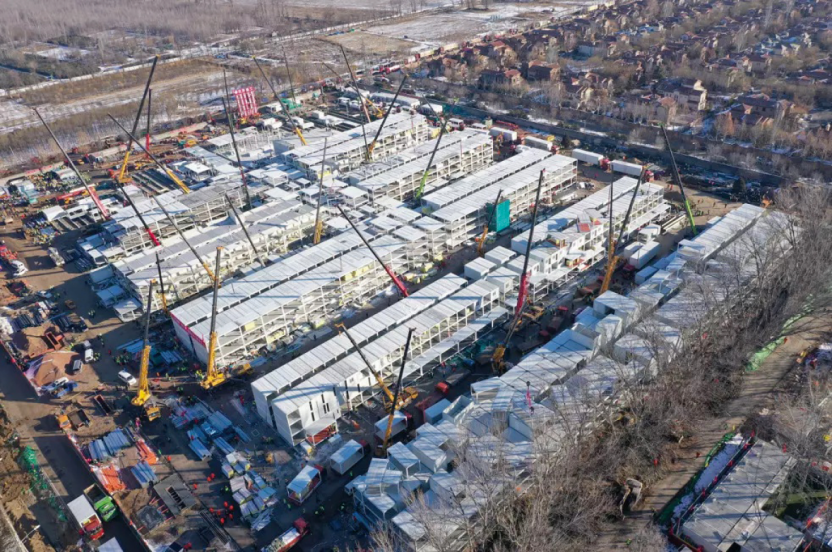
Modular homes can be ready for people to move into within just 3 to 6 months, which is about 30 to 50 percent quicker compared to regular construction methods. The reason behind this lies in separating what happens at the factory from getting the building site ready. While workers are putting together the home parts in controlled conditions, crews on site handle things like laying down foundations, connecting utilities, and leveling the ground all at once. This overlapping approach really cuts down on time wasted waiting for one thing after another. Factory assembly doesn't stop when it rains or snows outside, nor does it get held back by worker availability issues, making timelines much more predictable. For anyone trying to tackle urgent housing needs whether they're property developers facing shortages, city officials starting new affordable housing projects, or simply families who need somewhere to live quickly this kind of accelerated timeline makes all the difference.
Economic and Environmental Upside: 12–20% Less Material Waste and Up to 25% Lower Embodied Carbon
When it comes to building materials, precision cutting in factories, buying in bulk, and following standard procedures actually saves quite a bit. Studies show this approach cuts down on wasted materials somewhere between 12% and 20%, while also bringing down overall construction expenses by about 20% to 30% when compared with traditional on-site methods. According to an analysis published by the American Institute of Architects back in 2022, there's another big plus point here too. Modular housing designs manage to slash what we call 'embodied carbon' by as much as 25%. Why? Because they make better use of materials right from the start, require fewer trips transporting stuff around, and generally need less fixing later on. And here's something important many people overlook: despite all these savings, the quality doesn't suffer at all. These modular buildings stand up just fine against industry standards for how well they handle weight loads, resist fires, and maintain good energy performance levels.
Design Flexibility and Quality Assurance in Modern Modular Prefab Homes
Today's modular prefabricated homes come with lots of design flexibility. They can have open spaces inside, go up multiple stories, feature unique exteriors, and include energy efficient building envelopes. Home buyers actually get to pick different module arrangements that allow them to expand later if needed, create separate living areas like ADUs, or modify their space as they age—all while keeping the overall look consistent throughout the house. When built in factories, there's much better control over quality during construction. The modules are engineered with care in controlled environments where temperature is regulated, so problems like water damage, inconsistent insulation between materials, and mistakes made by workers on site just don't happen as often. According to research from NAHB, this standardized approach cuts down on defects at construction sites by about 40% compared to regular building methods. That means these homes generally perform well when tested against industry standards for strength, how tightly sealed they are against drafts, and how durable they remain over many years.
FAQ
What is a modular prefab home?
A modular prefab home is a type of prefabricated home where modules are constructed in a factory and then assembled on-site. Unlike manufactured homes, they meet the same building codes as traditional homes.
How do modular homes compare to manufactured homes?
Modular homes are constructed to the International Residential Code (IRC) with permanent foundations, offering similar mortgage options to traditional homes. Manufactured homes are built to HUD Code standards, often seen as personal property, with specialized financing options.
Are modular homes more sustainable?
Yes, modular homes typically result in less material waste and may exhibit lower embodied carbon emissions compared to traditional construction methods, making them a more sustainable option.
What financing options are available for modular homes?
Modular homes are generally eligible for conventional mortgage financing, similar to site-built homes, due to their compliance with standard building codes.
Table of Contents
- What 'Modular Prefab Homes' Really Means: Terminology, Nuance, and Industry Reality
- How Modular Prefab Homes Are Built: Process, Regulation, and Hybrid Innovation
- Proven Advantages of Modular Prefab Homes: Speed, Cost Efficiency, and Sustainability
- Design Flexibility and Quality Assurance in Modern Modular Prefab Homes
- FAQ