EN
EN

Understanding Prefab Home Prices: Base Cost vs. True Total Investment
What’s included (and excluded) in advertised prefab homes for sale prices
Advertised prices for prefab homes for sale reflect only the factory-built structure—not move-in readiness. Key exclusions include:
- Site preparation (land clearing, grading: $20,000–$50,000+)
- Foundation installation ($6,000–$30,000+)
- Utility connections (water, sewer, electricity: $6,500–$30,000+)
- Permits and inspection fees ($1,500–$7,500)
- Interior finishes ($30–$60 per sq ft)
These hidden costs routinely increase total investment by 20%–35% beyond the base price, per industry analyses from the National Association of Home Builders (NAHB) and Modular Building Institute (MBI). Smart buyers request itemized quotes—preferably with standardized cost breakdowns—to avoid budget surprises.
Cost-per-square-foot benchmarks across entry-level, mid-tier, and premium prefab homes for sale
Prefab home prices vary significantly by quality tier, construction method, and regional labor rates. Current benchmarks reflect real-world project data from MBI’s 2023 Cost Report and HUD-certified modular builders:
| Tier | Cost per Sq Ft | Typical Features |
|---|---|---|
| Entry-Level | $80–$120 | Basic finishes, standardized layouts |
| Mid-Tier | $120–$200 | Energy-efficient windows, HVAC, and customizable floor plans |
| Premium | $200–$350+ | Structural insulated panels (SIPs), luxury millwork, architectural detailing |
Modular builds average $120–$250/sq ft; panelized kits start near $100,000 for 1,000 sq ft. Note that land acquisition—often the largest variable—is not reflected in these benchmarks and can range from $50,000 (rural) to $200,000+ (urban or restricted zones).
Hidden Costs That Define Real Affordability of Prefab Homes for Sale
Site-specific expenses: land, zoning, foundation, utility hookups, and permitting
Buying land usually ends up being the biggest expense when building a house, something most real estate listings just don't mention. Local zoning laws can be real roadblocks too, sometimes banning prefabricated homes entirely or making builders jump through hoops with variance applications that run anywhere from three to fifteen grand. The kind of foundation chosen makes a huge difference in both money spent and time taken. Slab foundations start around twenty thousand dollars while digging out a full basement in tough soil conditions easily pushes past fifty thousand bucks. Getting utilities hooked up adds another layer of complication. Pulling power lines typically costs about ten thousand on average, but installing septic tanks and drilling wells often hits thirty thousand mark. Permitting fees eat into budgets too, taking between five to ten percent overall. Things get even pricier in special areas like coastlines, mountainsides, or historic neighborhoods where fees go up and approvals take forever. All these location dependent factors tend to push final prices upward by roughly twenty to thirty five percent beyond what people expect to pay for the actual house itself according to industry trends we've seen lately.
Assembly, transportation, and final inspections — why turnkey isn’t always turnkey
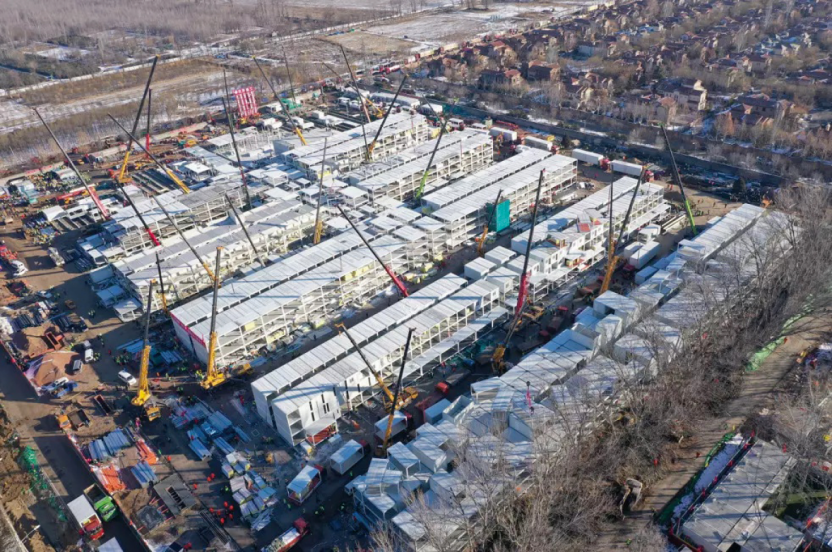
The term "turnkey" gets thrown around a lot but it's basically meaningless unless someone actually writes down what it includes. When it comes to getting stuff moved, transportation costs generally range from about $5 to $15 per mile. For something going across country, expect to shell out anywhere from $15k to $30k extra. Renting cranes to put modules where they need to go typically runs between $2k and $5k each day. Labor costs for putting things together on site average around $50 an hour when working with properly certified crews. Most final inspections tend to find problems with code compliance issues, especially when looking at energy efficiency standards like IECC 2021 requirements, proper drainage systems, or fire rated construction elements. Fixing these issues usually ends up costing somewhere between $1k and $10k. And let's not forget about unexpected weather causing delays which might require paying for temporary housing solutions or storage space while waiting for better conditions. No matter how detailed the planning, keeping 10 to 20 percent extra money set aside isn't just smart, it's absolutely necessary for anyone trying to stay within budget reality.
Prefab Homes for Sale vs. Alternatives: Modular, Manufactured, and Site-Built Cost Comparison
Looking at prefab homes compared to modular, manufactured, or those built right on site means balancing price against how long they'll last, whether banks will finance them, and what they're worth down the road. Prefab homes made in factories typically save around 10 to 20 percent over regular site-built houses because workers aren't dealing with rain delays and materials come cheaper when bought in bulk. The Market Business Intelligence report from last year backs this up. Modular homes work similarly but usually cost 5 to 15 percent more since buyers want to tweak designs while still passing all the local building regulations. Manufactured homes certified under HUD standards have the cheapest initial price tag, about half what traditional builders charge per square foot. However, getting a loan for these can be harder, warranties tend to expire faster, and there are issues with foundations that hurt resale values later. Regular site-built homes stay the priciest choice overall. Construction gets hit by bad weather, subcontractors showing up late, and unexpected changes requested by homeowners, which adds another 10 to 30 percent to the bottom line. And here's something important about prefab savings disappearing fast: moving stuff to remote areas really drives up transport and crane fees. What looks like a good deal on paper often turns into paying more in reality if nobody plans for these extra costs ahead of time.
Smart Budgeting Strategies When Evaluating Prefab Homes for Sale
How to read listings critically: decoding marketing language and requesting full cost disclosures
Marketing language like “starting at” or “base price” almost always excludes site prep (20–50% of total budget), utility hookups ($5,000–$30,000), and permits ($1,500–$7,500). Scrutinize listings for three red flags:
- Material exclusions: Flooring, HVAC, or plumbing fixtures labeled “optional”
- Delivery assumptions: Surcharge thresholds often begin beyond 50 miles
- Foundation ambiguity: Slab vs. basement cost variance exceeds 300%
Reputable manufacturers provide standardized, line-item cost disclosures. Look for transparency like this:
| Cost Component | Entry-Level Range | Premium Range |
|---|---|---|
| Site Prep | $15,000–$40,000 | $50,000–$150,000 |
| Utility Hookups | $5,000–$15,000 | $20,000–$50,000 |
| Permits | $2,000–$8,000 | $10,000–$25,000 |
If a builder resists sharing this level of detail, consider it a strong signal to explore alternatives.
Choosing between frame-only, partial-turnkey, and full-turnkey delivery models
Your risk tolerance and project timeline should drive model selection—not just upfront price:
- Frame-only (15–30% savings): You manage foundation, utilities, and interior finishes. Best for experienced DIYers or those with trusted general contractors—but adds 6–12 months and significant coordination burden.
- Partial-turnkey: Factory delivers and sets structural shell, core mechanicals, and roofing. You handle flooring, fixtures, and trim. Offers balance: 4–8 month timelines with moderate control.
- Full-turnkey: Includes foundation, utility tie-ins, landscaping, and final municipal sign-off. Costs 20–40% more but eliminates subcontractor delays and scope gaps—especially valuable in remote or high-regulation areas.
Verify warranty alignment: Frame-only requires you to secure structural and weatherproofing coverage separately; full-turnkey should include comprehensive, transferable warranties covering assembly integrity and code compliance.
FAQ
What are the hidden costs of prefab homes?
Hidden costs can include site preparation, utility connections, permits, interior finishes, transportation, assembly, and final inspections, often adding 20-35% over the base factory-built price.
How do prefab homes compare in cost to traditional homes?
Prefab homes typically save 10-20% compared to site-built homes but may incur additional costs for transportation and site-specific factors.
What should I watch for in prefab home listings?
Be wary of marketing terms like “starting at”, as these often exclude additional expenses like site prep. Look for full cost disclosures to understand the true investment required.
Table of Contents
- Understanding Prefab Home Prices: Base Cost vs. True Total Investment
- Hidden Costs That Define Real Affordability of Prefab Homes for Sale
- Prefab Homes for Sale vs. Alternatives: Modular, Manufactured, and Site-Built Cost Comparison
- Smart Budgeting Strategies When Evaluating Prefab Homes for Sale
- FAQ