EN
EN

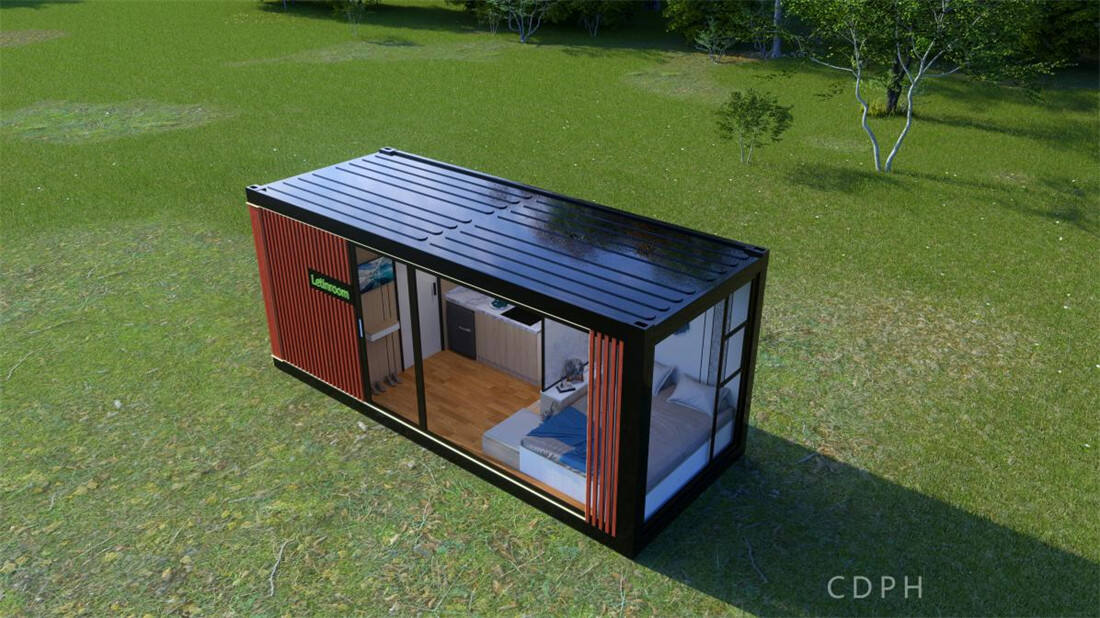
What Are Prefab Cabins? Definitions, Types, and Key Distinctions
Prefabricated Construction Explained: Off-Site Building Methods
Prefab cabins start as buildings made in factories where conditions can be controlled, then they get shipped out to wherever they need to go for putting together. Unlike regular construction that happens right at the building site with everything built from scratch there, this factory first method comes with real benefits. Quality tends to be better because things are made under consistent conditions. Projects finish quicker too maybe even half the time compared to traditional methods. Weather doesn't stop production either since it's all happening indoors. And there's way less wasted materials when things are cut and assembled properly in the factory rather than on site. The whole process makes budgeting easier for most projects while helping reach green building targets through smarter use of resources and causing far less mess during installation.
Modular, Panelized, Kit, and Container-Based Prefab Cabins Compared
Four primary prefab cabin types dominate the market, each with distinct assembly methods, transport logistics, and design flexibility:
| Type | Construction Method | Transport Format | Customization Flexibility |
|---|---|---|---|
| Modular | Complete volumetric sections | 3D modules | Medium (module stacking) |
| Panelized | Pre-assembled wall/roof panels | Flat-packed components | High (panel configuration) |
| Kit | Pre-cut materials with instructions | Packaged bundles | Very High (owner-driven) |
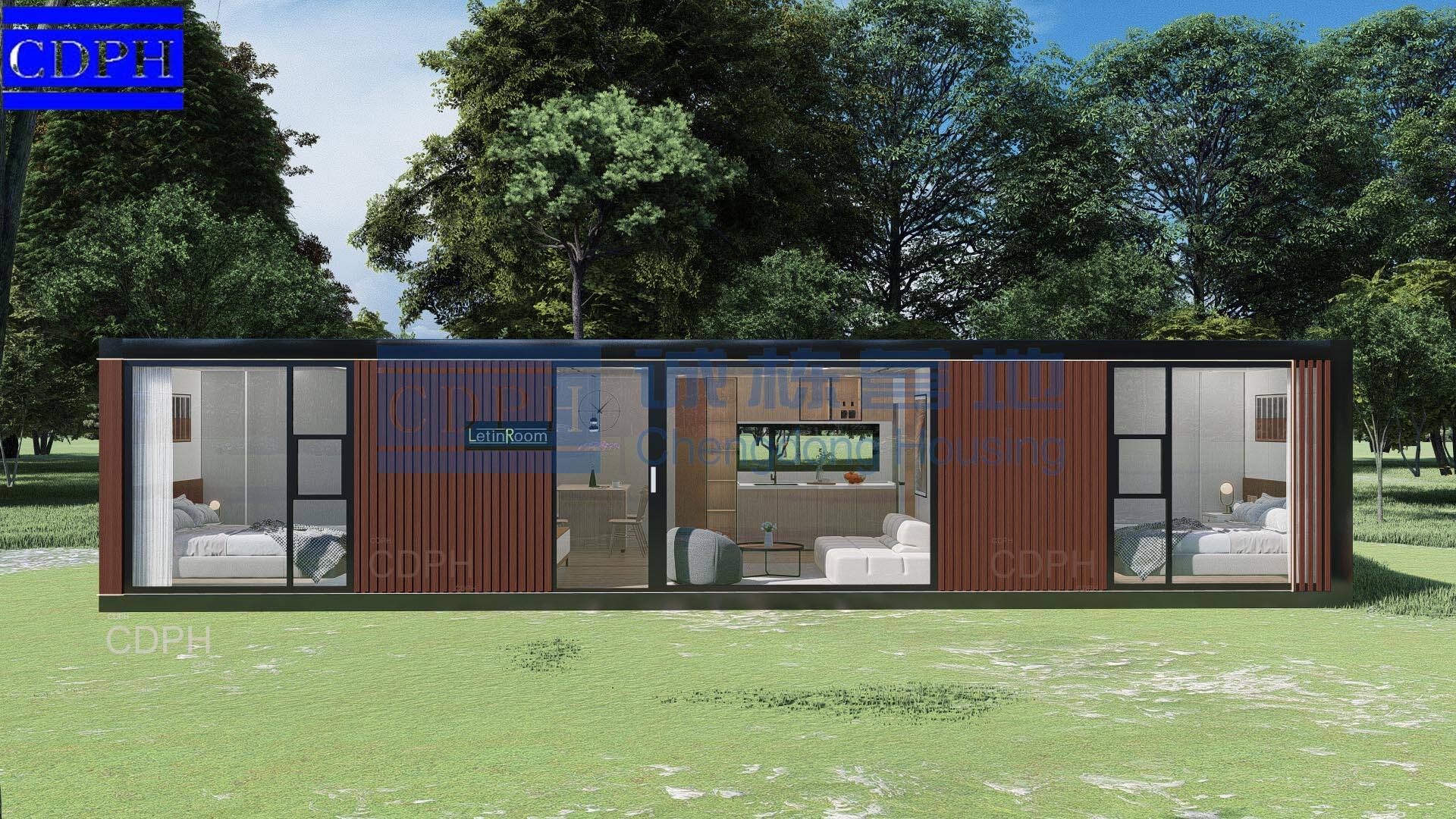
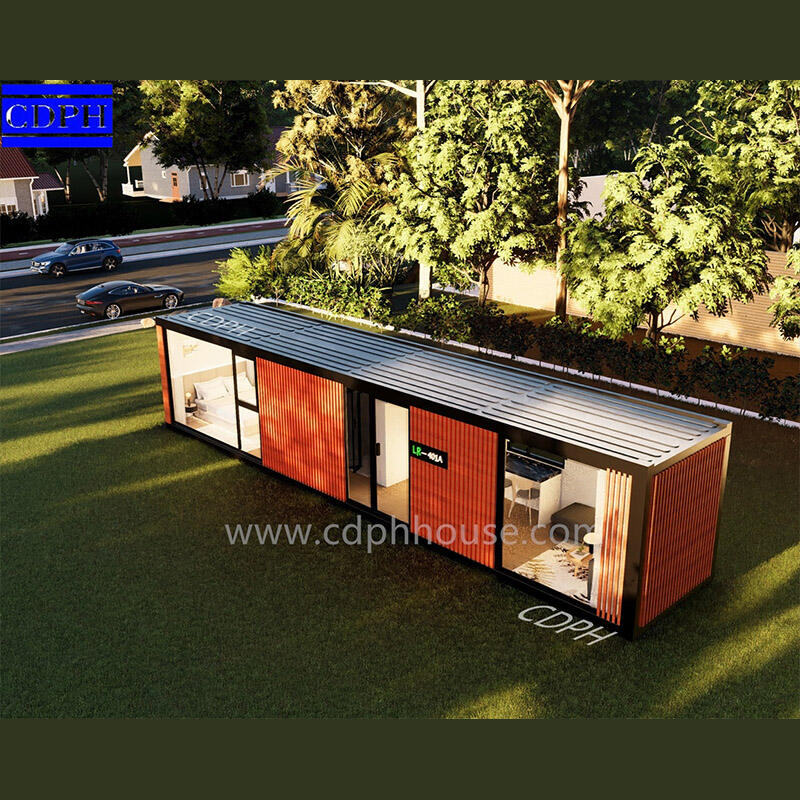
| Container | Modified containers | Intact metal structures | Low (structural limits) |
When it comes to building alternatives, modular units provide complete packages but they do need cranes for installation. Panelized systems strike a nice middle ground between quick assembly and flexibility for changes later on. Kit based cabins are great for folks who know what they're doing with tools, though these projects definitely call for some serious building skills. Container conversions take advantage of those tough steel frames from containers, but people often run into problems with space limitations and getting permits approved. As far as foundations go, things get pretty different across the board. Most modular homes want solid permanent bases, whereas panelized setups and kits can usually get away with just simple piers or even basic slabs laid directly on the ground. This makes a big difference in cost and complexity depending on what kind of project someone wants to tackle.
Why Choose Prefab Cabins? Benefits, Limitations, and Real-World Trade-Offs
Cost Efficiency, Build Speed, and Environmental Advantages
When it comes to saving money on labor, prefab cabins typically cut costs between 15% and 25% compared to regular construction methods. Factory built components mean better quality control, plus buying materials in bulk saves cash. What's really impressive is how much less waste there is too - around 30% less than what happens during traditional building according to recent industry data from 2023. Another big advantage? Since most of the work happens indoors, crews can prepare the actual building site at the same time without waiting for good weather conditions. This usually cuts down project timelines anywhere from 40% to almost two thirds faster than standard construction projects. From an environmental standpoint, these prefabricated structures often come with great insulation thanks to structural insulated panels, energy efficient windows that keep heating bills low, and electrical systems ready for solar panel installation later on. All these features help reduce energy consumption over time and meet various green building certifications such as ENERGY STAR and LEED standards.
Common Challenges: Design Flexibility, Financing, and Resale Perception
Prefab cabins definitely have their advantages but come with some genuine compromises too. When it comes to design flexibility, most prefab options are limited because they rely on standard module sizes and factory equipment. Modular and container-style homes especially struggle to match the unique character of completely custom built structures. Getting financing isn't easy either. Around two thirds of banks actually provide construction loans for these prefabricated units, yet many still treat them as personal property instead of real estate. That means buyers often need to put down 20 to 25 percent upfront money and face tougher credit requirements. The good news is today's prefab cabins generally meet or beat building code standards for both structure and energy efficiency. However, some people still view them differently in the market, which might slow down resales initially. But according to recent research from NAHB in 2023, there really isn't much difference in value loss over time if all the necessary paperwork proving compliance is properly maintained. And let's not forget about location issues either. If someone wants to build on a hillside or somewhere far off the beaten path, expect to pay an extra 10 to 15 percent for foundations and transporting materials to the site.
Buying Prefab Cabins: Site, Compliance, and Acquisition Essentials
Land Suitability, Zoning Laws, Permits, and Foundation Requirements
Choosing land for a prefab home starts with checking local zoning laws since many places have specific rules about these types of structures. About 40 percent of U.S. counties actually set minimum size requirements for homes, typically around 600 square feet, while others ban prefabricated buildings completely. Site access matters too. If roads are too narrow or hillsides are steeper than 15%, special equipment might be needed, which can push delivery costs up anywhere from 15% to 30%. Testing soil conditions helps decide what kind of foundation works best. Ground that isn't stable usually needs those deep pier systems rather than regular concrete slabs. Getting permits takes different amounts of time depending on location. Coastal areas generally take about three months to approve everything compared to just one month for inland projects, plus most places want official engineering drawings stamped by professionals. Don't forget about utilities either. For properties not connected to city services, getting permission for septic tanks and drilling wells adds another $20k to $50k onto the overall budget, something many people overlook when planning their build.
Pricing Transparency, Financing Options, and Regional Cost Benchmarks
Good companies give detailed quotes that actually cover everything needed for the job including base structure costs, delivery fees, crane setup expenses, foundation work coordination, and help with permits—not those vague "starting at" numbers some folks throw around. When it comes to money matters, things work differently than regular home loans. Construction to permanent financing isn't really common anymore, so most people end up looking at FHA Title I loans instead. These had an average interest rate of about 5.2% last year according to FHFA reports, and they're one of the few choices available for adding green features like solar panels. Prices vary quite a bit depending on location because labor rates, transportation needs, and local regulations all factor in. Installations in the Pacific Northwest typically run between $180 and $220 per square foot, whereas similar work in the Midwest usually costs somewhere between $130 and $160 per square foot. Keep in mind that winter projects in areas with heavy snowfall often come with extra charges ranging from 12% to 18%. Don't forget to check what kind of warranty each company offers either. Most standard warranties include one year for labor and ten years for structural components, but it pays to look closely at what different contractors actually provide before making a decision.
Selecting a Reputable Prefab Cabin Provider: Due Diligence Checklist
Picking the right supplier needs careful checking to make sure everything meets standards, follows building codes, and actually delivers good value over time. Start looking at what goes into construction: ask for complete lists of materials used, get those third party inspection papers, check out structural certifications like IRC or HUD when dealing with modular units, and demand actual proof of insulation ratings instead of just what companies say on their websites. Also figure out how much freedom there is for changes. Panelized systems generally give more options for different layouts compared to standard modular builds. Anyone selling kits should be able to back up any custom tweaks owners want to make themselves. Location really affects costs too. Places far from main supply routes often end up paying around 15 to 20 percent extra for shipping and handling according to recent industry numbers from last year's modular housing reports.
Prioritize providers offering robust warranties: minimum 10-year structural coverage and 2–5 years on components like windows, roofing, and HVAC. Use this due diligence checklist to compare offers objectively:
| Due Diligence Factor | Critical Verification Points |
|---|---|
| Transparency | Itemized pricing breakdown (materials, delivery, permits) |
| Compliance | Zoning compatibility documentation and engineering stamps |
| Post-Sale Support | Response time guarantees for maintenance issues |
| Financial Stability | Business longevity (>5 years) and verifiable client references |
Finally, review customer feedback for patterns—not just star ratings. Top-tier manufacturers maintain ≤3% post-installation callback rates, assign dedicated project managers, and provide digital dashboards for real-time progress tracking.
FAQ
What are prefab cabins?
Prefab cabins are buildings constructed in a factory under controlled conditions and then transported to a designated site for assembly. This process offers benefits such as improved quality, faster completion times, and reduced waste.
What types of prefab cabins are available?
There are four main types of prefab cabins: modular, panelized, kit, and container-based. Each type has distinct construction methods, transport logistics, and design flexibility.
What are the cost and efficiency benefits of prefab cabins?
Prefab cabins generally cost 15% to 25% less in labor costs compared to traditional methods, reducing waste by approximately 30%. They also significantly cut down project timelines by 40% to two-thirds faster than conventional construction.
What are some challenges faced with prefab cabins?
Challenges include limited design flexibility, difficulties with financing, and challenges with resale perceptions. Additionally, site access and foundation requirements can add to complexity and costs.
What should be considered when selecting a prefab cabin provider?
When choosing a provider, ensure they offer transparency in pricing, compliance with zoning laws, robust warranties, and reliable post-sale support. Reviewing customer feedback is also important to evaluate their reputation and performance.