EN
EN

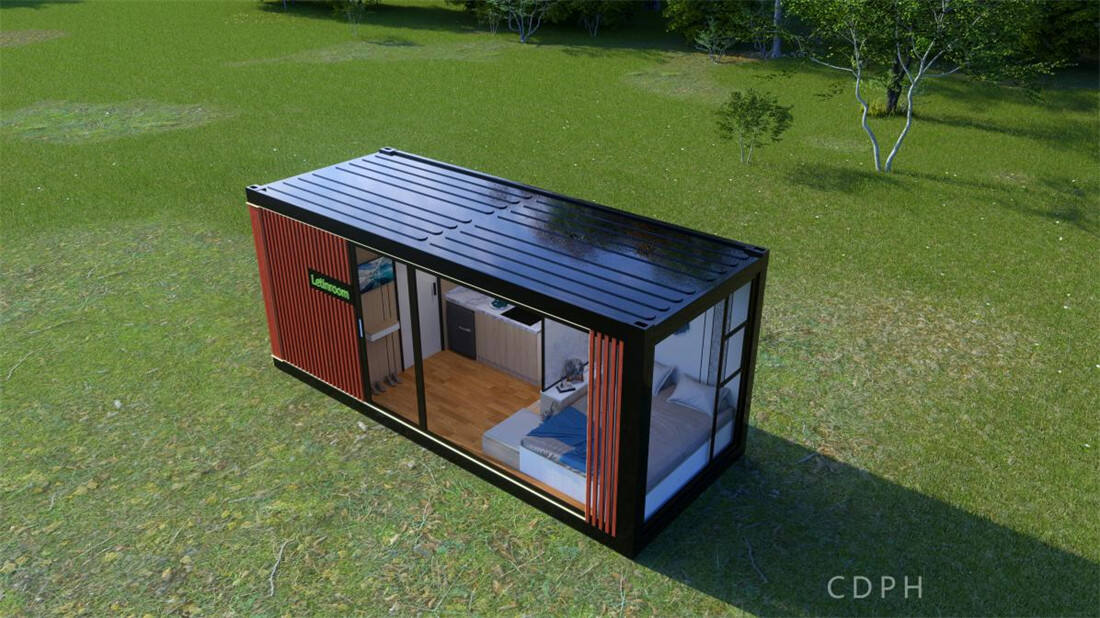
Why Prefab Tiny Homes Are Reshaping Affordable, Sustainable Housing
Prefabricated (prefab) tiny homes are revolutionizing housing by merging affordability with environmental responsibility. Factory construction slashes waste by 40% compared to traditional building methods (Hutter Architects 2024), while standardized processes cut labor costs by 30–50%—making homeownership accessible to budget-conscious buyers. These compact dwellings champion sustainable living through:
- Resource efficiency: Smaller footprints require fewer materials—e.g., 60% less lumber than standard homes
- Energy conservation: Integrated solar panels and high-efficiency insulation reduce energy consumption by up to 45%
- Eco-conscious materials: Common use of recycled steel and low-VOC finishes minimizes environmental impact
This dual focus positions prefab tiny homes as scalable solutions for urban housing shortages and carbon reduction goals—especially where land costs constrain traditional development. Their rapid deployment—often completed in weeks rather than months—further accelerates the shift toward attainable, low-impact communities.
How Prefab Tiny Homes Enable Intentional Minimalist Living
Design-Driven Behavior Change: Space Constraints That Cultivate Mindful Consumption
Prefab tiny homes inherently promote minimalist living through intentional design. Limited square footage—typically under 400 sq ft—forces residents to critically evaluate possessions. This spatial constraint triggers behavioral shifts:
- Reduced impulse purchases (68% report decreased spending)
- Adoption of multi-functional furniture (e.g., fold-down desks, convertible seating)
- Conscious energy use, driven by compact, responsive HVAC systems
By eliminating excess storage, these homes physically prevent clutter accumulation. A 2023 Well-Being Survey found tiny home owners report 42% less daily decision fatigue than traditional homeowners, as fewer possessions simplify routines.
Case Study: Portland Cohousing Project — Measuring Well-Being Before and After Prefab Tiny Home Transition
A 24-month study tracked 30 Portland residents transitioning from conventional apartments to a prefab tiny home community. Key findings:
| Metric | Pre-Transition | Post-Transition (18 Months) | Change |
|---|---|---|---|
| Monthly Expenses | $2,100 | $890 | -58% |
| Belongings Owned | 2,140 items | 510 items | -76% |
| Self-Reported Stress | 7.9/10 | 3.2/10 | -59% |
| Community Engagement | 1.4 hrs/week | 6.3 hrs/week | +350% |
People who live in these prefabricated tiny homes often mention how the smart layout design really pushes them toward buying only what they need. Getting rid of those extra rooms nobody ever uses, like fancy dining areas or spare bedrooms for guests, cuts down on all the work needed to keep everything clean and tidy. That leaves folks with way more free time to actually enjoy life instead of cleaning. After talking to many residents following our research period, we found that around 8 out of 10 say they now feel closer to what matters most in their lives because they have no choice but to figure out what's truly important versus just wanting stuff for show.
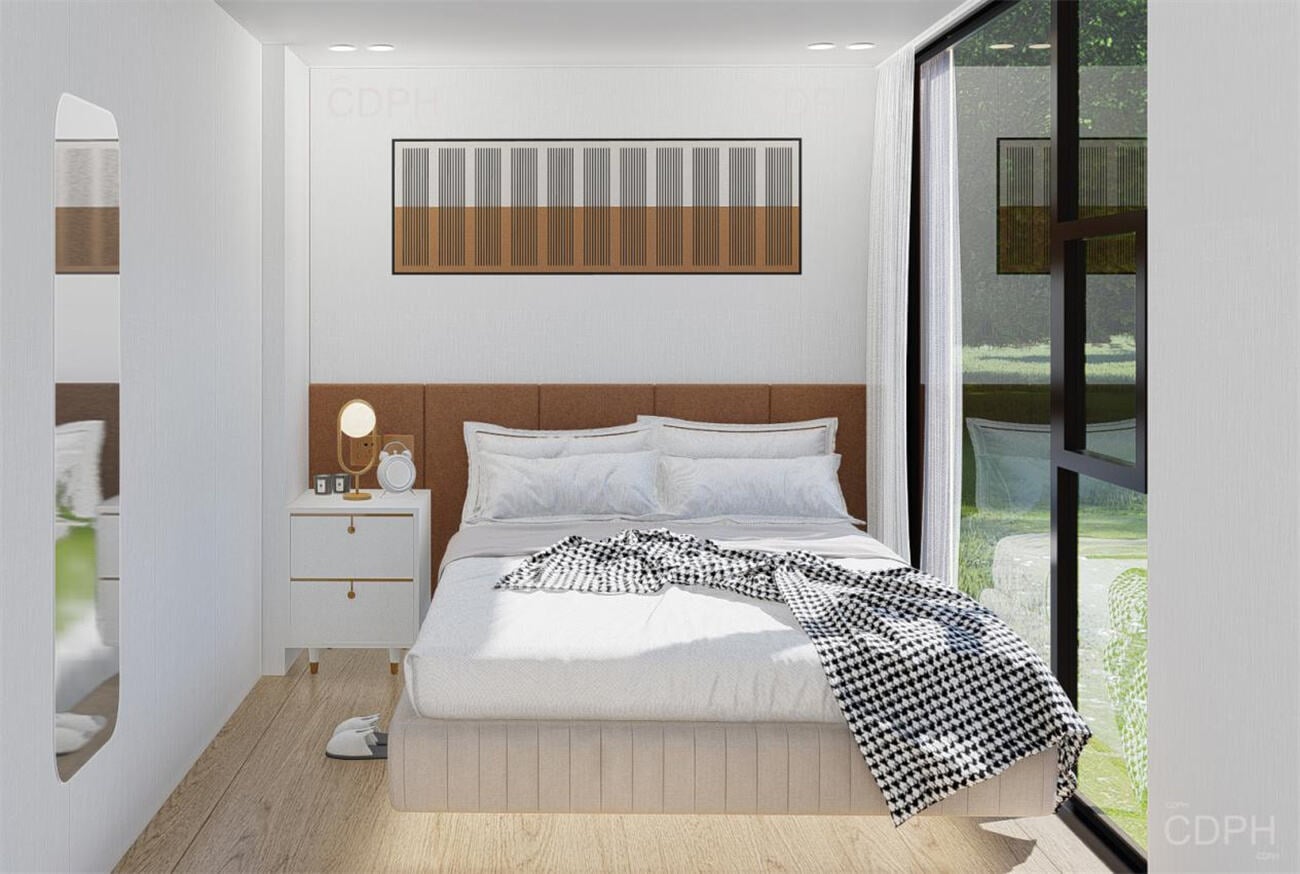
Innovation in Prefab Tiny Homes: Engineering Efficiency Without Sacrificing Livability
Tiny prefab homes are changing how we think about living in smaller spaces thanks to some pretty clever engineering tricks that pack a lot of function into tight quarters while still keeping things comfortable. The folks making these homes have started putting together modular components that tackle those big headaches of living in a small space like controlling temperature, getting enough outlets where they're needed, and finding places to store stuff without cluttering up every inch. What makes this work so well is how these innovations turn what seems like very little room into something that can actually adapt to different needs over time. People who go for this minimalist lifestyle aren't giving up their coffee makers or Wi-Fi just because they live in a smaller footprint.
Modular Breakthroughs: Multi-Zone Climate Control, Fold-Away Infrastructure, and Smart Storage Integration
The modular approach works really well when dealing with the tight spaces found in prefabricated tiny homes. For instance, having separate climate zones means folks can keep their sleeping loft at one temperature while the main living area stays comfortable at another. This setup actually cuts down on energy bills too, saving around 30% compared to older single-zone systems. Tiny homes also make great use of fold-away features that transform spaces quickly. Think retractable kitchen counters that disappear when not needed, or Murphy beds that tuck neatly into walls. Storage solutions are another game changer. Ceiling-mounted racks grab vertical space that would otherwise go unused, while those often forgotten spots under stairs get put to good use as well. According to some recent research published last year, these clever storage tricks manage to utilize almost 92% of all available space inside these compact dwellings.
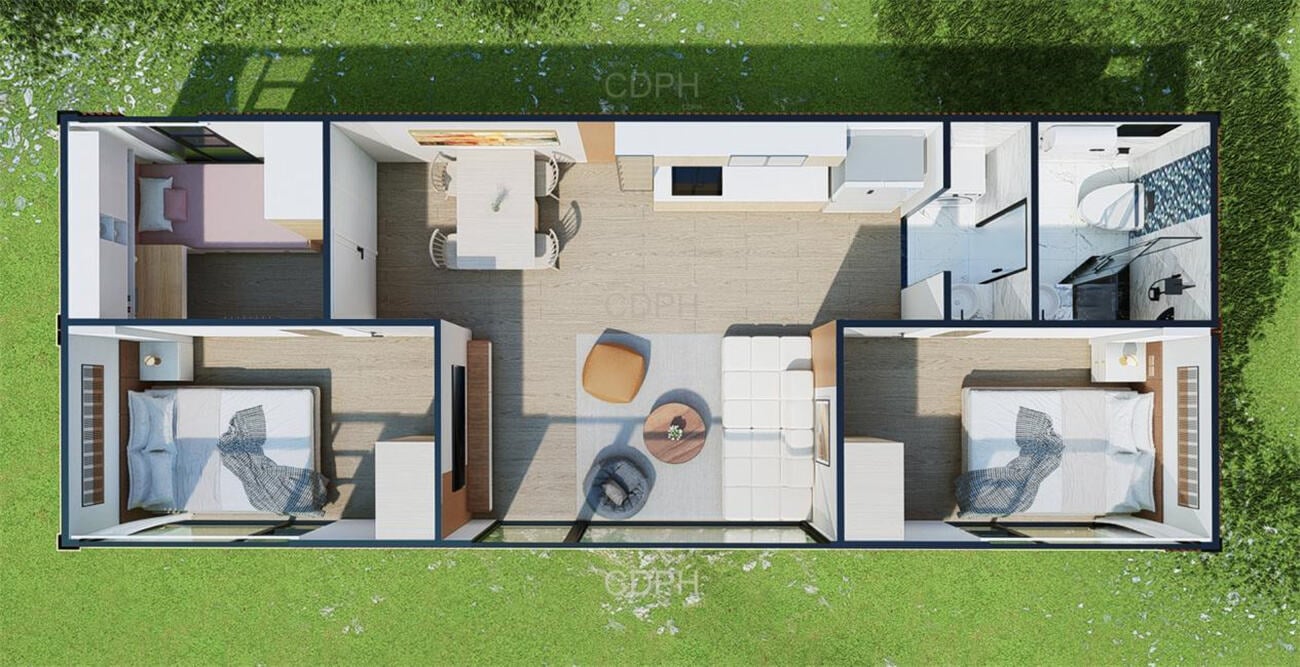
These factory-installed systems ensure precision while accelerating on-site assembly. Homeowners gain personalized layouts where every element serves multiple purposes: staircases contain drawers, seating hides storage, and partitions double as display shelves. This engineered efficiency demonstrates how prefab tiny homes deliver full-scale livability within minimalist footprints.
Prefab Tiny Homes vs. DIY Kits: Choosing the Right Entry Point for Minimalist Living
Cost, Timeline, and Skill Trade-Offs Between Turnkey Prefab Tiny Homes and Kit-Based Assembly
Prefab tiny homes offer a streamlined path to minimalist living with factory-built precision, eliminating structural uncertainties. Ready-to-occupy units range from $20,000 for basic models to $200,000+ for luxury designs (2025 Market Analysis) and arrive fully constructed in 8–12 weeks—requiring only foundation preparation.
Conversely, tiny house kits provide pre-cut materials and instructions but demand significant self-assembly. While kits reduce upfront costs by 15–30%, they necessitate:
- 100–300+ hours of skilled labor
- Construction tool investments (~$5,000)
- Permitting and inspection management
Most kit-based projects end up taking anywhere from six months all the way to eighteen months before completion. During this time, homeowners face problems like unexpected weather holding things up and mistakes in following building codes. Prefab tiny homes built under turnkey arrangements handle these issues differently. They come with proper engineering certifications and get installed by professionals who know what they're doing. That makes them much better suited for people who aren't builders themselves but want something ready when they move in. On the flip side, DIY kits work well for folks with construction experience looking to personalize every detail. For those short on time or wanting peace of mind about quality control, prefabricated options tend to be the smarter choice overall.
FAQs
What are prefab tiny homes?
Prefab tiny homes are compact living spaces that are prefabricated in factories and delivered as complete units or major components ready for assembly.
Why are prefab tiny homes considered sustainable?
They are built using efficient processes that minimize waste and energy use, employ eco-friendly materials such as recycled steel and low VOC finishes, and often incorporate renewable energy systems like solar panels.
How do prefab tiny homes support minimalist living?
With limited space, prefab tiny homes encourage residents to minimize possessions, opt for multi-functional furniture, and adopt mindful consumption habits.
What are the cost differences between prefab tiny homes and DIY kits?
Prefab homes cost more upfront but save time and reduce complexity, while DIY kits are cheaper initially but require significant time, skill, and labor to complete.
How quickly can a prefab tiny home be assembled compared to a DIY kit?
Prefab tiny homes can be fully constructed and ready in 8–12 weeks, whereas DIY kits may take six to eighteen months to assemble due to the need for skilled labor and potential delays.
Table of Contents
- Why Prefab Tiny Homes Are Reshaping Affordable, Sustainable Housing
- How Prefab Tiny Homes Enable Intentional Minimalist Living
- Innovation in Prefab Tiny Homes: Engineering Efficiency Without Sacrificing Livability
- Prefab Tiny Homes vs. DIY Kits: Choosing the Right Entry Point for Minimalist Living
- FAQs