EN
EN

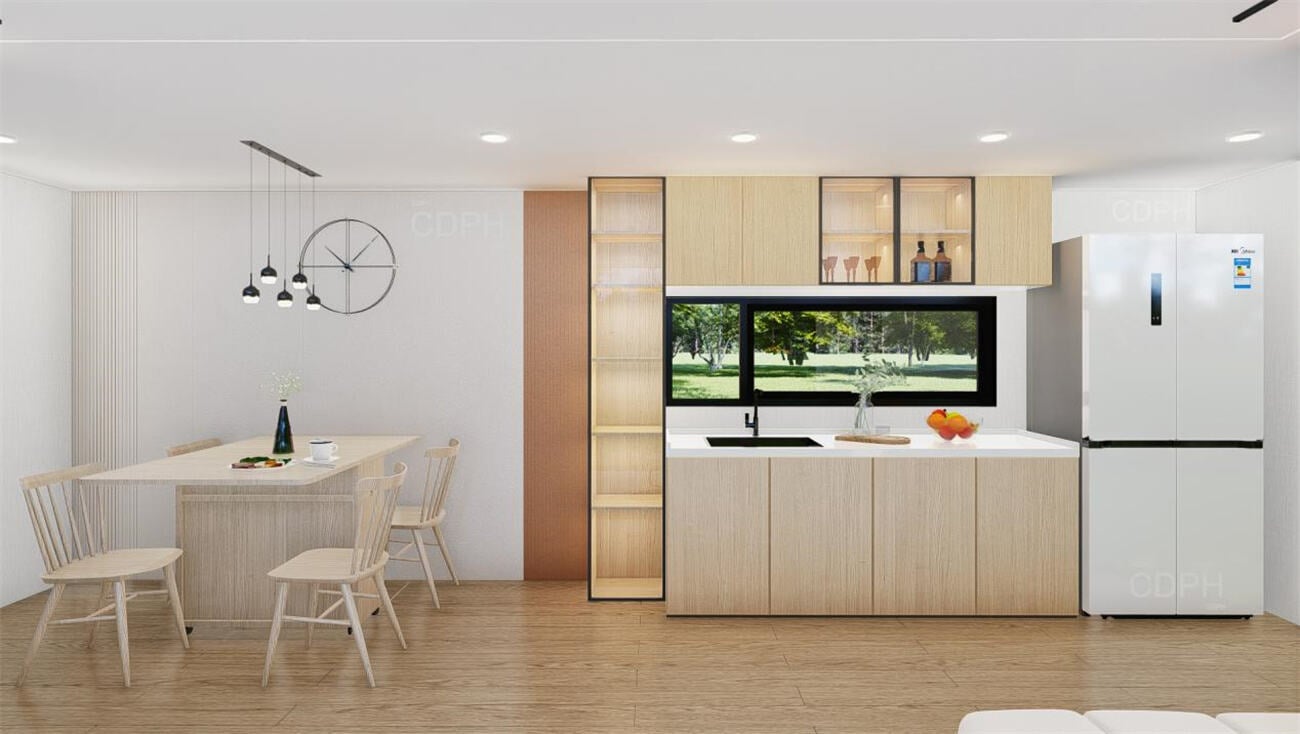
Cost-Effectiveness of Small Prefab Homes: Upfront Savings and Long-Term Value
Reduced Labor and Material Costs: How Factory-Built Small Prefab Homes Cut Expenses by 15–25%
Building small prefab homes in factories tends to save money consistently, usually around 15 to 25 percent cheaper than what gets built on actual construction sites. This happens because everything runs smoother there with precise workflows and buying materials in bulk. According to NAHB research from 2024, these controlled factory settings cut down material waste by as much as 30% when compared with traditional building methods. Plus, since things are assembled following standard procedures, there's less need for workers with very specific skills. The machines guided by computer designs make sure every piece fits just right, so we avoid those annoying measurement mistakes that lead to expensive fixes later on. And let's not forget about time savings either. Shorter project durations mean less money tied up in financing and fewer hours spent paying someone to watch over contractors, which ultimately translates into real dollar savings right from day one.
Lower Utility Bills and Higher ROI: Energy-Efficient Design Features in Small Prefab Homes
Compact prefab homes don't just have good energy performance—they build it right into their design from the start. These houses come with triple glazed windows, super tight SIP panels for insulation, and are positioned to get maximum sun exposure throughout the year. Together these features can slash heating and cooling costs anywhere between 40 to 60 percent according to Energy Star data from 2023. The heat recovery ventilator systems keep fresh air flowing inside while still maintaining high efficiency levels, which means monthly bills often drop around half compared to regular homes. What's interesting is how these savings grow over time too. Many homeowners find that after about ten years their homes sell for roughly 10 to 15 percent more than similar properties, turning what was once an affordable purchase into something with lasting value down the road.
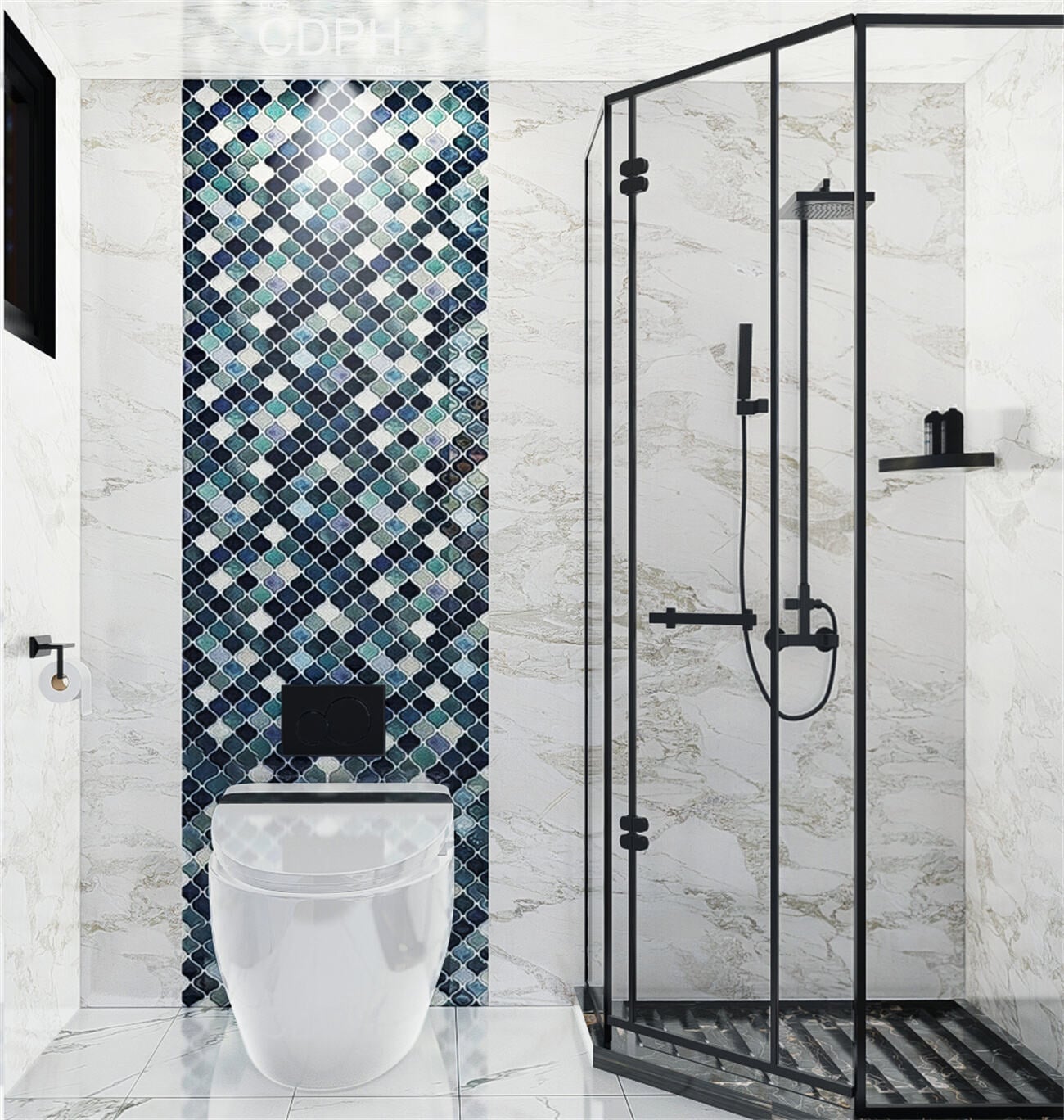
Speed and Reliability: Why Small Prefab Homes Achieve Faster Occupancy
90-Day Timeline from Order to Move-In: Streamlined Workflow for Small Prefab Homes
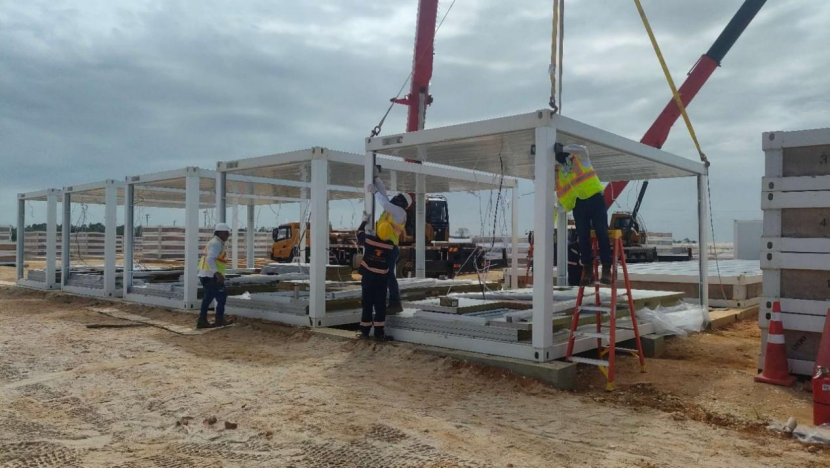
Prefab homes can be ready for moving in within just 90 days, which is about 30 to 50 percent faster than regular construction methods. The secret lies in separating what happens at the building site from what goes on in the factory. Foundations get poured where the house will stand while the actual home components are being built inside factories following standard procedures. With machines doing most of the cutting and walls, floors, and roofs coming pre-assembled, there's much less chance of mistakes happening during measurements. When these parts arrive at the site, they simply snap together quickly and correctly. This approach avoids those frustrating delays caused by waiting for different contractors to show up, so homeowners get their new place faster without having to worry about corners being cut when it comes to safety standards or meeting local building codes.
Minimized Delays Through Precision Manufacturing and Weather-Independent Assembly
When building happens inside a controlled environment, weather stops being such a huge problem for construction schedules. After all, rain delays and snowstorms just don't factor in anymore. The robots doing the work cut down measurement mistakes by almost three quarters, which means parts fit together much better when they arrive at the site. This helps save around twenty percent of the usual time wasted fixing things that went wrong during regular on-site building methods. Keeping temperatures and humidity levels stable inside factories protects materials from getting damaged or warped something that often happens when stuff sits outside waiting for good weather. This kind of consistency really matters in places far away from cities or areas with tough climates where unpredictable conditions can derail progress. That's why smaller prefabricated houses have become such a reliable option for people wanting to move into their new homes without endless delays.
Sustainability Advantages of Small Prefab Homes
30–50% Less Construction Waste Compared to Traditional Builds
Prefab homes that are small in size actually produce around half as much construction waste compared to regular site built houses according to Dodge Construction Network data from last year. The reason? Factories have better control over everything from measurements to material cutting, plus they follow strict recycling rules. What happens to leftover pieces? Wood scraps get turned into insulation materials while bits of steel just melt down for new parts. Buying in bulk also cuts back on all that extra packaging waste we see everywhere else. Traditional building methods tell another story though. Materials often sit outside exposed to rain and wind until they're ready to be used, which leads to degradation over time. Indoor manufacturing keeps things dry and protected, so nothing gets spoiled by bad weather conditions during construction.
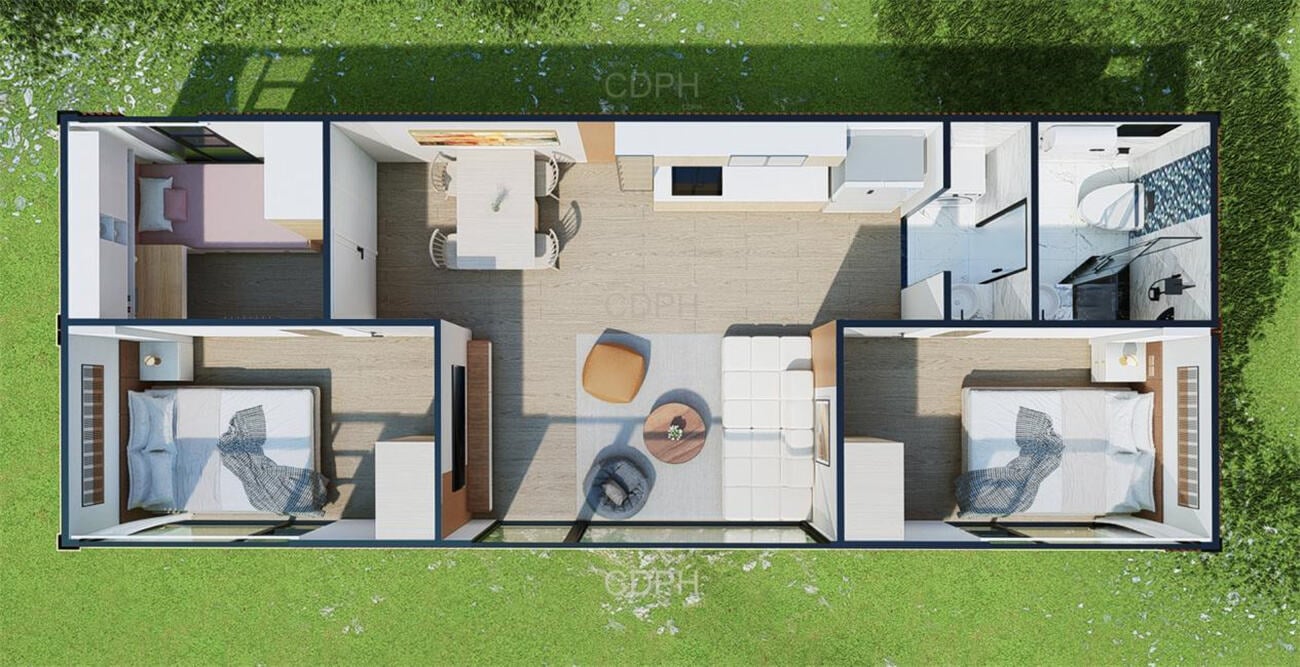
Eco-Conscious Materials: CLT, Recycled Steel, and Low-VOC Finishes in Small Prefab Homes
Top manufacturers are turning to sustainable materials without sacrificing quality. Take Cross Laminated Timber for example it actually locks away carbon while growing and keeps it stored in the finished product. Recycled steel is another winner requiring about three quarters less energy compared to making new steel from scratch. And let's not forget about those low VOC paints and finishes which cut down on air pollution by half and apparently make asthma risks drop by 60 according to EPA data from last year. The best part? All these green choices don't mean buildings will look worse or fall apart faster. Sustainability and good design can coexist just fine.
| Material | Environmental Benefit | Health Impact |
|---|---|---|
| CLT | Carbon sequestration | Non-toxic, natural |
| Recycled Steel | 75% energy reduction vs. new steel | Zero off-gassing |
| Low-VOC Finishes | 50% fewer airborne pollutants | 60% lower asthma risk |
FAQ
What are the cost benefits of small prefab homes?
Factory-built small prefab homes can cut expenses by 15-25% due to reduced labor and material costs, bulk purchasing, minimized waste, and streamlined project durations.
How do small prefab homes save on utility bills?
These homes are designed for energy efficiency with features like triple glazed windows, SIP panels, and strategic sun exposure, reducing heating and cooling costs by 40 to 60%.
Why do small prefab homes take less time to build?
Small prefab homes separate construction tasks into factory and site work, leading to faster completion, with timelines as quick as 90 days from order to move-in.
Are small prefab homes environmentally friendly?
Yes, small prefab homes produce 30-50% less construction waste and use eco-conscious materials like CLT, recycled steel, and low-VOC finishes.