EN
EN

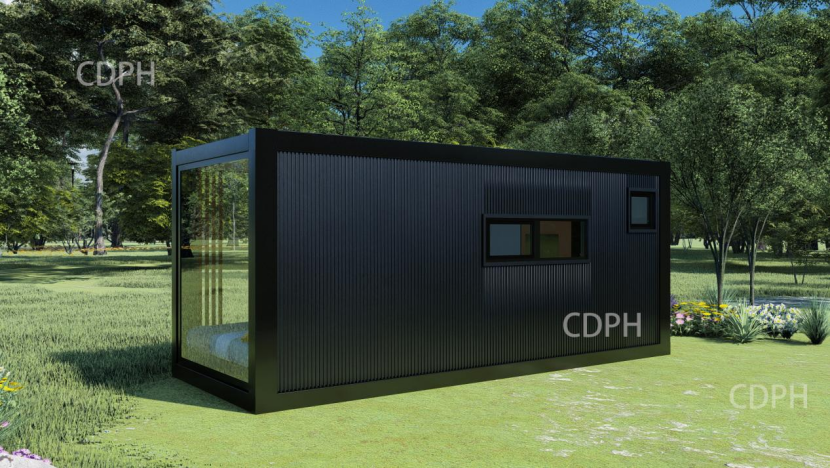
Zoning Laws and Legal Requirements for Container Homes in 2025
State-by-state regulations and local vs. state-level housing rules for container homes
The rules about where container homes can go change a lot depending on where someone wants to build them, making things pretty confusing for anyone thinking about buying property. Some states seem okay with alternative housing options, but many local towns actually put extra limits in place that ignore what the state says is allowed. Take California and Texas for instance they technically permit container homes statewide, yet specific cities and counties might still throw roadblocks in the way regarding where exactly the containers sit, how big they get, and even what they look like. The biggest problem usually comes down to whether the area is zoned for regular homes versus commercial spaces since most places won't let people live permanently in areas meant for businesses or factories. Anyone seriously considering buying land should check not only what the state allows but also what their particular city or county requires by contacting the local planning office directly. This kind of groundwork helps avoid expensive changes mid-project or worse, having to scrap everything altogether because of unexpected legal issues.
How to navigate the permitting process and secure required legal documentation
Getting through the permitting maze for container homes takes good organization and knowing what paperwork matters. Start with solid architectural plans showing how everything fits within local building codes. The plans need to cover structural strength, wiring layouts, and plumbing details. Most places want to see evidence that the container home complies with International Residential Code standards. But watch out, some cities throw in extra rules specifically for these kinds of unconventional housing. Talking things over with building inspectors before officially applying can save headaches later on. These chats help spot problems upfront and usually speed things along. Keep track of every document sent, every inspection done, and all communication received. When everything is neatly filed away, reviewers tend to get back faster. People who prepare their permits properly end up waiting about 40% less time than those with missing info. So attention to detail isn't just nice to have it's actually the secret weapon when trying to get permission to build legally.
Rural vs. urban approval challenges: Where container homes are legally viable
The approval process for container homes varies quite a bit between rural and urban areas, which affects whether these structures can actually get built in different places. In many rural communities, local governments tend to be more relaxed about zoning laws and what counts as an attractive building. Counties that focus on agriculture or have open space requirements often let folks build container homes without too much paperwork involved. Things look very different in city environments though. Most municipalities have strict guidelines about how buildings should look, how close they need to be spaced apart, and whether they fit with surrounding properties. Getting permission for a container home in the city can become quite complicated because of all these rules. According to recent studies, applications for container homes in rural areas usually get approved around 65 percent quicker than similar requests made in urban centers. This happens partly because there are just fewer layers of regulation to navigate and people generally accept unconventional housing solutions better outside major metropolitan areas. Still worth noting is that several forward thinking cities have started introducing special provisions specifically for container homes lately. These changes aim at expanding affordable housing options while still maintaining basic safety standards through explicit allowances for modular construction techniques.
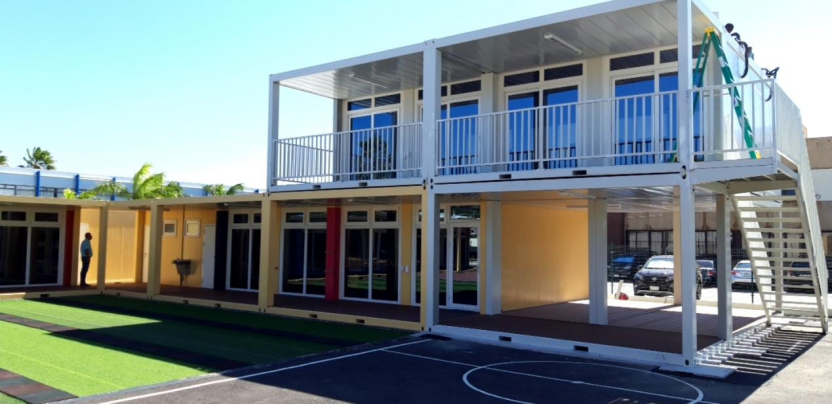
Container Home Cost Breakdown: Budgeting for Affordability and Hidden Expenses
Initial cost analysis: Shipping containers, labor, and land considerations
When building a budget for a container home, there are basically three big ticket items to consider first: getting hold of the actual containers, paying for skilled workers, and finding somewhere to put it all. Used shipping containers usually run anywhere from around $2k to maybe $5k depending on how beat up they look and what size we're talking about. New ones? Those cost way more, obviously. Labor costs can swing all over the map too. Simple projects might need just basic fixes, but complicated builds with proper insulation and wiring will set folks back between $20k and $50k easily. Land prices really depend on where someone wants to build. Out in the country, good sized plots sometimes go for less than $30k, but try finding space in a city and suddenly we're looking at over $100k for a tiny spot. These basics make up most of what people spend upfront, though nobody ever mentions all the extra stuff that pops up along the way which can really blow the budget out of proportion.
Hidden costs: Foundation, transportation, site preparation, and utility hookups
A lot of folks who are thinking about getting into this business tend to forget about those extra costs that really eat into what they budget for the whole project. When it comes to building foundations, simple pier setups might start around five grand but go all the way up to twenty thousand dollars plus if someone wants a full concrete slab. Then there's moving containers themselves which can tack on another one to five grand based on how far away things need to be hauled and whether roads even exist at the destination site. Getting ready for construction means dealing with land grading work, drainage systems, and clearing out whatever grows wild on the property too – expect to spend anywhere from three to ten thousand bucks right there. And let's not forget about hooking up utilities like water lines, sewer access, and electrical service connections that usually run between five and fifteen thousand dollars. All these hidden charges pile up fast, adding somewhere between fifteen and fifty grand to initial estimates. That's why smart builders always build buffer money into their plans instead of relying solely on what looks good on paper.
Is a container home truly cost-effective? Evaluating long-term financial value
Looking at the big picture when it comes to money matters, container homes offer a mixed bag financially that goes way beyond just what it costs to build them initially. Square footage pricing generally falls somewhere between $150 and $350, which is actually cheaper than building traditionally in many cases. But wait there's more! Over time these homes save money because they're so efficient with energy and built to last. Good insulation means heating bills drop around 40% compared to regular houses, plus those steel walls don't need much fixing up for years and years. Still got concerns? Resale values are hit or miss depending where you live, and getting appraisers to understand what makes these homes valuable can be tricky business. At the end of day though, whether this type of home pays off really hinges on how good the workmanship was, where it sits geographically, and if the design takes care of both short term needs and long term costs.

Design and Construction: Building a Safe, Durable Container Home
Step-by-step construction process: From concept to move-in ready
Building a container home starts with getting the land ready first. Need to level things out, make sure water drains properly away from where the house will sit, and lay down a solid base according to what the local authorities require. Then comes finding good quality shipping containers, usually either 20 or 40 feet long, and cutting holes for doors and windows while keeping everything structurally sound. The containers need proper insulation too since steel conducts heat so well. Most folks go with spray foam or insulated panels between the walls to keep temperatures comfortable inside. After that, time to put on the finishing touches: walls, flooring, wiring for electricity, running water pipes, and some kind of outer layer protection against weather. All these steps taken together create a functional living space that checks off all the boxes for safety regulations and still reflects what someone wants aesthetically in their dream home.
Materials and techniques that ensure structural integrity and durability
When building a container home that stands the test of time, going for those Corten steel boxes that resist corrosion is pretty much essential. These homes can handle pretty rough weather if someone takes care of them right. The key stuff? Make sure to reinforce any areas where they've cut holes in the containers with some sturdy steel frames so the whole thing doesn't fall apart. Also important is slapping on those rust inhibitors first before painting everything up nice and neat. This helps keep things looking good for longer. Spray foam insulation works wonders too. It makes the place more energy efficient while giving extra support to the walls themselves. With proper attention over time, most container homes should stick around anywhere from 25 to maybe even 50 years. That makes them quite solid options for folks wanting something that lasts beyond just a few seasons.
Customization options and modern design trends in 2025 container homes
Container homes built today in 2025 tend to feature open spaces where walls aren't so important anymore, plus furniture that does double duty when needed. Big windows let plenty of sunlight inside too. Many folks are putting together several shipping containers to create bigger living spaces these days. Smart tech is becoming common for managing electricity usage, while sustainability remains key with lots of reclaimed wood used throughout and recycled metals added here and there for decoration. Some owners go all out with green roofs on top, expand their homes piece by piece as needed, or install solar panels along with systems to collect rainwater. What makes these houses work so well? They just feel better to live in while still being good for the planet. Most people want something that looks nice but also functions properly without costing an arm and a leg.
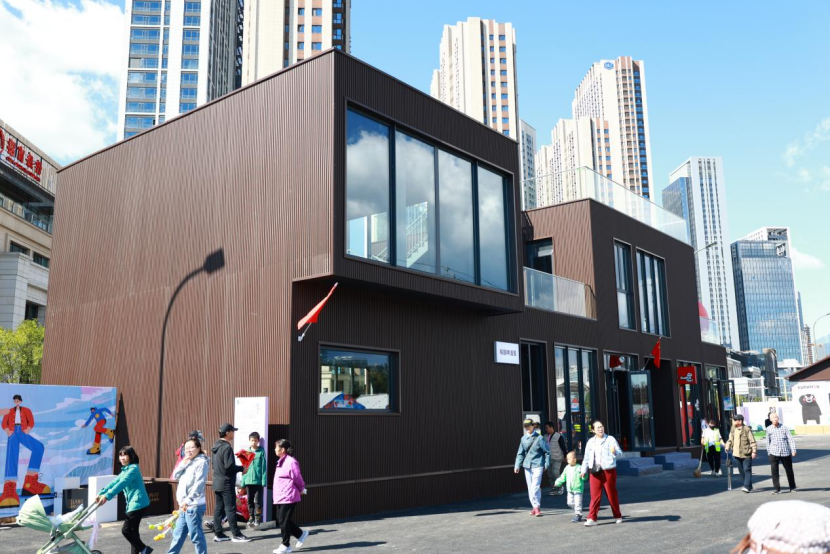
Insulation, Climate Readiness, and Energy Efficiency
Best insulation options for extreme weather in steel container structures
Steel shipping containers have real problems when it comes to temperature control because they conduct heat so well. That's why good insulation is absolutely necessary if someone wants to live comfortably in one all year round. When dealing with really cold areas, spray foam insulation works best since it seals air gaps pretty well. The R-value gets around 6.5 per inch which stops heat from escaping through those metal walls. For places where it gets hot, rigid foam boards or mineral wool are great choices too. They resist moisture and catch fire less easily than other materials, plus they keep their insulating properties stable over time. Studies on building efficiency indicate that proper insulation cuts down on heating and cooling costs by roughly 40% in these metal buildings. There are also high end solutions available now like aerogel blankets. These things perform amazing thermally even though they take up minimal space, but let's be honest they come at a premium price tag. Still worth considering for smaller container homes where every square inch matters.
Overcoming thermal performance challenges for year-round comfort
Getting good thermal comfort means working on insulation and ventilation at the same time. According to some research from last year on building envelopes, when we put exterior insulation together with interior vapor barriers, it helps stop those annoying condensation problems that happen so often in steel buildings. What about thermal breaks? These are basically non conductive stuff we put between metal parts. They really help get rid of those cold spots where moisture tends to collect. If someone wants their space to be as energy efficient as possible, they might want to look into mixing different types of insulation. Spray foam inside walls combined with rigid stuff on the outside creates this continuous barrier against heat loss. This setup keeps things pretty comfortable no matter what kind of weather comes knocking. When done right, all these methods turn old steel containers into decent living spaces that actually handle big temperature swings without falling apart.
Sustainability and Market Outlook: The Future of Eco-Friendly Container Homes
Environmental benefits: Reducing construction waste and carbon footprint
When old shipping containers get turned into living spaces, it cuts down on construction waste big time since these surplus boxes end up staying out of landfills instead. Each container home basically gives new life to around two tons of steel that might have gone straight to the scrap heap otherwise. And there's another benefit too: building with recycled containers means less carbon pollution. Making fresh steel creates about 1.8 tons of CO2 for every single ton produced, numbers from the World Steel Association tell us. Homeowners who go this route avoid digging up raw materials and cutting back on those energy hungry factories altogether. It just makes sense for anyone wanting to live sustainably while still getting their own place to call home.
Resale value and buyer perception: Overcoming skepticism in 2025
At first, people who tried living in shipping containers got a lot of raised eyebrows regarding how durable these homes really were or if they could be comfortable places to live. But things are changing fast as engineers get better at what they do. These days, container homes typically fetch prices around 5 to 10 percent less than regular houses when compared side by side in similar neighborhoods, reports the National Association of Realtors from their 2024 data. Some areas that care deeply about environmental issues actually pay top dollar for them though. What helps convince hesitant buyers? Getting those structural changes checked out by independent experts plus verifying how well the home performs energy-wise gives potential owners peace of mind knowing their investment will last for years to come.
How recycled materials and smart tech are shaping sustainable living trends
New insulation methods made from old denim jeans and wool blends are hitting impressive R-values around R-30 when installed in shipping container walls. At the same time, smart home tech is getting better at managing energy consumption automatically, adjusting temperatures and syncing with solar panels as needed. What used to be just big metal containers are now becoming really efficient living spaces where some even manage to produce as much energy as they consume. When we combine these eco-friendly building materials with all the smart technology, container homes start looking like something cities could actually scale up for green neighborhoods. Many towns are already changing their rules to allow more of these alternative housing options, recognizing their potential for creating affordable, sustainable living environments.
FAQ
Are container homes legal in all states?
No, while some states allow container homes, local municipalities might impose additional restrictions. It's vital to check both state and local zoning laws before proceeding.
What are some hidden costs of building a container home?
Beyond purchasing the container, hidden costs include foundation construction, transportation, site preparation, utility hookups, and more, potentially adding $15k to $50k to the overall cost.
How do container homes perform in terms of energy efficiency?
Container homes can be quite energy efficient when properly insulated, often saving about 40% on heating and cooling costs compared to traditional homes.
Will a container home appreciate in value?
The resale value of a container home can vary based on location and market conditions, but they generally sell for 5-10% less than traditional homes in similar areas.
Table of Contents
- Zoning Laws and Legal Requirements for Container Homes in 2025
- Container Home Cost Breakdown: Budgeting for Affordability and Hidden Expenses
- Design and Construction: Building a Safe, Durable Container Home
- Insulation, Climate Readiness, and Energy Efficiency
- Sustainability and Market Outlook: The Future of Eco-Friendly Container Homes
- FAQ