EN
EN

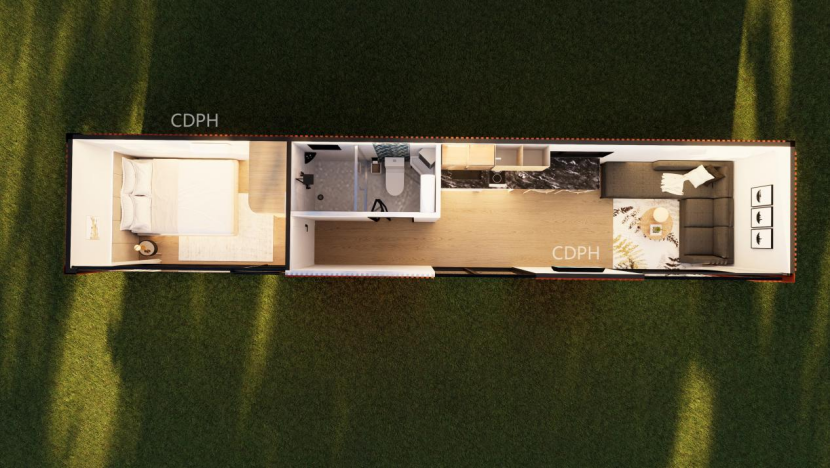
From Minimalist Roots to Modern Luxury: The Evolution of Tiny Container Homes
Origins in DIY culture and the tiny living movement
The tiny container home trend really took off around 2015 when folks started getting into DIY projects and wanting simpler lives. People began grabbing old shipping containers and turning them into homes themselves, mostly because they wanted something functional rather than fancy looking. Many early builders lived completely off grid, which meant no electricity bills or water connections. What made this whole thing work was that it opened up homeownership to people who couldn't afford traditional houses. Online forums filled up fast with folks sharing blueprints they'd drawn on napkins, tips for cutting costs, and even stories about weird things they found inside containers (like random cargo remnants). As more individuals tried to live smaller footprints and cut back on waste, these metal boxes transformed from just affordable housing into statements against all that wasted space in regular suburban homes.
Redefining space efficiency: How small-footprint living changed container home design
Living in limited space has forced architects to completely rethink how they approach container homes. Standard shipping containers that are typically 20 or 30 feet long have been transformed into surprisingly functional living areas thanks to clever planning of every inch available. The industry saw all sorts of creative solutions emerge over time. Some designs feature upper level sleeping nooks that save floor space, while others incorporate tables and chairs that fold away when not needed. Windows positioned just right make these cramped quarters feel much bigger than they actually are. What's interesting is that people who live in these compact spaces report feeling just as comfortable as those in bigger houses. Many find that good design trumps sheer size when it comes to day-to-day comfort. Tiny container homes designed with care often beat out conventional larger homes for actual livability and movement around the space.
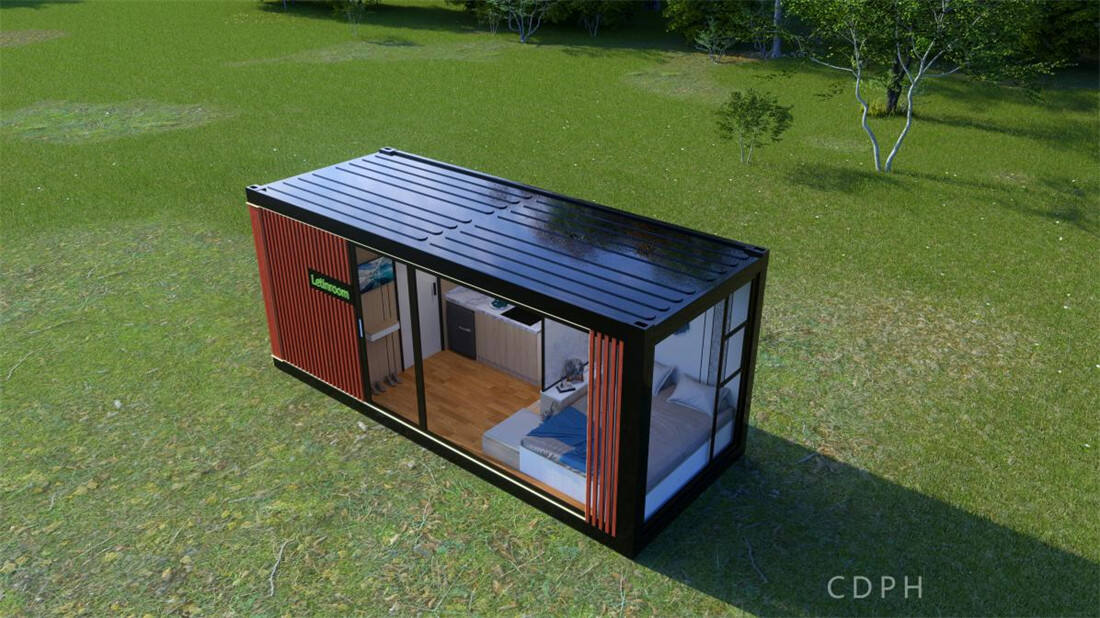
The shift from off-grid simplicity to high-end, prefab luxury container homes
When people started wanting more than basic shelter, container homes moved away from those weekend warrior DIY setups toward something much fancier. Companies now throw in top-quality materials, all sorts of smart tech, and really nice architectural touches that appeal to folks who care about design but aren't necessarily into minimalism. The latest high-end versions come with geothermal heating systems, lights that turn on automatically when someone walks in, and finishes that would make any interior designer jealous. These containers blend their industrial roots with serious comfort levels. What we're seeing here is proof that green living doesn't have to mean sacrificing style or comfort. More and more people are discovering that it's possible to live sustainably without giving up the luxuries they want.
Design Philosophy: Contrasting Tiny and Luxury Container Home Aesthetics
Minimalist functionality in tiny container homes: Form follows function
When it comes to tiny container homes, space constraints force creative solutions. People need furniture that does double duty, storage spaces built into walls, and layouts that feel bigger than they actually are. Most folks go for clean looks too, with lots of bare metal showing through, earthy colors on the walls, and hardly any extra stuff lying around. The whole point is getting rid of fluff and focusing on what really matters. Tiny living isn't just about saving money or being green, though those benefits definitely exist. At heart, it's about making choices that count instead of buying things because they look nice but never get used.
Luxury aesthetics in container homes: Custom finishes, materials, and architectural flair
When it comes to luxury container homes, they take those basic shipping containers and give them a serious facelift with top-quality workmanship and fancy materials. Instead of the usual cheap stuff, we're talking quartz countertops, custom-made cabinets, and windows that look more like art pieces than just glass panes. Inside, people are going all out with special lighting fixtures, custom metal details, and floors that cost way more than most people spend on furniture. All these upgrades turn what was once just a big steel box into something that looks like a real house, but still keeps the original strength intact. What we end up with? A living space that has modern style mixed right in with the tough, no-nonsense vibe that comes from being built inside a former cargo container.
Can industrial roots coexist with upscale comfort? Resolving the design paradox
When old factory spaces meet luxury living, good design finds ways to bridge the gap. Smart conversions keep those iconic industrial touches intact corrugated metal walls, exposed steel beams while making sure people actually want to live there too. Insulation gets added without hiding the character, climate systems blend in instead of sticking out, and premium materials enhance comfort without losing authenticity. The best projects don't try to hide where they came from but celebrate it instead. What might seem like obstacles become selling points in the right hands. Architects who understand both worlds know how to make warehouses feel like homes without erasing their history. This balance isn't easy but when done right, it creates something truly special.
Space Optimization and Interior Innovation in Tiny Container Homes
Smart layouts and multi-functional furniture for compact living
Space efficiency is what makes tiny container homes work so well. Most designers incorporate things like Murphy beds that fold into walls, sofas that turn into beds when needed, and tables that can expand as required all inside these tight spaces. Some even build seats right into walls with secret compartments underneath for storing stuff, keeping everything looking neat but still getting maximum use out of every inch. People actually live comfortably in these homes sometimes less than 400 sq ft total! The clever tricks they use show that good design doesn't need lots of room to be functional or comfortable at all.
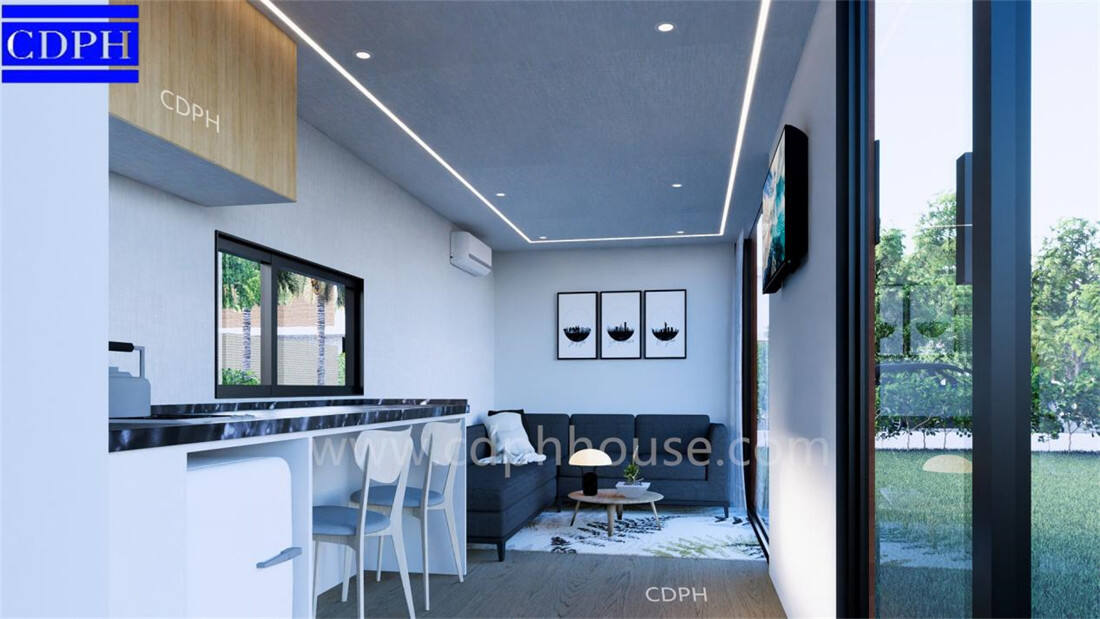
Vertical storage and modular design solutions in small shipping container homes
Interior style adaptations: Minimalist, cottage, and hybrid designs
Container homes might look pretty much alike from the outside, but inside they're all over the map when it comes to style. Some folks go for super clean minimalist spaces where everything is white or gray and the furniture has those sharp clean lines that make rooms feel bigger than they actually are. Others prefer something cozier, adding lots of wood elements around the metal framework, mixing in old-fashioned touches like antique light fixtures and soft blankets stacked on top of each other for texture. There's also a growing trend among homeowners who want both worlds - keeping some of that industrial character with visible metal panels while still incorporating comfortable living areas with proper insulation and modern appliances. What's interesting is how these different styles demonstrate that even buildings made from shipping containers can accommodate pretty much any way people want to live, whether they're into ultra-modern simplicity or rustic charm.
Architectural Advancements in Luxury Container Homes
Multi-level and stacked container homes transforming urban housing
High-end container homes are going up rather than out these days, with builders stacking them to make multiple-story residences that work well in city environments. The designs really make the most of limited space, and we've seen some buildings go as high as three floors without sacrificing either structural integrity or visual appeal. When architects stack those standard containers together, they can actually create quite roomy living spaces even on tiny pieces of land. This approach gives developers a practical blueprint for growing cities sustainably, since it allows for more housing without needing massive amounts of new construction materials.
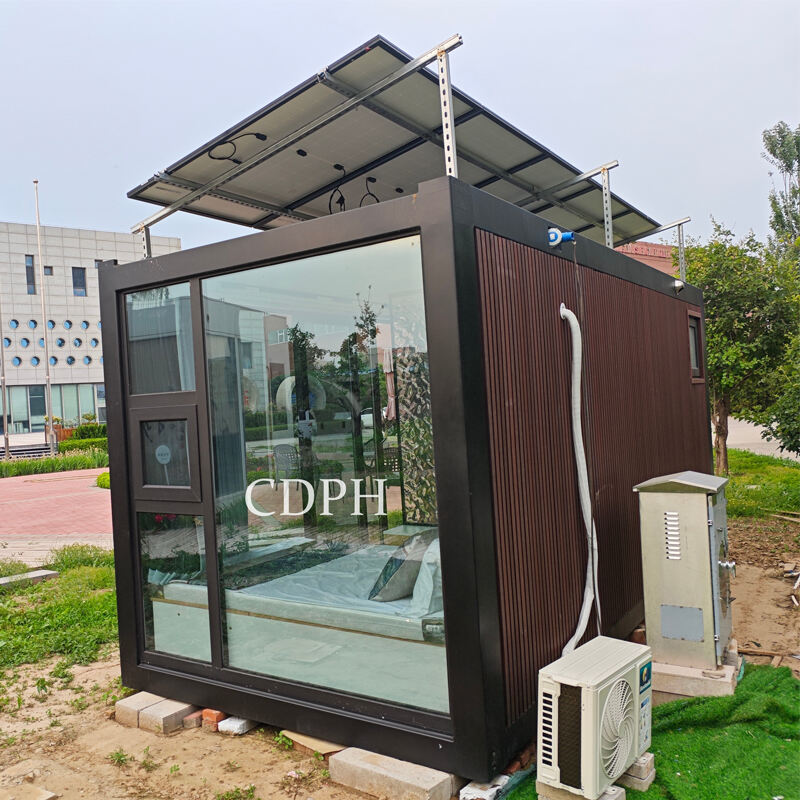
Expansive glazed walls and indoor-outdoor integration in upscale designs
Many luxury container homes now feature those massive glass walls from floor to ceiling that really mess with where the indoors ends and outdoors begins. The big windows let tons of natural light pour in and make spaces feel way more open than they actually are, which helps fight off that cramped container vibe everyone worries about. Some designs even have sliding glass panels that can completely open up an entire wall to connect directly with patios or garden spaces outside. This isn't just about looks either these glass features work pretty well for energy efficiency too, so homeowners get both comfort and something that looks seriously modern without breaking the bank on utilities.
Case study: Award-winning luxury container homes in California
California is quickly becoming ground zero for innovative container homes, as evidenced by numerous award-winning projects that demonstrate what these repurposed shipping boxes can really do. Take the impressive build in Redondo Beach where someone turned several old containers into something truly special: a spacious 2,800 square foot luxury dwelling. This particular project caught the eye of architects everywhere thanks to some creative material choices and smart space planning. Inside, residents enjoy top-quality finishes throughout, plus great flow between living areas and outdoor spaces. The overall look? Pretty much on par with expensive custom homes built from scratch. These days, nobody would guess this stunning residence started life as discarded shipping containers sitting idle somewhere along the coast.
FAQs
Why did tiny container homes become popular?
Tiny container homes gained popularity due to their affordability, minimalist appeal, and sustainable nature. They allowed people to become homeowners with lower costs and promoted a lifestyle focused on reducing waste and maximizing space efficiency.
Can container homes be luxurious?
Yes, container homes can be luxurious. High-end prefab container homes integrate smart technology, premium materials, and sophisticated architectural designs to provide comfort and style while retaining sustainability.
What are the architectural advancements seen in container homes?
Architectural advancements include stacking containers for multi-level living, expansive glazed walls for natural light, and indoor-outdoor integration, making urban housing more practical and sustainable.
Are container homes energy-efficient?
Container homes can be energy-efficient, especially those with expansive window designs and integrated climate systems. These features enhance energy efficiency by allowing natural light and optimizing heating and cooling systems.
How are tiny container homes designed for space efficiency?
Tiny container homes often incorporate smart layouts and multi-functional furniture, such as Murphy beds and expandable tables, to maximize space efficiency and functionality within limited square footage.