EN
EN

Why Choose a Container Home?
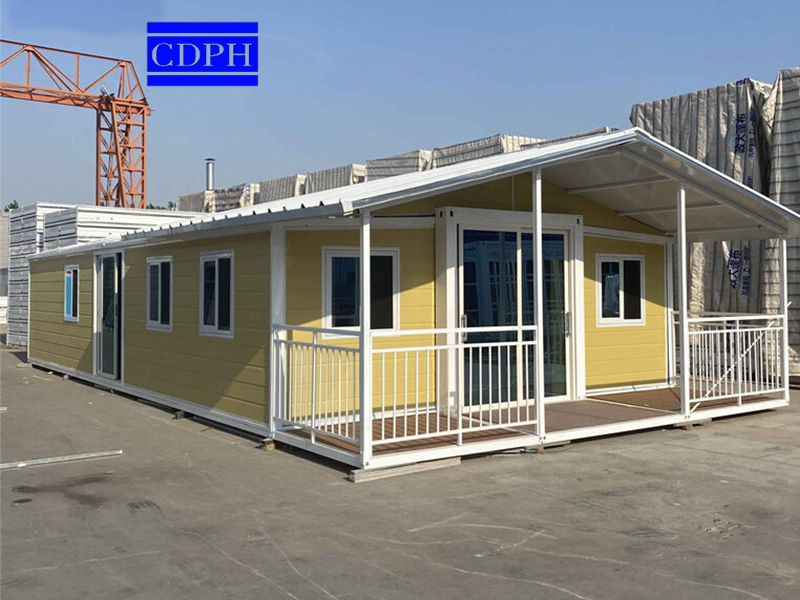
Container homes offer some pretty big pluses compared to regular houses, starting with how much money they save. Using old containers cuts building costs around 20 to 30 percent versus standard materials, and projects get finished way faster too, sometimes saving several months off the timeline. The modular aspect makes expanding super easy just stack on extra containers whenever space runs out or layout changes are needed. And moving? Entire buildings can actually be hauled somewhere else if someone wants to relocate, something most traditional homes cant do. From an environmental standpoint, these containers give new life to steel that would end up in landfills, plus good insulation brings down energy bills by about 25% each year. Steel frames stand up to harsh weather conditions better than wood structures too, so there's less worry about damage from storms or other extremes. Some folks build tiny cabins while others create full blown family homes, but either way container living combines green thinking with practical space solutions.
Key Design Considerations for Storage Container Homes
Structural Adaptation and Insulation Requirements
When turning those big steel shipping containers into homes, there are some serious structural changes needed. Cutting doors and windows means reinforcing those spots so the whole thing stays solid. Insulation becomes super important too because steel conducts heat about 300 times faster than wood according to some recent industry data. Most folks go with closed cell spray foam for this job since it gives around R-6 per inch and stops moisture from causing rust problems inside. When done right, this kind of insulation can actually cut down on heating and cooling bills by roughly 30% compared to what happens when containers sit empty without any insulation at all. For places with really harsh weather conditions, going the extra mile with double layers plus thermal breaks makes sense if we want to avoid those pesky thermal bridges that let cold sneak through.
Layout Planning and Space Optimization
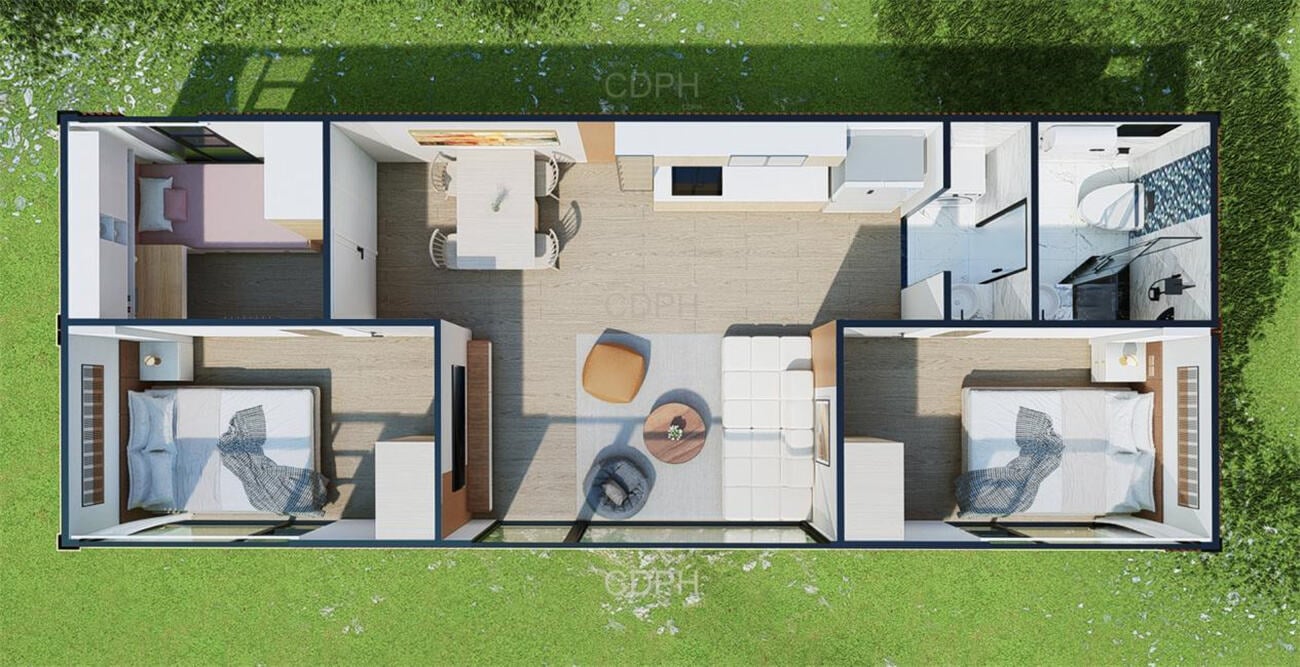
Getting the most out of tight spaces that are usually around 8 feet wide needs some smart thinking about how things are arranged. Open floor designs help make rooms look bigger, and going vertical with storage options like loft beds frees up valuable ground space. Furniture that does double duty works wonders too. Think about those fold down workstations or sofas that turn into beds when needed. They keep the place functional without making it feel crowded. Windows placed strategically throughout the space also matter a lot. Clerestory windows for instance let plenty of daylight in without sacrificing privacy from neighbors. A recent study called the 2023 Small Space Design Report found something interesting. When people design small container homes efficiently, they actually end up feeling about 40 percent larger compared to regular houses of similar size. Not bad for working with limited square footage!
Regulatory Compliance and Permitting Process
Building a storage container home requires meticulous adherence to regulatory frameworks—non-compliance risks delays or outright rejection. Unlike traditional construction, these structures face unique scrutiny regarding their classification as permanent dwellings versus temporary installations. Proactive engagement with local authorities during planning prevents costly revisions later.
Zoning Laws, Building Codes, and Local Approvals
Local zoning laws generally determine if container homes can be built in certain areas, typically allowing them only in residential neighborhoods but not in industrial spaces. Designs need to meet various building regulations related to structural strength against things like wind pressure, fire protection measures, and proper hookups for utilities. Getting permits usually means sending in detailed engineering drawings first, then paying around $1,200 on average according to recent research from Home Innovation Research Labs back in 2023, followed by several rounds of inspections at different stages. Talking to local planning officials early makes a big difference when it comes to understanding what's required specifically in each area for these kinds of modular structures, especially concerning how foundations should be constructed and what looks are acceptable according to community guidelines.
Cost Breakdown and Long-Term Value of Storage Container Homes
Upfront Investment vs. Traditional Construction
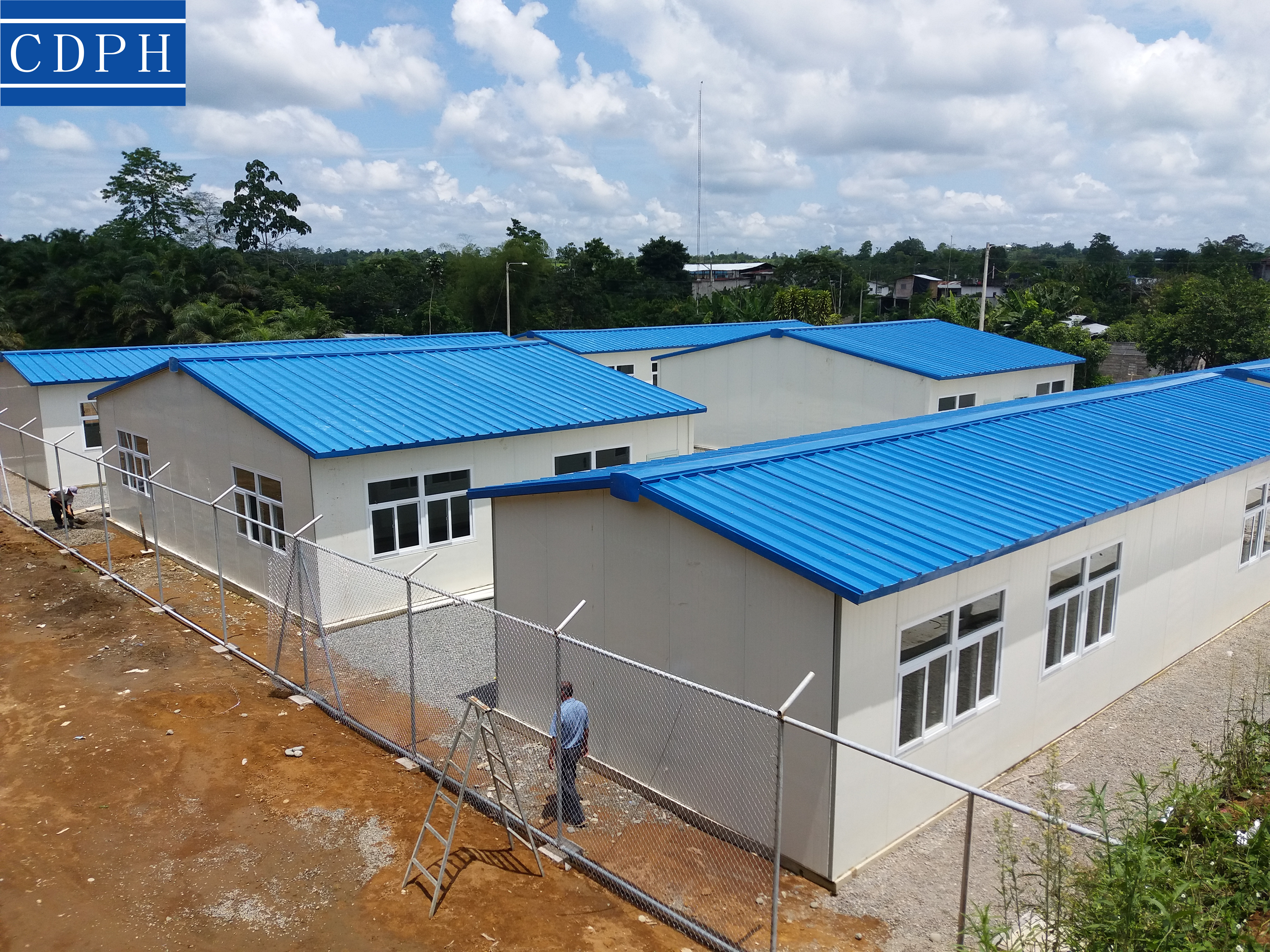
Storage container homes deliver significant initial savings through modular construction efficiency. Comparative data reveals:
| Cost Factor | Container Homes | Traditional Construction |
|---|---|---|
| Materials per sq.ft. | $18–32 | $50–150 |
| Labor Percentage | 15–25% | 35–50% |
| Average Build Timeline | 2–4 weeks | 6–18 months |
| 10-Year Maintenance | $2,400 | $7,100 |
Industry analyses (2024 Construction Efficiency Report) confirm 25–30% lifetime savings through accelerated assembly and reduced material waste. This phased approach allows gradual expansion as needs evolve—enhancing return on investment.
Energy Efficiency and Maintenance Savings
Superior insulation integration reduces heating and cooling demands by 35–40% compared to conventional structures (2023 Sustainable Housing Study). Corrosion-resistant steel frames require 22% less annual maintenance than wood-based buildings—translating to $18,000 savings per 100 m² over 15 years. Modular container dwellings maintain structural integrity for 30+ years, virtually eliminating foundational repairs common in traditional housing.
FAQ
What are the advantages of building a container home?
Container homes offer significant cost savings, faster project completion, modular expansion, and environmental benefits. They provide durability against harsh weather and can be relocated if necessary.
Are there specific design considerations when building a container home?
Yes, structural reinforcement where doors and windows are cut, insulation requirements, and maximizing limited space are essential. Efficient design can make small container spaces feel much larger.
What regulations must be observed in building container homes?
Container homes require compliance with local zoning laws, building codes, and obtaining necessary permits, including structural integrity, fire safety, and utility connection regulations.