EN
EN

Understanding Container Home Design: Aesthetic Innovation Meets Structural Practicality
The evolution of container home designs in modern sustainable architecture
The way people build homes using shipping containers has changed quite a bit over time. What started as just repurposing old cargo boxes back around 2000 is now considered a legitimate architectural trend. The market for these kinds of buildings is growing fast too - Global Market Insights estimates it might hit 73 billion dollars by 2025. Most container homes use those standard steel boxes everyone knows about because they last forever and can be moved around easily. Best part? They follow what's called circular economy ideas, cutting down on construction trash by almost 90% when compared to regular building methods. People worry that container homes look cheap or industrial, but actually most modern ones have really good quality. Builders put in solid engineering work, nice finishes inside, and clever ways to arrange spaces so everything works well together while still keeping that cool warehouse vibe many folks love.
Popular container home designs: From tiny homes to luxury eco homes
Container homes come in all shapes and sizes these days, ranging from super compact tiny houses to sprawling luxury properties that would make anyone jealous. The single container models, usually between 160 and 320 square feet, have become pretty popular among people who want to live small but smart. These spaces often include clever storage solutions like fold down tables and lofted beds that save precious floor space. For families looking for something bigger, mid sized homes typically combine 2 to 4 containers arranged in L or U shapes, giving around 800 to 1600 square feet of living area. When we get to the top end of the market, developers stack multiple containers creatively to build out massive estates exceeding 3000 square feet. These upscale versions feature fancy materials and cutting edge tech throughout. What's really interesting is how eco friendly features like green roofs, solar power systems, and rainwater collection setups work their way into every size category. This shows that going green doesn't mean sacrificing style in today's container housing scene.
Balancing modular home layout creativity with structural engineering for containers
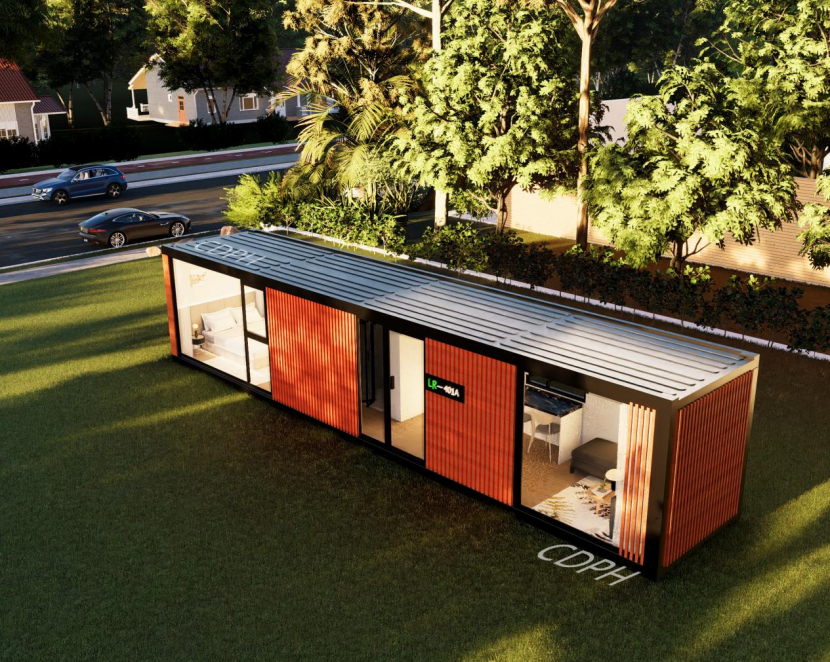
Designing good container homes requires balancing creativity with what actually holds up under pressure. Shipping containers naturally lend themselves to interesting shapes and arrangements, but anyone messing around with them needs to remember basic physics. Making holes in walls for windows or doors will definitely weaken things, particularly if those cuts take away more than about 40% of any given wall space. That kind of damage calls for adding steel beams somewhere to compensate. When stacking containers on top of each other or arranging them off center, someone has got to do some serious math work first just so everything stays upright. Most successful projects happen when engineers get involved right from day one. This early collaboration lets designers create cool features like two story areas or clusters of containers that look amazing while still standing firm against wind and gravity, which saves everyone money later on because nobody ends up having to tear things apart mid project.
How architectural plans for container homes integrate interior space optimization
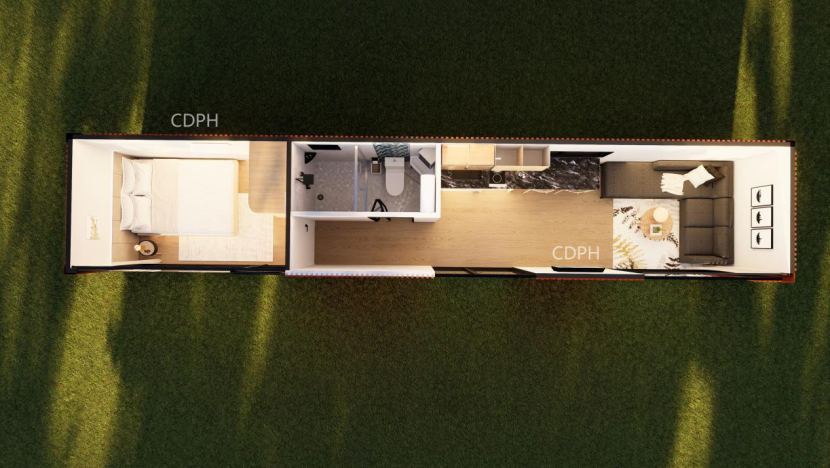
When working with steel modules, architects find clever ways to make these spaces work really well despite their size limitations. They play around with how things are positioned, stack areas on top of each other, and sometimes cut out sections to make the inside feel much bigger than it actually is, even though most containers are only 8 feet wide. Many designs include mezzanine levels above, sliding walls that can be moved around, plenty of hidden storage spots, and furniture that changes function depending on needs. The result? Spaces that people can actually live comfortably in. Some research shows that good container home designs manage to utilize around 85 to 90 percent of available space, which beats regular houses by about 5 to 10 percentage points according to a study from Architectural Digest last year. What starts as a constraint becomes something special when designers get creative with limited dimensions.
Structural Engineering and Modifications in Container Home Design
Structural modification requirements for cutting and joining shipping containers
When it comes to modifying shipping containers, good engineering work is really important if we want to keep them structurally sound. Cutting out parts for doors, windows, or connections definitely weakens what was originally a very strong structure. That's why most professionals end up adding extra steel frames or installing I-beams somewhere around those cut areas. The latest Container Modification Safety Report from 2024 says something interesting about this whole process. They found that almost 8 out of 10 structural problems happen when people make cuts without properly reinforcing the container first. For anyone working on these projects, checking against the International Building Code rules in section 3115 becomes essential. This means looking at how different parts connect together, making sure welds are done right, and figuring out how weight gets transferred safely between connected containers.
Stacking and multi-container configurations for family and studio living needs
Container home designs offer flexibility that works well for various family situations. When stacking containers vertically, builders can create small studio spaces or even second story bedrooms, though proper structural support is essential for safety reasons. Horizontal layouts such as L-shaped or U-shaped configurations help maximize interior space while also creating enclosed outdoor areas that feel like private gardens. Many families opt for combining several containers to form open concept living spaces where different areas serve specific purposes like dining, sleeping quarters, and bathroom facilities. Important note for anyone considering this approach: all points where containers connect should be handled by qualified professionals who understand local building codes regarding earthquake resistance, wind pressure, and everyday usage stresses.
Reinforcement strategies for wind, seismic, and long-term load integrity
Durability isn't just about throwing materials at a problem. The right reinforcement methods actually depend heavily on what kind of environment we're talking about. Take places where winds blow hard all year round. Extra bracing plus those special anchors that resist being pulled up help keep structures from swaying around too much. And down in areas prone to earthquakes? Flexible connections between parts or shock absorbers become really important for soaking up all that shaking energy. Foundations matter too. They need to handle those heavy spots where multiple walls meet corners. Most importantly, materials should stand up against rust and decay over time. When done correctly, these approaches can boost how well buildings withstand stress. Engineering reports from last year suggest somewhere between 15% to 25% improvement in resilience. That means most structures should last several decades before needing major work.
Controversy Analysis: When DIY modifications compromise structural engineering standards
DIY container homes are becoming increasingly popular but come with serious safety issues because many builders skip proper structural checks. Most backyard projects end up failing for reasons like random cuts made without engineering plans, flimsy connections between containers, or simply ignoring how heat affects metal over time. According to a study released last year, around two thirds of these homemade structures don't even pass minimum safety requirements since they lack expert guidance throughout construction. When corners get weakened or weight distribution is messed up, whole buildings can literally fall apart during storms or heavy snowfall. Anyone thinking about building their own container home should really consider bringing in a licensed engineer for any major changes to the structure. The cost might seem high upfront, but it's worth every penny compared to fixing damage later on.
Navigating Building Codes, Permits, and Zoning for Container Home Designs
IRC 2021 Section R301.1.4: Official recognition of shipping containers as dwellings
The 2021 version of the International Residential Code now officially accepts containers as legitimate options for residential buildings according to section R301.1.4. What this means is that properly designed container homes actually satisfy all the same building standards as regular houses when it comes to handling things like wind pressure, snow weight, earthquakes, and day-to-day stresses on the structure. To get permits though, builders need to show either through engineering calculations or actual tests that their designs will hold up. The code from ICC provides sort of a starting point nationally speaking, but don't forget that cities and counties often have their own extra rules too that folks need to follow locally.
Permit application process and navigating local regulations by region
Getting permits means sending all sorts of paperwork to local officials. This includes things like architectural blueprints, engineering assessments, how the site will look, and details about materials used. How long it takes to get approved can differ a lot. Some places might take just a few weeks while others drag out the process for over twelve months, especially if they aren't familiar with non-traditional building methods. The key to getting approval is having everything ready and properly organized. Submissions need to show clearly that everything meets building codes and anticipates any questions reviewers might have before they even ask them.
Zoning laws for container homes and common municipal objections
Zoning laws still pose a big problem for container home enthusiasts because most towns haven't updated their building codes to handle these types of structures. People living nearby usually object for several reasons they worry the metal look will clash with existing neighborhoods, fear property values might drop, and question whether containers can really last long enough as permanent homes. In certain jurisdictions, local governments actually treat shipping containers as temporary storage units or secondary structures, which means folks can't legally live there full time. To get around these restrictions, builders need to demonstrate that their designs include proper interior finishes, meet all setback requirements, and integrate well into the local landscape with good landscaping choices and appropriate exterior materials that match nearby buildings.
Case Study: Successfully approved container home project in Austin, TX under strict zoning review
A container home measuring around 1,800 square feet recently got approved in Austin, Texas. The house was constructed using four old shipping containers and took about 11 months to get through the city's Development Services Department review. What really helped this project move forward? Detailed engineering plans, solid evidence showing better energy efficiency than required by local codes, plus some nice looking renderings that matched what neighbors wanted to see. The builders didn't wait for problems to arise either. They fixed potential issues with proper insulation, made sure everything met fire safety requirements, and sorted out drainage before anyone asked questions. Their approach has actually become a reference point for other similar projects trying to get approved in places where regulations can be tough. Looking at this example shows just how important it is to talk to city officials early on and come prepared with all the necessary paperwork.
Meeting Safety and Livability Standards in Container Home Construction
Container home design must balance architectural innovation with essential safety and comfort standards. Converting steel boxes into habitable spaces demands strict adherence to codes governing structure, egress, foundation, and mechanical systems—all critical to long-term livability.
IRC R305: Ceiling Height Requirements for Habitable Container Spaces
Building codes require at least 7 feet of clearance in rooms where people actually live—which becomes a real problem when working with standard shipping containers that stand just 8.5 feet tall. Once builders start adding insulation between walls, hanging drywall panels, and running those bulky HVAC duct systems through the space, there's not much headroom left before hitting the legal minimum. Smart designers work around this issue by strategically dropping ceilings only in areas nobody really minds losing height, like tiny bathrooms or narrow closets. They also play with floor heights throughout different parts of the container, making sure that kitchens, living rooms, and bedrooms still feel spacious enough for everyday life.
IRC R310: Emergency Escape & Rescue Openings (Egress) in Compact Layouts
Emergency escape windows are required for sleeping areas per IRC R310 guidelines. These need to provide at least 5.7 square feet of open space with the bottom no higher than 44 inches from the floor. When working with slim container walls, getting these dimensions right usually means cutting bigger holes in the structure. This can compromise wall strength so extra framing support becomes necessary. The good news? Well-designed escape systems actually cut down on emergency response times by around 40% in smaller living spaces, based on recent modular housing safety reports from last year. It's worth the effort for both compliance and safety reasons.
IRC R403: Foundation Requirements for Containers on Varied Terrain
The foundation needs to handle those heavy points where containers sit on all four corners, plus it has to work with whatever ground conditions exist. Building codes like IRC R403 demand that these bases stand up against sinking, freezing ground movement, and pooling water problems. For hillsides, concrete piers make sense. When dealing with shaky soils, engineers often recommend grade beams. Flat properties typically get away with slab-on-grade systems. According to a recent industry study from last year, about three out of four container home collapses traced back to poor foundation work. That's why most experts insist on proper engineering for the underground parts of these structures.
Mechanical, Electrical & Plumbing Codes Specific to Modular Container Structures
When working with corrugated steel buildings, proper integration of MEP systems is absolutely critical. For electrical work, running wires through insulated chase channels helps prevent thermal bridging issues. Plumbing installations require special attention too since pipes can freeze easily in colder regions without adequate protection measures. The HVAC components present their own set of challenges as well, particularly when it comes to maintaining proper air seals within metal construction frameworks. Getting these systems installed correctly by professionals makes all the difference. Not only does this ensure adherence to NEC standards and local plumbing regulations, but it also sidesteps the common pitfalls faced by many do-it-yourselfers. Recent industry reports indicate around one third of self-installed projects end up violating building codes, which highlights just how important expert guidance really is during these complex installations.
Optimizing Space, Sustainability, and Cost in Container Home Design
Effective container home design balances spatial efficiency, environmental responsibility, and financial planning. Strategic layouts, robust insulation, and sustainable features collectively enhance comfort and affordability, making container homes viable long-term housing options.
Space planning and layout strategies: U-shaped, L-shaped, and offset configurations
The U shape layout creates those nice little courtyards that give so much privacy while still letting the outside in, which is why many families love them for their homes. For properties on corners, L shaped plans work wonders for getting sunlight into different rooms and making sure people can move around without bumping into each other. Then there's this thing called offset stacking that lets architects create interesting spaces across multiple floors. But no matter what design they pick, good structural engineering becomes absolutely essential once walls start getting moved around or removed during construction. The whole house needs to stay standing after all!
Insulation and temperature control in container homes: Overcoming thermal bridging
Steel has this problem where it transfers heat so fast that it creates what we call thermal bridging. That's when heat escapes through structural elements instead of being contained properly. For fixing this issue, many builders now turn to closed cell spray foam which gives about 6 to 7 R value per inch thickness. Plus it works as a vapor barrier too, which helps keep condensation at bay inside walls. There are other options out there too like rigid foam boards or traditional batt insulation, but these need really good installation work to prevent water from getting trapped between layers. The best approach often involves combining proper insulation materials with something called energy recovery ventilators or ERVs for short. These systems help maintain air quality while keeping buildings comfortable throughout all seasons, even when sealed tightly against drafts and energy loss.
Energy efficiency requirements (IRC Chapter 11) and passive solar integration
When it comes to container homes, builders need to follow the energy efficiency rules laid out in IRC Chapter 11 regarding proper insulation levels, window specifications, and how much air leaks through gaps. Many eco-conscious designers are turning to passive solar techniques these days. Think about adding large windows facing south with adjustable overhangs that block summer sun but let winter light in, installing floors made from materials that store heat like concrete or rammed earth, and creating airflow paths between rooms. Research on green buildings suggests these methods can reduce the need for artificial heating and cooling systems by somewhere around 35 to 40 percent. Beyond just meeting building codes, these design choices help homeowners save money on their electricity bills month after month while making a smaller carbon footprint in the long run.
Sustainable design features: Rainwater harvesting, solar panels, and green roofs
When it comes to going green, container homes really shine. The roof on a regular 40 foot shipping container can actually catch around 600 gallons of rainwater for every inch that falls. This collected water works great for things like watering plants or flushing toilets. Solar panels also find their place nicely on those big flat tops, and many folks are adding living roofs too. These green roofs do triple duty by keeping buildings warmer in winter, soaking up rainwater during storms, and creating little habitats for birds and insects. Put all these features together and what we get is something pretty remarkable compared to traditional housing options. Container dwellings aren't just sustainable they're setting new standards for what's possible when thinking about environmental impact.
Cost of shipping containers and overall container home construction breakdown
When it comes to building costs, most projects fall somewhere between $150 and $250 for every square foot. For those looking at repurposed shipping containers, prices generally start around $2,000 but can climb past $5,000 based on factors like container size and overall condition. Breaking down where money goes, site prep usually takes about 10 to 15 percent of the total budget. Structural changes account for roughly a quarter to almost a third of spending. Insulation work plus interior finishes eat up another 20 to 25%, while mechanical, electrical, and plumbing systems take around 15 to 20%. Most industry pros suggest setting aside extra cash too—something like 10 to 15% more than initial estimates—to cover unexpected costs that pop up during engineering approvals, when hiring specialty workers, or discovering issues buried beneath the surface of the construction site. This buffer helps keep budgets realistic and makes sure projects stay viable over time.
FAQ Section
What is the expected lifespan of a container home?
With proper maintenance and engineering, container homes can last several decades, similar to traditional homes.
Can container homes be built in any climate?
Yes, but appropriate insulation and structural support must be considered for extreme temperatures or weather conditions.
Are there financing options available for container homes?
Yes, many financial institutions offer loans for container home construction, especially as they gain popularity.
How customizable are container homes?
Container homes are highly customizable and can be adapted to fit a wide range of design preferences and functional needs.
Table of Contents
-
Understanding Container Home Design: Aesthetic Innovation Meets Structural Practicality
- The evolution of container home designs in modern sustainable architecture
- Popular container home designs: From tiny homes to luxury eco homes
- Balancing modular home layout creativity with structural engineering for containers
- How architectural plans for container homes integrate interior space optimization
-
Structural Engineering and Modifications in Container Home Design
- Structural modification requirements for cutting and joining shipping containers
- Stacking and multi-container configurations for family and studio living needs
- Reinforcement strategies for wind, seismic, and long-term load integrity
- Controversy Analysis: When DIY modifications compromise structural engineering standards
-
Navigating Building Codes, Permits, and Zoning for Container Home Designs
- IRC 2021 Section R301.1.4: Official recognition of shipping containers as dwellings
- Permit application process and navigating local regulations by region
- Zoning laws for container homes and common municipal objections
- Case Study: Successfully approved container home project in Austin, TX under strict zoning review
- Meeting Safety and Livability Standards in Container Home Construction
-
Optimizing Space, Sustainability, and Cost in Container Home Design
- Space planning and layout strategies: U-shaped, L-shaped, and offset configurations
- Insulation and temperature control in container homes: Overcoming thermal bridging
- Energy efficiency requirements (IRC Chapter 11) and passive solar integration
- Sustainable design features: Rainwater harvesting, solar panels, and green roofs
- Cost of shipping containers and overall container home construction breakdown
- FAQ Section