EN
EN

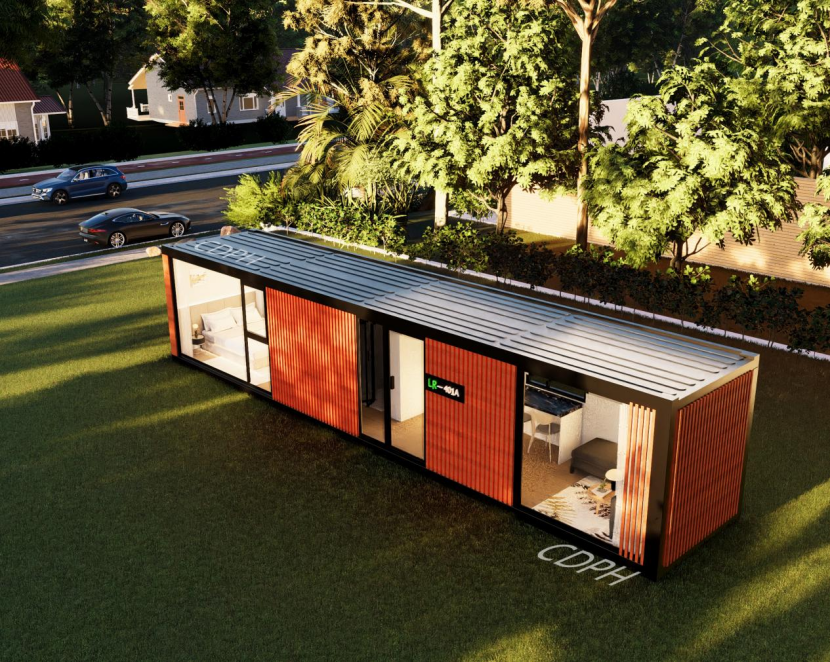
Types and Availability of Pre Built Container Homes
What are pre-built container homes and how do they differ from DIY builds?
Container homes that come pre-built go by names like prefabs or factory finished units. These are houses that get made completely or mostly complete in factories before being shipped out. When we compare these to do it yourself projects where people find old shipping containers and try to turn them into homes themselves, the pre built versions show up at the site with all the important stuff already done. Think about insulation layers, working pipes for water, and proper wiring for electricity - all those basics are there from day one. Because everything happens in the factory, building takes way less time than regular construction methods. Some numbers floating around suggest prefab container homes can save between half and three quarters of the usual building time. What this means for homeowners is getting something that looks good, works well, and feels almost ready to live in right away. No need to figure out how to wire a house or deal with the headaches of finding skilled workers for conversion projects.
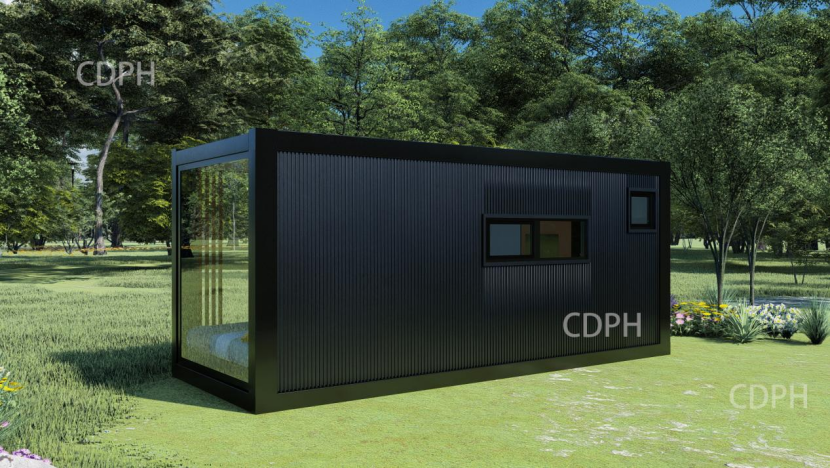
Shipping container types and sizes: Choosing the right module for your needs
Looking at container homes for sale means getting familiar with the basic sizes and building options first. The majority come in either 20 foot or 40 foot lengths, typically standing around 8 feet 6 inches tall, though some so called "high cube" versions reach up to 9 feet 6 inches. While most folks start with old shipping containers that have been converted, an increasing number of companies actually build special steel frames from scratch for housing purposes. These specially made containers generally perform better when it comes to keeping heat in during winter months, they hold together much better structurally, and often come with nicer finishes inside than what's possible with older containers that were just modified. So whether someone wants something small like a studio apartment space or something bigger enough for a whole family, there's more to think about than just how big the container is. Things like how flexible the design can be, whether the frame can support additional weight, and how easy it will be to connect to regular house systems like plumbing and electricity all matter quite a bit too.
Turnkey vs ready-made container homes: Understanding market offerings
There are basically two main approaches available in the market for container homes these days: turnkey packages and ready-made units. With turnkey solutions, everything gets taken care of from start to finish including getting the land ready, laying down foundations, connecting utilities, and finishing up all the interiors so people can just walk right in and start living there. On the other hand, ready made containers come straight out of the factory looking pretty good already, but then folks still need to do some work on site like setting up proper foundations and making sure everything connects properly. Sure, turnkey homes cost more money because someone else handles all those details, but honestly it saves headaches when trying to manage timelines and deal with unexpected delays. The ready made option works better for people who want to get their hands dirty during installation process yet still enjoy the benefits of factory built precision. No matter which route someone takes, both kinds go through strict quality checks and meet standard housing requirements before being shipped anywhere.
Evaluating Structural Integrity and Container Condition
Inspecting used containers for safety and habitability standards
When looking at pre built container homes, especially ones made from old containers, doing a good inspection really matters. Check the floors first for any signs of rot or warping. Then look closely at walls and roofs too, scanning around for rust spots or big dents that might compromise strength. Sometimes containers seem fine on the outside but have hidden problems inside caused by water getting in over time, leftover chemicals from previous cargo, or being overloaded before. If a container has a valid CSC plate (that stands for Container Safety Convention), it generally means the structure meets basic safety requirements. Still, turning these into living spaces needs extra engineering work to make sure everything holds up. Getting a professional to check things out helps meet all the safety rules and building codes, which becomes even more crucial for older containers or ones that someone has already modified extensively.
New vs one-trip vs used containers: Durability, lifespan, and value comparison
| Container Type | Expected Lifespan | Typical Cost Premium | Best Use Case |
|---|---|---|---|
| New | 25+ years | 40-60% | Critical structural applications |
| One-Trip | 20-25 years | 20-30% | Budget-conscious quality builds |
| Used | 10-15 years | Base price | Non-load-bearing or temporary structures |
Brand new shipping containers built from corten steel last forever basically, making them great choices when building multiple stories or structures exposed to harsh weather conditions. Containers that have made just one trip across oceans still look pretty good and cost much less money compared to brand new ones. The secondhand market is all over the place though. Some old containers are cheap but will need serious work before anyone would consider using them for homes or businesses. Rust prevention treatments become necessary most of the time too. People looking to buy these things really need to think about what they're saving upfront versus what might end up costing down the road. Many older containers start showing problems after around five to ten years of service if not properly maintained from day one.
Hidden risks: Why visually sound containers may fail habitability requirements
Just because a container looks good on the outside doesn't mean it's safe inside. There are plenty of problems that aren't visible to the naked eye. For instance, leftover chemicals from past shipments might still be lingering around, tiny bits of corrosion slowly eating away at the metal, and those corners getting bent out of shape during rough transportation. According to industry reports, roughly one out of every seven containers that appear fine actually fails when put through stress tests meant for home conversions. That's why getting expert opinions matters so much. A proper inspection should check for damp spots, take samples of materials, and test how well the structure holds weight. Anyone thinking about buying an older container or something without certification really needs to get this done first.
Prefab vs DIY: Comparing Cost, Time, and Quality
Initial cost and long-term budget considerations for pre built container homes
Sure, container homes tend to cost more initially than building something yourself from scratch, but when looking at what it actually costs to live there over time, factory built options usually end up cheaper. The manufacturing process uses big batches of materials and professional workers who know what they're doing, so there's way less wasted stuff sitting around after construction. We're talking about cutting waste down by somewhere between 85-90%, which is pretty impressive compared to regular site work. Most people pay anywhere from $40 to maybe even $85 for each square foot of space. What makes these homes really worth considering though? They save money in the long run because they're better insulated against heat loss, need less fixing up later on, and don't fall apart as easily since factories have strict rules about how things should be made. Homeowners who try converting containers themselves just can't match this kind of consistent quality most of the time.
Time-to-completion: How prefab homes save months vs custom builds
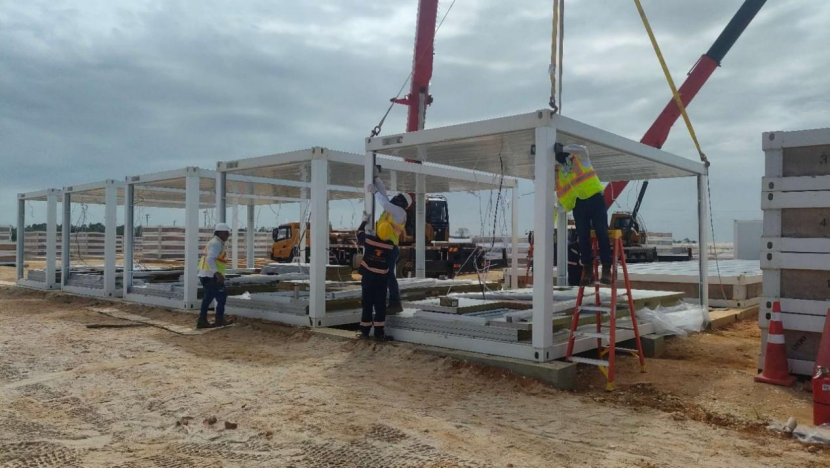
When it comes to building homes, prefab methods really cut down on time because they allow multiple steps to happen at once. The foundation work happens right where the house will go, while most of the actual construction takes place back at the manufacturing facility. For container homes that come fully equipped and ready to move into, we're talking about getting everything done in around three to four months. That's way quicker than the usual eight month timeline for conventional building approaches. Once all the parts arrive on site, putting them together typically only needs about three to five days total. No more waiting around for rain to stop or trying to find enough workers when everyone else is doing the same thing. Contractors tell me this kind of scheduling flexibility makes a huge difference for clients who want their new space without breaking the bank on interest payments, insurance premiums, or having to rent somewhere else while waiting for completion.
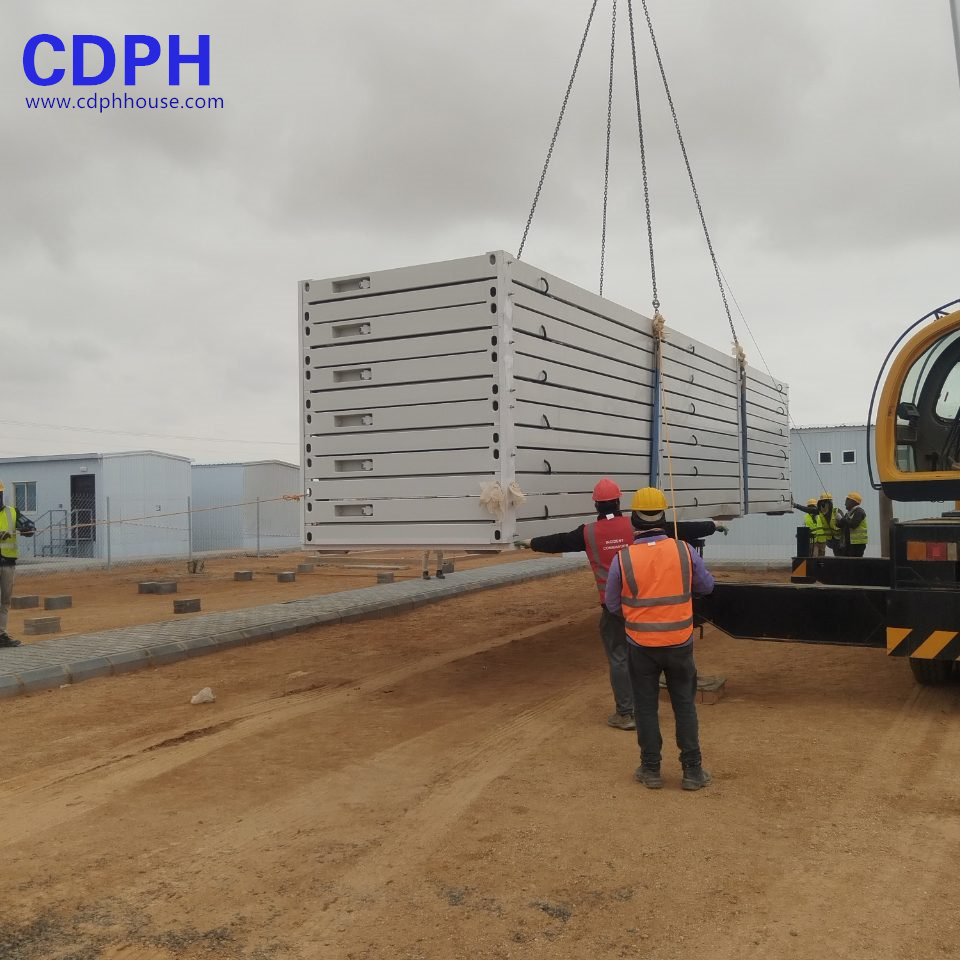
Quality certification and craftsmanship in factory-built units
When it comes to factory built units, there's something special about having dedicated crews working through set procedures with multiple checks along the way. Every single module has got to pass pretty tough tests regarding how well it holds up structurally, keeps heat out or in depending on what's needed, plus all those important fire safety requirements too. Site built homes are different because weather changes day to day and whoever shows up might not be as experienced as they claim to be. Prefab factories keep things tight though, with everyone knowing exactly what needs doing at each stage. All this careful monitoring creates actual records showing quality control work was done properly. And let's face it, when selling later on or getting insurance sorted, these documents matter a lot more than what someone claims happened during their weekend project.
Insulation, Weatherproofing, and Climate Resilience
Overcoming insulation challenges in steel-based pre built container homes
The fact that steel conducts heat so well means good insulation is really important for container homes. If we don't treat those metal walls right, they basically become giant heat conductors. That means losing warmth during cold months and gaining unwanted heat when it's hot outside. There are some good options out there though. Closed cell spray foam works wonders because it fills all those little gaps while giving decent insulation value plus acting as an air barrier. Another solid choice is applying rigid foam boards directly onto surfaces without interruption. Getting rid of those gaps in insulation matters a lot too since moisture tends to collect where there are breaks in the system. And guess what happens next? Mold starts growing and eventually eats away at the structure itself. So paying attention to details matters quite a bit, particularly around those tricky spots where different parts of the containers connect together.
Weatherproofing strategies for extreme climates and long-term durability
When buildings face tough conditions, stacking different weather protection layers really makes them last longer. The main tricks are things like rainscreen cladding which lets water drain away from walls instead of soaking into them, putting down top quality waterproof stuff on roofs and basement areas, and making sure all those gaps around doors and windows have proper flashing installed. Cold climates need extra insulation under roofing materials plus good air flow to stop those pesky ice dams from forming. Down south where it gets humid, builders often install materials that let moisture escape but still block rainwater from getting through. All this combined creates a building shell that stands up better against whatever Mother Nature throws at it, saving money over time because repairs happen less frequently.
Case study: Energy efficiency upgrades in a Midwest prefab container home
In early 2023, a container home conversion project in Urbana, Illinois showed just how much better these structures can perform after some smart upgrades. The team sprayed four inches of closed cell foam into all the wall cavities and across the roof deck, swapped out the old single pane windows for triple glazing units, and put in an uninterrupted air sealing membrane throughout the envelope. After tracking energy usage for several months, they noticed something pretty impressive: heating costs dropped by almost half during those cold winter months, while AC consumption fell over 50% when temperatures soared in July and August. What really made a difference was getting rid of that annoying dampness problem too. Before this work, moisture would collect on interior surfaces causing mold issues. Now the air feels drier and cleaner inside. This real world example shows that even basic shipping container homes can become comfortable year round places to live if builders focus on proper insulation techniques and air tightness measures, especially where winters are harsh and summers get unbearably hot.
Zoning, Permits, and Final Installation Checklist
Zoning laws and permitting requirements for container homes by region
The rules about where container homes can be placed really depend on where someone wants to put them down, so checking things out ahead of time makes all the difference. Some towns actually support these kinds of alternative living spaces, but plenty of places have pretty tough restrictions against anything that doesn't look like traditional construction. Most folks will need to get several different permits including building codes, zoning compliance, and environmental checks, though exactly what's needed changes depending if it's going up in city, suburbia, or out in the country. According to recent data from last year, those who talk to local authorities right at the start of their project tend to face about 40 percent less trouble getting their permits approved. Before laying down cash for any used shipping container turned into a house, make sure to double check how far back from property lines they need to sit, maximum allowed heights, and whether the land itself is even zoned properly for residential use.
Common compliance pitfalls and how to avoid municipal resistance
Getting approval for container homes can run into several roadblocks. Many people don't realize just how long the approval process takes, forget to get those special permits, and face opposition from neighbors worried about looks or property values dropping. Cities tend to push back harder when applications are vague or ignore what effect the project might have on the surrounding area. If developers want better chances of getting greenlit, they should put together detailed architectural blueprints that show exactly how their recycled shipping container home fits with what's already there in the neighborhood. Good paperwork covering drainage solutions, where utilities will connect, and fire safety measures goes a long way too. According to recent findings from urban planners in 2024, projects that showcase contemporary design visuals along with written explanations of benefits to the community actually get approved at around 60% higher rate in areas known for being tough on new developments.
Delivery, installation, and final inspection: Key steps before move-in
Getting containers delivered and installed right requires everyone to be on the same page - contractors need to coordinate with transport companies and check in with city officials ahead of time. When preparing for people to move in, do a thorough walk through to make sure everything stands up structurally, utilities work properly, and nothing deviates from what was originally approved. Important checks should cover whether foundations are properly aligned, all weatherproofing has been completed correctly, and every safety system functions as intended. Good practice means taking pictures at each stage and keeping detailed inspection records, which helps avoid headaches later when residents start moving in. Only call in those final government inspections once absolutely everything meets code requirements and satisfies all permit conditions specific to these container home projects.
Frequently Asked Questions
Are pre-built container homes more cost-effective than traditional homes?
While the initial costs might be higher, pre-built container homes often result in long-term savings due to efficient manufacturing processes and reduced upkeep costs.
What factors should I consider when choosing between new, one-trip, and used containers?
New containers are best for critical structural applications, one-trip containers offer a balance of cost and durability, and used containers are suitable for non-load-bearing structures where cost saving is prioritized.
What are the key inspection requirements before purchasing a used container for building?
Check for structural damage like rust, dents, and warping. Ensure the container has a valid CSC plate, and have an expert inspect for hidden damages or chemical residues.
How do turnkey container homes differ from ready-made units?
Turnkey homes provide comprehensive services including site preparation and utility connection, while ready-made units require additional site work after delivery.
What are the zoning and permit challenges associated with container homes?
Zoning and permits vary by region, but typically require compliance with building codes, environmental checks, and residential zoning laws.
Table of Contents
- Types and Availability of Pre Built Container Homes
- Evaluating Structural Integrity and Container Condition
- Prefab vs DIY: Comparing Cost, Time, and Quality
- Insulation, Weatherproofing, and Climate Resilience
- Zoning, Permits, and Final Installation Checklist
-
Frequently Asked Questions
- Are pre-built container homes more cost-effective than traditional homes?
- What factors should I consider when choosing between new, one-trip, and used containers?
- What are the key inspection requirements before purchasing a used container for building?
- How do turnkey container homes differ from ready-made units?
- What are the zoning and permit challenges associated with container homes?