EN
EN

The Evolution and Growth of the Container Store Movement
How the container store trend is reshaping retail
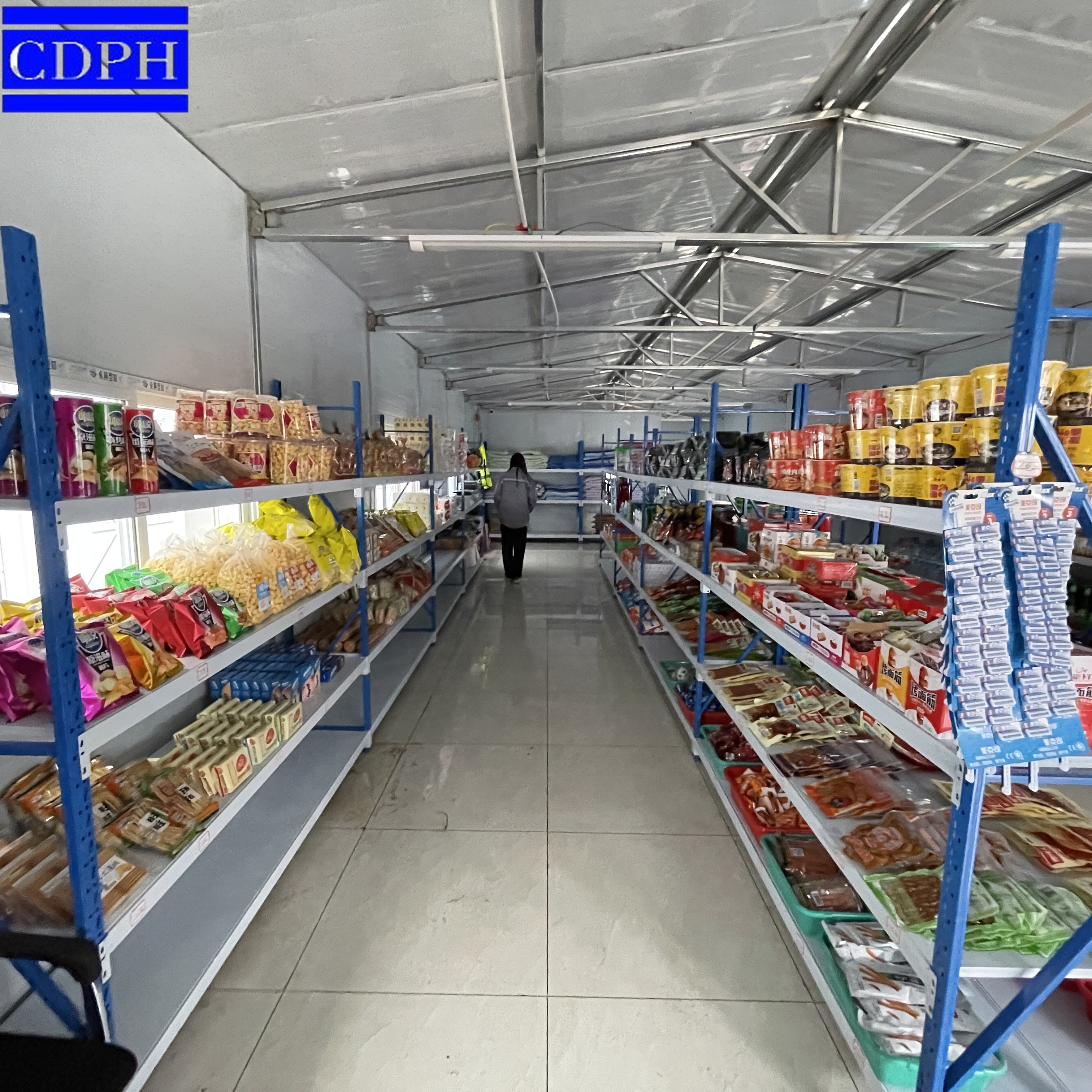
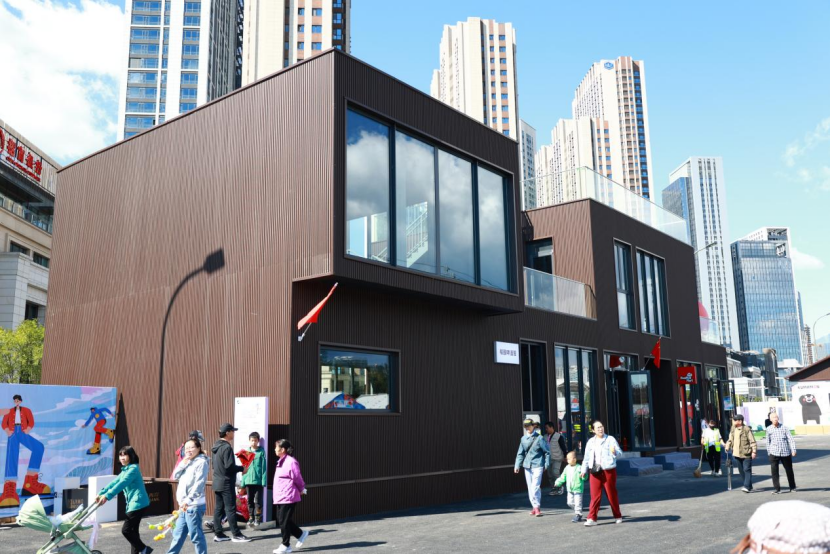
Container stores have completely changed how we think about retail spaces and home storage solutions by using those old shipping containers everyone used to see just sitting around ports. What started as a way to reuse these massive steel boxes has turned empty lots in cities into bustling commercial hubs while giving homeowners something much better than traditional garages for storing stuff. The containers themselves are incredibly strong and can be modified in all sorts of ways, so people are building everything from short term pop-up boutiques to actual studios out back where they can work remotely without leaving home. Businesses love this because it saves money on rent while individuals get creative with their living spaces. We're seeing this trend everywhere now, with container conversions popping up not just in big cities but even in suburban neighborhoods where families want extra room without moving house.
Modular retail space adoption in urban markets [data: 35% CAGR since 2020, IBISWorld]
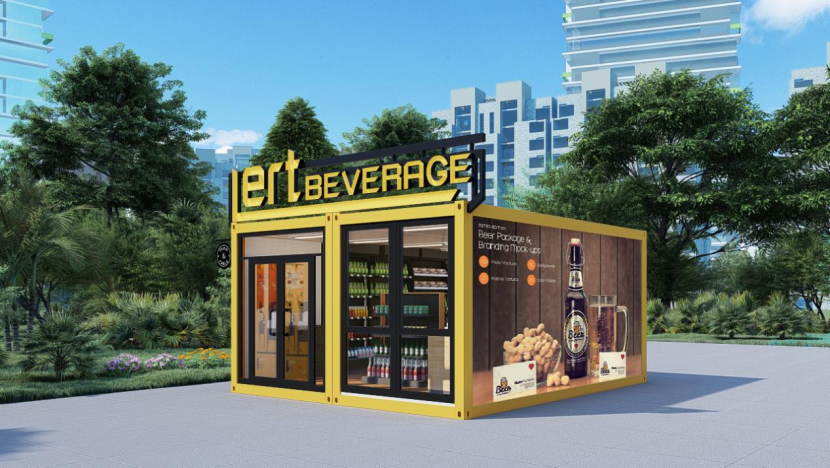
Modular retail is taking off fast in urban areas. The numbers back it up too IBISWorld reports a 35% compound annual growth rate since 2020. Why? Because lots of small business owners cant afford traditional commercial space in expensive cities. Container based stores offer something different. They let entrepreneurs get their foot in the door at prime spots without signing those long term leases that eat into profits. Plus nobody wants to tie up capital on big overhead costs when starting out. These mobile units can be moved around as needed, which means they work really well when customer preferences change or during busy seasons when extra capacity is required.
Pop-up shop container success in seasonal commerce
Container pop shops are changing how businesses approach seasonal selling because they offer flexible retail options that don't tie companies down financially. Retailers love them for trying out unfamiliar areas, connecting with shoppers around Christmas time or local festivals, and generating excitement with temporary setups that only last a few weeks. The fact that these containers can be moved anywhere gives stores the freedom to set up where people actually gather - think farmer's markets on weekends, holiday craft fairs, or busy tourist spots in summer months. Then when business slows down there, just pack up and move somewhere else. This kind of flexibility means less money lost if things don't work out, but also gets products in front of lots of potential buyers exactly when demand is highest. That's why so many forward thinking brands now see container pop ups not just as gimmicks, but as smart investments in their overall marketing strategy.
Design Principles for High-Performance Container Stores
Ergonomic layout strategies for compact storage solutions
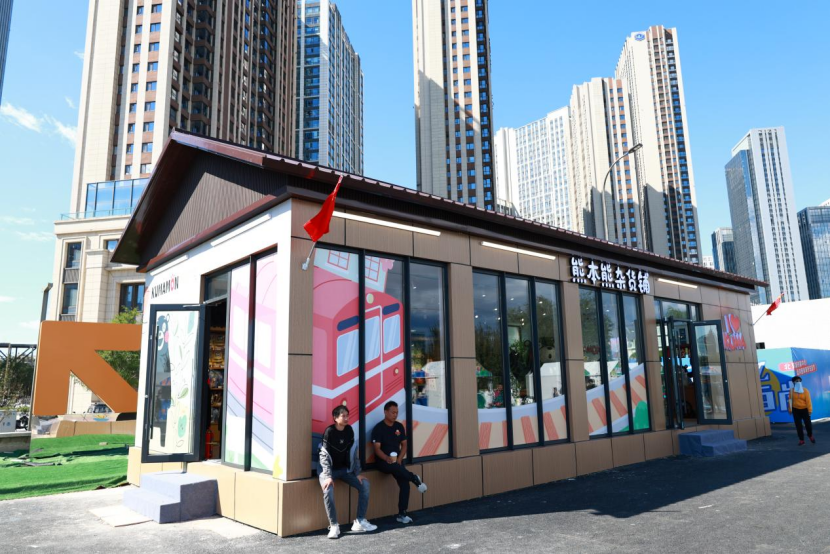
Getting the most out of space in a container store really comes down to how well the layout is planned out. Since these stores typically have small footprints, good designs focus on making the most of height, using furniture that serves multiple purposes, and keeping walkways free for customers to move around comfortably. Putting work stations in corners, installing shelves with multiple levels, and carefully positioning aisles between displays makes everything easier to reach and navigate, which helps employees get things done faster while shoppers can find what they need without frustration. When designers think about ergonomics during planning, they actually manage to work around the tight spaces instead of being limited by them. The result? Stores that look bigger than they really are, with fewer distractions and better organization all around.
Integration of smart shelving in container store environments
Smart shelving has become pretty standard in most container stores nowadays, thanks to all the IoT tech that makes managing inventory so much easier. These shelves come packed with weight sensors plus RFID tags that keep tabs on what's sitting there. When something starts running low, the system sends alerts to staff members who need to grab more stock. Many of these smart shelves work hand in hand with mobile point-of-sale devices, which really helps things run smoothly even in cramped store layouts. Stores that have implemented this kind of setup typically see around 30 percent fewer mistakes in their inventory counts and get products back on shelves about 25 percent quicker than before. For retailers dealing with modular retail spaces where every square foot matters, this sort of technological upgrade can make a world of difference in day to day operations.
Thermal and structural adaptations for year-round use
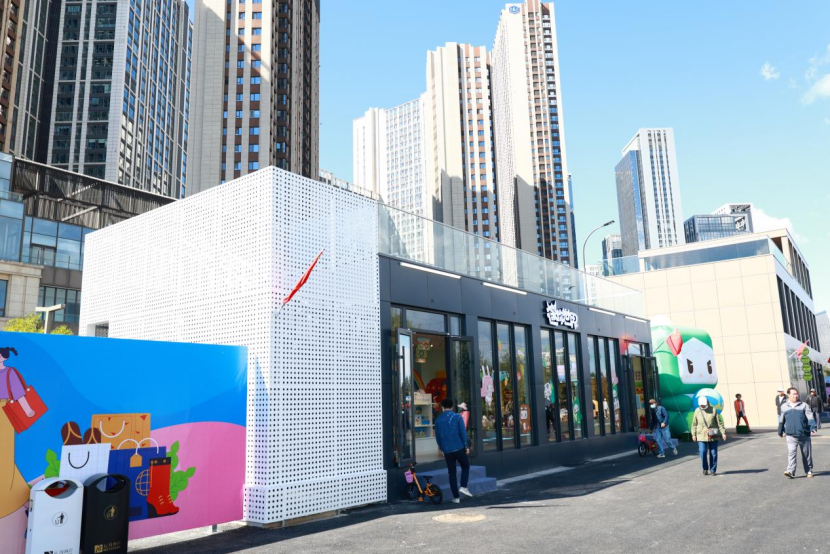
Container stores need some serious upgrades if they want to stay comfortable through every season. Spray foam insulation is great because it gives those high R-values we all hear about but doesn't take up any precious inside room. Then there's the double wall stuff with those little air gaps between them that actually makes a big difference when temperatures swing wildly outside. The floors also need reinforcement since nobody wants their expensive inventory sinking into the ground. And let's not forget about those energy efficient windows that bring in sunlight during the day and help keep things from feeling like an oven or freezer at night. All these changes together cut down on heating and cooling costs by around 40%, according to some recent studies from last year on modular buildings. That kind of savings means businesses can operate comfortably throughout the entire year without breaking the bank on climate control.
The Dual Functionality of Container Stores: From Retail to Home Use
Transforming Backyard Spaces with Modular Home Store Systems
Backyard spaces are getting a major upgrade thanks to shipping containers turned into all sorts of useful structures. These old cargo boxes can become workshops where people tinker on projects, art studios for creative types, or even safe places to store stuff through harsh weather seasons. The containers come ready made and stand up well against rain, snow, heat whatever Mother Nature throws at them. Inside stays pretty consistent temperature wise so tools and gear don't get damaged over time. Most folks love adding custom touches too like shelves mounted right into walls, sturdy workbenches, and those big sliding doors that make moving things in and out much easier. What makes these different from regular garden sheds? Well, containers just last longer, keep intruders out better, and let homeowners change things around as their needs grow. A family might start with one container for storing holiday decorations but later expand it into a full blown home office when space becomes an issue.
Organizing Home Inventory Using Container-Based Modular Interiors
Organizing with container style ideas actually works wonders for home storage solutions. These systems take what works in warehouses and adapts it for living spaces. They focus on making good use of wall height, shelves that move around, and dividing things into sections. This approach means we get more storage but still keep everything within reach and looking neat. People who try this method often sort their stuff like stores do, grouping similar items together. Think about putting Christmas decorations in one area, sports equipment elsewhere, and keeping food supplies organized in another spot. The sturdy build lasts years without falling apart, and since most parts snap together easily, families can rearrange things whenever life changes or new storage needs pop up.
Future Trends in Container Store and Modular Retail Innovation
Smart sensors and IoT integration in next-gen container store units
The latest container stores are now equipped with sophisticated IoT sensors that track everything from stock levels to room temperatures, light intensity, and even how many people are inside at any given time. These smart systems tweak the climate controls and lighting automatically depending on when folks actually show up, which can cut down electricity bills somewhere around 30 percent according to industry reports. Some stores have started offering tailored shopping experiences too, where customers get recommendations as they walk through aisles, and pay for items without ever stopping at traditional registers thanks to their smartphones connecting directly to store networks. With all this tech becoming commonplace across retail spaces, containers aren't just storage anymore but rather living, breathing marketplaces filled with actionable information that helps operators run things better while still keeping shoppers happy.
Growth projections for prefabricated home store units [data: $4.2B market by 2027, Grand View Research]
Grand View Research estimates that the market for prefab home storage units will hit around $4.2 billion by 2027. Why? People are getting tired of wasting space and money on conventional housing options. There's definitely something happening with modular construction these days. Container homes stand out because they install much quicker than standard houses. Plus, there's way less material going into landfills during construction. Environmentally speaking, these systems just make sense when compared to traditional building methods. That's why so many green-minded folks and city residents are starting to take notice of this alternative approach to housing.
Hybrid work-lifestyle spaces: Blending container stores with home offices
Container units have become something else entirely these days - they're not just storage boxes anymore but actual work-life hybrids. Some folks turn them into little shops that double as home offices, others set up art studios or even yoga spaces inside. The best ones come with good sound insulation so nobody gets annoyed by noise, plus they're laid out in ways that make sense for working comfortably. Entrepreneurs love this setup because it lets them operate their business right there at home without mixing everything together. Cities are changing fast, and people want spaces that can do multiple things at once. Flexibility matters more than ever, especially when rent keeps going up and everyone needs to maximize what they've got.
FAQ Section
What is the container store movement?
The container store movement involves using shipping containers to create modular retail and home spaces that offer flexibility, durability, and cost efficiency compared to traditional construction methods.
Why are container stores popular in urban markets?
Container stores are popular in urban markets because they provide affordable retail space options for small business owners, allowing them to avoid high traditional lease costs and adapt to changing consumer preferences.
How do pop-up container shops benefit seasonal commerce?
Pop-up container shops offer flexible retail setups that can be moved to high-traffic areas during peak seasons, allowing retailers to target specific markets without long-term financial commitments.
How do container stores integrate smart technology?
Container stores use IoT technology to manage inventory, optimize climate control, and offer personalized shopping experiences, improving efficiency and customer satisfaction.
What are the environmental benefits of container store systems?
Container store systems reduce waste during construction, minimize land usage, and lower energy costs, making them a sustainable alternative to conventional building methods.