EN
EN

Understanding the Container Home Market Landscape
Defining container home and containers home in residential construction
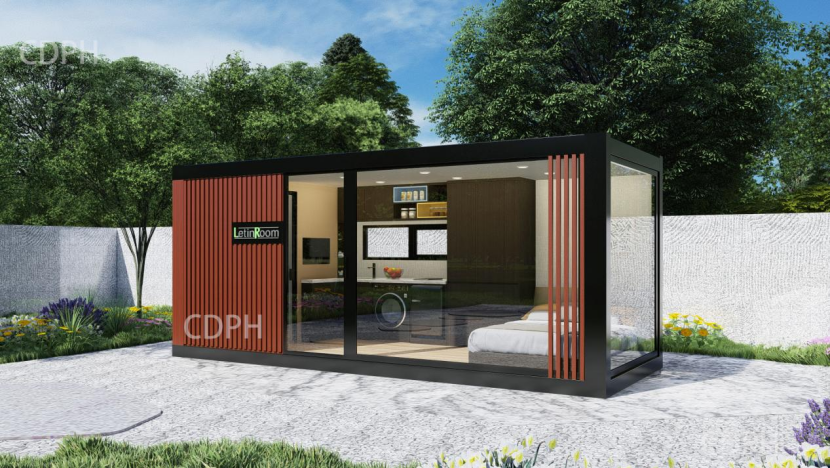
Container homes are basically houses made from old shipping containers that get reused instead of sitting idle in ports. They represent a green way to build affordable housing without breaking the bank. When we talk about the container home market, we're really looking at all the companies and designers who work with these metal boxes, turning them into living spaces or even small businesses. What makes container homes so appealing? For starters, they last forever because steel doesn't rot or warp like wood does. Plus, people love how easy it is to stack and rearrange them. And let's face it, nobody can argue against using something that would otherwise go to waste. Many architects now see containers as building blocks for creative projects across cities worldwide.
The evolution of prefab container homes market trends
What started as a quirky architectural experiment with shipping containers has now become a serious option for regular homebuyers looking for affordable housing. Back in the day, only people really focused on saving money or being green would consider container homes, but lately we're seeing all sorts of folks getting interested. Manufacturers have gotten better at their game too. They've standardized how they build these homes, which brings down costs. Insulation technology has come a long way so these boxes don't feel like iceboxes anymore. And designers are finally figuring out how to make them look good instead of just stacking metal rectangles together. These improvements mean container homes can actually be comfortable places to live, not just temporary fixes for budget conscious individuals.
Global demand drivers and regional hotspots for container homes
North America sits at the top of the global container home market right now, grabbing around 35% of all business in this sector. Looking specifically at the US market for container homes, it hit $3.8 billion back in 2022, and experts expect it to keep growing at almost 9% each year until 2027. What's pushing this growth? Well, folks are struggling with rising housing prices across the board. More people are also becoming environmentally conscious these days. Plus there's this whole trend toward minimalism that makes container homes really appealing. Europe isn't far behind North America when it comes to interest in container homes either. The same goes for parts of Asia Pacific where many nations still grapple with finding affordable housing solutions. Countries with serious housing crises or those that have made sustainability a priority tend to see stronger adoption rates of container home technology.
Market Size and Growth Trends in the Container Home Industry
Current market valuation and CAGR of modular container housing
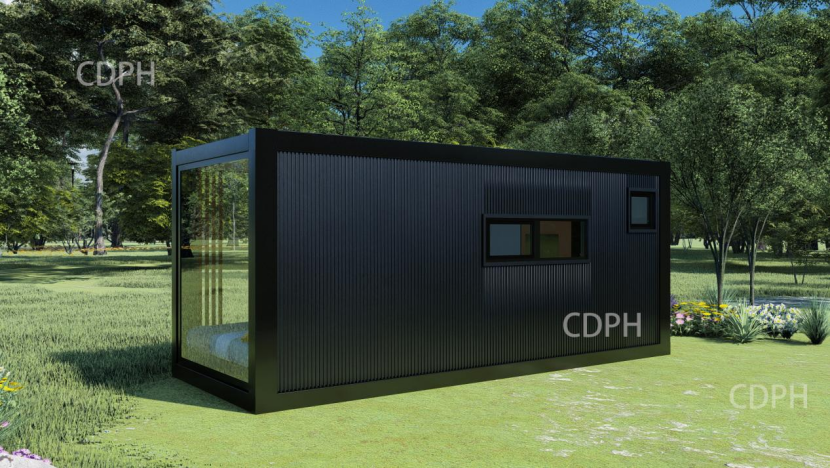
Market estimates put the modular container housing sector somewhere around $57 to $72 billion in 2024, with projections suggesting it could hit anywhere from $87 to $117 billion by 2032. That's a compound annual growth rate of roughly 5 to 6.3 percent over that period. The reason behind this boom? More people across the globe are turning to these solutions because they want something both budget friendly and environmentally conscious. When companies repurpose shipping containers into living spaces or offices, they save money on construction costs while also cutting down on waste materials. Both homebuilders and business owners find these advantages appealing, which explains why we're seeing so many creative applications popping up everywhere these days.
Key players shaping the container home industry
Big names in manufacturing along with niche specialists are pushing boundaries when it comes to design work, engineering solutions, and building sustainably. Many of these companies now offer both standard modular setups as well as custom made variations that fit different requirements. What we're seeing is real progress in how well these structures handle temperature changes, maintain strength over time, and look good too. Container homes used to be seen mostly as quirky experiments but they're becoming serious alternatives for regular folks looking for affordable housing options. Some major industry players have formed alliances with tech innovators lately, which helps them reach customers all around the world at various price points.
Innovation and Sustainability in Modern Container Home Design
Smart technology integration in container home developments
Container homes today are getting smarter all the time when it comes to saving energy while still being comfortable places to live. Many have automatic thermostats that adjust based on weather conditions, lights that turn off when no one's around, plus security cameras connected to smartphones. These features actually cut down on electricity bills quite a bit. Some studies indicate smart homes might save around 30 percent on monthly power costs compared to regular houses. What makes container homes stand out is how they bring together cutting edge tech with green living principles, making them pretty much at the forefront of environmentally friendly housing options right now.
Sustainability advancements in container home construction
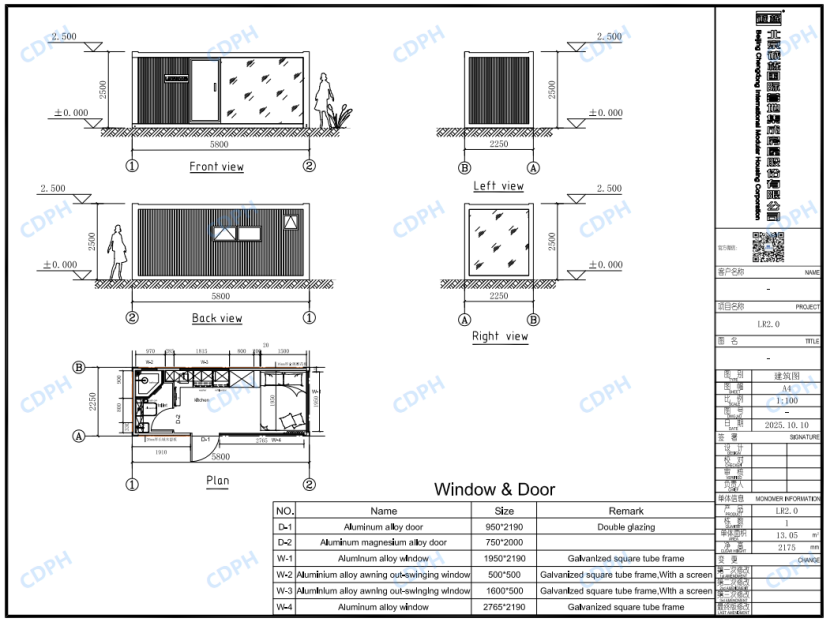
The industry isn't just reusing old steel containers anymore but has moved on to much broader green approaches. We're seeing some pretty cool stuff these days like super thick insulation that beats what was standard before, systems to collect rainwater for later use, and solar panels installed on rooftops that can cover almost all the electricity needed for daily living. Companies are getting smart about how they build too, creating parts that can be taken apart easily so materials get reused rather than tossed away when buildings reach their end of life. All these changes mean those big metal boxes we once saw as storage units are now becoming homes that actually work well without hurting the environment so much.
Case Study: Net-zero energy container homes in Europe
A groundbreaking initiative in northern Sweden has shown that container homes can actually reach net zero energy consumption through smart design choices. These innovative dwellings incorporate top quality solar panels, excellent insulation materials, and ground source heating systems. Even during those brutal Scandinavian winters when temperatures drop below freezing for months on end, residents report comfortable living conditions inside. What's really impressive is these homes only need about one third of the energy typically used by standard houses in the area. The success of this experiment proves that repurposed shipping containers aren't just temporary solutions anymore but serious contenders in the green building movement across the globe.
Container Homes as a Solution for Affordable Housing
How container homes address global affordable housing challenges
Container homes are becoming an increasingly viable solution for the massive global housing problem affecting around 1.6 billion people who simply don't have proper places to live. Building these homes typically costs between 40 to 60 percent less than regular houses, which means they can provide sturdy, weatherproof living spaces without breaking the bank. What makes them really special is their modular construction approach. Assembly happens much quicker too sometimes cutting down building time by half compared to standard methods. This speed matters a lot when deploying housing solutions both in crowded cities and out in remote locations where traditional construction just isn't practical. Plus, containers can be stacked on top of each other to save precious ground space in densely populated areas. And because they're portable, these structures work well in places where there's not much existing infrastructure already in place.
Cost comparison: Traditional homes vs. container homes
Most container homes fall in the price range of about $100 to $180 per square foot, which is actually cheaper than building traditional houses that usually cost between $150 and $250 per square foot. Some really basic models can be had for as little as $12,000. The money saved comes mainly from using old shipping containers instead of buying new materials like wood, concrete blocks, or bricks. Also, since these containers are already made, there's not as much need for workers on site during construction. And because they sit right on the ground without needing deep foundations, digging work gets cut down too. Another big plus is that when building with containers, we throw away way less stuff. Studies show maybe as much as 80 percent less waste overall. That makes sense for budget housing projects looking to save cash while still being good for the planet.
Standardization vs. Customization: Navigating Challenges in the Container Home Market
Container homes sit at an interesting crossroads between mass production and individual expression. When manufacturers stick to standardized designs, they can churn out units quickly while keeping costs down thanks to bulk purchasing power. But here's the catch: more and more people want their living spaces to reflect who they are, not just fit into a mold. They need containers modified for tricky terrains or adapted for specific family dynamics. Regulations throw another wrench into things too. Local building rules differ from one town to the next, and many haven't caught up with modern container construction techniques. People still worry about whether these homes will keep them warm in winter, last decades without problems, or even sell when they decide to move on. For this market to really take off, companies need to find ways to balance budget friendly production with meaningful customization options, navigate the patchwork of regulations, and most importantly, address genuine concerns that potential buyers have about long term comfort and investment.
FAQs on Container Homes
What are container homes?
Container homes are residential structures made from old shipping containers. They are eco-friendly and cost-effective solutions for housing.
Are container homes really durable?
Yes, container homes are durable because they are made of steel, which doesn't rot or warp like wood.
Why are container homes becoming more popular?
Container homes are gaining popularity due to their affordability, sustainability, and uniqueness, coupled with modern insulation and design improvements.
How much do container homes cost?
Container homes generally cost between $100 to $180 per square foot, which is cheaper than traditional housing it's a cost-effective solution for affordable housing.
Where are container homes most popular?
Container homes are most popular in North America, Europe, and Asia-Pacific, with North America leading the demand.
Table of Contents
- Understanding the Container Home Market Landscape
- Market Size and Growth Trends in the Container Home Industry
- Innovation and Sustainability in Modern Container Home Design
- Container Homes as a Solution for Affordable Housing
- Standardization vs. Customization: Navigating Challenges in the Container Home Market