EN
EN

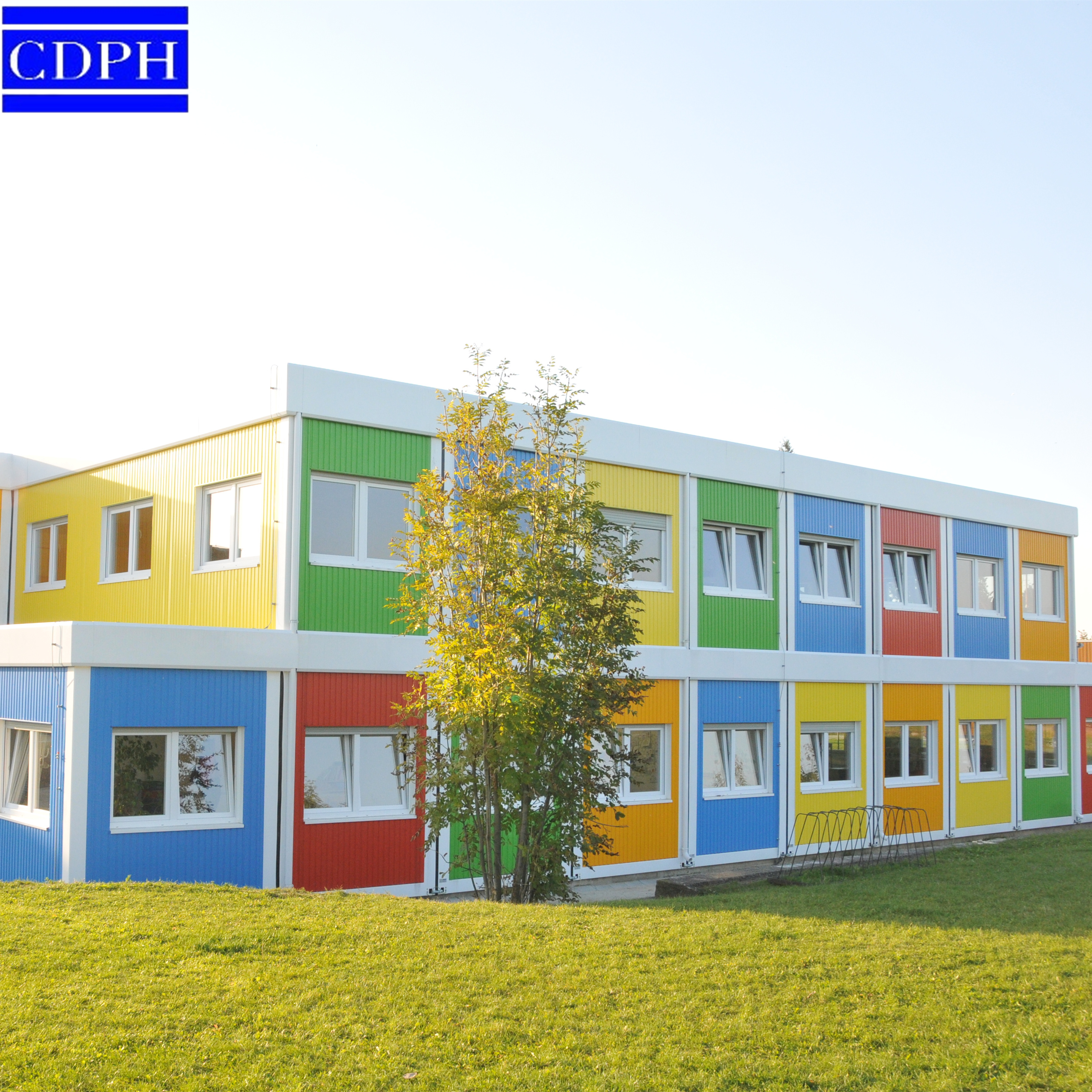
The Rise of Prefabricated Hotels in Modern Hospitality
Understanding modular hospitality and its market growth
Modular hospitality basically means building complete hotel rooms or guest units away from the actual construction site, then shipping them over and putting everything together where needed. More hotels are turning to this method because it speeds things up, cuts costs, and tends to be better for the environment compared to traditional building approaches. Why? Well, there's just so much need for quick hotel setups across cities and out in the countryside too. Plus manufacturers have gotten really good at making these modules fit together perfectly while still allowing plenty of creative freedom in design. Industry reports suggest something pretty impressive happening here too. The market for modular construction in the hospitality sector could see around 9.3 percent growth each year until 2030 according to latest figures, showing investors clearly believe in what this new building technique brings to the table.
Key drivers behind the adoption of prefabricated hotel rooms
With fewer workers available and construction getting more expensive all the time, off site manufacturing just makes more sense these days. It cuts down on what people need to do at actual construction sites and avoids those frustrating delays when bad weather hits. Getting things built faster matters a lot too for hotel owners. They can actually start making money from their properties way before they would with regular old construction methods. Plus, everyone cares about being green now, right? Modular buildings create less waste overall and leave a smaller carbon mark compared to traditional approaches. And let's face it, hotels often need to grow over time. Prefab modules make expansion possible bit by bit without tearing everything apart or shutting down parts of the business completely during renovations.
Data insight: Global modular construction in hospitality to grow at 9.3% CAGR through 2030
Market forecasts predict modular construction in the hospitality sector will grow at around 9.3% annually until 2030, which shows something big is happening in hotel building practices across the globe. When developers use these prefabrication techniques, they often cut down on construction time by anywhere between 30% to almost half compared to conventional building methods. Plus, there's usually about a 20% saving on both labor costs and materials. We're seeing this shift most clearly in places where construction expenses run high and regulations get complicated, like in major cities or regions with strict building codes. The factory-controlled setting allows for better quality control and makes it easier to meet all those regulatory requirements. Given these benefits, what was once considered just an alternative approach is now becoming standard practice for hotel developers looking to streamline their projects without compromising on quality.
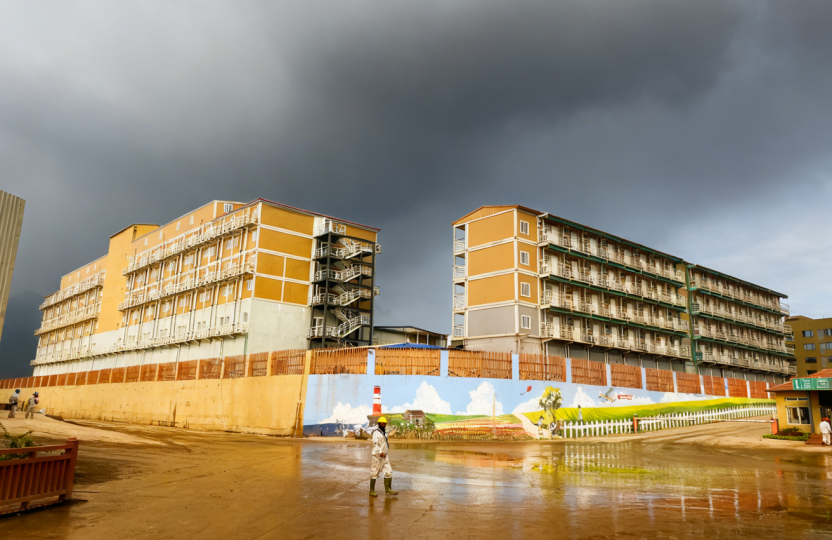
How Prefabricated Hotel Rooms Redefine Construction Efficiency
The process of off-site manufacturing for quick build lodging
Hotel rooms made in factory settings benefit from controlled environments where they're built with assembly line efficiency. While the factory works on these modules, crews can prepare the actual building site at the same time. This approach cuts down on delays caused by bad weather and gets projects finished about 30 to maybe even 50 percent faster than old school construction methods. The factory setting allows for better quality checks since everything happens under one roof. There's less wasted materials because measurements are spot on, and each module goes through inspection processes before heading out. When these finished units arrive on site complete with walls, wiring, and pipes already installed, putting them together takes just weeks instead of the months typically needed for traditional building approaches.
Comparative timeline: Traditional vs. prefabricated hotel room assembly
The timeline disparity between traditional and modular construction reveals why prefabricated hotels dominate modern hospitality development. Traditional hotel construction typically requires 12–18 months from groundbreaking to completion, with sequential trades causing inevitable delays. In contrast, modular construction compresses this timeline dramatically:
| Construction Phase | Traditional Timeline | Prefabricated Timeline |
|---|---|---|
| Foundation & Site Work | 3–4 months | 3–4 months |
| Structure & Enclosure | 4–6 months | 0 months (factory concurrent) |
| Interior Finishing | 5–7 months | 2–3 months (factory) |
| Final Integration | 1–2 months | 2–4 weeks |
| Total Project Duration | 12–18 months | 6–9 months |
This streamlined approach enables developers to achieve revenue generation up to 50% faster while maintaining higher construction quality through factory-controlled processes.
Case study: A 150-room hotel completed in 12 weeks using modular units
One remarkable building project showed just how efficient modern construction can be when they completed a 150 room hotel in only 12 weeks, which is about 70 percent quicker compared to traditional building techniques. While workers were preparing the foundation at the actual location, the factory was already putting together components, saving tons of time overall. Going modular cut down on site labor needs by around 60 percent and slashed construction waste by nearly three quarters too. Plus, the hotel was able to welcome guests three months sooner than normal timing, catching the high season rush when business tends to boom. Every single guest room still had all those fancy finishes people expect from luxury hotels, so nobody would guess it went up so fast. Speed didn't mean cutting corners here.
Turnkey Solutions in Prefabricated Hotels: From Factory to Guest Check-In
What defines a true turnkey hotel solution
Turnkey hotel solutions basically mean one company handles everything from blueprint to opening day. Instead of dealing with dozens of different contractors for architecture, construction, furniture, and systems installation, hotel owners get a ready-to-go facility straight from the provider. What makes these projects stand out is when the property arrives completely equipped with all necessary furnishings, technology, and staff training done. The owner literally just flips a switch and starts welcoming guests. Most developers find this approach cuts down on headaches since there's no juggling between different vendors or worrying about coordination issues between departments during construction.
Integrated services: Design, build, transport, and install
An integrated service approach usually involves around four main stages working together. First comes the design stage where architects, interior designers, and engineers all come together to plan out buildings made from modular parts. The actual building happens inside factories where conditions can be controlled better than on traditional construction sites, which helps keep the quality pretty much the same throughout every module produced. Getting these big pieces from point A to B requires some special care too. Companies have to figure out the best routes and handle them carefully so nothing gets damaged along the way. When it finally arrives at the construction site, skilled workers take over. They put everything together piece by piece, hook up water and electricity lines, and finish off walls and floors. Most projects see their timeline cut down somewhere between 30% to maybe even half compared to conventional methods, though results vary depending on location and project specifics. Quality stays high because there's less room for errors when things are built in controlled settings.
Trend analysis: Demand for plug-and-play hospitality in remote locations
We're seeing a real surge in demand for ready-to-use hospitality setups, especially out in those tough spots where building from scratch just doesn't make sense logistically or financially. Take places like mountain resorts or desert campsites for instance these days they're turning to modular builds because regular construction simply won't cut it there. Why? Well, infrastructure problems plague many remote areas, plus there's often only a short window during good weather when actual building can happen. Companies want to get their projects up fast without waiting around for months. Plus, folks care more about sustainability now than ever before. Prefab hotel units work wonders here too. Developers can pop them into place even in delicate ecosystems or hard to reach regions without tearing up the landscape. They save money and time while keeping things eco friendly at the same time.
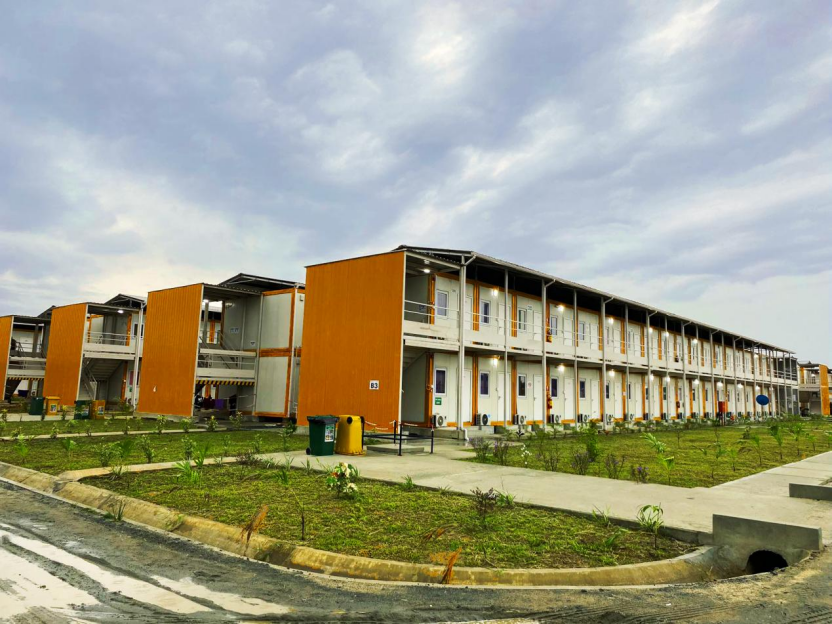
Applications and Expansion: Temporary Units and Resort Growth
Modular accommodations for festivals, sports events, and emergency housing
Modular hotel units offer flexible options when temporary lodging is needed across different industries. Festival organizers and sports event planners find these prefabs particularly useful because they can set up hundreds of beds overnight instead of waiting weeks for construction crews. The military has used similar structures after natural disasters too, providing shelter to communities hit by hurricanes or earthquakes. What makes these units so valuable? They go from empty shells to complete living spaces in just a few days time frame, which means people in need get proper accommodations faster while still meeting basic standards of safety and comfort requirements.
Strategic resort expansion with prefab: Adding capacity without downtime
More and more resort managers are turning to prebuilt hotel rooms when they want to expand without messing up their regular operations. Traditional building methods can be a real pain because they involve all sorts of noisy construction work that drives away customers. With modular building techniques though, resorts can actually grow their space while keeping everything else running as normal. The whole process happens off site where these new villas, luxury suites, or even entire sections of the resort get built almost entirely before being shipped over. Once they arrive on location, workers just need to hook them up to water, electricity, and other basics rather than dealing with months worth of hammering and drilling right next door to occupied rooms. This approach stops hotels from losing money during expansions and keeps guests happy since there's no constant construction noise ruining their vacation vibe.
Case study: Caribbean resort adds 40 villas in 8 weeks with zero guest disruption
A high-end resort in the Caribbean somehow managed to add 40 top-notch villas within just eight weeks all while keeping guests happy. The clever part? These villas got built elsewhere while workers back at the resort site laid down foundations and set up necessary infrastructure. When they finally brought in those ready-made modules, it took mere days to hook everything up and finish touches inside each space. Guests didn't complain about construction noises or disruptions during their stay, which is impressive given that the resort actually hit its highest earning period and boosted overall capacity by nearly a third. What makes this even more remarkable is that the whole thing wrapped up 60 percent quicker than standard building approaches would allow. This shows just how effective modular construction can be when expanding hotel operations without messing up day-to-day business as usual.
Design flexibility: Matching luxury aesthetics in high-end properties
Today's prefabricated hotel rooms give designers plenty of creative freedom to satisfy the look and feel requirements of upscale hotels and fancy resorts. The latest manufacturing methods let developers incorporate everything from special surface treatments to top shelf building materials and intricate design elements that stand up to regular on-site construction. Think about actual features like solid wood floors, real granite surfaces in kitchens, made-to-order storage solutions, and high end bathrooms with designer touches. All of this customization means each module can fit right into whatever branding guidelines the property follows. Because everything gets built under controlled factory conditions, there's much better quality assurance compared to traditional site work. For high end resort operators, this means they can keep their luxurious image intact without sacrificing the time savings and cost benefits that come with offsite construction methods.
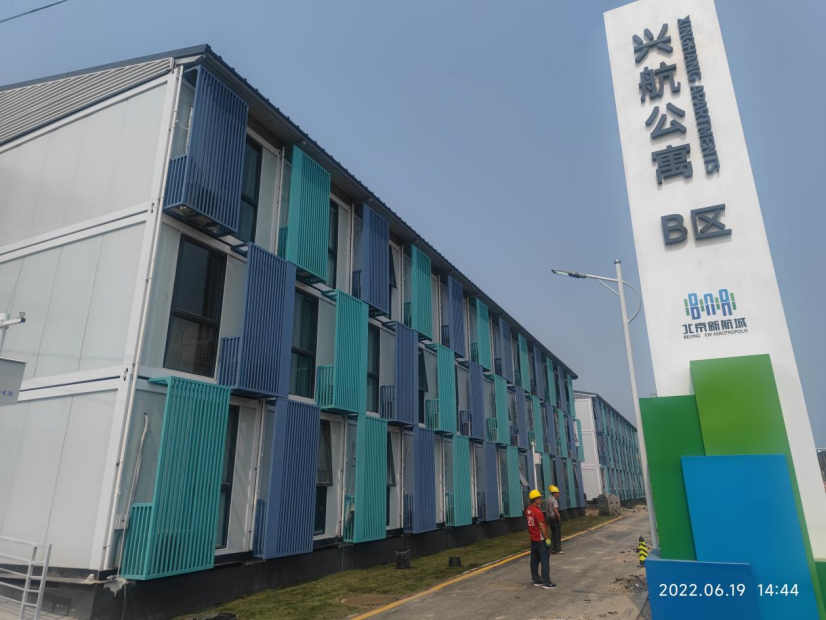
Sustainability and Long-Term Value of Prefabricated Hotels
Reduced waste and carbon footprint in modular hospitality builds
Building hotels using prefabrication techniques cuts down on environmental harm because most of the work happens in factories where there's better control. Factories typically waste around half as much material as traditional site-based methods do. When parts are cut precisely and assembled properly, we avoid damage from bad weather, get better use out of what we have, and recycle leftover stuff right at the construction site. The modular approach can slash carbon emissions somewhere between 40 to 45 percent throughout the entire life of a building, so it makes sense for hotel chains wanting to green up their operations. Logistics become simpler too since companies send fewer big shipments of finished modules instead of constantly trucking in raw materials bit by bit, which naturally shrinks the overall carbon print.
Energy-efficient materials and recyclability of prefab hotel rooms
Today's prefabricated hotels are starting to use some pretty impressive materials when it comes to saving energy, going beyond what most traditional buildings offer. Think things like super thick insulation, those special windows that don't let heat escape so easily, plus all sorts of eco-friendly panels made from recycled stuff. All these upgrades can cut down on energy bills quite a bit, maybe around 35-40% in some cases. Plus, they're built with recycling in mind, so a lot of parts can actually be taken apart and reused later on or will naturally break down over time. Since everything gets assembled in a controlled factory setting, there's much better control over how tight the building envelope is, which means no drafts sneaking through cracks and gaps. This makes a huge difference in keeping interiors comfortable without wasting power. A growing number of companies are also adding green tech right from the start, like rooftops ready for solar panels installation and ventilation systems that recover wasted heat during operation, making these hotels not just efficient but genuinely sustainable long term.
Lifecycle comparison: 30+ year durability of modern prefabricated hotels
Modern prefabricated hotels last much longer than most people expect, with their structural systems built to stand up for over 30 years without losing their looks or functionality. Because these buildings are made in controlled factory settings, the quality stays consistent across all units and materials get better protection during production. When put to the test, many prefabs actually hold up better than regular hotels built on site. Traditional hotel properties typically need big overhauls every five to seven years, but prefab structures keep performing well with little upkeep thanks to precise manufacturing techniques and top notch materials used throughout construction. Plus, since these buildings come in modular sections, owners can easily rearrange spaces or update features as needs change over time. All this adds up to real money savings over decades and helps maintain eco-friendly operations without constant rebuilding.
Frequently Asked Questions
What are prefabricated hotel rooms?
Prefabricated hotel rooms are units built off-site, typically in a factory setting, and then transported and assembled at the desired location. This modular approach allows for quicker construction times and offers greater design flexibility.
Why is modular construction becoming popular in the hospitality sector?
Modular construction is gaining popularity due to reduced costs, faster construction times, improved quality control, and better environmental benefits. It allows hotels to grow without disruption to ongoing operations.
How does prefabricated hotel construction impact sustainability?
It reduces waste and carbon emissions compared to traditional construction methods. The controlled factory environment ensures precise building practices, leading to fewer material waste and better resource utilization. Prefab hotels also often incorporate energy-efficient materials.
Are prefabricated hotels durable?
Yes, modern prefabricated hotels are designed to last over 30 years with minimal maintenance, offering durability comparable to traditionally constructed hotels.
Can prefabricated hotels match luxury aesthetics?
Yes, prefabricated hotels provide ample design flexibility allowing them to meet high-end aesthetic requirements typically found in upscale hotel properties.
Table of Contents
- The Rise of Prefabricated Hotels in Modern Hospitality
- How Prefabricated Hotel Rooms Redefine Construction Efficiency
- Turnkey Solutions in Prefabricated Hotels: From Factory to Guest Check-In
- Applications and Expansion: Temporary Units and Resort Growth
- Sustainability and Long-Term Value of Prefabricated Hotels
- Frequently Asked Questions