EN
EN

Construction Process: Modular Home Builder vs Traditional Home Builders
How modular homes are built off-site in controlled environments
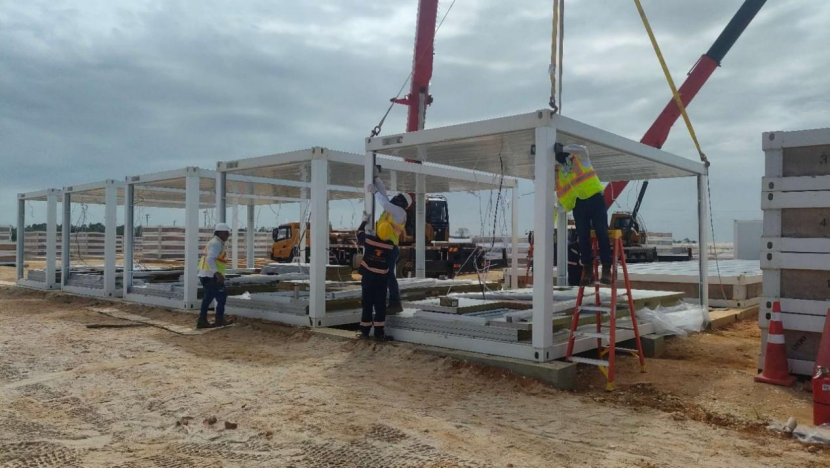
Most modular home builders actually put together around 85 to 90 percent of what makes up a house inside factory settings where temperature is carefully controlled. These sections, which folks call modules, get their framing done, wiring installed, and insulation added along assembly lines equipped with robotic cutting equipment. According to recent studies from NAHB in 2023, these advanced tools cut down on wasted materials by about 14% when compared to older building techniques. Working indoors means no waiting for bad weather to pass, so contractors can start preparing foundations at the actual building site even while workers finish constructing modules elsewhere. Before anything gets shipped out for final installation, independent inspectors come through regularly checking all those critical systems like electricity, water pipes, and structural integrity throughout each step of production.
On-site construction phases in traditional home building
Most traditional building companies stick to a pretty straightforward process: clear the land first, then pour the foundation, put up the frame, install all the mechanical stuff like plumbing and electrical, and finally do the interior work. But all these steps happen outside where weather can wreak havoc. According to some research from last year, about one in four traditional construction projects gets delayed by at least a month because of bad weather or running out of materials. When workers need to fit HVAC ducts and other systems into already built parts of the house, they end up spending extra time and money making changes after the fact. Sure, there's flexibility to tweak designs while building is underway, but meeting local codes becomes a bigger headache requiring roughly 30% more site visits than with other methods, as noted in an ICC report on building standards.
Timeline and Efficiency in Modular vs Site-Built Homes
Speed of Modular Construction Due to Parallel Site and Factory Work
About half of modular construction gets done in the factory long before anyone even breaks ground on site. While factory workers are putting together these building blocks, onsite teams can get busy with foundation work and utility connections. This approach really helps dodge those frustrating weather delays that plague traditional builders. Most projects end up saving somewhere between three to six months overall. A recent look at industry data from 2024 shows something pretty impressive too homebuyers actually get to move into their new place anywhere from four to nine months earlier compared to regular stick-built houses. Makes sense when you think about it all happening simultaneously instead of one step after another.
Delays and Weather Dependencies in Traditional On-Site Building
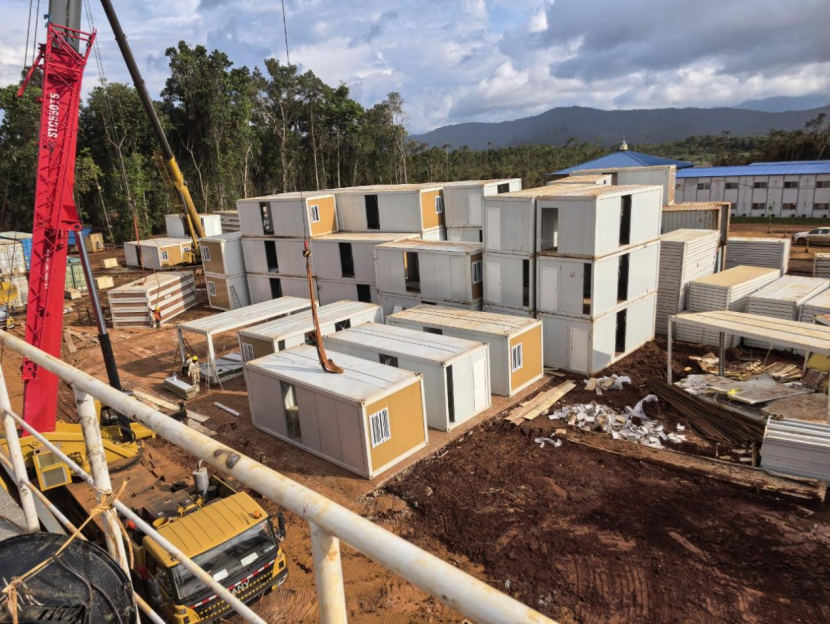
Construction crews typically waste somewhere between 12 to maybe even 18 days each year because of bad weather conditions, which often pushes back project completions by about 2 or sometimes 4 whole months in regions with moderate climates. According to a recent survey from last year involving over 2,000 different contractors across the country, roughly 8 out of every 10 on-site construction projects ran into some kind of surprise problem. These issues put them at around 34 percent greater risk compared to what happens with modular building methods. Most commonly, problems stem from either running short on materials or getting everyone on the team to coordinate properly. Traditional construction workers have it tough since they need to plan important jobs such as putting on roofs or installing insulation during whatever brief periods the weather looks decent enough, and this definitely slows things down considerably.
Cost Comparison: Budgeting with a Modular Home Builder vs Traditional Contractor
Upfront Cost Differences Between Modular and Custom Site-Built Homes
Factory built homes tend to cost around 10 to 20 percent less at the ground level because manufacturers can streamline production processes. Looking at industry figures, modular construction usually comes in between about $100 and $160 per square foot. Traditional stick built houses meanwhile run anywhere from $150 up to $250 per square foot. Labor expenses play a big role here since conventional building requires so much onsite work. Things get even more interesting when we look at expensive real estate markets. There the difference becomes really noticeable as traditional builders often need 30 to 50 percent more hands on deck for on site labor, which naturally drives prices through the roof.
A 2023 construction cost analysis found modular projects complete foundation-to-roof work 40% faster, reducing financing expenses by $12—$18 per square foot. Weather-related delays affect 83% of traditional builds but are nearly eliminated in factory settings.
| Cost Factor | Modular Construction | Traditional Construction |
|---|---|---|
| Base Price/Sq Ft | $100—$160 | $150—$250 |
| Change Order Frequency | 8% of projects | 34% of projects |
| Waste Percentage | 2—5% | 15—25% |
Budget Predictability and Reduced Change Orders in Modular Construction
Modular home builders offer fixed-price contracts for 92% of projects, compared to 58% among traditional contractors (2024 industry survey). Standardized factory processes minimize design revisions, resulting in 67% fewer change orders than site-built homes.
Three key factors enhance financial reliability:
- Pre-engineered systems: 90% of materials are bulk-purchased before groundbreaking
- Parallel workflows: Site prep and module fabrication proceed simultaneously
- Quality control: Factory inspections reduce post-construction repair costs by $4—$7 per square foot
Traditional construction’s open-ended approach leads to 35% of projects exceeding initial budgets by 15% or more. In contrast, modular methods keep 87% of builds within 5% of original estimates through precise planning and sealed production environments.
Customization and Design Flexibility in Modern Modular Homes
Myths vs Reality: Customization Options With a Modular Home Builder
Modern modular home builders provide extensive design flexibility, dispelling the myth of “cookie-cutter” homes. Advanced prefabrication allows customization of floor plans, premium finishes, and integrated smart home technology. A 2024 study found that 78% of modular homebuyers successfully adapted layouts for home offices or multi-generational living.
Manufacturers now support vaulted ceilings, custom cabinetry, and optimized window placements. These options meet growing demand for personalized, efficient homes—proving modular construction balances uniqueness with speed.
Design Adaptability in Prefab Versus Fully Custom Traditional Builds
While traditional building allows unlimited on-site changes, modular construction emphasizes precision and scalability. Prefab designs use standardized modules with flexible configurations—such as expandable rooms or convertible attic spaces—enabling future growth without costly structural overhauls.
| Feature | Modular Construction | Traditional Build |
|---|---|---|
| Material Waste | 30%—50% less | Industry average |
| Post-construction Expansion | Simplified with add-on modules | Costly structural changes |
This adaptability within factory-controlled workflows reduces budget overruns common in custom site-built projects, offering homeowners both personalization and predictability.
Sustainability and Environmental Impact of Modular Construction
Reduced Waste and Material Efficiency in Modular Home Building
Modular home builders achieve superior material efficiency through controlled factory operations. Precision cutting and CAD-guided design reduce waste significantly, with industry reports indicating up to 90% less waste than traditional construction. Off-site production enables exact material ordering and immediate reuse—steel scraps become reinforcements, wood offcuts are repurposed into cabinetry.
In contrast, conventional sites generate over 8,000 pounds of landfill waste per home due to weather damage and measurement errors (Sustainable Building Initiative 2023).
| Material Efficiency Factor | Modular Construction | Traditional Construction |
|---|---|---|
| Wood Utilization Rate | 97% | 82% |
| Steel Recycling Capacity | 94% | 78% |
Energy Efficiency and Long-Term Environmental Benefits
When building modular homes in factories, builders can actually incorporate various energy saving features right from the start. The combination of multi layer insulation plus those fancy robotic sealing systems means there are about 38 percent fewer air leaks compared to what happens when similar work gets done on site according to a report by Energy Efficiency Council back in 2023. These factory built homes come with pre made solar panel mounts, those special low E windows that block heat, and HVAC systems that have been specifically sized for each individual module. As a result, many of these homes end up meeting or even surpassing ENERGY STAR requirements which is pretty impressive for anyone concerned about reducing their carbon footprint.
Most smart home tech comes already wired from the factory, which makes it much easier to hook up all those automated features later on. When we look at modular homes specifically, they tend to produce around 25% fewer CO2 emissions over their 30 year lifespan compared to traditional builds. Why? Because these homes don't need as much transportation during construction and can be reused or modified later instead of being torn down completely. Another big plus point for these structures is their excellent insulation properties. Homeowners typically see savings between 18 and 22 percent each year on heating bills alone. That kind of efficiency shows exactly why sustainable building practices make so much sense both for our wallets and for the planet in the long run.
FAQ
What is the primary difference between modular and traditional home construction?
Modular homes are built off-site in controlled environments, allowing for around 85-90% of the house to be constructed indoors, whereas traditional homes are built entirely on-site, which exposes them to weather-related delays and possible material wastage.
How do costs compare between modular and traditional homes?
Modular homes usually cost 10-20% less than traditional homes. The price per square foot for modular homes ranges from $100 to $160, while traditional homes can range from $150 to $250.
Are modular homes customizable?
Yes, modern modular homes offer extensive design flexibility with customizable floor plans, finishes, and smart home technology integration, dispelling the myth that they are cookie-cutter designs.
What are the sustainability benefits of modular homes?
Modular homes generate up to 90% less waste than traditional constructions due to efficient, controlled production processes. They also tend to produce about 25% fewer CO2 emissions over their lifetime.
Do modular homes meet energy efficiency standards?
Yes, modular homes often feature better energy efficiency with fewer air leaks and come prepped for energy-saving technologies, often meeting or surpassing ENERGY STAR requirements.
Table of Contents
- Construction Process: Modular Home Builder vs Traditional Home Builders
- Timeline and Efficiency in Modular vs Site-Built Homes
- Cost Comparison: Budgeting with a Modular Home Builder vs Traditional Contractor
- Customization and Design Flexibility in Modern Modular Homes
- Sustainability and Environmental Impact of Modular Construction
- FAQ