EN
EN

The Growing Demand for Modular Classrooms in Modern Education
Rising Need for Rapid Expansion in School Infrastructure
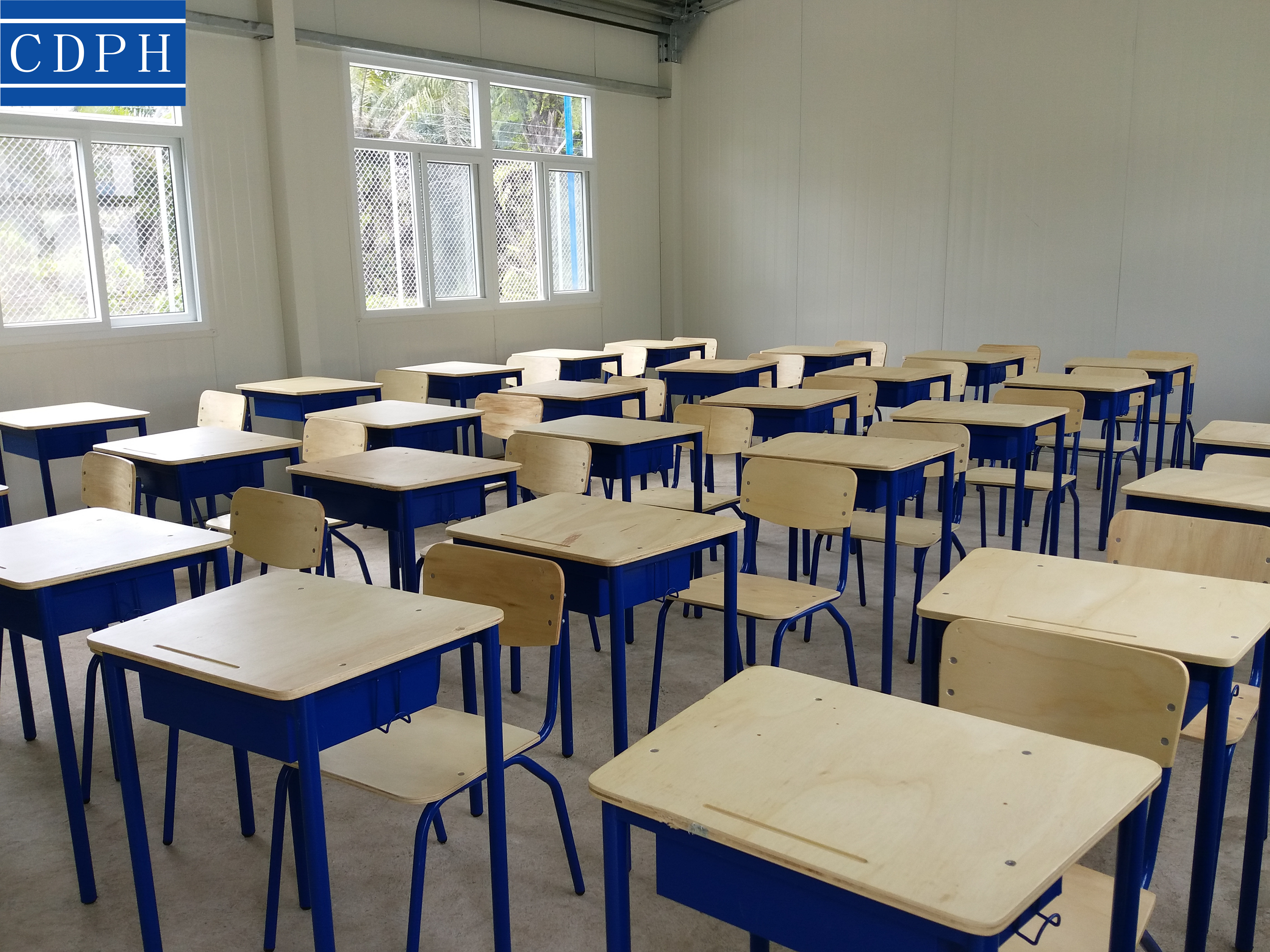
Too many kids crammed into one room and unpredictable student numbers have forced about three quarters of American school districts to look for ways to expand their buildings fast according to the Department of Education stats. That's where modular classrooms come in handy. Schools can actually get these temporary learning spaces up and running in just a few weeks instead of waiting around for years on end while still meeting all the safety standards. Take a school district somewhere in the Pacific Northwest as an example. They needed extra space during the middle of a semester and managed to put together an impressive 8,200 square foot modular building complete with six regular classrooms plus two computer labs. The whole project took only 12 weeks from start to finish and gave homes to around 200 students who otherwise would have been stuck in overcrowded conditions.
How Modular Construction Supports Evolving Educational Needs
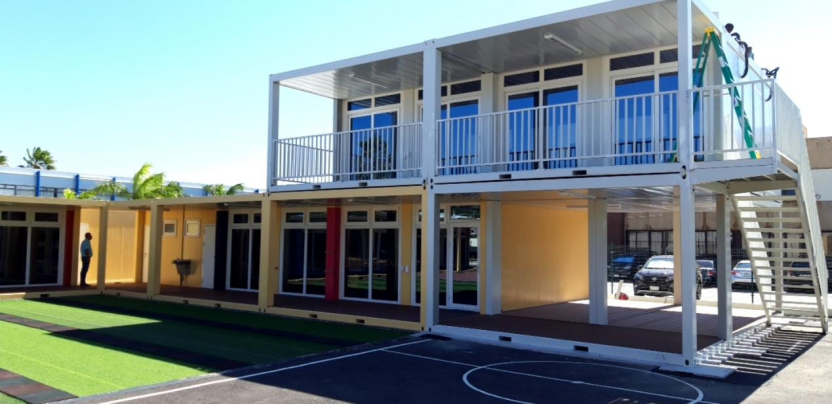
Modular classrooms today aren't just stopgap solutions anymore. Schools are finding ways to make these structures work wonders for modern learning needs. Think adaptable spaces that can become STEM labs one day and creative collaboration hubs the next, all while packing in smart tech that teachers actually want to use. The buildings themselves are getting much better at saving money too. According to something I read in that 2024 Facility Management thing, schools report cutting their operating expenses somewhere around 30% when switching from regular construction methods. What's really interesting though is how districts are getting clever with space. Some schools transform their modular rooms into welding workshops during the week and then open them up for community events on weekends. Makes sense when you consider how education itself keeps changing direction every few years.
Case Study: Successful Deployment in an Urban School District
A fast growing city area faced the challenge of accommodating 450 extra students right before school started. Modular building techniques came through with eight brand new classrooms built in just 16 weeks, which is roughly 60 percent quicker than what traditional builders typically manage. These classrooms had all sorts of important features too including noise reducing walls, full accessibility for everyone under ADA standards, and roofs strong enough to withstand hurricanes. This shows that modular buildings aren't just quick fixes but actually stand up well over time. After everything was set up, most teachers said things were looking better in their classes. About 9 out of 10 reported noticing students paying attention more since there wasn't so much crowding anymore.
Safety, Durability, and Compliance of Modular School Buildings
Meeting Strict Safety and Building Codes in Modular Classrooms
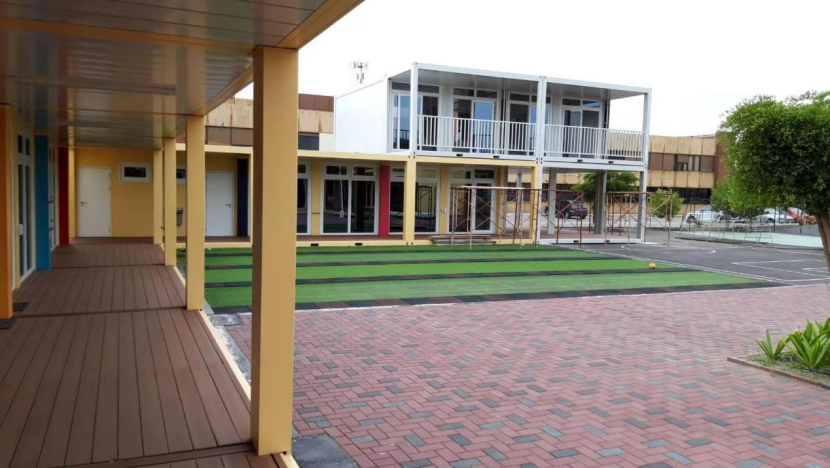
When it comes to safety, modular classrooms need to follow pretty much the same rules as regular school buildings. They have to handle fire risks, stay stable during earthquakes, and make sure everyone can access them regardless of ability. The good news is that these classrooms are built in factories where workers can install things like sprinklers, exit doors, and extra support structures exactly right according to what the local laws require. Most steel frame models can actually stand up against winds blowing at around 150 miles per hour. Plus they use materials that don't release harmful chemicals into the air inside, which matters a lot for kids' health and also helps schools stay on the right side of environmental laws.
Engineered for Longevity: Durable Materials and Permanent Designs
Today's modular classrooms aren't just temporary fixes anymore. They actually incorporate building materials typically seen in permanent structures such as precast concrete bases, heavy duty roofing systems, and walls that can withstand impacts. These aren't your run of the mill portable trailers sitting on wheels. The design life expectancy is much longer than that, often spanning several decades. Steel frames treated against rust and special moisture protection layers make them stand up better than regular classroom buildings when floods hit certain regions. According to research published last year from the National Institute of Building Sciences, schools built using this modular approach ended up costing around 12 percent less in maintenance expenses after twenty years compared with traditionally constructed buildings. This makes sense given how carefully all the parts are engineered during manufacturing.
Debunking Myths: Temporary Look vs. Permanent Performance
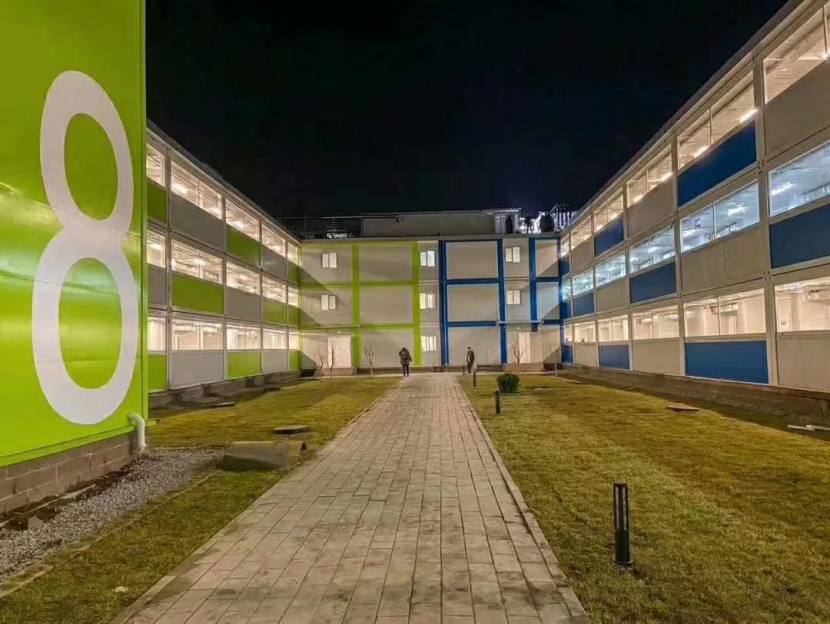
People still think of modular classrooms as just temporary solutions, even though architects have made real progress lately. These days schools can actually get modular buildings with brick exteriors, roofs ready for solar panels, and floors strong enough for serious STEM lab equipment. The features look pretty much the same as what's found in traditional school buildings. Take a look at the numbers too. Around 8 out of 10 modular schools built since 2018 are still being used regularly. That tells us something about how these structures aren't going away anytime soon, especially for school districts dealing with population growth issues.
Accelerated Timelines: Faster Construction and Installation
Factory-Built Precision Cuts Project Time Without Sacrificing Quality
Factory built modular classrooms come together much faster than traditional construction since they're made in controlled environments. The whole process saves time too - we're talking around 30 to 50% faster completion when compared to regular building methods. Regular construction sites often get stuck waiting for good weather or dealing with workers who show up late or not at all. But in factories, everything just keeps moving regardless of what's happening outside. Before these classroom modules even hit the ground, important parts such as walls, wiring setups, and heating/cooling systems have already passed their tests against local building regulations. Fewer mistakes mean fewer headaches down the road, so school districts can spend their money on actual teaching materials instead of constantly fixing things that went wrong during construction.
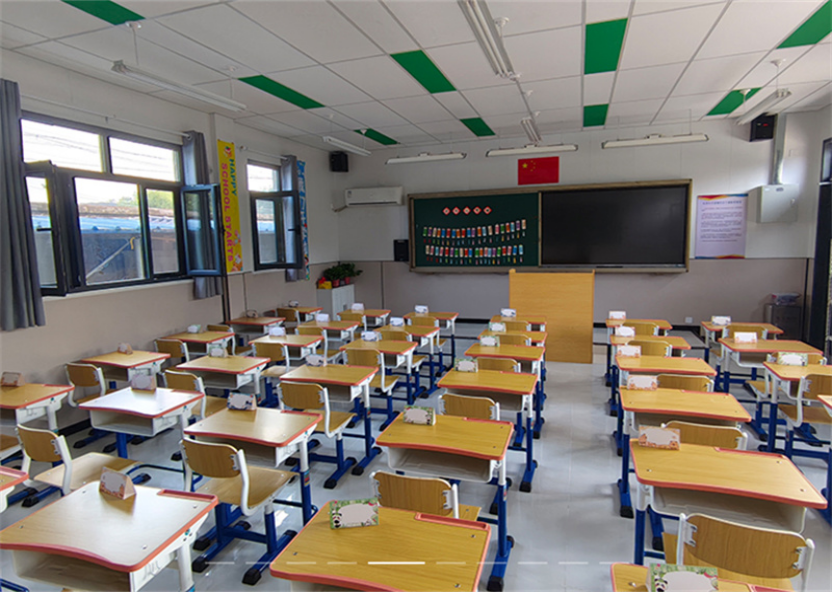
Speed-to-Use: How Modular Classrooms Are Installed in Weeks
Modular school buildings get put together pretty quickly once they arrive at the site, usually taking around 2 to 4 weeks total. The teams basically snap together these ready-made modules that already have everything inside them from floors to lights and heating systems. They stack them up with cranes or line them next to each other depending on what makes sense for the space available. What's really nice about this approach is it cuts down on all those headaches with storing materials onsite for months and trying to coordinate different trades coming in one after another. A recent study from the National Center for Education Statistics back in 2023 found something interesting too. Schools that went with modular options managed to finish their new buildings right before classes started about 68% of the time. That's way better than the traditional builders who only hit their deadlines in roughly 22% of cases according to the same data.
Trend: Schools Prioritizing Fast, Reliable Facility Expansions
With student numbers going up and old school buildings falling apart, about 82 percent of American school leaders are putting fast construction right at the top of their priority list, per a recent 2024 report from the School Planning Institute. Modular structures help meet this need since they can provide real classrooms that meet all safety standards much quicker than traditional building methods usually take. Many school districts are now going for step-by-step expansions instead. They start with modular units as temporary classrooms, then later convert them into science labs or administrative offices when space needs change over time.
Minimal Disruption to Learning During Classroom Installation
Installing New Classrooms Without Interrupting School Activities
Schools can actually grow their space without shutting down operations or moving kids around thanks to modular classrooms. Traditional building projects usually take somewhere between 12 to 18 months and cause all sorts of disruptions, but these prefab structures come in already about 70 to 90 percent finished. The installation crews just set them up in secure sections while regular classes keep going on right next door. Most school leaders say they don't lose any teaching time when these modules go in place, which is why so many districts turn to this option when they need extra classroom space mid school year. It really works well for schools facing sudden enrollment spikes or needing temporary solutions until permanent buildings get constructed.
Quiet, Clean On-Site Assembly with Fewer Safety Hazards
When around 85 percent of the work happens away from the school site, these modular classroom setups create about half as much noise and cut down on dust particles by roughly 60% compared to traditional building methods according to Healthy Schools Campaign research from 2022. Construction crews put together factory-made walls and roofs with battery-powered equipment while following efficient production techniques. No need for noisy heavy machinery or storing tons of materials onsite anymore. The whole process just runs smoother this way. Plus, because everything fits so well together, there are far fewer obstacles lying around where kids might trip. Most importantly, about 95% of the playground areas stay open throughout construction time, meaning students can still play outside, run laps around the track, and walk between classes without major disruptions.
Maintaining a Stable Learning Environment During Transitions
When schools go modular, they keep their heating, cooling and internet running smoothly by timing installations for summer vacation or those long holiday weekends when classes are out. The temporary walls used have decent sound ratings around 50 STC which means kids can still hear what's going on in class properly. And smart positioning makes sure these new spaces don't block sunlight coming through regular windows either. Looking at some research from last year, about 92 percent of educators didn't notice any behavior issues among students while their school was expanding with these modular units. Most teachers thought this was because kids stayed on their usual schedule and maintained familiar routines across campus despite all the construction happening nearby.
Cost Efficiency, Flexibility, and Future-Ready Modular Solutions
Lower Lifetime Costs Through Efficient Modular Construction
Modular classrooms actually cut down on money spent over time because they produce less construction waste and get projects done faster. According to some industry research, these modular approaches often bring down the upfront building costs somewhere around 20 percent when compared to regular construction methods. Plus, since everything gets made in factories with better control, there's about 35% less wasted materials than what typically happens on site. The savings don't stop there either. Many schools find themselves spending less once the buildings are up and running thanks to better insulation and specially designed heating and cooling systems that come standard with most modular structures. Some districts have even reported noticeable differences in their monthly utility bills after switching to this approach.
Scalable Designs: Adapting Modular Buildings as Schools Grow
Prefabricated school buildings use standardized components that allow districts to add classrooms, labs, or administrative spaces incrementally. A 2023 education infrastructure report found 78% of schools using modular solutions met enrollment growth targets within two years, compared to 52% relying on conventional builds.
Planning Phased Growth with Reconfigurable Modular Classrooms
Modern modular classrooms feature movable walls, interchangeable floor plans, and multi-functional spaces. For example, a single-story modular wing can be expanded vertically after five years or reconfigured from open-plan libraries to subdivided STEM labs without structural demolition.
Future-Proofing Education Facilities with Smart Modular Design
Emerging trends integrate IoT-enabled systems directly into modular classroom designs, including energy usage sensors for real-time sustainability tracking, pre-wired panels supporting 5G/Wi-Fi 6 upgrades, and solar-ready roofs that reduce grid dependence by up to 40%.
Frequently Asked Questions (FAQ)
What are modular classrooms?
Modular classrooms are prefabricated structures made in factories and assembled on-site, serving as adaptable, quick-to-install learning spaces in schools.
How quickly can modular classrooms be built?
Modular classrooms can typically be constructed and installed in 2 to 4 weeks, significantly faster than traditional building methods.
Are modular classrooms durable?
Yes, modular classrooms use durable materials like steel and concrete, designed to meet safety and longevity standards.
Do modular classrooms meet safety standards?
Modular classrooms adhere to the same safety standards as traditional school buildings, ensuring they are safe for students and staff.
Table of Contents
- The Growing Demand for Modular Classrooms in Modern Education
- Safety, Durability, and Compliance of Modular School Buildings
- Accelerated Timelines: Faster Construction and Installation
- Minimal Disruption to Learning During Classroom Installation
- Cost Efficiency, Flexibility, and Future-Ready Modular Solutions
- Frequently Asked Questions (FAQ)