EN
EN
The Rise of Modular Coffee Kiosks in Urban Retail
How Pop-Up Culture Is Reshaping Urban Coffee Consumption
Coffee kiosks have popped up all over modern cities lately, showing up in train stations, public parks, and at events where people gather. Most folks just want something quick these days. These small coffee stands actually handle about two thirds of customers who only stop by for under eight minutes according to the Urban Retail Trends Report from 2024. What makes them special is that they can be moved around easily. Brands love this because it lets them try out busy spots without signing those expensive long term lease agreements. Last year alone, nearly half of all specialty coffee shops started their journey exactly this way.
Why Consumer Mobility Drives Demand for Small-Footprint Coffee Shops
With 78% of urban workers purchasing coffee during their commute, modular kiosks optimize accessibility through:
- Proximity to transit nodes (â¤Â°90 seconds walking distance)
- Compact layouts (12â18 m²) supporting express service
- Weather-resistant exteriors for year-round operation
This shift toward grab-and-go consumption reduces average wait times by 35% compared to standard cafes, aligning with commutersâ demand for frictionless experiences.
Case Study: Launching a Fully Operational Modular Coffee Kiosk in 72 Hours
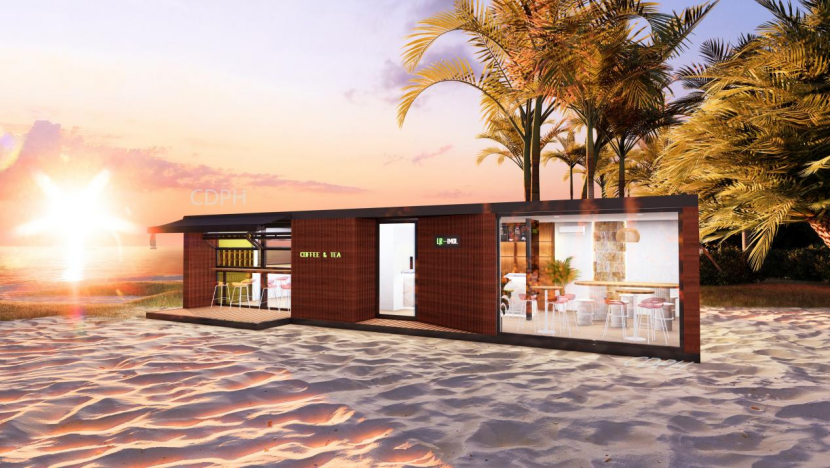
A Seattle-based roastery recently deployed a dual-module kiosk at a metro station, achieving:
| Phase | Traditional Build | Modular Kiosk |
|---|---|---|
| Design Approval | 6 weeks | Pre-certified |
| Installation | 14 days | 8 hours |
| Revenue Generation | Day 45 | Day 1 |
The unit broke even in 11 days using repurposed modules from a decommissioned mall pop-up, demonstrating how agile formats unlock urban markets faster.
Innovative Design and Fast Build Architecture of Modular Coffee Kiosks
Core Features of Prefabricated Coffee Kiosk Structures
Coffee kiosk modules are built using tough materials such as powder coated steel combined with careful manufacturing techniques that stand up against all kinds of weather conditions. When these prebuilt structures reach their destination, they come complete with everything needed already installed including pipes, wiring, and proper mounting points for commercial grade gear. This cuts down the time workers spend setting things up at the actual location by about two thirds when compared to regular building methods according to McKinsey research from last year. Most models stick to standard sizes around 8 feet by 20 feet or sometimes even bigger at 8x40 feet which makes them easy to transport without hassle. Plus this sizing helps keep things organized inside so baristas can move around efficiently during busy hours without getting tripped up over misplaced equipment.
Customization Through Flexible Modular Configurations
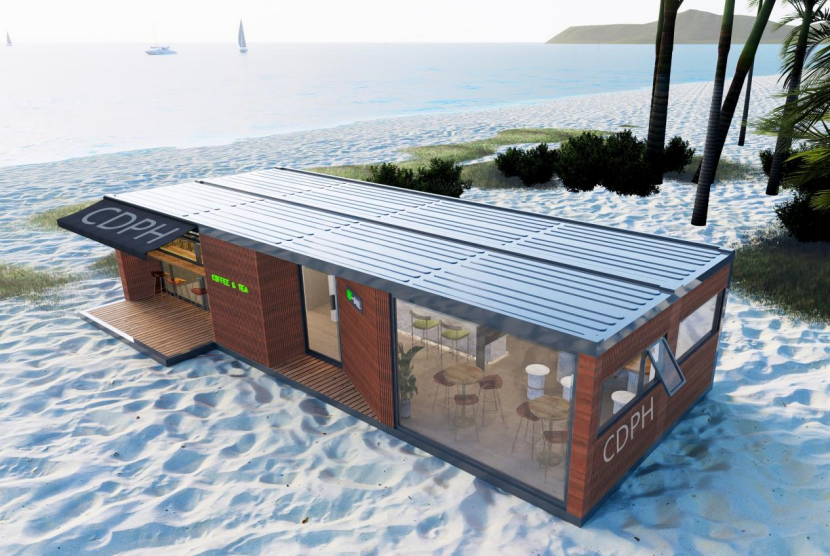
Kiosk operators can customize their spaces with different wall panels, rearrange counters however they want, and choose various materials for the outside look. What starts as just one basic unit can actually grow into several connected modules when needed. Just attach extra parts such as drive-thru windows or small areas for seating. The electrical system is pretty straightforward too. It works for simple coffee setups where someone might just brew with a pour over method all the way up to fancy espresso machines. Brands don't need to tear anything down or rebuild structures completely when moving these kiosks between places like office buildings and outdoor events at music festivals.
60% Faster Design-to-Production with Modern Modular Techniques
The latest BIM software for building information modeling has really changed things, cutting down those long design periods that used to take months into just weeks. The software templates all those complicated mechanical, electrical, and plumbing systems so engineers don't have to start from scratch every time. Meanwhile over at manufacturing plants, they're processing parts simultaneously which makes these modular buildings finish about 60 percent quicker compared to regular construction methods. And there's another benefit too - we're seeing around 31% less wasted materials according to McKinsey research back in 2023. What does this mean practically? Well, look at what's happening with new coffee shop startups. These businesses can actually get their complete kiosk set up and running within just eight weeks after getting the green light on their designs. Pretty impressive when you think about it.
Cost Efficiency and Scalability for Emerging Coffee Brands
Why Startups Are Choosing Turnkey Kiosks Over Traditional Leases
New coffee shop ventures are increasingly turning to modular kiosk setups instead of dealing with expensive retail leases. These ready-made solutions cut initial expenses almost in half compared to building out full stores, plus they get rid of those pesky multi-year lease agreements. According to some research from McKinsey last year on temporary retail spots, businesses can actually reach their break-even point 4 to 6 months faster with this method. For startup cafes, this means they can experiment with busy areas such as train stations or convention centers without locking themselves into anything too permanent. This flexibility gives them an edge in city markets where customer traffic changes throughout the seasons, making it harder for traditional shops to keep up.
Lower CapEx Through Reusable and Reconfigurable Kiosk Components
Small coffee shops benefit greatly from modular design when it comes to cutting down on upfront costs. Things like foldable work surfaces, ready-to-use brewing setups, and consistent wiring configurations get used again and again at different locations. A real world case study shows how a cafe owner cut costs per unit by around 30% simply by moving storage units and fridge components from short term pop-up spots to their main shopfronts. The whole idea of reusing equipment changes how money is spent from big initial investments to ongoing operational costs. Most new food businesses seem to agree with this approach according to recent surveys showing nearly four out of five startup owners prefer this kind of flexible spending model in 2024.
Case Study: Scaling from One Mobile Unit to 15 Locations in 6 Months
A nitro cold brew company used mobile coffee units to execute a rapid growth strategy:
- Launched pilot kiosk at a downtown tech campus (Month 1)
- Analyzed sales data to identify top-performing ZIP codes (Month 2)
- Deployed 8 prefab kiosks in transit corridors using shared kitchen hubs (Months 3â4)
- Expanded to 15 locations via sub-100 sq ft âmicro-kiosksâ in office lobbies (Months 5â6)
The modular network achieved $1.2M in first-year revenue while keeping build costs under $18k per unitâproof that scalable architectures can democratize specialty coffee retail.
Streamlined Logistics and Rapid On-Site Installation
Pre-Fitted Modules Enable Fast Assembly of Coffee Stands
Coffee kiosks built with modular components completely change how fast they can be put together on site. Everything comes ready to go these days - the wiring for electricity is already done, water connections are plumbed ahead of time, and countertops fit just right when delivered as standard parts that snap together like those big plastic building blocks from LEGO. According to McKinsey research from last year, this method cuts down setup time around two thirds compared to what used to be normal construction methods. What does that mean practically? Coffee shop owners can start making money much quicker now, opening new spots within weeks instead of waiting several months for everything to get built from scratch.
Reducing On-Site Labor Needs by 40% Through Efficient Deployment
Parallel workflow strategies slash labor costs:
- Electrical teams install lighting while separate crews mount espresso machines
- Pre-cut roofing panels eliminate measurement errors during installation
- Unified component interfaces require 30% fewer specialized tools
The modular coffee kiosk model minimizes weather delays through factory-finished construction, with onsite teams focusing solely on assembly rather than fabrication. This lean methodology enables brands to redirect savings toward barista training or premium bean sourcing, creating competitive advantages from day one of operation.
Sustainability Through Reuse and Circular Kiosk Design
Circular Economy Principles in Pop-Up Coffee Shop Ecosystems
Coffee kiosks built in modular style actually fit pretty well with those circular economy ideas because they think about how resources get used throughout everything from production to disposal. Traditional ways of building stuff contribute around 30 percent of what ends up in landfills according to EPA numbers from last year, but these modular setups manage to keep roughly 90% of their parts for reuse when moving them somewhere else. The materials stay active longer too – aluminum frames and those tough composite countertops typically hang around for somewhere between five and seven years before needing replacement, which means less need for completely new raw materials all the time. When businesses design these kiosks so components can be taken apart and put back together again, they cut down on waste significantly without losing track of their brand identity even when setting up shop temporarily in different city locations.
Designing for Disassembly, Relocation, and Long-Term Reuse
Leading manufacturers now integrate three key features to enable circularity:
- Snap-fit connections replacing permanent adhesives
- Standardized module dimensions simplifying part replacements
- UV-resistant coatings doubling exterior lifespan
A 2024 modular retail report found kiosks built with these principles require 65% less maintenance over 10 years compared to fixed-site shops. The design philosophy extends to interior layouts, with magnetic mounting systems allowing baristas to reconfigure equipment setups in under 2 hours for new locations.
Case Study: A Single Modular Coffee Kiosk Repurposed Across 8 Locations in One Year
A Portland-based roaster demonstrated the scalability of circular kiosk design by deploying one modular unit at:
- Downtown office complexes (Q1)
- University campuses (Q2)
- Weekend farmersâ markets (Q3âQ4)
The kiosk kept running smoothly at every location thanks to smart updates to its components, which allowed it to work with whatever power and water setup was available on site. Looking at the numbers, these pop-up spots cut down their carbon footprint by around 40% for each place they operated compared to when companies build out permanent stores from scratch. And moving them around cost about 78 percent less than what most businesses spend renovating existing retail spaces. All told, this approach paid off pretty quickly for the company behind it all. They got their money back within just 14 months, which beats the usual timeline for coffee shop investments by nearly two thirds.
FAQ
What are modular coffee kiosks? Modular coffee kiosks are movable coffee shops made from prefabricated modules that are easy to assemble, often positioned in high-traffic urban settings for quick service.
Why are modular kiosks popular in urban areas? They're popular because they reduce initial setup costs, are easy to relocate, and help brands experiment with different markets without committing to long-term leases.
How quickly can a modular kiosk be set up? With pre-fitted modules, they can be installed in mere hours, significantly reducing the traditional setup times for new coffee shops.
Are modular coffee kiosks environmentally friendly? Yes, they align with circular economy principles, focusing on reusability, and often utilize sustainable materials, reducing waste typically associated with traditional builds.
What is the cost advantage of using modular kiosks? Modular kiosk setups can lower initial expenses by nearly 50% compared to conventional coffee shop setups, reaching break-even points much faster.