EN
EN

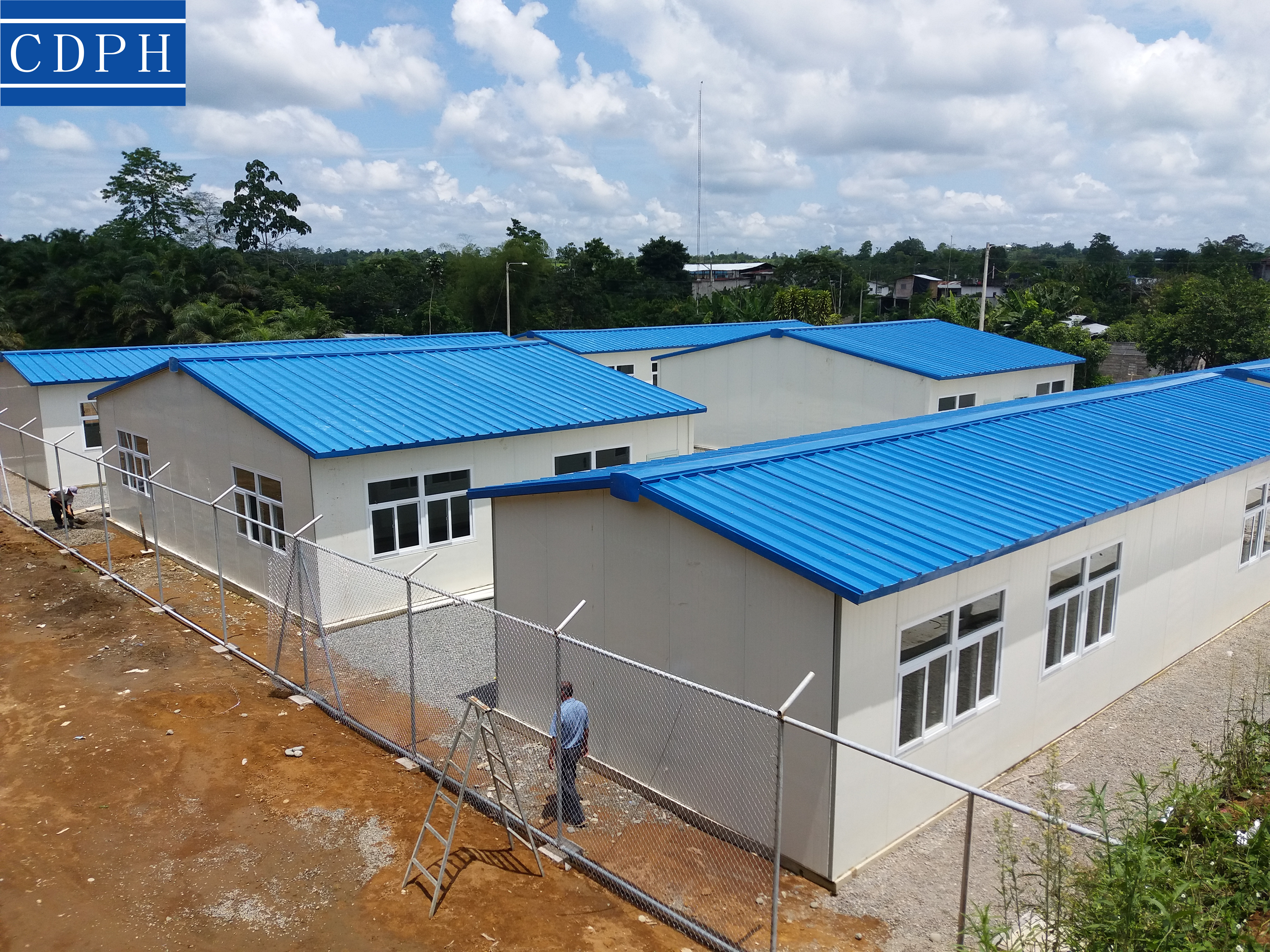
Understanding Prefab Dormitory Cost: Key Components and Drivers
Hard vs. Soft Costs in Prefab Dormitory Construction
When it comes to building prefabricated dormitories, there are basically two types of expenses to consider: what we call hard costs and soft costs. The hard stuff usually takes up about 60 to 70 percent of the overall budget. This includes things like manufacturing those modular units in factories, buying materials such as steel framing which costs around $18 to $25 per square foot, plus paying workers who put everything together on site. Then there are the soft costs, which might not be as obvious but still eat into the budget significantly. These cover items like hiring architects for design work, getting all the necessary permits from local authorities, and preparing the actual land where the dorm will stand. Interestingly enough, when schools go with standard dorm designs rather than custom ones, they tend to save money on engineering fees somewhere between 15 and 20 percent based on industry standards for modular buildings.
How Economies of Scale Are Reducing Factory Manufacturing Costs
Producing dormitory modules in bulk lowers per-unit expenses through material optimization and repetitive assembly workflows. A 2023 analysis found that factories constructing 50+ dorm units simultaneously achieve:
- 12–18% savings on steel and insulation materials
- 30% faster production cycles due to streamlined workflows
- 8–12% reductions in labor hours per module
These efficiencies explain why large university housing projects (200+ beds) often see 15–20% lower costs than smaller installations.
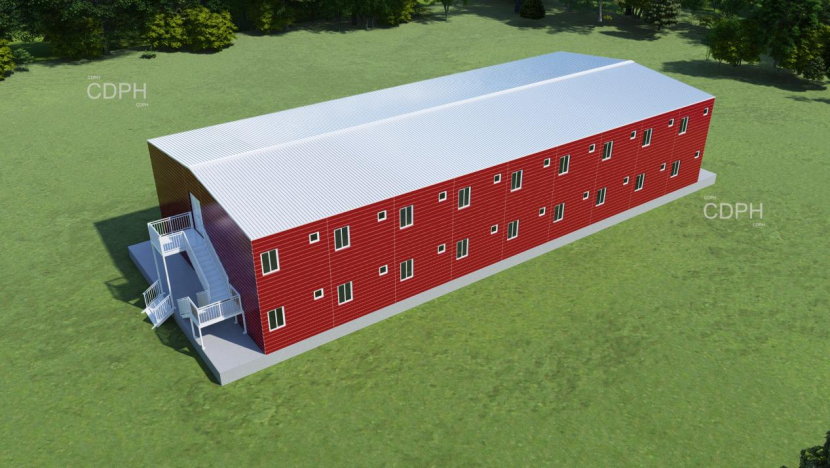
Case Study: Cost Breakdown of a 50-Unit Affordable Modular Dorm Project
A 2024 affordable housing initiative in the Midwest provides a clear cost template:
| Cost Component | Percentage of Total | Key Detail |
|---|---|---|
| Modular manufacturing | 52% | Includes fire-rated steel walls, energy-efficient windows |
| Sitework & utilities | 18% | Sewer/electrical hookups, foundation |
| Design & permitting | 12% | Code compliance for multi-occupancy units |
| Transportation | 10% | 120-mile delivery from factory |
| Contingency | 8% | Weather delays, material backups |
By using repeatable floorplans and a regional manufacturer, the project achieved a 22% cost advantage over traditional dorm construction methods.
Material, Design, and Logistics: How They Shape Prefab House Cost
Standard vs. Custom Designs: Trade-offs in Prefab Dormitory Pricing
Standardized prefab dormitory designs typically cost 20–35% less than fully customized layouts. Factory-produced repetitive units leverage bulk material purchasing and optimized assembly lines, while custom projects require unique engineering plans and specialty components.
| Material | Cost Range (per sq.ft.) | Key Considerations |
|---|---|---|
| Light Steel | $100–$200 | 50+ year lifespan, high durability |
| Engineered Wood | $80–$160 | Lower upfront cost, requires maintenance |
| Precast Concrete | $120–$220 | Superior insulation, heavy logistics fees |
Custom additions like curved walls or hybrid material systems can increase expenses by 40% compared to basic configurations, making standardization ideal for budget-conscious educational institutions.
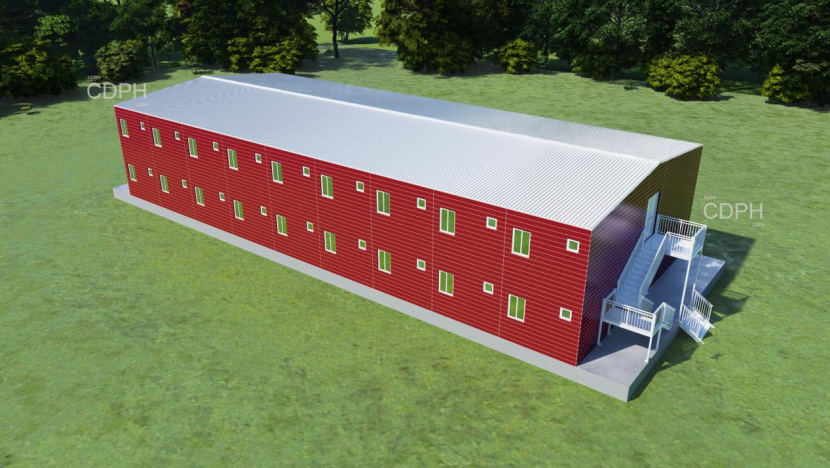
Design Complexity and Its Impact on Modular Construction Budgets
Building multistory prefab dorms with those connected modules or cantilevered parts needs about 30% more structural steel compared to single story buildings, which obviously pushes material and labor costs higher. When it comes to electrical and plumbing systems spread throughout these modular units, coordination fees jump somewhere between $8 and $12 per square foot. And let's not forget about aerogel insulation either. It costs two to three times what regular fiberglass does, so this definitely eats into the budget for thermal performance improvements. The good news is simpler designs with rectangular shapes and repeated room layouts can cut down on factory mistakes by around 18%. A recent study from 2023 on modular housing efficiency backs this up pretty well.
Transportation and Regional Factors in Prefab Dormitory Cost
Moving modular dorm units over 300 miles adds around 15 to 25 percent to overall costs because of those expensive oversized load permits and the need for special transport trucks. Schools located in big cities where wages are high typically pay about 22% more for putting these units together on site than their counterparts out in rural areas. And don't even get me started on coastal locations which often need extra reinforced bases to withstand hurricanes, costing somewhere between ten thousand to fifteen thousand dollars per unit. According to research done last year looking at twelve different college projects across the country, universities in the Midwest managed to save roughly four point two million dollars just by getting their building materials from nearby suppliers instead of having everything shipped all the way from steel mills on the East Coast.
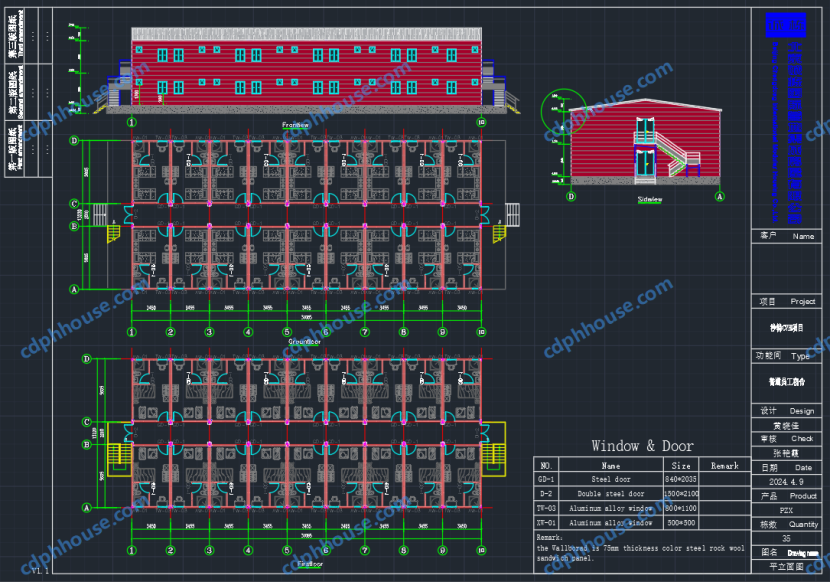
Modular vs. Traditional Construction: Financial Advantages of Prefab Dormitories
Time-to-Completion Savings in Off-Site Dormitory Assembly
Prefab dorm buildings save time on construction schedules, cutting down timelines anywhere from 30 to almost half compared with regular construction methods. The secret? They allow different parts of the project to happen at once. While crews lay the foundation at the actual site, the building components get made inside factory settings where temperature and conditions are controlled. No more waiting around for bad weather to pass, which means fewer workers needed overall and lower labor expenses too, according to data from the Modular Building Institute released last year showing savings between 18 and 22 percent. Universities facing urgent needs for student accommodation find these prefabricated options particularly appealing since they can have functional 50 bed dorms ready within just four to six months. That's a huge difference when contrasted against conventional stick built structures that typically take over twelve months before anyone can actually move in.
Case Study: On-Site vs. Off-Site Build Costs for Campus Housing
A Midwestern university’s 100-bed dormitory project revealed stark contrasts:
- Traditional construction: $9.2M total cost, 14-month timeline, 11% budget overrun due to material delays
- Modular construction: $7.8M (-15% savings), 5-month timeline, 4% contingency buffer
The prefab approach’s bulk material purchasing and reduced on-site labor (32 workers vs. 58) drove savings, while early occupancy generated $290,000 in semester rental revenue–helping offset financing costs.
Addressing Hidden Costs: Myths and Realities of Modular Living Quarters
Contrary to perceptions of lower durability, modern prefab dormitories demonstrate long-term value through:
- Energy costs 12–17% lower than traditional builds due to tighter factory tolerances
- Maintenance expenses reduced by $4.6/sq. ft. over 10 years (National Institute of Standards and Technology, 2022)
- Adaptability through standardized, reconfigurable floor plans
Schools like UC Berkeley have retrofitted 20-year-old modular dorms for new academic uses at 60% the cost of traditional renovation, demonstrating long-term fiscal viability.
Cost-Saving Strategies for Affordable Prefab Dormitory Projects
Leveraging Repeatability and Standardized Designs to Cut Costs
Using standardized designs helps cut down on the costs of prefabricated dormitories in several ways. Engineering fees get reduced, production moves faster, and there's simply less material going to waste. According to research from the Modular Building Institute back in 2023, projects that stick with repeatable floor plans tend to save around 12 to 18 percent on labor expenses when compared to those with custom layouts. Take for instance a recent project in Texas where they built 100 modular dorm units. The team saved about 15% off their overall budget by repeating the same electrical and plumbing plans throughout every unit, along with keeping consistent wall panel sizes. Another big plus is bulk buying power. When companies need hundreds of identical steel frames or composite wall panels, they can negotiate better prices. This typically brings down individual unit costs somewhere between 8 and 10% for bigger projects, something many developers find incredibly valuable when planning campus expansions or student housing complexes.
Optimal Timing and Selecting the Right Manufacturer
Aligning production schedules with manufacturers’ off-peak periods can reduce lead times by 20–30%, as seen in a 2022 University of Michigan housing expansion initiative. Key considerations include:
- Regional material availability: Partner with factories sourcing local steel/concrete to avoid 6–12% transportation surcharges
- Proven expertise: Manufacturers with 50+ completed dorm projects typically achieve 5–7% lower change order costs than new market entrants
- Scalable capacity: Facilities capable of producing 8–12 modules weekly prevent bottlenecks in 100+ bed projects
A 2023 Dodge Construction Network analysis shows institutions that combine these strategies reduce total prefab dormitory costs by 18–22% versus piecemeal approaches.
Estimating Total Construction Cost for Multi-Unit Prefab Dormitories
Using Cost Per Square Foot for Accurate Budgeting
Prefab dormitory costs typically range from $120–$250 per square foot, with academic studies showing modular projects averaging $243 per square foot–3% lower than traditional methods. This metric simplifies comparisons for budget planning:
- Lower defect rates: Factory precision reduces rework by up to 60%
- Time savings: 30–50% faster occupancy timelines cut financing costs
- Scalable pricing: Bulk orders of 50+ units often trigger 10–15% volume discounts
Case Study: Budgeting a 200-Bed University Modular Dorm Initiative
A recent 200-bed prefab dormitory project required a $58 million budget ($290,000 per bed), distributed as follows:
| Cost Category | Allocation (%) | Key Factor |
|---|---|---|
| Modular Construction | 62% | Pre-installed MEP systems in factory |
| Site Work | 18% | Foundation and utility hookups |
| Permits/Design | 12% | State-specific energy code updates |
| Contingency | 8% | Unforeseen transportation delays |
The factory-built approach allowed occupancy 11 months sooner than traditional methods, generating $3.2 million in early rental income.
Incorporating Contingency Funds in Prefab Construction Planning
Allocate 5–10% of total prefab dormitory costs for contingencies–lower than traditional projects due to controlled factory environments. Critical reserves include:
- Transport variances: 20–40% fee spikes for road permits
- Foundation adjustments: 5–15% revisions for soil surprises
- Material inflation: 7–12% buffer for steel/copper prices
Standardized dormitory designs reduced contingency needs by 38% in a 2023 affordable housing initiative by enabling pre-approved material substitutions during fabrication.
Frequently Asked Questions (FAQ)
What are the main cost components in prefab dormitory construction?
The main components are hard costs like modular manufacturing and materials procurement, and soft costs such as design, permitting, and site preparation.
How does standardization help in reducing costs?
Standardized designs reduce engineering fees, accelerate production, and minimize material waste, which leads to cost savings.
What are the benefits of using prefab construction over traditional methods?
Prefab construction saves time, reduces labor costs, and increases efficiency by enabling simultaneous off-site and on-site activities.
Are there any hidden costs in modular construction?
Common misconceptions include durability concerns, but prefab buildings offer long-term savings in energy costs, maintenance, and adaptability.
How can transportation costs impact prefab dormitory budgets?
Transportation costs can add 15-25% to budgets, especially when moving modules over long distances or to high-wage urban areas.
Table of Contents
- Understanding Prefab Dormitory Cost: Key Components and Drivers
- Material, Design, and Logistics: How They Shape Prefab House Cost
- Modular vs. Traditional Construction: Financial Advantages of Prefab Dormitories
- Cost-Saving Strategies for Affordable Prefab Dormitory Projects
- Estimating Total Construction Cost for Multi-Unit Prefab Dormitories
-
Frequently Asked Questions (FAQ)
- What are the main cost components in prefab dormitory construction?
- How does standardization help in reducing costs?
- What are the benefits of using prefab construction over traditional methods?
- Are there any hidden costs in modular construction?
- How can transportation costs impact prefab dormitory budgets?