EN
EN

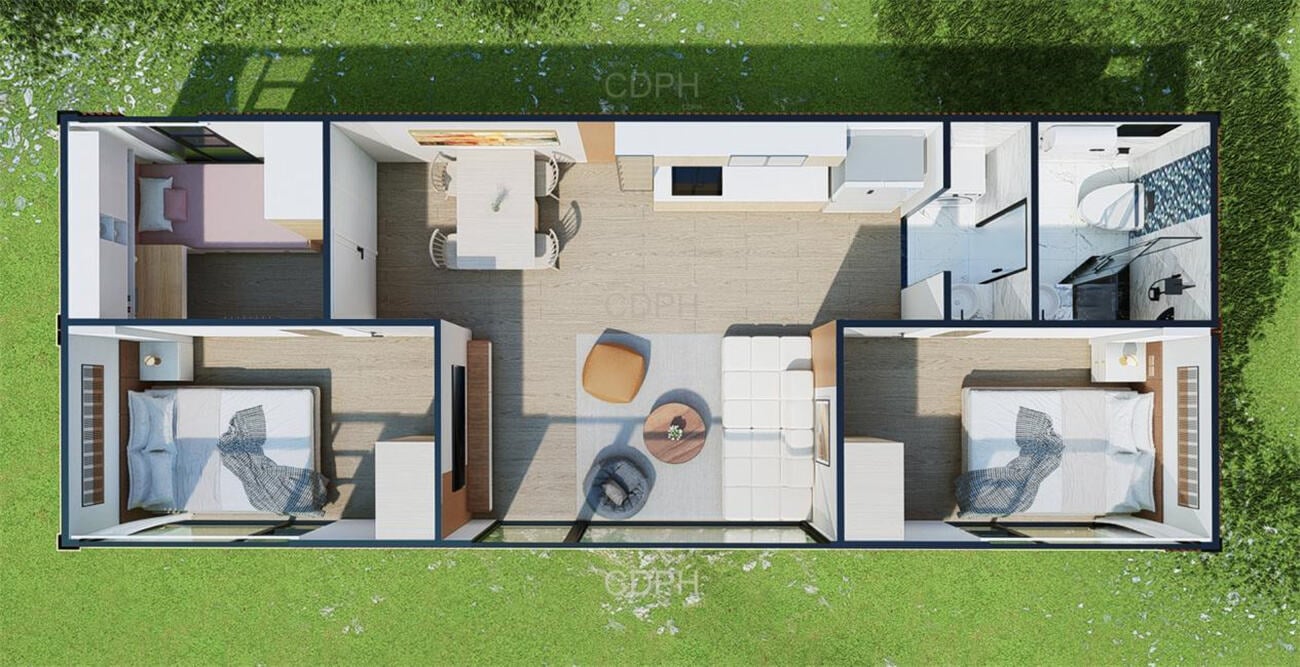
Core Prefab House Designs by Architectural Style
Cape Cod, Modern Farmhouse, Ranch, and Contemporary: Defining Aesthetic Families in Prefab House Designs
When it comes to prefab homes, there are several main design types to consider including Cape Cod, Modern Farmhouse, Ranch, and Contemporary styles. Each has its own look and practical benefits based on what works best for different weather conditions and building needs. Cape Cod houses typically have those distinctive steep roofs and balanced front views. This design helps shake off snow in colder areas and makes the frame easier to construct. The Modern Farmhouse trend mixes sleek modern elements with cozy touches like shiplap walls and visible wooden beams. It's become super popular lately because people want something stylish yet comfortable without too many fancy finishes. For folks living in warmer, drier places, single story Ranch homes make sense. They offer easy access throughout the house, lots of open space, and clever ways to stay cool naturally. Shaded patios and thick walls can reduce air conditioning costs quite a bit actually. Contemporary prefabs take things even further with their simple shapes and big windows that let in plenty of natural light. These designs also work well with factory assembly methods since everything fits together neatly. All these different styles show that mass-produced housing doesn't have to mean boring boxy boxes anymore. There's room for creativity while still keeping costs down.
How Regional Climate and Zoning Influence Style Selection in Prefab House Designs
When picking out a prefab house design, climate conditions and local zoning laws matter a lot—not something to think about later. For homes in hurricane zones along the coast, Cape Cod style houses work best because they have stronger roofs and lower profiles that stand up better against strong winds. In California where wildfires are common, contemporary designs with materials that won't catch fire and details that keep embers out make sense. The dry regions tend to see ranch style homes that incorporate features like thick walls to store heat, big overhangs to shade windows, and proper airflow for cooling without AC. What kind of land we're talking about matters too. Small lots in cities usually need vertical designs that maximize space, which is why modern farmhouse styles fit so well there. Out in the country on bigger plots, people can go for those classic ranch layouts. And don't forget about snow loads when building in mountains either. Steeper roof angles on Cape Cods help support all that weight. At the end of the day, good prefab houses balance looks with what makes sense for the environment and what local rules actually require.
Real-World Prefab House Designs: Performance-Driven Case Studies
Net-Zero Modern Farmhouse (Pacific Northwest): Energy Modeling and Design Integration
The Pacific Northwest project hit net zero energy thanks to smart design choices and precise manufacturing techniques. Energy models helped determine where to place windows for maximum sun exposure, installed super efficient SIP walls with a U-value of just 0.040 W/m²K, and created an exceptionally tight building envelope that cut heating needs down by nearly two thirds compared to regular construction methods. For structural support, cross laminated timber was used throughout, which not only meets local building codes but also fits well with what's commonly available in the region. Triple glazed windows were another key element, keeping heat from escaping through gaps in the building shell. The site also features a comprehensive rainwater collection system that feeds into underground storage tanks, plus landscaping with plants native to the area. All these elements work together to maintain ecological balance while still satisfying the area's demanding earthquake safety requirements.
Compact ADU in Los Angeles: Space-Efficient Prefab House Designs for Urban Infill
Take this 600 sq ft accessory dwelling unit as proof that prefab houses really work wonders even on tight city plots. The custom woodwork lets rooms change purposes easily — think folding down an office desk to create extra sleeping space for guests. And those vertical storage units? They grab almost all the available wall space, around 92% if we're being exact. The designers added high ceilings plus those special windows near the roofline which makes everything feel bigger without running afoul of LA's building rules about setbacks. What's impressive is how quickly it went together too — only 18 days from start to finish right there on site. Most of the steel frame was recycled material, about 87% actually, and they still managed to hit all the tough California energy efficiency standards laid out in Title 24. Shows what's possible when prefab meets real world constraints.
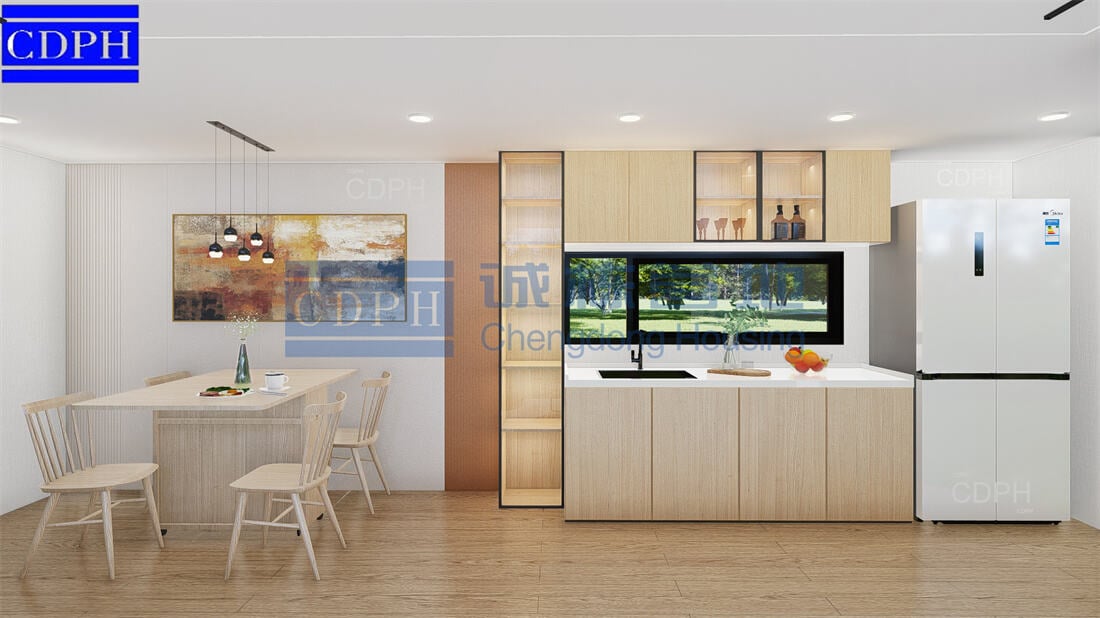
Interior Execution in Prefab House Designs: Seamless Integration of Form and Function
Standardized Interior Systems — Lighting, Cabinetry, and Flooring — That Elevate Prefab House Designs
Prefab houses today create really cohesive interiors thanks to factory made systems that bring together looks, function, and efficiency all at once. Think about it this way lighting systems with LEDs fit right into the ceiling areas and match up with the building's framework so there's no need for extra work later on or those ugly seams showing through. The cabinets come in standard sizes and parts that can be mixed and matched easily whether someone wants a tiny accessory dwelling unit or a bigger home with several bedrooms. Flooring just snaps onto the insulated base below it which means better insulation and a smooth look across the whole floor area. These factory approaches cut down on wasted materials by around 13 percent compared to traditional building methods according to NAHB data from last year, plus everything fits together down to the millimeter level. People who buy these homes still get to pick their colors, textures, and overall feel though all choices stay within what works technically speaking. What we end up with are spaces where each part does more than one job making things look good while also supporting the structure itself, saving energy, and lasting much longer over time.
Sustainability as a Design Driver in Prefab House Designs
Sustainability isn't just something tacked on anymore when it comes to prefab house design. The controlled environment of factory manufacturing naturally cuts down on waste. Research indicates that prefab approaches can cut construction trash by around 30% compared to old fashioned on-site building methods. Design specifics also matter a lot these days. Many designers go for materials that grow back quickly like FSC certified wood or bamboo, along with recycled steel and paints that don't release harmful chemicals. Energy efficiency gets built right in from the start. Things like where the house faces the sun, thick insulation layers, and smart air circulation plans all get figured out during initial drawings, which means much less pollution once the house is living. When we look at how prefab combines reduced waste, ethical material choices, and smart energy planning, these homes end up having significantly smaller carbon impacts over their entire lifespan. With climate protection becoming increasingly important for housing regulations and actual building practices, prefab construction isn't some oddball option anymore. Instead, it represents a practical, large scale approach that leads to homes that last longer, serve people better, and sit comfortably within our ecosystem.
FAQ Section
What are the most popular prefab house styles?
The most popular prefab house styles are Cape Cod, Modern Farmhouse, Ranch, and Contemporary.
How does climate influence prefab house design selection?
Climate affects design selection as certain styles are more suitable for specific weather conditions, such as Cape Cod for snowy areas and Ranch for warmer climates.
Can prefab houses be environmentally friendly?
Yes, many prefab homes incorporate sustainable materials, energy-efficient design, and reduced construction waste, making them environmentally friendly.
What manufacturing advantages do prefab homes offer?
Prefab homes benefit from precision manufacturing, reduced material waste, and efficient construction, often leading to quicker completion times and cost savings.