EN
EN

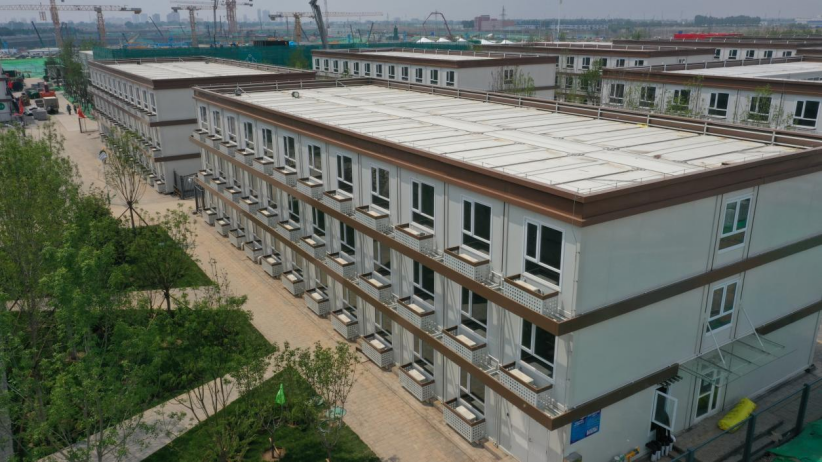
Understanding Prefabricated Housing and Modular Construction Systems
Definition and core types of prefabricated housing
Prefab housing basically means constructing parts of buildings in factories first instead of building everything on location. There are several different approaches to this method. Modular construction involves whole sections or rooms made complete in factories. Panelized systems consist of walls, floors, and roofs put together ahead of time too. Manufactured homes go even further, built completely in factories following strict federal standards set by HUD. What really matters here is how much work gets done before these components hit the site. Most modular units come ready with around 60 to 90 percent of their interior work already completed. Panel systems need more hands-on finishing once they arrive though. The factory-based approach definitely improves overall quality since things can be checked more carefully during production. According to McKinsey research from 2021, this method cuts down construction waste by nearly half. Plus projects tend to get finished much faster than when builders start from scratch using traditional methods.
Modular vs. panelized vs. manufactured homes: Key distinctions
Modular homes are basically made up of 3D sections created in factories then put together on permanent foundations. These homes follow the same local building codes as regular houses built directly at their final location. Moving on to panelized homes, they work differently since they're made from flat panels produced in factories and then assembled where they'll live forever. This approach gives builders more freedom when designing because adjustments can happen right there on site. Manufactured homes, which used to be called mobile homes back in the day, operate under different rules altogether. They stick to federal HUD standards instead of local regulations, come equipped with wheels for easy transport, and usually sit on temporary bases rather than being permanently anchored down. When looking at these options side by side, what stands out are things like how each complies with regulations, what kind of foundation they need, whether they can be moved around, and how much work needs doing once they arrive at their destination. Among all these choices, modular construction seems to blend best with traditional methods while still keeping those factory efficiencies intact.
Common construction systems: Steel, concrete, and modular frameworks
Today's prefabricated homes typically use one of three main structural approaches, each best for different kinds of buildings. Steel frames stand out because they're strong yet lightweight, won't attract bugs or rot over time, and stay stable even when weather changes. These properties make steel great for taller modular structures and commercial spaces where durability matters most. Then there's concrete, which comes in various forms like precast wall panels and whole building modules. Concrete offers excellent heat retention, stands up well against fires, and blocks noise pretty effectively. That makes it particularly popular for apartment complexes and hotels located in busy city areas. Wood frame construction still dominates the residential prefab market mainly because it costs less upfront, allows for easier adjustments during construction, and most contractors already know how to work with wood materials. The Modular Building Institute reported back in 2023 that around two thirds of all commercial modular projects use either steel or concrete foundations, whereas nearly eight out of ten residential prefab homes stick with traditional wood framing methods. No matter which material gets chosen, engineers design these systems to comply with strict building regulations while taking advantage of factory controlled environments that ensure consistent quality throughout production.
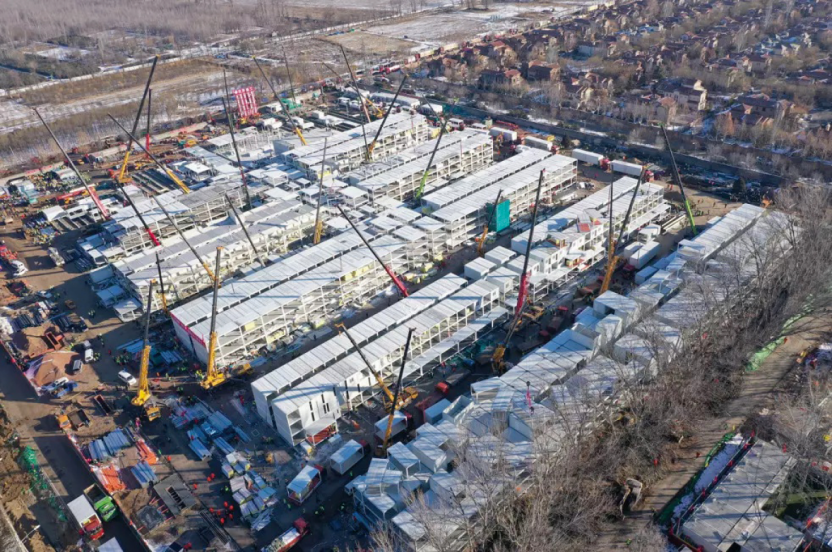
Key Benefits of Prefabricated Housing: Speed, Cost, and Quality Control
Prefab housing brings real benefits when it comes to how fast things get done, what it costs, and the quality of the end product compared to old school construction methods. When manufacturers control the workflow inside factories, they can work on preparing sites while making modules at the same time. This cuts down on how long projects take by about half, as noted in a recent study from Ponemon back in 2023. Getting people into their new homes quicker means lower interest payments on loans. Plus, standardized production methods, buying materials in bulk, and cutting down on wasted labor saves money overall somewhere between 10 and 20 percent based on industry numbers. Quality control is much tighter in controlled factory settings too. Builders don't have to worry about rain messing up concrete pours or workers making mistakes because of bad lighting conditions on site. That's why many prefab buildings last longer and hold up better against wear and tear. And here's something interesting: these days designers are using better software tools and modular techniques that let homeowners personalize their spaces quite a bit without slowing things down. So even though they're built offsite, modern prefabs can look right at home next to traditionally constructed houses thanks to flexible exterior designs and interiors that adapt well to different tastes.
Faster construction timelines through offsite building efficiency
Factory production eliminates weather-related delays and allows simultaneous site work and module fabrication. Automated manufacturing ensures precision, while parallel workflows reduce total project duration by as much as half compared to conventional methods.
Cost savings via industrialized production and reduced labor waste
Industrialized construction lowers expenses through standardized designs, bulk procurement, and optimized labor use. With fewer workers needed on-site and minimized material overruns, projects achieve substantial budget efficiencies.
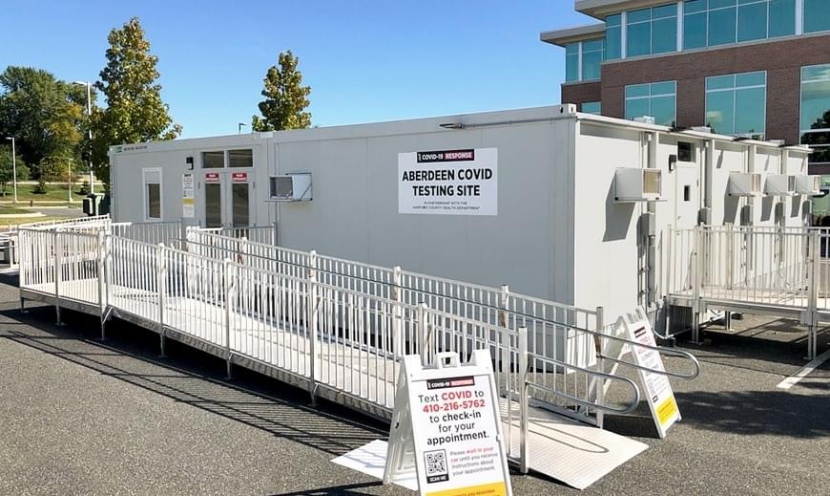
Superior quality control in factory-built environments
Controlled factory conditions support rigorous inspection protocols at every stage of assembly. This prevents common field errors such as moisture infiltration and misalignment, resulting in tighter tolerances and improved long-term performance.
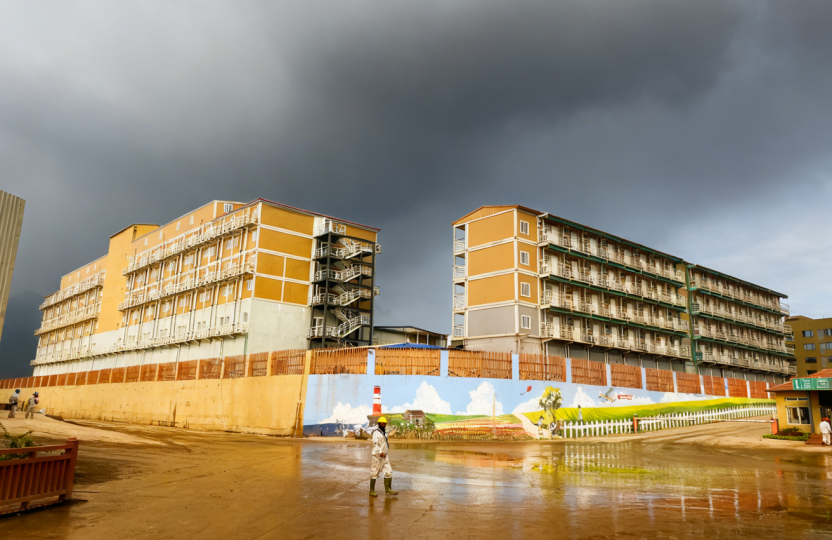
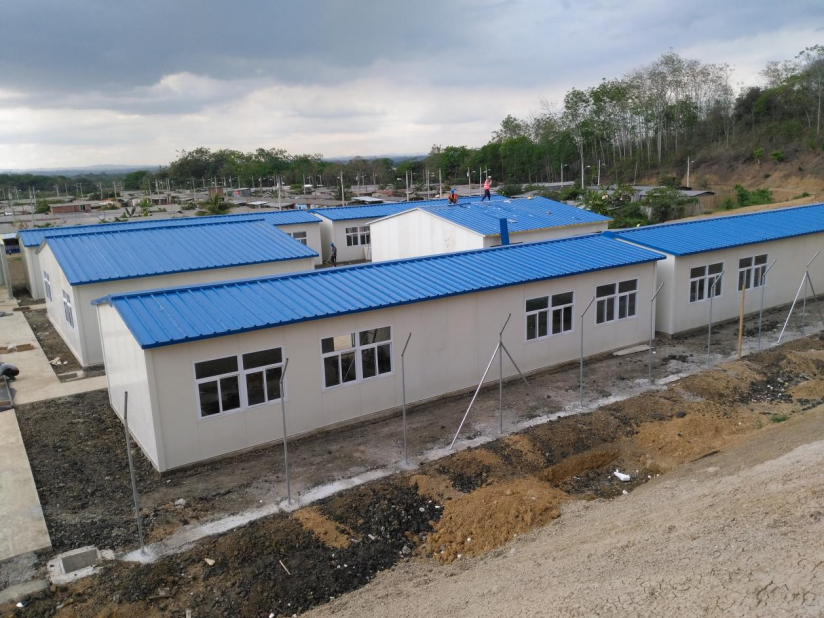
Modern design flexibility and architectural integration in prefabricated housing
Contrary to outdated perceptions, today’s prefabricated housing offers broad design freedom. Customizable modules, advanced BIM modeling, and flexible cladding options enable architects to create context-sensitive buildings that match neighborhood aesthetics and functional needs.
Permanent Modular Construction: Long-Term Urban and Social Housing Applications
Urban development: High-density housing and infill projects using prefab
Permanent modular construction, or PMC as it's often called, is gaining traction as a way to tackle those stubborn urban housing problems and make better use of neglected spaces. The process involves manufacturing building parts elsewhere and then putting them together quickly on site, which means developers can construct multi-story residential buildings and mixed-use structures even on small lots squeezed between existing buildings. Projects tend to wrap up anywhere from 30 to maybe 50 percent quicker compared to old school methods. That kind of acceleration really cuts down on neighborhood disruptions while making better use of limited space. More and more municipalities are turning to PMC for their mid-rise apartment complexes near public transport hubs. These developments fit right into cityscapes without standing out too much. Despite what some might think, prefab housing actually manages to pack in good density, maintain decent design standards, and stand up structurally just fine when done properly.
Case studies: Modular student housing and campus expansions
Schools across the country are turning to PMC solutions when they need to quickly address student housing shortages without breaking their already tight budgets or disrupting classes. Take one large university that built a brand new dormitory with 400 beds in only 12 months, which is about half what traditional construction would take. They did this using those ready-made modular units that come with all the necessary systems for power, water, and wiring already installed. Most of these projects end up saving around 20 to 30 percent on costs while also delivering better quality buildings because everything gets inspected at the factory first. As more campuses see how well this works, PMC is becoming the go-to option whenever schools want to expand without causing chaos on campus.
Affordable and supportive housing solutions with permanent modular construction
PMC is making big changes in the world of affordable and supportive housing. They're able to cut down on costs and speed up how fast projects get done without sacrificing quality. Cities that have used this approach see their housing projects finish anywhere from 25 to 40 percent quicker than traditional methods. That means people in need can move into new homes much sooner. The factory built units actually perform better when it comes to saving energy because they're constructed more tightly, which translates to lower monthly bills for families living there. When it comes to things like wheelchair ramps, grab bars, and wider doorways these universal design elements work better when made consistently in a factory setting rather than trying to retrofit them later. For government agencies working within tight budgets but still wanting to make a difference in communities, this kind of prefabricated housing offers a smart solution where money spent today leads to real improvements tomorrow.
Addressing public perception: Durability and longevity of modular buildings
A lot of people still think modular buildings aren't built to last, but the truth is quite different. When installed correctly, these permanent modular constructions can actually stand the test of time just as well as traditional buildings, sometimes even better. Take a look at modern PMC units today - they pass all those important building codes for earthquakes, strong winds, and heavy snowfall without breaking a sweat. Some independent research out there shows that good quality modular buildings often stick around for over 50 years before needing major work, similar to what we see with regular construction methods. The way these modules get manufactured makes them tougher too. Tighter connections between parts mean less water gets in, and since most assembly happens indoors, materials don't get damaged by rain or sun while being put together. As real world data keeps coming in showing how reliable these structures really are, architects and builders are starting to see prefab housing not as something temporary, but as serious contenders for long lasting architectural solutions.
Relocatable Buildings: Temporary and Emergency Use Cases for Prefabricated Rooms
Relocatable buildings provide flexible, rapidly deployable solutions for temporary or emergency situations where speed, adaptability, and functionality are essential. These prefabricated structures can be quickly assembled, reconfigured, and moved as needs change, making them ideal for dynamic environments across education, disaster response, and industry operations.
Educational facilities: Rapid deployment of temporary classrooms
More schools are now using temporary classrooms when dealing with sudden student population growth, ongoing building renovations, or just plain running out of room. The good news is these portable structures take only a few weeks to set up, so classes don't have to be canceled for long periods. Most come ready to go with proper insulation, heating and cooling systems, electricity hookups, plus all the required safety gear. Students actually get decent learning spaces this way while the main school buildings either get upgraded or new ones get built from scratch. Some districts report that kids adapt pretty well to these temporary setups once everything's working properly inside them.
Disaster response: Prefabricated emergency shelters and crisis housing
When disaster strikes or there's some kind of humanitarian emergency going on, prefabs become really important for people who have lost their homes. These ready-made shelters give folks somewhere safe to sleep and access to basics like food storage and sanitation while they wait for things to settle down. The parts come pre-made so companies can crank them out fast, sometimes getting units on site within just a few days. And these aren't one-size-fits-all either - engineers design them to work as temporary houses, makeshift hospitals during outbreaks, or even gathering spaces for communities. Most newer models are pretty tough too, built to handle extreme weather without falling apart when regular buildings might not stand a chance after roads get washed away or supply chains break down.
Flexible office and site accommodation solutions
Builders, mining operations, and folks putting on big events all turn to portable buildings when they need temporary offices, places for workers to stay, or functional spaces on site. What's great about these structures is how easy they are to move even to tough spots where there's little prep work needed, and then set up pretty fast. Inside, people can tweak the layout depending on what they need at the moment – maybe an office area one week, sleeping quarters the next, or somewhere to store equipment. This flexibility really comes in handy for jobs where space requirements change constantly or when time is tight and permanent structures aren't feasible.
Remote and Off-Grid Prefabricated Living: Sustainable Solutions for Isolated Sites
Prefabricated housing provides efficient, sustainable solutions for remote and off-grid living, overcoming logistical and environmental challenges where conventional construction is impractical. Factory-built homes combine durability with energy independence, delivering high-performance living spaces even in isolated regions.
Off-Grid Prefab Housing for Rural and Isolated Locations
Prefab homes work really well for off grid living because they come with all sorts of green features already built in. Think solar panels, rainwater collection systems, and super efficient insulation that gets installed while the house is being made. Putting these systems together in a factory instead of on site makes everything much more reliable and saves money in the long run. A study followed around 400 buildings in remote areas for 15 years and found that prefab houses produce about 15 percent fewer emissions during construction than traditional ones. They also use roughly 22 percent less energy once people start living there according to Remote Mobile Home research from 2023. Plus, since these homes are made in modules, they can be packed tightly for transport which cuts down on fuel consumption during shipping by almost two thirds. That's a big deal when transporting materials across country or internationally.
Worker Accommodations in Mining, Oil, Gas, and Construction Sectors
For industries operating out in the boonies where there's no established infrastructure, relocatable prefabs have become a real game changer. These sturdy little boxes offer decent shelter for workers who otherwise would have nowhere to live. Made in factories means they come with consistent safety features and decent build quality, plus saves companies around 30-40% on site labor costs compared to building from scratch. What's really nice is how fast these units go up when needed, and just as quick to take down or rearrange them as projects change direction. Whether it's freezing cold or scorching heat, these modular setups adapt pretty well to whatever environment they get dropped into.
Integrating Sustainability into Industrialized Offsite Construction
Offsite construction naturally leads to more sustainable building practices. When work happens in factories rather than on site, there's significantly less wasted materials something that industry reports put around 30% reduction. Plus, builders can install those energy efficient systems with much greater accuracy since everything fits together perfectly from the start. Research shows that these modern prefab techniques actually save about 40% on energy usage thanks to better insulation properties and built-in monitoring devices that track consumption patterns. Because factory production follows similar processes repeatedly, companies keep finding ways to improve their green credentials over time. This makes prefabricated homes particularly attractive for developers working in environmentally sensitive areas where traditional construction would cause more disruption.
FAQ Section
What is prefabricated housing?
Prefabricated housing refers to a construction method where building components are manufactured in factories before being transported and assembled at the site.
How does modular construction differ from manufactured homes?
Modular homes are built in sections in factories and assembled on permanent foundations, following local building codes. Manufactured homes are built entirely in factories under federal HUD standards and can be transported easily with wheels.
Why are prefabricated homes considered more sustainable?
Prefabricated homes use factory-controlled environments which reduce waste, incorporate energy-efficient systems, and produce fewer emissions compared to traditional construction methods.
What are relocatable buildings used for?
Relocatable buildings are used for temporary or emergency situations, such as classrooms, emergency shelters, and site accommodations where flexibility and rapid deployment are necessary.
Are modular buildings durable?
Yes, modular buildings are designed to meet stringent building codes and can last as long as traditional constructions, often exhibiting better weather resistance.
Table of Contents
- Understanding Prefabricated Housing and Modular Construction Systems
- Key Benefits of Prefabricated Housing: Speed, Cost, and Quality Control
- Permanent Modular Construction: Long-Term Urban and Social Housing Applications
- Relocatable Buildings: Temporary and Emergency Use Cases for Prefabricated Rooms
- Remote and Off-Grid Prefabricated Living: Sustainable Solutions for Isolated Sites
- FAQ Section