EN
EN

The Rise and Drivers of Rapid Deployment in Prefabricated Container Housing
Understanding the surge in demand for prefabricated container housing
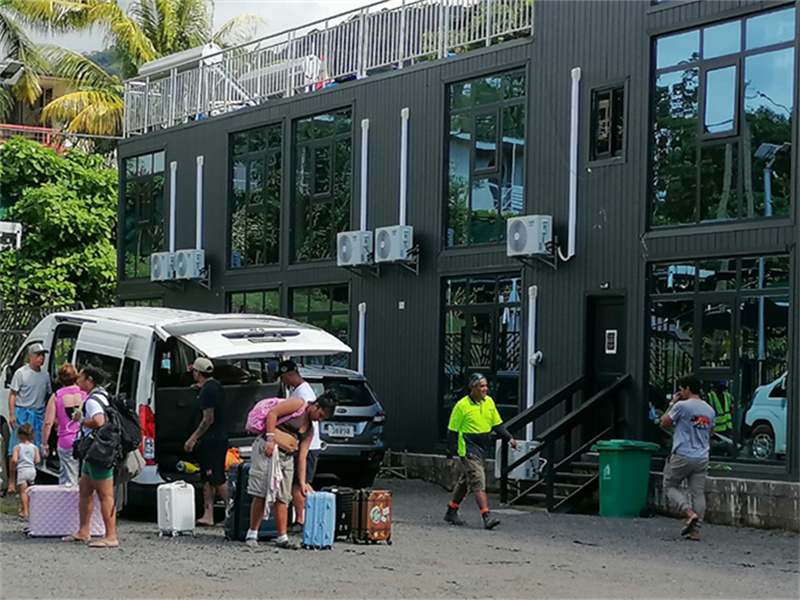
Construction around the world is under serious strain right now because we just don't have enough houses, not enough good workers, and everyone wants things to be greener. That's why container homes built off site are gaining so much traction these days. Some reports show demand jumping nearly 40 percent each year in areas prone to disasters. These modular units solve several problems at once really. They slash the time spent building on location by about two thirds, waste way less materials since everything gets made with exact measurements, and can be put together quickly wherever regular construction simply won't work. Plus, when companies start using digital modeling software like BIM, it makes the whole process even smoother. Designers can tweak plans all day long before any actual metal gets cut.
Key factors accelerating rapid construction and deployment
Factory controlled manufacturing gives prefabricated container housing a major advantage when it comes to quality control. No more worrying about rain delays or bad weather messing up construction timelines like happens so often with traditional building methods. The standard sizes of shipping containers make them really easy to transport and stack on site. Plus the modular nature means we can create all sorts of different layouts ranging from basic single unit structures right up to multiple story buildings depending on what's needed. Research conducted at MIT back in 2021 found that prefab construction projects get people into their new spaces anywhere between 30 to 50 percent quicker compared to regular construction jobs. Lightweight composite materials combined with mechanical systems already built in before delivery greatly speeds things up during installation. These advantages make container homes particularly useful for situations where quick deployment matters most such as disaster relief efforts, temporary facilities in remote locations, or providing accommodation solutions for workers at industrial sites.
Trend analysis: Growth in fast-build shelters and mobile prefab units
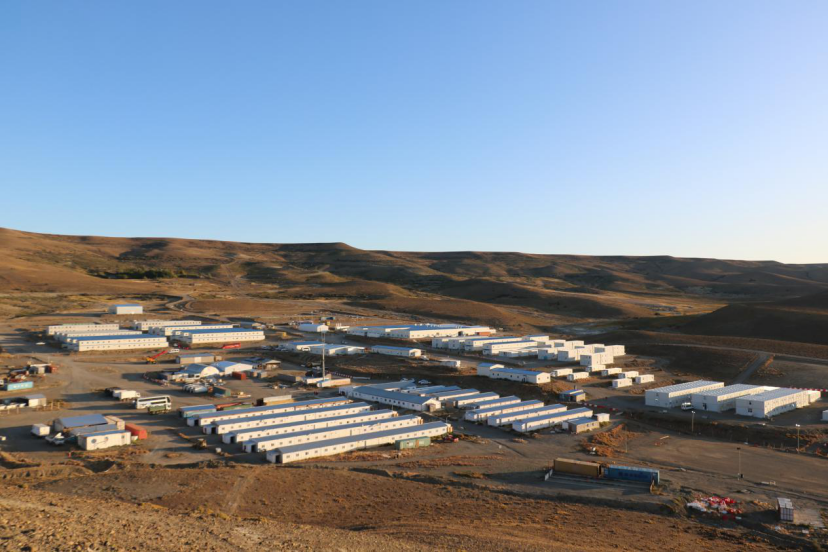
According to market predictions, prefabricated construction could grab around half of the residential market by 2030 as people want faster and more flexible building options. We're seeing this shift clearly in several sectors right now. First there's emergency housing when disasters strike, then temporary places where workers can stay during construction projects, and finally those modular hospitals popping up everywhere these days. The mobile prefab units aren't just good because they go up quickly either. They actually work pretty well after being moved around multiple times too. Take a look at what happens across North America and Europe where folks really love those fancy containers complete with built-in plumbing and air conditioning systems. Meanwhile over in many developing countries, communities are making do with much simpler versions that still provide decent shelter without breaking the bank.
Case study: Emergency response using modular container housing
When the big quake hit the Mediterranean region in 2023, relief groups managed to get around 2,000 prefabricated container homes on site within just three days. This showed just how important fast deployment really is during emergencies. The containers came equipped with solar panels for electricity, basic water filters, and flexible designs that could fit small families or larger households. What's interesting is that these weren't just temporary shelters. They also became bases for setting up makeshift hospitals and supply centers almost overnight. As time went on, quite a few of these containers stayed put even after the first wave of aid passed. Some communities actually started using them as permanent housing, proving that what begins as an emergency fix can sometimes turn into something much more lasting when it comes to sustainable living arrangements.
Modular Design Principles Behind Prefabricated Container Homes
Core principles of modular construction and off-site manufacturing
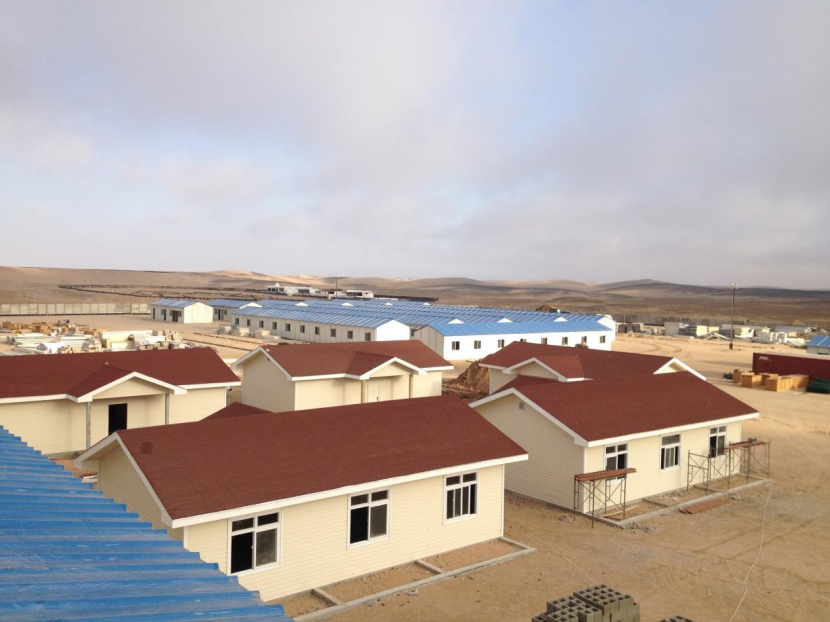
Container homes built prefabricated style work around modular concepts, basically turning them into building blocks made elsewhere. What makes this approach so efficient is that whole parts of buildings get finished at factories first, then shipped out. According to Waste & Resources Action Programme data from 2022, this method cuts down material waste roughly half compared to regular construction practices. Steel containers have pretty consistent strength throughout, which gives builders a solid foundation for creating everything from single family residences right up to full scale developments. Plus these structures still meet all the necessary engineering standards and building codes despite their unconventional origins.
How factory-built homes enhance speed and quality control
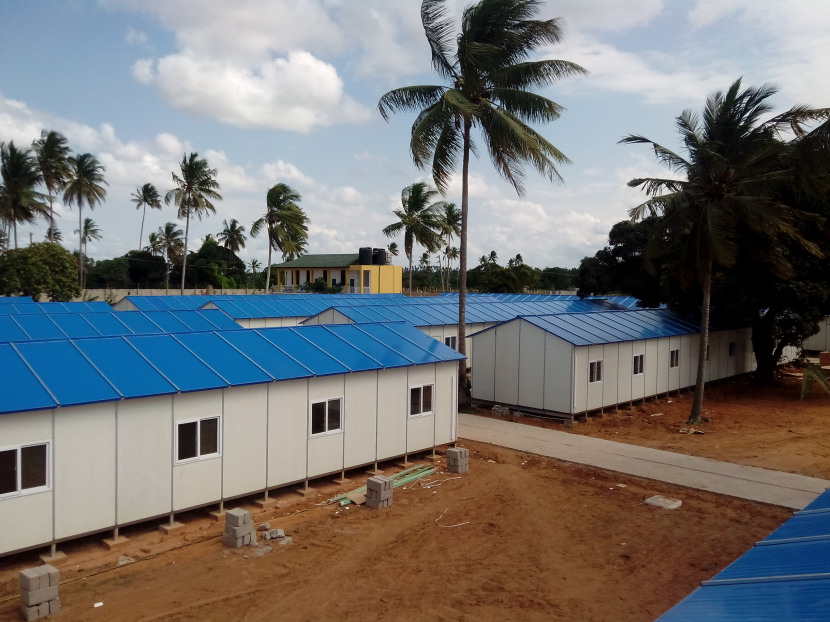
When buildings are made in factories instead of on site, they're basically separated from all those unpredictable weather delays and location issues. This lets different parts of the construction happen at once, which can really cut down how long projects take overall maybe around half to two thirds faster than traditional methods. The factory setting means we check everything thoroughly throughout the whole process welding joints, laying insulation, even finishing walls inside before anything leaves the plant. That attention to detail gives us consistent results across all units, better sealed buildings that waste less energy, and just generally higher quality work. Plus workers stay safer indoors where conditions are controlled, and plumbers and electricians can install their systems properly without rushing against deadlines. What happens when these components arrive on site? Pretty much just snapping them together like giant Lego blocks. The actual assembly takes far fewer workers and gets done in days rather than weeks, which makes everyone involved pretty happy.
Design flexibility in expandable and detachable container house systems
Today's modern designs incorporate expandable and detachable systems so they can offer maximum functionality while still being easy to move around. Take expandable units for instance—they slide out and actually double or sometimes triple the available space inside when deployed, yet stay really small when packed away for transport. The detachable parts open up all sorts of possibilities too. We're seeing buildings stacked several stories high, connected side by side, or sticking out at odd angles like cantilevers. This flexibility lets architects create everything from tiny one room apartments to fancy homes with all the bells and whistles. And let's not forget about customization either. People can tweak layouts, pick different surface materials, choose various types of exterior coverings. So no, modular construction doesn't have to look boring or repetitive after all.
Applications in Remote, Temporary, and Crisis Situations
Container homes are changing life in remote areas where building normally isn't really feasible because there's no proper roads or power lines running through. These boxes can be shipped anywhere and put together even on rocky ground or mountain slopes. They've become pretty common at scientific research bases in Antarctica, wildlife monitoring posts deep in forests, and small villages far from city centers. Most come with solar panels on top for electricity, collect rainwater for drinking and washing, and have those special toilets that turn waste into compost instead of needing septic tanks. The steel walls stand up to everything nature throws at them too snowstorms, hurricanes, curious bears wandering by at night. People who live in these containers report feeling surprisingly comfortable despite being so far from civilization.
The mining, energy, and infrastructure sectors face constant challenges when it comes to housing workers who need to move between locations regularly. That's where prefabricated container units come into play. These versatile structures can function as everything from sleeping quarters to administrative offices, mess halls, and even bathrooms. What makes them particularly useful is their ability to be moved quickly from one site to another without much hassle or delay. The stacking feature saves precious ground space at busy camp sites, something that becomes crucial when hundreds of workers are on location simultaneously. Built tough enough to handle rough conditions, these containers maintain quality despite being dragged through dust storms or heavy rain. For companies operating in remote areas where traditional housing isn't feasible, this kind of flexible accommodation solution keeps operations running smoothly while ensuring basic comfort standards for personnel stationed far from home.
In times of crisis, getting help fast often means the difference between life and death. Container homes that are built ahead of time can arrive at disaster sites and be put together in just a few days, serving all sorts of purposes like shelter for survivors, medical facilities, or places to store supplies. These metal boxes stand up much better to harsh conditions than flimsy tents ever could, protecting people from rain, wind, and other dangers that come after major events. A recent study looking at disaster responses found something pretty impressive too container housing cut down on setup time by around two thirds compared to regular temporary buildings. This kind of efficiency really matters because it gets essential services out there quicker when communities are struggling to recover.
Case Study: Flat-Pack Containers at Arctic Research Stations During an Arctic research mission last winter, scientists brought along these special insulated containers that could be packed flat for transport via plane and then put together on site without needing big machines. Even when it got down to minus 40 degrees Celsius outside, the inside stayed comfortable for work because of all that extra insulation and tight seals between panels. The small size of these containers meant they didn't leave much of a mark on the snow and ice around them, which is really important since the Arctic ecosystem is so delicate. What we learned from this experience shows just how useful these ready-made container systems can be for getting science done in places where nobody else goes.
Innovations and Future Trends in Expandable Container House Technology
Engineering advances in expandable and portable container structures
The latest tech has taken those basic container homes and transformed them into something pretty impressive these days. With hydraulics and mechanics working together, one standard shipping container can actually expand to three times its original size within half an hour or so. And despite all that movement, these structures still hold up against harsh weather conditions without falling apart. We're talking about lighter materials too - composites that cut down on weight by roughly 40 percent when compared to traditional construction methods. Plus they insulate better which means less heat loss. The newest models come equipped with special locks that create tight seals whenever the containers expand and contract. This solves old problems where water would seep through gaps and cause damage over time, making these portable homes much more practical for long term use.
Mobility, reusability, and sustainability in detachable container designs
Container systems that can be taken apart are getting serious about circular economy ideas thanks to standard connectors which make it possible to break things down, reuse components, and rearrange them for different purposes. Studies show these modular setups cut down on material waste somewhere around 60-70% when compared against one-time use temporary buildings. Most manufacturers today work with steel that contains over 80% recycled content while still maintaining structural integrity. Some companies go even further by adding rainwater harvesting features and installing solar ready roofing materials to help their containers function independently from traditional power grids. The construction industry as a whole is starting to see this emphasis on repeated use as part of what makes business sense in our current environmental climate.
Case study: Modular shelters in refugee camps with rapid deployment
Last month, aid workers managed to get 200 expandable containers into a refugee camp just three days after getting the green light from authorities. These special containers can actually grow upwards, giving shelter to around 800 people while still keeping enough space between them during these pandemic times. What's really impressive is how fast they go up once they arrive on site - we're talking about setting everything up in under four hours flat. That cuts down deployment time by almost 90% compared to those old fashioned tents and temporary structures. Inside each container there are built-in toilets and washing facilities too. And because they're made to be moved again if needed, this whole system gives refugees proper housing that can scale up or down depending on what the situation demands next.
Smart integration and solar-ready features shaping future prefabricated houses
Smart tech is making its way into the latest prefab container homes, helping them perform better than ever before. The homes come equipped with automated systems that control lights, heat, and air conditioning depending on who's inside and what the weather is doing outside. Manufacturers are also putting in all the necessary electrical pathways ahead of time so adding solar panels later becomes much easier. Some models even have special brackets already installed for mounting those solar panels right from the factory floor. There are also energy tracking systems that show exactly how much power is being used versus generated, giving people living there clear information they can use to cut down on waste. This makes a big difference particularly when someone lives somewhere without easy access to traditional power sources or has limited resources available. Container homes with these features are starting to stand out as genuinely innovative solutions for eco-friendly living spaces that adapt to changing conditions.
Frequently Asked Questions (FAQ)
What are prefabricated container homes?
Prefabricated container homes are modular housing units that are constructed using shipping containers and built off-site in factories before being transported to their final location for assembly.
Why are container homes gaining popularity?
Container homes are popular because they offer faster construction times, reduced waste, and flexibility, making them ideal for temporary housing, disaster relief efforts, and eco-friendly living.
How are container homes used during disasters?
During disasters, container homes can be quickly deployed as shelters, medical facilities, or supply storage, thanks to their durability and fast setup times.
What innovations are shaping the future of prefabricated container housing?
Innovations include expandable designs, smart integration, solar-ready features, and the use of lighter, composite materials, enhancing sustainability and ease of deployment.
Table of Contents
- The Rise and Drivers of Rapid Deployment in Prefabricated Container Housing
- Modular Design Principles Behind Prefabricated Container Homes
- Applications in Remote, Temporary, and Crisis Situations
-
Innovations and Future Trends in Expandable Container House Technology
- Engineering advances in expandable and portable container structures
- Mobility, reusability, and sustainability in detachable container designs
- Case study: Modular shelters in refugee camps with rapid deployment
- Smart integration and solar-ready features shaping future prefabricated houses
- Frequently Asked Questions (FAQ)