 EN
EN

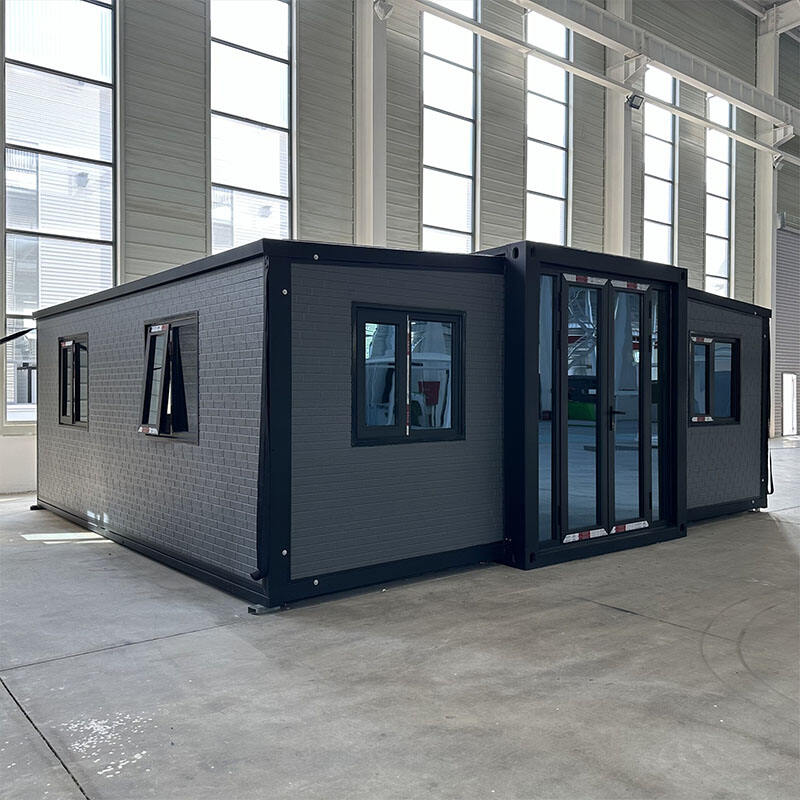
Why Steel Frame Modular House Systems Deliver Unmatched Structural Integrity
Steel frame modular house systems are widely valued for their strength, durability, and adaptability. Compared with many traditional building materials, steel offers a strong structural foundation that supports fast construction, long-term performance, and flexible design. For projects that require reliability, speed, and scalability, steel frame modular construction provides a practical and efficient solution.
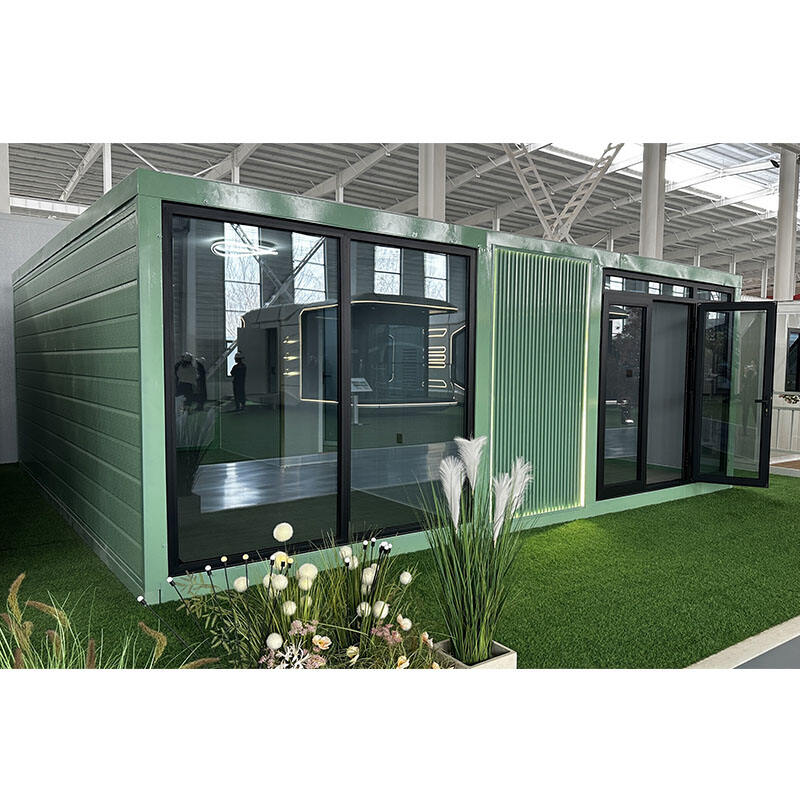
Tensile Strength, Fire Resistance, and Galvanized Corrosion Control
Steel frame modular house systems benefit from the natural performance advantages of structural steel. Steel provides excellent tensile strength, allowing designers to create slim yet highly capable framing systems that can perform well under demanding wind and seismic conditions while preserving usable interior space. Its non-combustible nature also makes it a strong option for projects where fire resistance is an important priority.
Another major advantage of steel is corrosion protection. When galvanized, steel gains an added layer of defense against moisture and oxidation, helping improve durability and reduce long-term maintenance needs. This makes steel frame modular houses especially suitable for a wide range of environments, including coastal regions and other locations where exposure to humidity or harsh weather may be a concern. Over time, this combination of strength, fire performance, and corrosion resistance supports building reliability across the full lifecycle of the project.
Performance comparison: Steel vs. wood vs. concrete in multi-storey modular constructions
In multi-storey modular projects, steel often stands out because of its balance of strength, weight, and structural precision. Compared with wood, steel can support taller and more complex modular layouts while maintaining strong lateral stability and structural consistency. Wood framing may be suitable for lower-rise applications, but it is generally less flexible when projects require greater height, higher loads, or more demanding structural performance.
Concrete modules, on the other hand, can create significantly heavier building components, which may increase foundation demands and add complexity to transportation and installation. Steel modules are typically lighter and easier to handle, which can simplify logistics and reduce some of the challenges associated with large-scale modular construction.
Steel also offers excellent manufacturing consistency. Because components are produced in controlled factory conditions, the system can achieve a high level of dimensional accuracy, which is especially important for vertical alignment in multi-storey structures. In seismic conditions, steel frames are also valued for their ability to support strong structural movement behavior and improve overall building resilience.
Accelerating Project Timelines with Steel Frame Modular Constructions
Steel frame modular houses are often chosen for their ability to shorten construction schedules. Factory-built components are produced to precise standards before arriving on site, which helps reduce measurement errors, field adjustments, and labor-intensive work during installation. Pre-planned service paths, interlocking profiles, and standardized connection details all contribute to a more efficient assembly process.
Because many parts are completed in advance, on-site work can focus mainly on positioning, joining, and finishing rather than full-scale construction from the ground up. This makes steel frame modular systems especially useful for projects that need to move quickly, such as workforce accommodation, temporary housing, commercial expansion, or multi-unit developments with tight deadlines.
Factory-to-site synchronization: How off-site fabrication reduces weather delays and rework
One of the major strengths of modular construction is the shift from open-site building to controlled factory fabrication. By completing much of the work indoors, projects become less exposed to weather-related delays and other disruptions that often slow down conventional construction.
This factory-to-site workflow also helps reduce rework. Since quality checks can be performed during fabrication, many issues are addressed before the modules reach the site. As a result, installation tends to be smoother, and the project team can spend less time correcting errors in the field. In many cases, modules arrive with important building elements already integrated, such as insulation, wiring pathways, and plumbing preparation, which helps streamline the final assembly stage.
Design Freedom and Future-Proofing in Steel Frame Modular House Projects
Steel frame modular systems offer strong design flexibility. Because the structure does not depend heavily on interior load-bearing walls, architects can create open-plan layouts and spacious interior environments with greater freedom. This makes it easier to adapt floor plans to different lifestyle needs, business uses, or future renovation plans.
The flexibility of steel framing also supports long-term value. Interior partitions can often be reconfigured more easily than in traditional construction, which gives owners more options as needs change over time. For projects that may expand later or require layout updates, steel frame modular construction provides a future-ready foundation that can support both current function and future growth.
BIM-driven parametric design for rapid customization and code-compliant scalability
Building Information Modeling, or BIM, has made steel frame modular construction even more efficient. Digital design tools allow architects and engineers to develop models that reflect project requirements, site conditions, and regulatory needs from the very beginning. This improves coordination between design, manufacturing, and installation teams.
With parametric design methods, modular projects can be customized more quickly while still maintaining structural consistency. Once a design is established, it can be adapted for different unit sizes, layouts, and project scales without starting from scratch each time. This makes steel frame modular systems especially valuable for developers planning repeatable building types, multi-unit housing, or expandable developments.
FAQ
What are the benefits of using steel frame modular house systems?
Steel frame modular house systems offer benefits like unmatched tensile strength, fire resistance, corrosion control, faster assembly, design flexibility, and scalable customizations, making them superior to traditional materials.
How do steel frames compare to wood and concrete in multi-storey constructions?
Steel frames support more storeys than wood due to better strength-to-weight ratios and offer better energy absorption during seismic events compared to concrete, thus providing increased safety and reduced foundation costs.
Can steel frame modular constructions truly save time?
Yes, they can significantly save time due to precision-engineered connections, pre-punched service channels, and factory-quality controls, which reduce the likelihood of on-site errors and accelerate construction timelines.
How does design flexibility in steel frame houses work?
Steel frame systems eliminate the need for load-bearing walls, allowing for open-plan designs. This structural flexibility means spaces can be adapted or reconfigured as needed without affecting structural integrity.