EN
EN

-
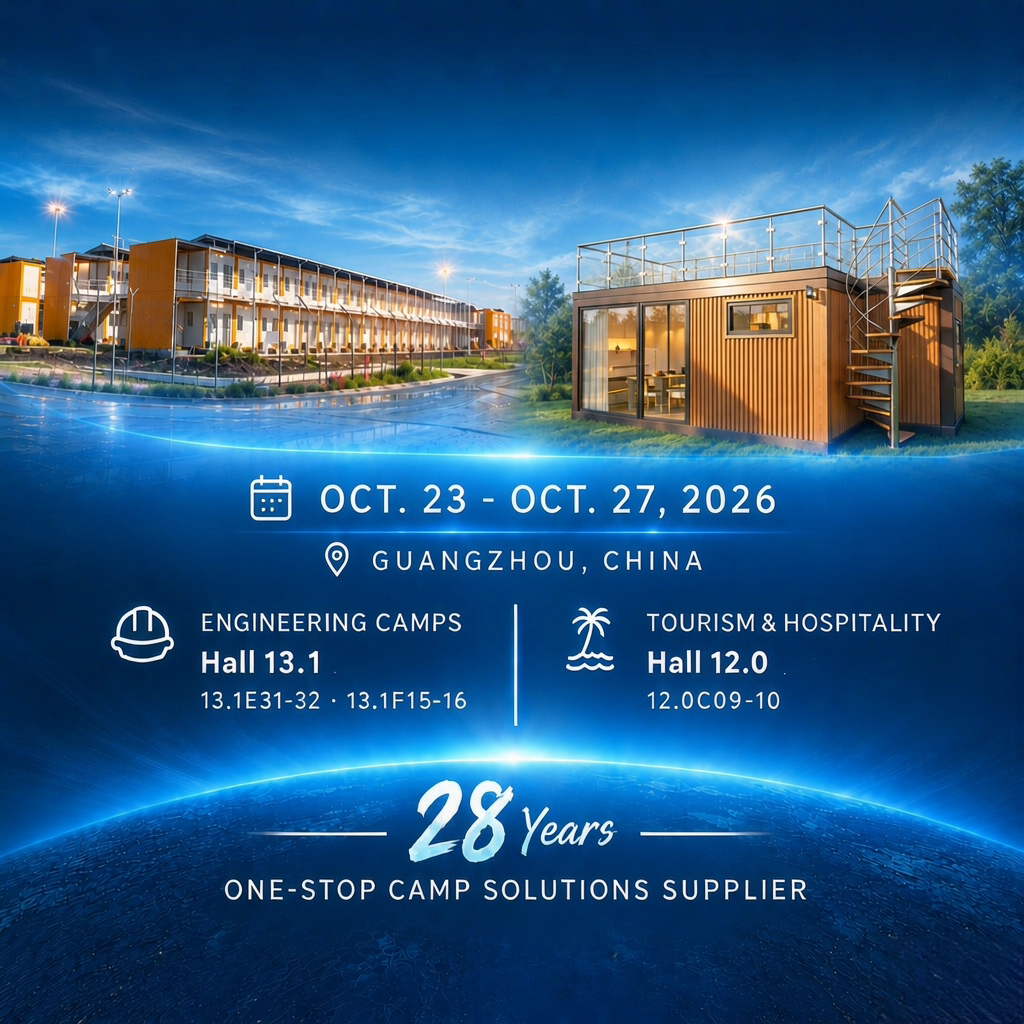
Meet CDPH at the 140th Canton Fair — Oct 23–27, 2026, Guangzhou
2026/09/30For 28 years, CDPH has been delivering one-stop camp solutions across the globe — from engineering camps to tourism & hospitality projects. This autumn, we're bringing our latest modular building innovations to the world's largest...
-
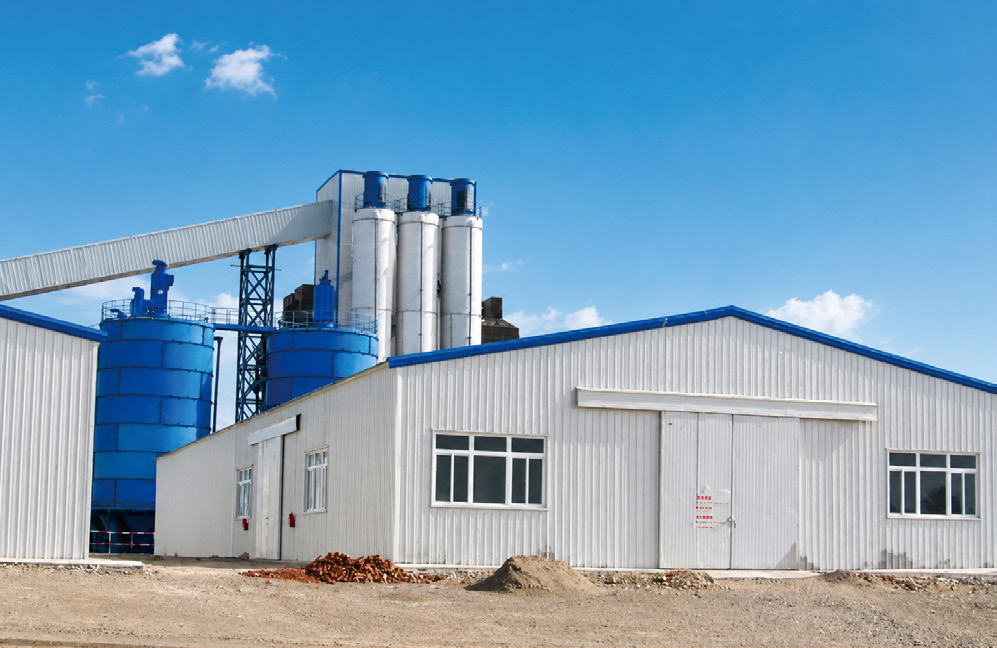
Clear-Span Steel Structure Buildings for Remote Projects
2026/09/22Clear-span steel structure buildings for mining, energy and infrastructure sites. Prefab steel warehouses & workshops delivered in 8–10 weeks — CDPH.
-
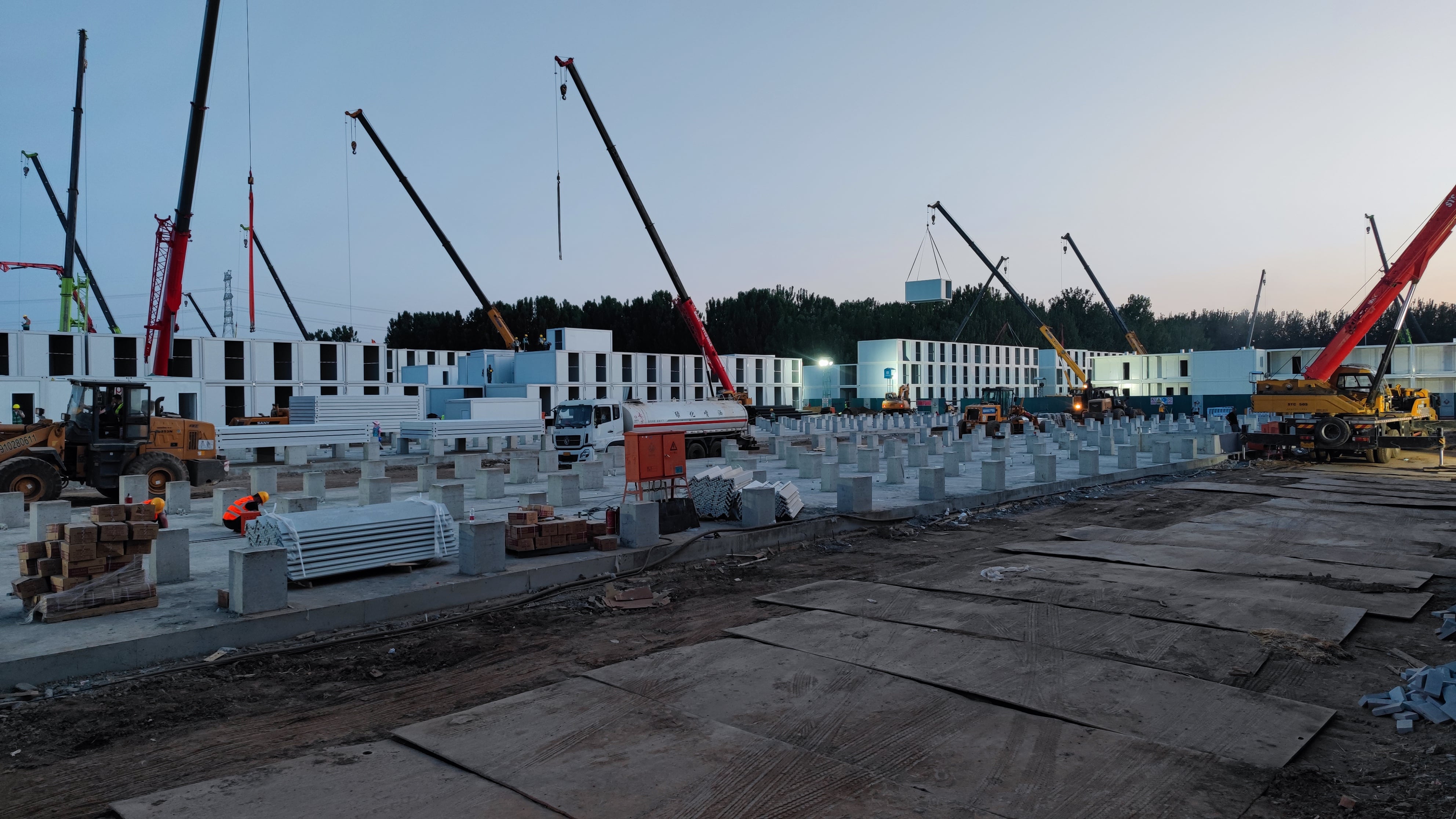
Relocatable Modular Camps: ROI for Multi-Phase Projects
2026/09/21Relocatable modular camps turn worker accommodation into a reusable asset. See flat-pack unit options, the relocation workflow and a 7-year ROI case — CDPH.
-
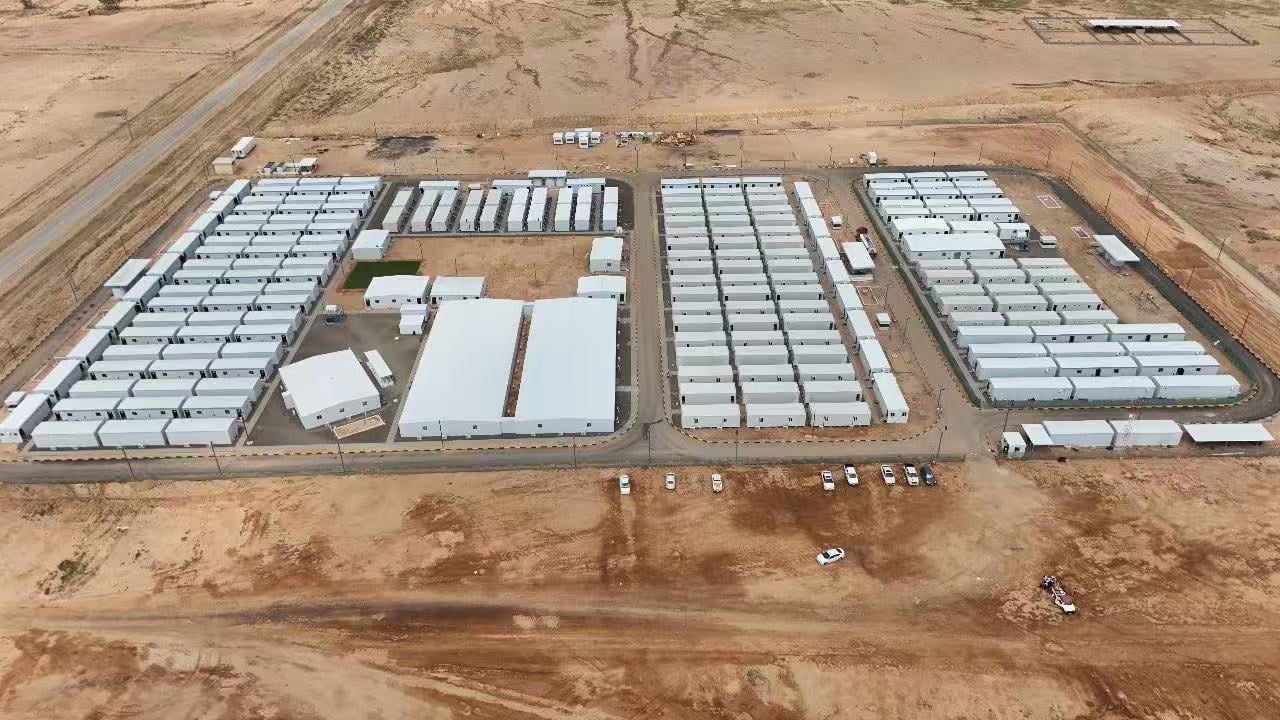
Desert Labour Camp Construction: A 50°C Modular Camp Guide
2026/09/16How modular labour camp construction keeps mining, oil & gas crews safe at 50°C. Specs, timelines and costs for desert worker accommodation camps.
-
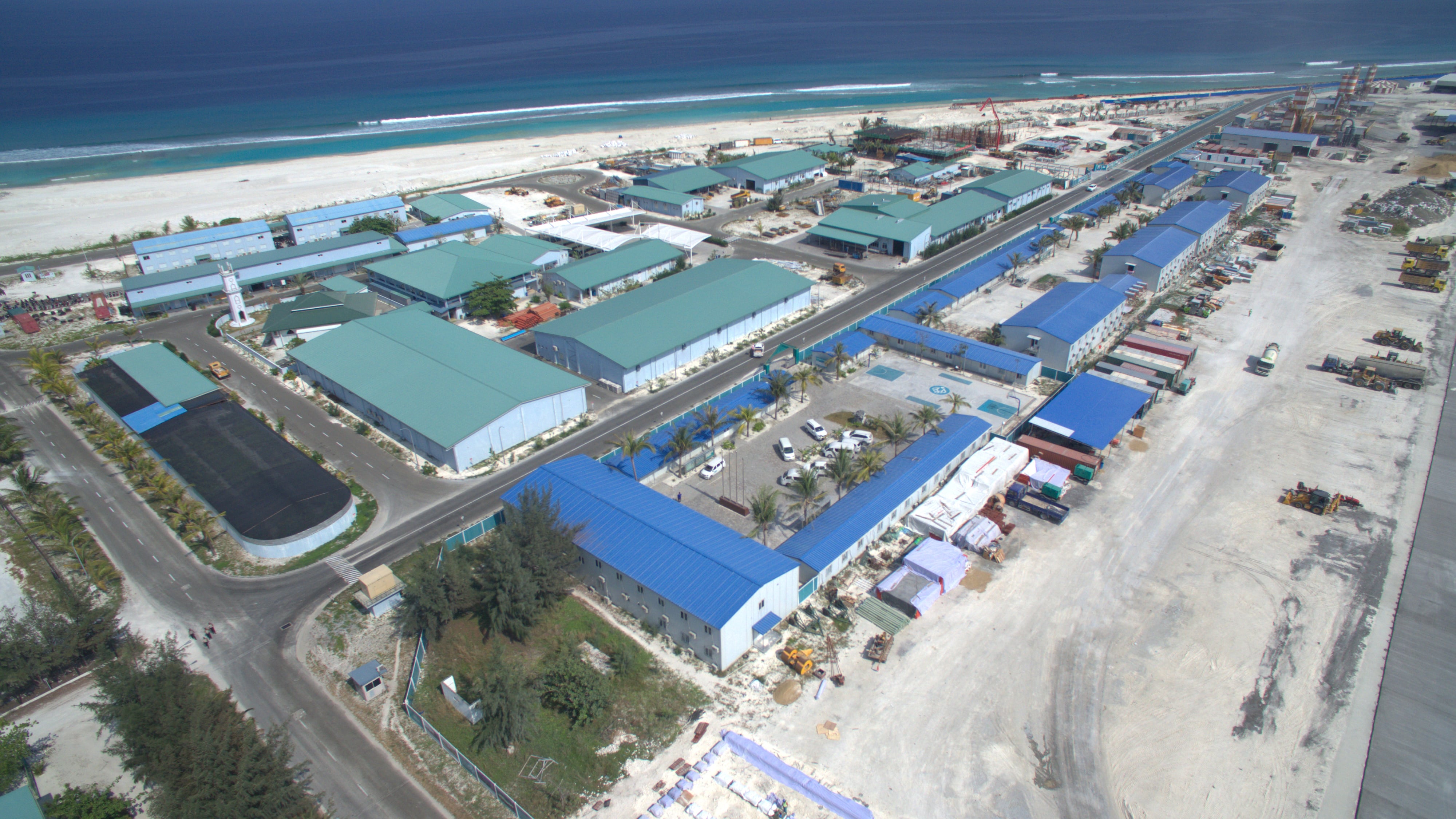
Coastal Labour Camp Construction: C4/C5-M Modular Accommodation for Oil, Gas and Marine Projects
2026/09/14Targeting contractors in the mining, energy, industrial, and infrastructure sectors operating in overseas coastal regions: What matters most for modular camps? See how CDPH provides the solution.
-
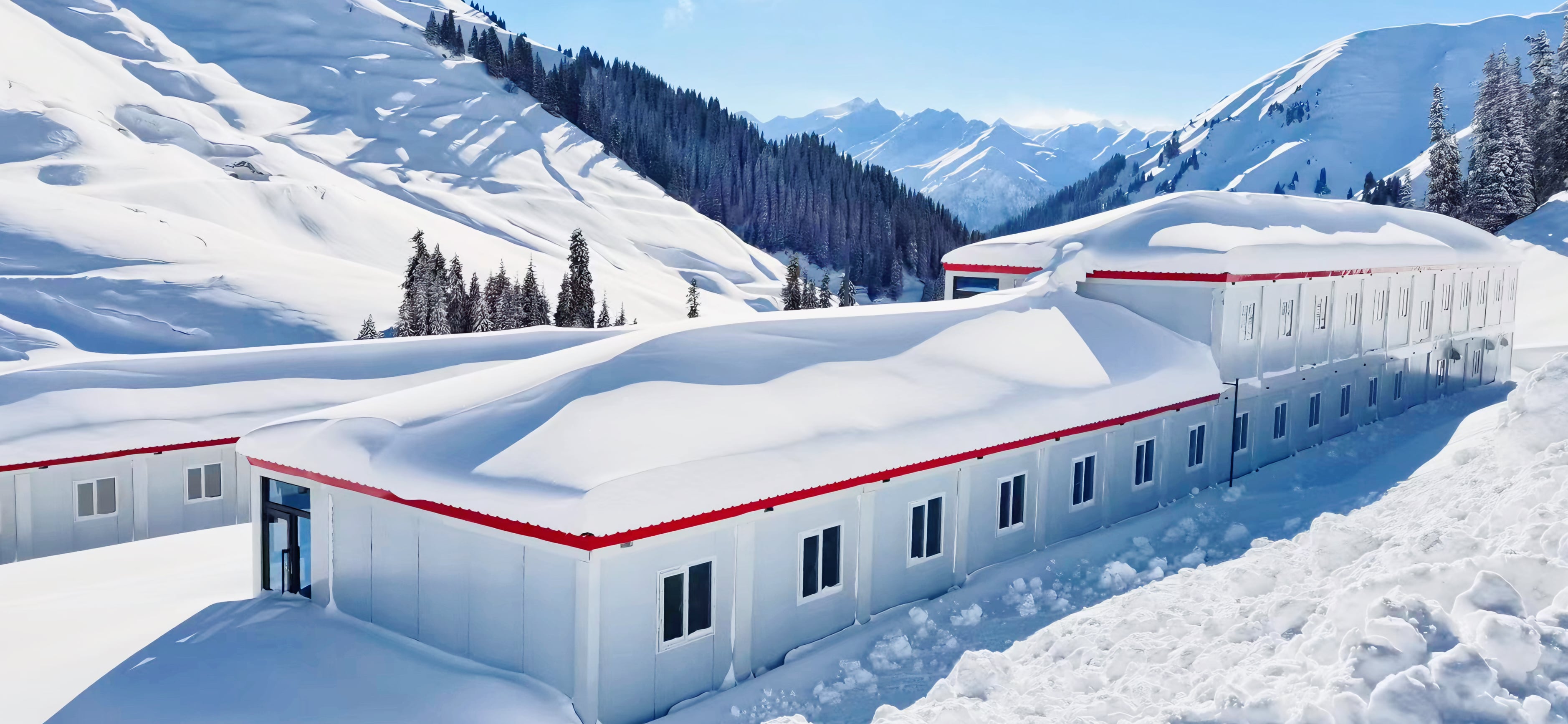
Why Cold Regions Punish Conventional Construction
2026/09/10How to spec modular buildings for -50°C. CDPH builds arctic-ready prefab camps for mining & energy contractors — 5,000+ projects in 100+ countries.
-
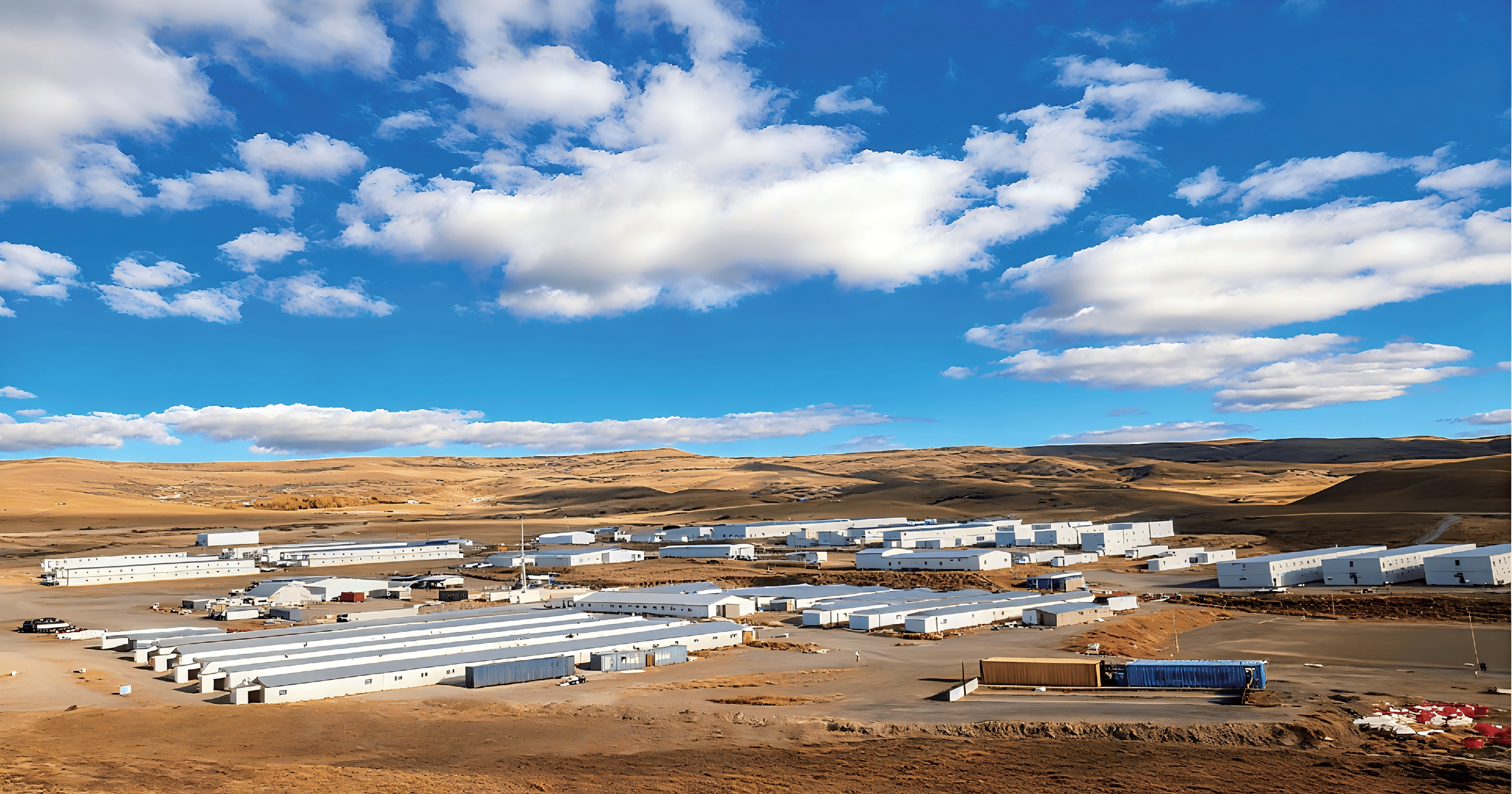
Modular Worker Camp for Mining Projects: The 2026 Complete Guide for EPC Contractors
2026/09/08CDPH tailors solutions for large-scale workforce camps, ranging from remote mining and energy sites to world-class projects—with a single, integrated organization handling planning, construction, and delivery.
-
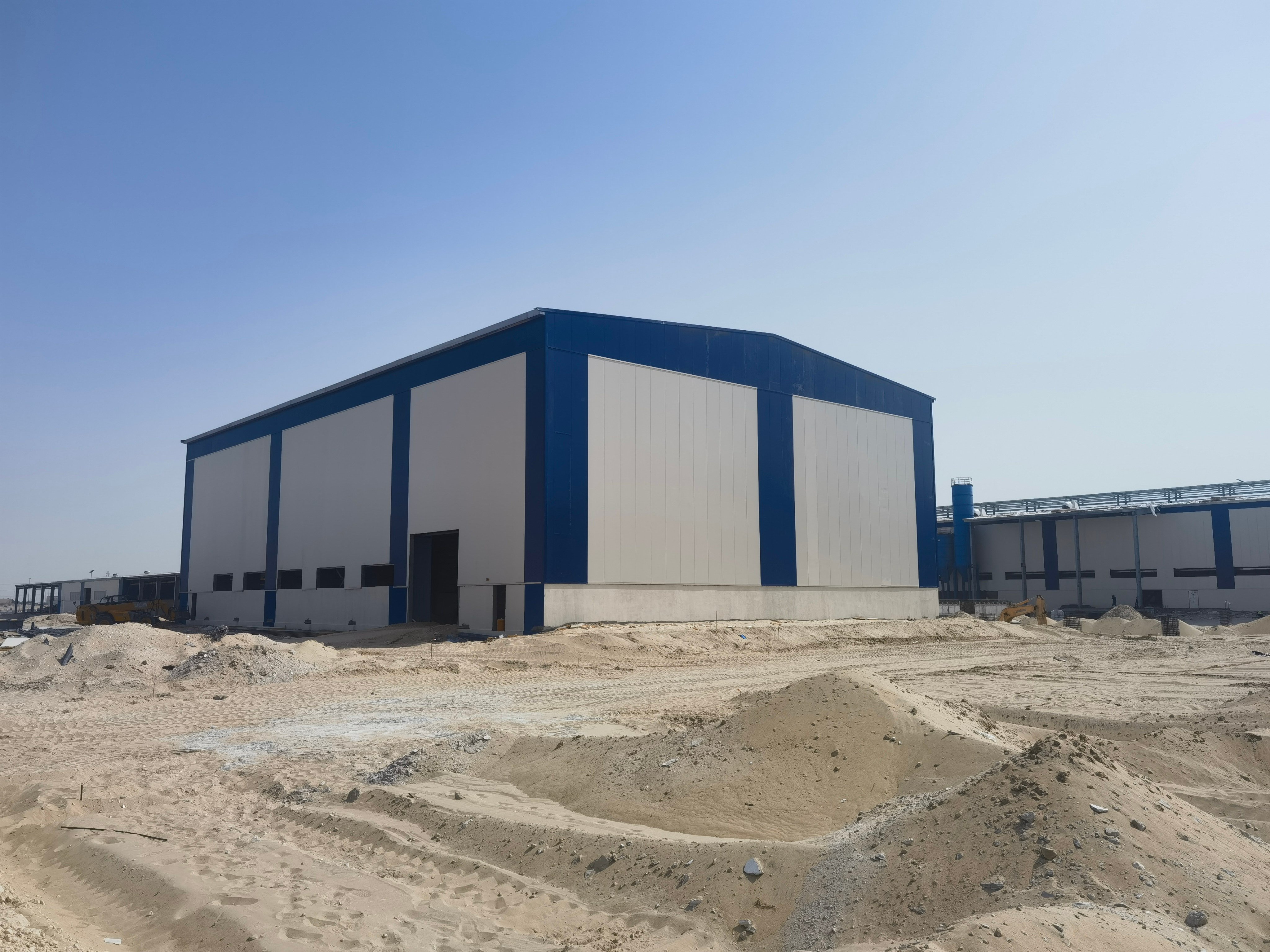
How to build a temporary warehouse on a construction site? Modular steel structure warehousing solution.
2026/09/07Modular warehouses can be reused across multiple project camps, and a single prefabricated warehouse can be used continuously across three project camps at a cost that is approximately one-third the cost of building (and then dismantling) three separate buildings.
-
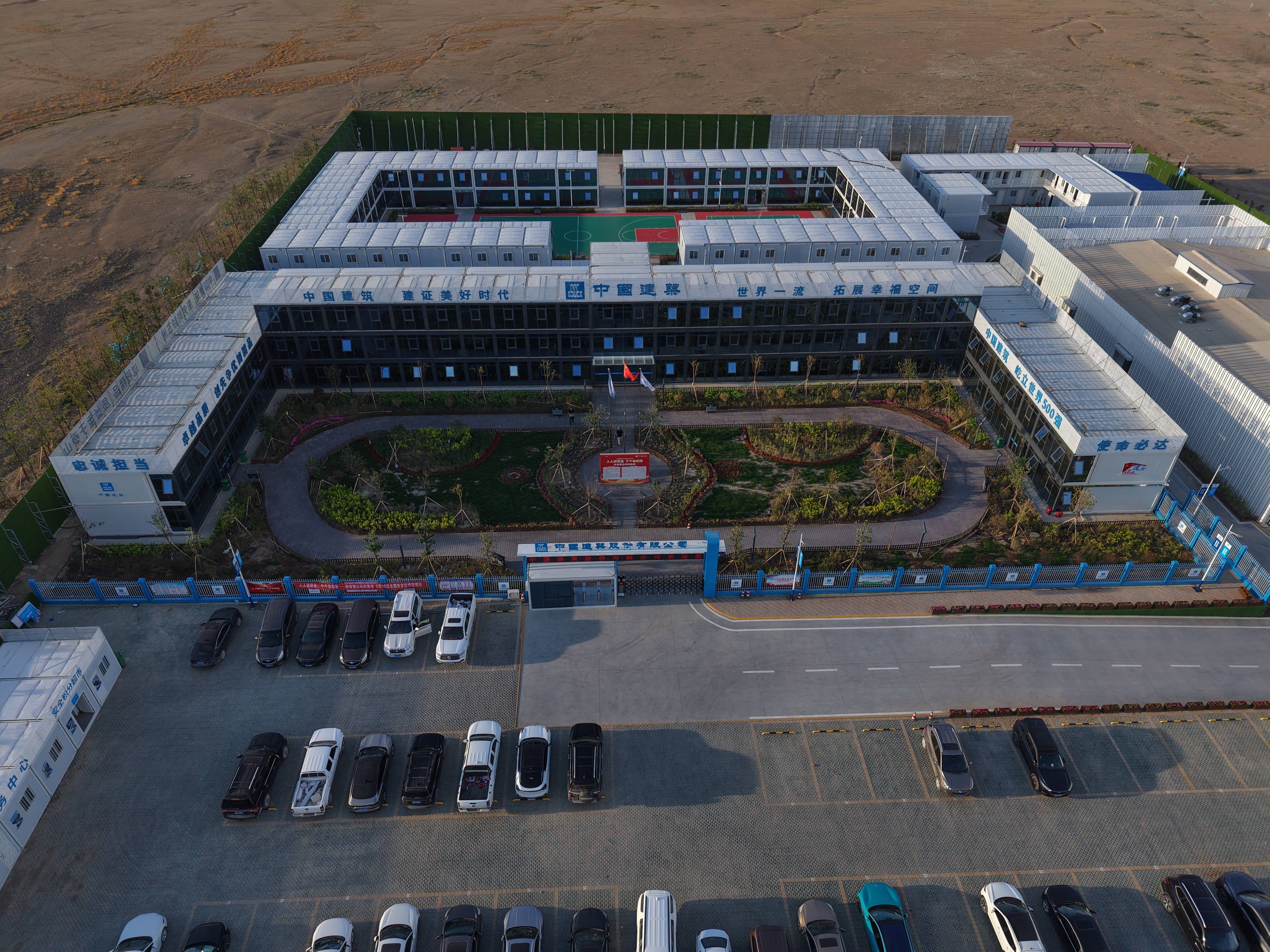
Wind & Sand Protection + Thermal Insulation: Providing Stable Work and Living Conditions for Frontline Mining & Energy Personnel
2026/09/01Prefabricated housing solutions that provide workers with safe, comfortable, and stable working and living environments have become a critical issue that cannot be ignored in modern mining and energy projects.
-
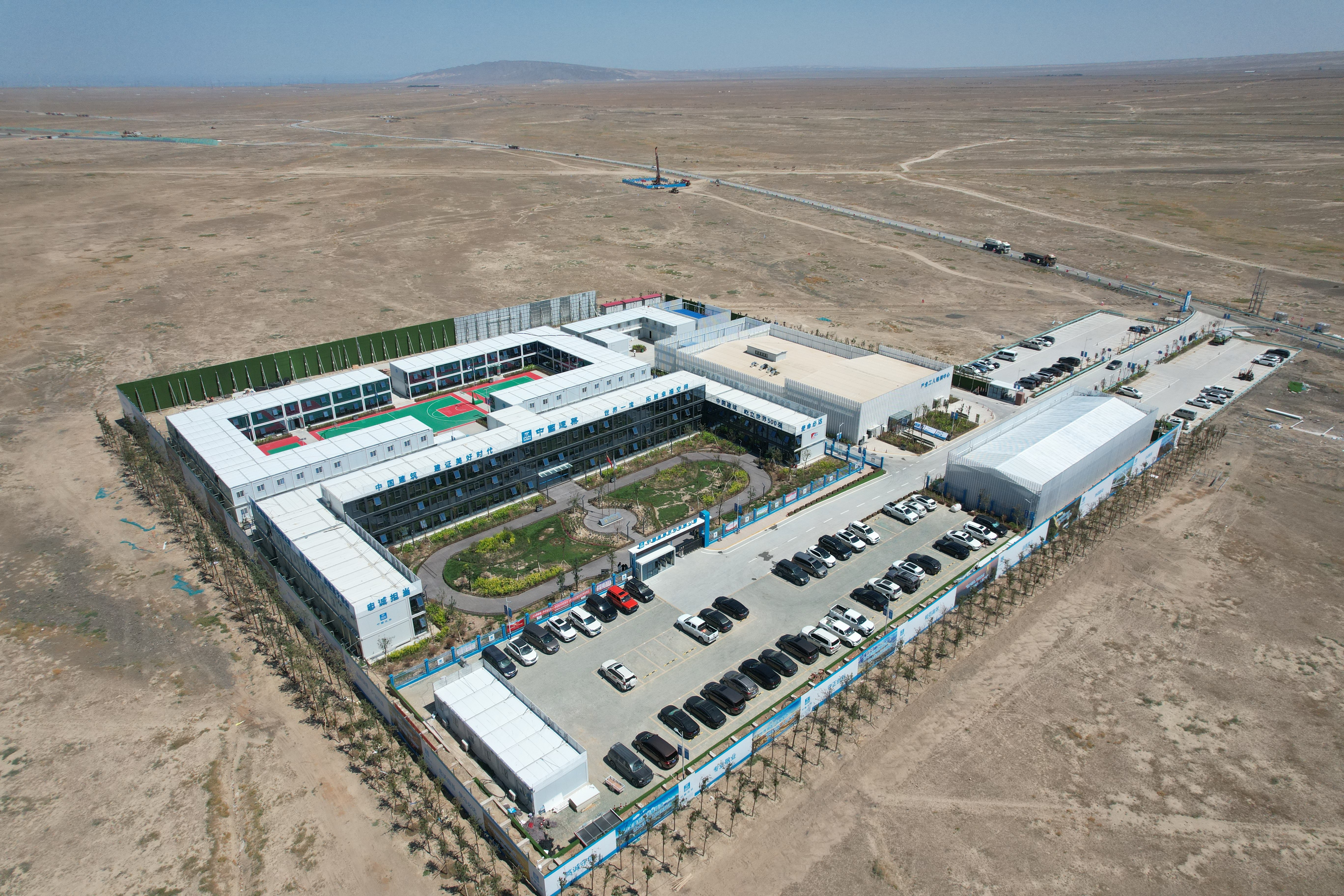
How to Choose a Camp Building Partner: 6 Questions to Ask Before Comparing Prices
2026/08/27When project teams start comparing quotes for camp construction, price is often the first thing they look at.Before comparing total costs, a more valuable question to ask is: Can this supplier carry the agreed scope all the way from project requirements through factory production, shipment preparation, and on-site delivery?Whether you are looking for containerized accommodation camps, steel structure building packages, or other modular construction solutions, this question applies.
-
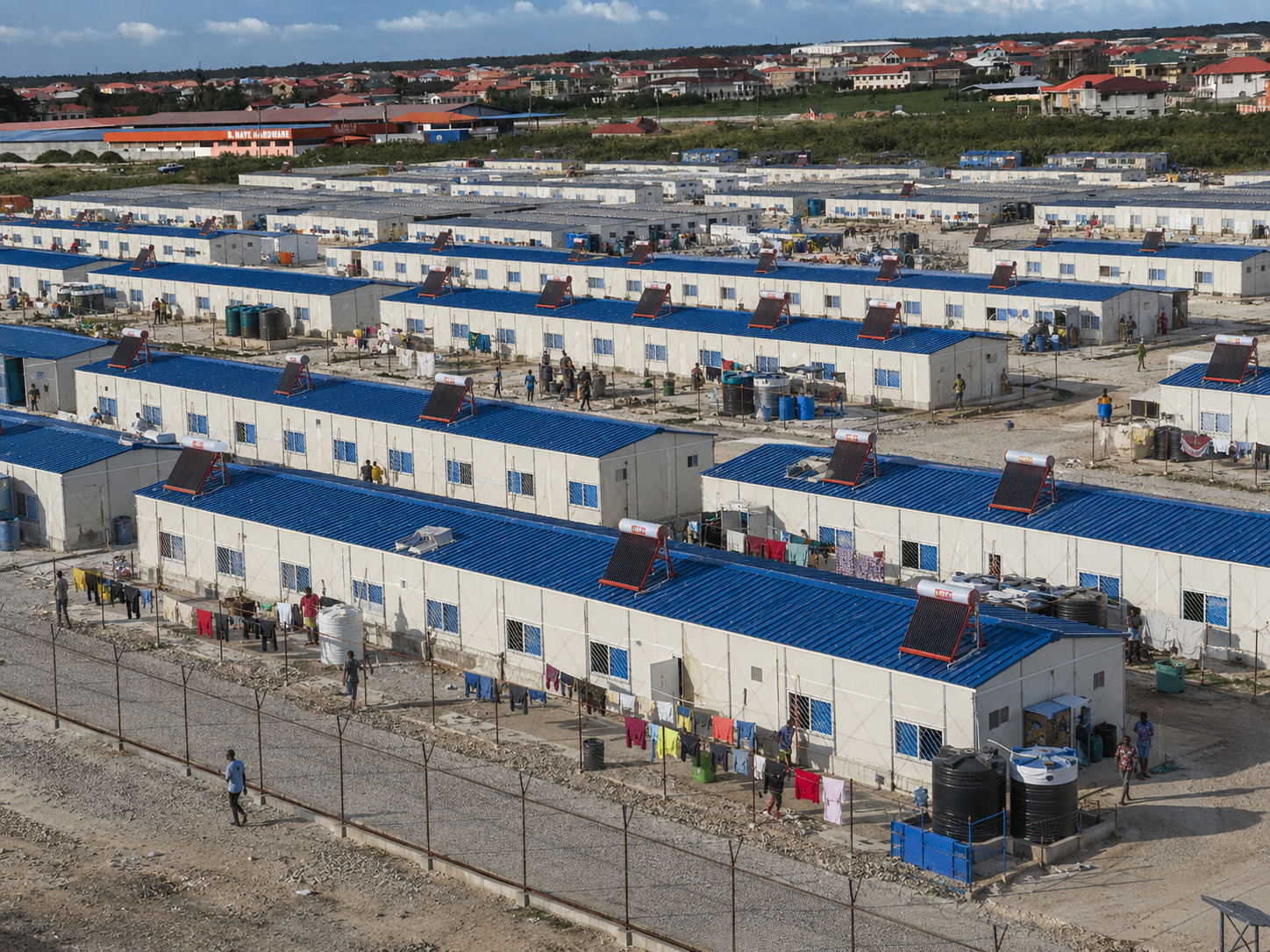
Modular Steel Buildings— Built to withstand earthquakes, fires, and the unexpected.
2026/08/25Built for the worst. Ready in days. Traditional construction — brick, concrete, wood — takes months. Modular steel buildings are different. Manufactured off-site under strict quality control, they arrive ready to assemble. What used to take a season now takes days.No delays. No weather-dependent curing. No on-site surprises.Just bolt it together and move people in.
-
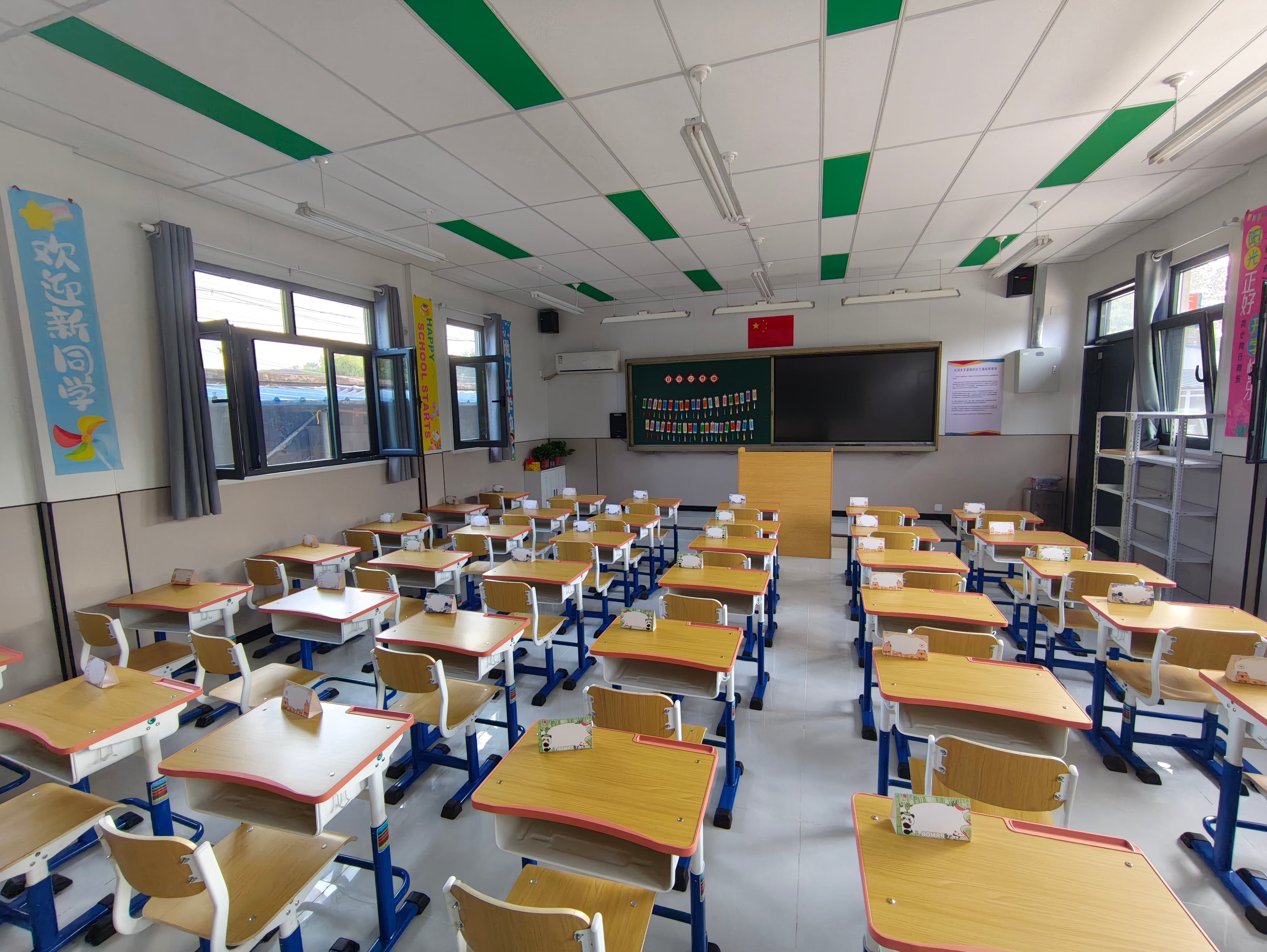
Prefabricated Schools: Building the Future of Education with Speed, Safety, and Flexibility
2026/08/24In the process of building schools, entire rooms—such as classrooms, dormitories, or laboratories—are constructed as complete, three-dimensional modules. This significantly shortens the construction period while maintaining the quality of the buildings and ensuring a healthy and green learning environment for students. This approach encompasses a variety of building types, from multi-story student dormitories to high-standard science laboratories and vibrant activity centers.