EN
EN

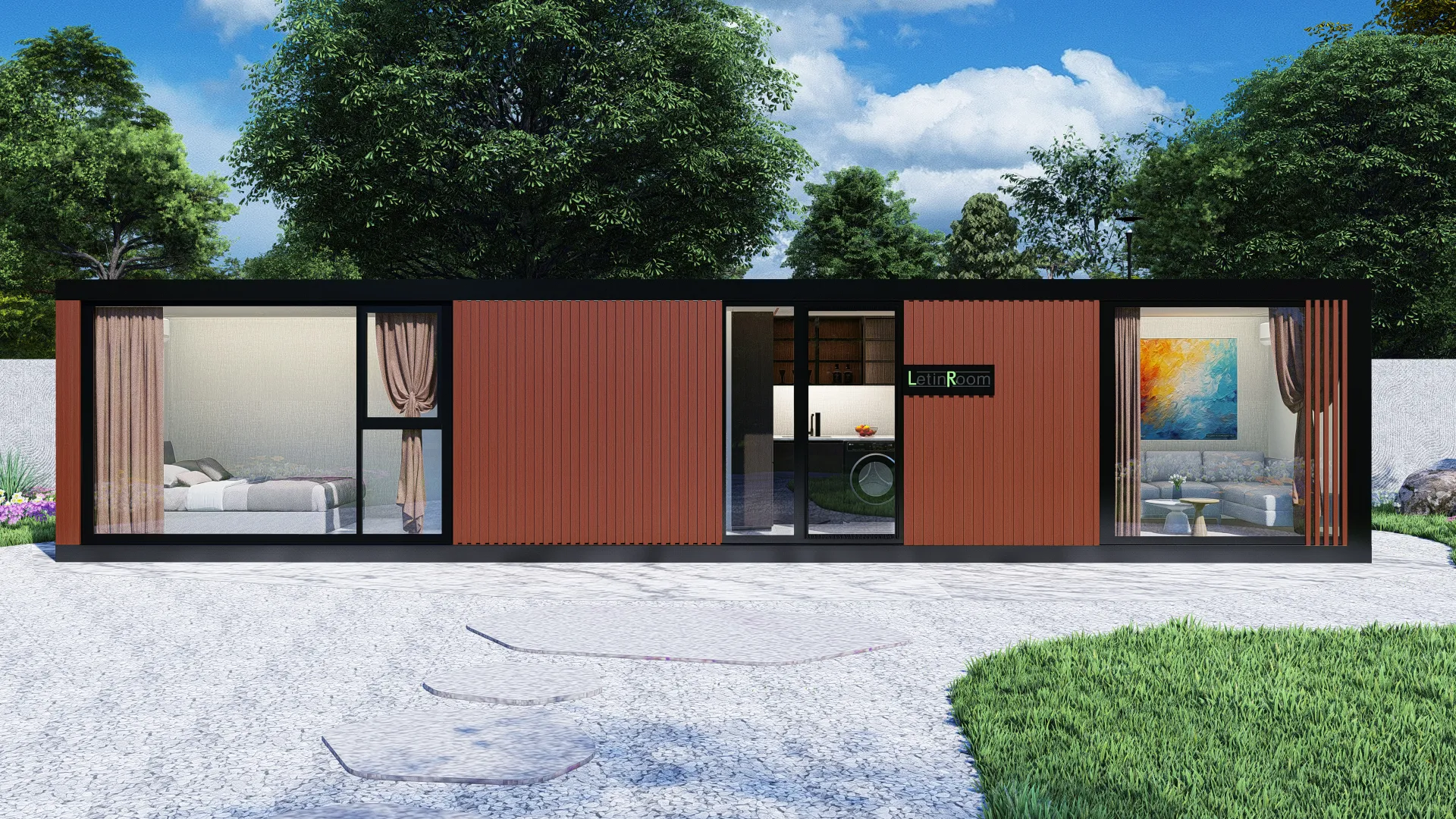
Farm House Modular Home: Rustic Character Meets Precision-Built Efficiency
Farm house modular homes bring together the charm of traditional rural living and the advantages of modern modular construction. With their familiar farmhouse appearance and factory-built precision, these homes offer a practical way to enjoy both character and efficiency in one design. From classic exterior details to flexible interior layouts, the farm house modular home approach is ideal for homeowners who want a warm, inviting look without sacrificing build quality or performance.
Key design elements: Board-and-batten siding, wraparound porches, and modern farmhouse floor plans
Modern farm house modular homes often preserve the timeless appeal of rural architecture through features such as vertical board-and-batten siding, spacious wraparound porches, and open-concept floor plans. Inside, these homes may include shiplap accents, wide-plank flooring, and layouts designed for everyday comfort and easy living.
At the same time, modern modular construction allows these homes to incorporate energy-efficient windows, improved insulation, and thoughtful floor plan options. Whether the home includes a main-floor primary suite, a flex room, or a family-friendly open layout, the design can be adapted to suit a wide range of living needs. The result is a home that feels both rustic and refined, combining traditional style with modern functionality.
Rural implementation essentials: Zoning alignment, septic/well integration, and USDA/RD loan compatibility
Building a farm house modular home in a rural setting often involves several important planning steps. Zoning requirements, utility connections, and financing options all play a role in determining how smoothly a project moves forward. Modular construction can help simplify the process by offering standardized plans and a more organized path through design and approval.
Utility integration is another important factor. Factory-built modular homes are designed to support plumbing, electrical, and other essential systems in a controlled environment, which can help streamline final site connections. Financing may also be more accessible when the home is designed and installed as a permanent residence rather than a temporary structure. For rural homeowners, this makes modular construction a practical option that balances design flexibility with real-world usability.
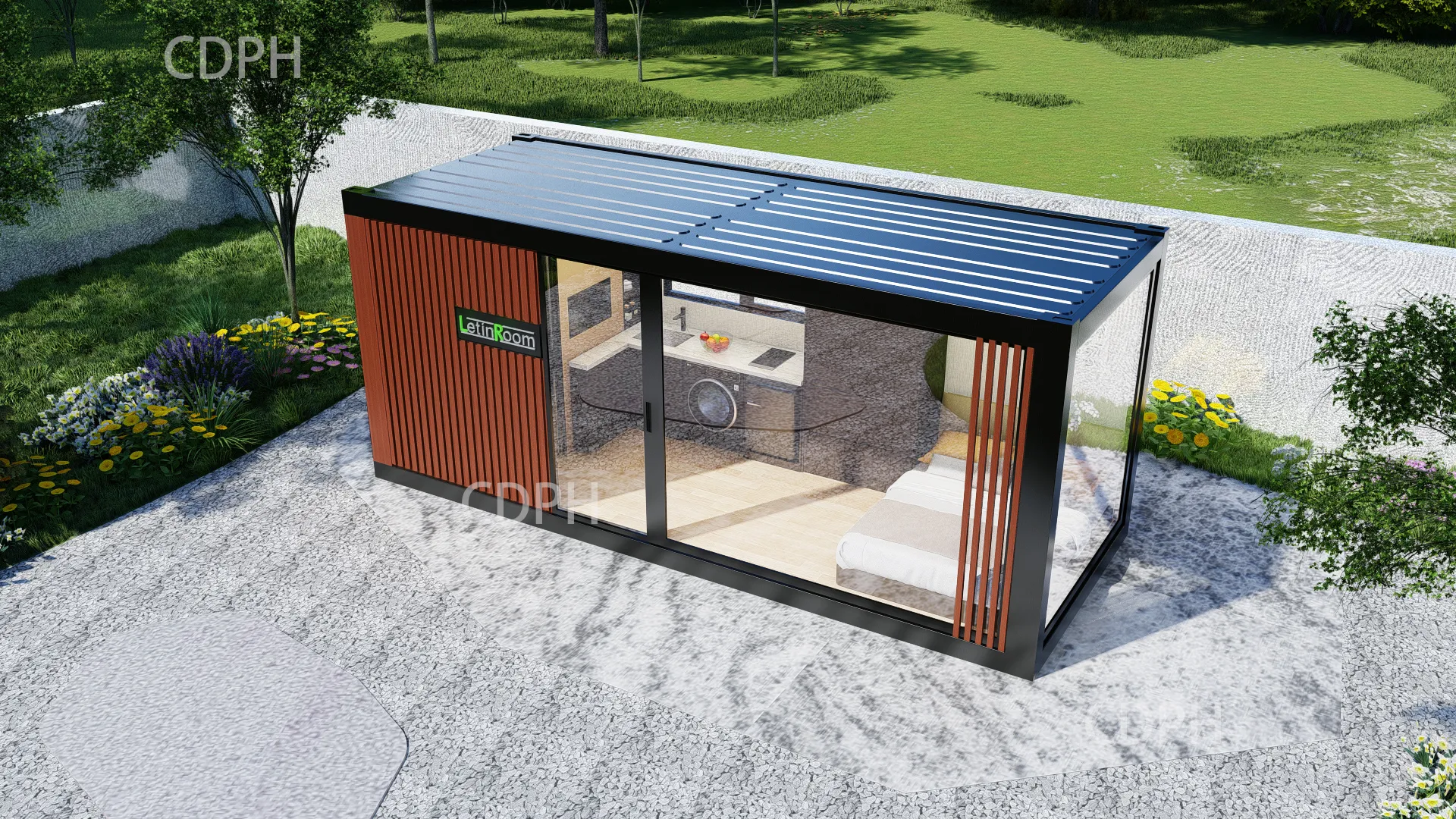
Modular Lake House: Engineered for Scenic, High-Constraint Sites
A modular lake house must do more than look beautiful—it must also perform well in challenging natural settings. Whether the site is near a shoreline, on uneven ground, or close to sensitive environmental areas, modular construction offers a smart solution for building in places where traditional construction may be more difficult.
Modular lake houses are often designed with specialized foundations and installation methods that help support stable construction while respecting the natural landscape. This makes them a strong choice for homeowners who want a scenic retreat without unnecessary disruption to the site.
Foundation solutions: Pile, pier, and elevated systems for floodplains, wetlands, and steep lakeside terrain
Different lakefront sites call for different foundation approaches. Pile foundations are often used to support homes in areas with soft soil or elevated moisture conditions. Pier systems can provide dependable support on uneven terrain, while elevated foundations help improve resilience in areas where water levels or site drainage may be concerns.
For rocky or sloped locations, helical piers can offer another practical option by reducing the need for extensive excavation. These foundation choices help modular lake houses adapt to a variety of site conditions while maintaining structural stability and preserving the surrounding environment as much as possible.
Logistical advantages: Minimal site footprint, crane-free assembly, and reduced environmental impact on sensitive shorelines
One of the key benefits of modular lake house construction is the ability to reduce disruption at the building site. Because much of the home is built in a factory environment, on-site construction can be more efficient and organized. This often means less disturbance to the land, easier coordination during installation, and a cleaner overall building process.
In many cases, modular components can be positioned with less heavy equipment and less on-site fabrication than traditional construction methods. This is especially helpful for remote properties, narrow access roads, or environmentally sensitive shorelines. The result is a lake house that can be installed more efficiently while better respecting the character of the site.
Shared Performance Foundations: Energy Efficiency and Climate Resilience
Both farm house modular homes and modular lake houses benefit from the precision of factory-built construction. This approach supports better insulation, tighter building envelopes, and more consistent workmanship, all of which contribute to improved comfort and energy performance.
Many modular homes are also designed with climate resilience in mind. Features such as durable cladding, moisture-resistant materials, and elevated foundation options can help the home perform well in a variety of weather conditions. Additional design elements like solar-ready roofing, energy recovery ventilation, and strong framing systems can further improve long-term value and livability.
Lifestyle-Centric Customization: Unifying Farm House Modular Home and Modular Lake House Identity
What makes both farm house modular homes and modular lake houses especially attractive is their ability to reflect the lifestyle of the homeowner. Farmhouse designs often emphasize warmth, openness, and a connection to the land, while lake house designs focus more on views, relaxation, and privacy.
Both styles can be customized with features such as open living areas, flexible room layouts, step-free entries, and private bedroom zones. Large windows, porch spaces, screened outdoor rooms, and adaptable interior plans all help create homes that feel comfortable and personal. This flexibility allows modular homes to balance aesthetics, function, and long-term usability in a way that suits both rural and recreational settings.
FAQ
What are the main benefits of farm house modular homes?
Farm house modular homes offer rustic aesthetics with precision-built efficiency, reducing environmental waste and ensuring faster construction times compared to traditional builds. They also achieve lower heating and cooling costs.
How are modular lake houses adapted for challenging sites?
Modular lake houses use advanced foundation systems like piles and piers to securely situate on challenging sites such as floodplains, wetlands, or steep terrain, ensuring stability while minimizing ecological impact.
Can modular homes qualify for USDA loans?
Yes, modular homes can qualify for U.S. Department of Agriculture (USDA) Rural Development loans, benefiting from lower down payments and streamlined approval processes.
Are modular homes environmentally friendly?
Yes, modular homes often incorporate energy-efficient designs and eco-friendly practices, reducing environmental impact by minimizing waste and protecting surrounding ecosystems.