EN
EN

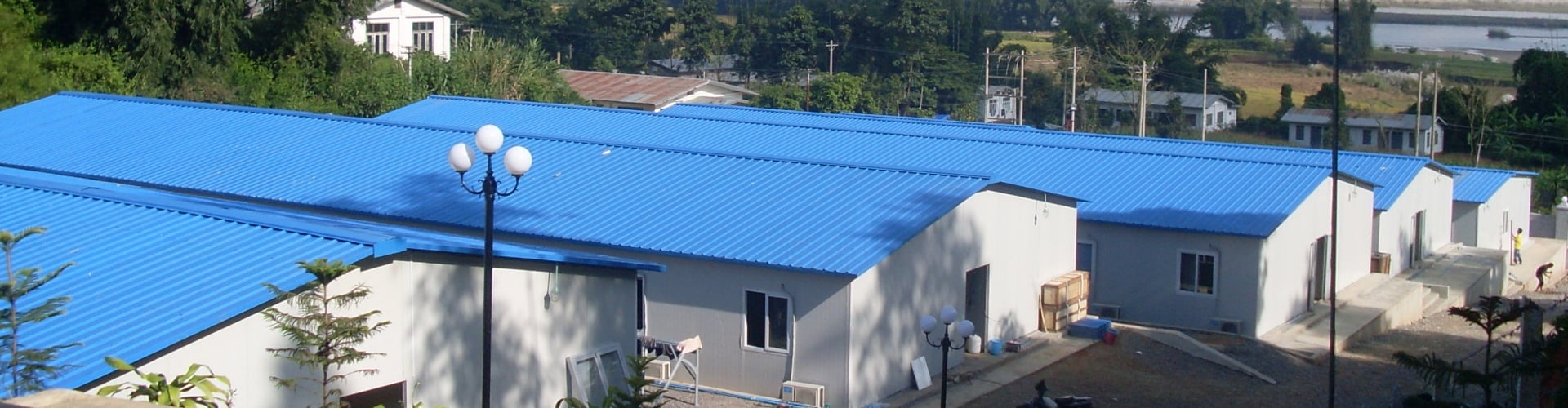
Extreme Environment Prefab Camp Solutions for Global Projects | Mining Camp Accommodation
Discover prefab camp solutions for coastal, frigid, desert, and high-altitude regions(https://www.cdphhouse.com/scene). CDPH provides mining camp accommodation, temporary workforce housing, modular workforce housing, and temporary workers accommodation for global remote projects.
Prefab Camp Housing Solutions for Extreme Environments Worldwide
As global mining, energy, infrastructure, and EPC projects continue to expand into remote and challenging regions, project owners are facing increasing pressure to deliver safe, durable, and efficient camp facilities in difficult climates. From high-salinity coastal zones to freezing arctic areas, from hot desert sites to high-altitude low-oxygen regions, conventional construction methods often struggle with long timelines, high labor dependency, and unpredictable site conditions.
This is why prefab and modular camp systems have become a preferred choice for international project developers. Modern mining camp accommodation is no longer just about providing basic shelter. It must support workforce safety, living comfort, fast deployment, and long-term operational reliability. For companies managing remote projects, professionally designed temporary workforce housing and modular workforce housing offer a smarter way to build camp infrastructure with greater speed, flexibility, and cost control.
A well-planned temporary workers accommodation solution can include dormitories, offices, canteens, clinics, ablution units, recreation spaces, laundry areas, and storage buildings. With factory prefabrication and modular integration, these facilities can be delivered faster, installed more efficiently, and adapted to different environmental challenges around the world.
Coastal Camp Housing Solutions for Corrosion-Resistant Performance(https://www.cdphhouse.com/modular-solutions-for-highly-corrosive-environments-in-temperate-and-tropical-coastal-regions)
Coastal and offshore-related projects often face one of the most aggressive building environments: salt-laden air, high humidity, strong winds, and long-term corrosion exposure. For camp developers operating in port areas, island projects, marine engineering bases, and coastal mining sites, corrosion protection is one of the most critical considerations in the design of mining camp accommodation.
In this type of environment, the structural frame, wall panels, roofing system, doors, windows, and fastening components must all be selected with anti-corrosion performance in mind. High-quality modular workforce housing for coastal regions typically uses galvanized steel structures, anti-corrosion coatings, weather-resistant cladding materials, and upgraded hardware components to improve long-term durability.
Moisture control is also essential. A reliable temporary workforce housing solution for coastal use should include effective sealing, raised flooring when needed, proper rainwater drainage, and ventilation or dehumidification strategies to maintain indoor comfort and reduce maintenance risks. These details are especially important for workforce camps that need to remain operational for extended project cycles.
Compared with traditional site-built structures, modular coastal camps offer more predictable quality control because the anti-corrosion treatment is completed under factory conditions. This makes temporary workers accommodation more consistent in performance and easier to manage over the full project life cycle.
Arctic and Extreme Cold Camp Housing for Low-Temperature Operations(https://www.cdphhouse.com/modular-solutions-for-extreme-cold-environments)
In arctic, subarctic, and high-latitude regions, workforce camps must perform under extreme cold, snow loads, frozen ground conditions, and strong winds. In these environments, poorly insulated buildings can lead to high heating costs, unstable indoor temperatures, and uncomfortable living conditions for workers. That is why arctic-grade temporary workers accommodation must be designed with thermal efficiency and structural resilience as top priorities.
The building envelope is the first line of defense. High-performance modular workforce housing for cold climates usually features insulated wall panels, thermally efficient roof and floor systems, and airtight doors and windows with enhanced sealing. These features help minimize heat loss, reduce energy consumption, and create a stable indoor environment even in severe winter conditions.
Structural design is equally important. Snow load, wind resistance, and low-temperature material performance must all be carefully considered in the engineering stage. For frozen or unstable ground conditions, elevated base frames or adjustable support systems may also be required. A robust mining camp accommodation solution for arctic regions should not only survive the climate, but also ensure smooth daily operation across dormitories, kitchens, sanitary buildings, offices, and support facilities.
Another major advantage of prefab systems in cold regions is speed. Traditional construction in winter climates is often delayed by weather and site limitations, while factory-built temporary workforce housing can be manufactured in advance and rapidly assembled on site. This shortens project schedules, reduces field labor exposure, and helps operators bring camps into service faster.
Desert Camp Housing for Heat, Sand, and Harsh Sunlight(https://www.cdphhouse.com/modular-solutions-for-desert-environments)
Desert regions create a very different but equally demanding set of challenges. High daytime temperatures, intense solar radiation, abrasive sandstorms, large day-night temperature differences, and limited local utilities all place pressure on camp housing systems. For mining, oil and gas, road construction, and renewable energy projects in desert locations, the right temporary workforce housing solution must deliver both durability and thermal comfort.
In desert applications, the performance of the outer envelope is crucial. Effective modular workforce housing should use materials with strong UV resistance, high surface durability, and good insulation performance. Roof and wall systems may also incorporate reflective finishes or heat-reducing design strategies to lower solar gain and improve indoor comfort.
Dust and sand control are another key requirement. Doors, windows, ventilation systems, and connection points must be designed to reduce sand intrusion and protect internal equipment. Well-designed temporary workers accommodation can include enhanced sealing systems, filtered air intake, and optimized ventilation layouts to maintain cleaner and healthier indoor spaces.
Energy efficiency also becomes a major concern in desert camps, where cooling loads are high and energy supply may be limited. Modern mining camp accommodation solutions can integrate air conditioning strategies, efficient electrical systems, and renewable energy support to improve operating efficiency. Because modular units are pre-engineered and prefabricated, they can also reduce on-site construction time in remote desert areas where working conditions are difficult.
For long-term desert projects, it is not enough to provide only a basic shelter solution. The real value of professional temporary workforce housing lies in its ability to support workforce wellbeing, maintain productivity, and reduce the overall camp operating burden.
High-Altitude Camp Housing for Low-Oxygen and Remote Mountain Regions(https://www.cdphhouse.com/modular-solutions-for-low-oxygen-environments)
High-altitude project locations present a unique combination of low oxygen levels, reduced air pressure, strong UV exposure, cold weather, and difficult logistics. These conditions are common in mountain mining sites, hydropower projects, transmission line construction, and remote infrastructure developments. In such cases, standard camp designs are often not enough. High-altitude mining camp accommodation requires a more specialized approach that considers both human comfort and building performance.
One of the most important factors in high-altitude camp planning is worker adaptation. Depending on the project location and occupancy requirements, temporary workers accommodation may need to support oxygen-enriched areas, medical rooms, better indoor environmental control, and functional layouts that help improve rest and recovery for workers operating in low-oxygen conditions.
The external building materials must also be able to withstand strong UV radiation and rapid weather changes. High-quality modular workforce housing for elevated regions should use durable finishes, well-insulated envelope systems, and structures engineered for transport and installation in remote mountainous terrain. Because logistics are often difficult at high elevation, the benefit of modular construction becomes even more obvious.
Factory-built temporary workforce housing significantly reduces the amount of labor-intensive work required on site. This is especially valuable in low-oxygen environments, where prolonged manual construction can affect safety, efficiency, and project timelines. By shifting a large portion of the work to controlled manufacturing facilities, project developers can improve quality while minimizing site disruption.
For remote highland projects, temporary workers accommodation is often part of a larger integrated camp system. In addition to living quarters, the camp may include dining facilities, office units, washrooms, clinics, storage buildings, and technical support modules. A complete modular camp solution helps simplify deployment and improve overall site management.
Why Modular Camp Housing Is the Ideal Choice for Extreme Environments
Although every region has different environmental demands, remote project camps around the world share the same practical challenges: limited construction resources, strict delivery schedules, difficult transportation, and the need for dependable long-term operation. This is exactly where modular workforce housing creates measurable value.
Compared with conventional construction, modular camp buildings offer faster deployment, standardized quality, scalable layouts, easier relocation, and better cost predictability. Whether the project requires a compact temporary camp or a large-scale mining camp accommodation complex, modular systems can be configured to match workforce size, site conditions, and operational priorities.
For international contractors and project owners, temporary workforce housing is not simply a short-term building product. It is a strategic infrastructure solution that supports workforce management, site efficiency, and project continuity. Well-designed temporary workers accommodation also improves living standards, which can have a direct impact on morale, retention, and productivity in remote areas.
From corrosion-resistant coastal camps to insulated arctic units, from heat-resistant desert housing to high-altitude camp modules, prefab solutions give global operators a more flexible and reliable way to build where traditional methods are harder to control.
Conclusion
As projects increasingly extend into remote and extreme environments, the demand for smarter camp construction solutions continues to grow. Enterprises require more than just temporary shelter; they need robust, efficient, and adaptable camp systems capable of withstanding diverse environmental conditions.
Specialized solutions—ranging from mining camp accommodations and temporary workforce housing to modular staff quarters—enable the rapid delivery of safe, high-quality camp infrastructure in coastal, polar, desert, and high-altitude regions. By adopting suitable modular solutions, project developers can mitigate construction risks, enhance operational performance, and create superior living environments for employees worldwide. CDPH possesses extensive expertise in camp construction for the mining and energy sectors, having successfully executed over 4,000 projects globally. Learn more about our projects at https://www.cdphhouse.com/projects.