EN
EN

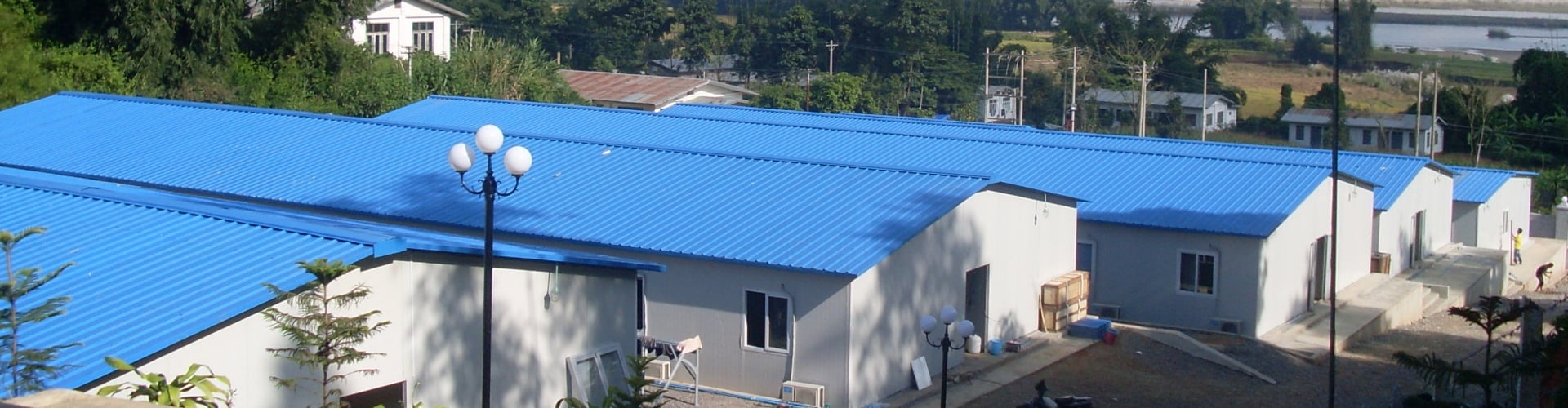
Modular Accommodation for Mining Projects: The 5 Critical Success Factors
For Mining Project Managers and EPC contractors, procuring modular accommodation is often mistakenly viewed as simply "buying boxes." However, in remote locations—whether it’s the permafrost of Siberia, the arid Atacama Desert in Chile, or the humid rainforests of Indonesia—accommodation is critical infrastructure that underpins production continuity.
A substandard living solution leads to high staff turnover, runaway operational costs (OPEX), and potential work stoppages. So, what truly matters in a modular accommodation solution for mining projects?
1. Environmental Resilience: Your First Line of Defense
The geographical location of a mine dictates the physical challenges the structures must withstand. This is the defining difference between industrial-grade modular buildings and standard containers.
-
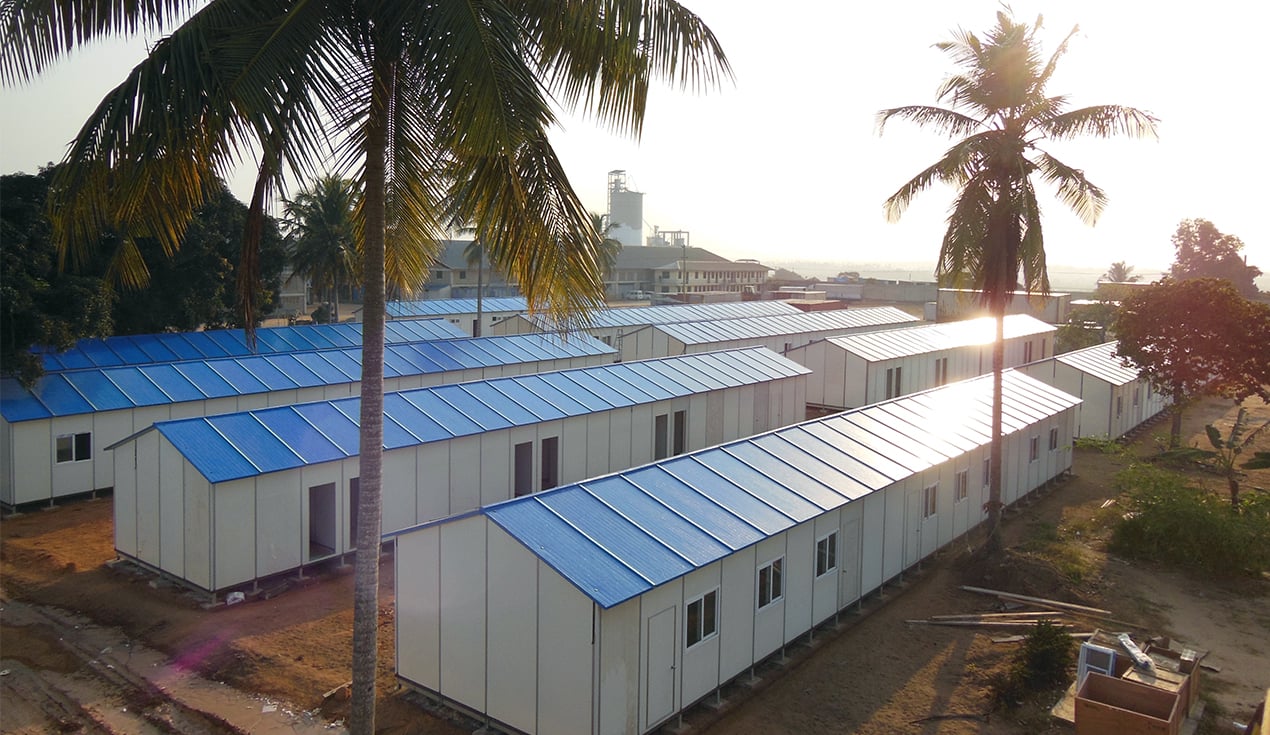
Corrosion Resistance: In coastal mining sites or laterite nickel projects in Indonesia, salt-laden air and high humidity aggressively attack standard steel. A high-quality solution requires hot-dip galvanized steel frames and specific anti-corrosion coatings (e.g., DFT ≥ 120μm) to ensure the structures last the duration of the mining cycle.
-
Thermal Performance:
-
Extreme Cold (e.g., Kazakhstan, Canada): Wall insulation must be 150mm thick or more, utilizing non-combustible Rock Wool rather than EPS foam to withstand temperatures of -40°C and prevent fire hazards.
-
High Heat (e.g., Africa, MENA): Specialized thermal breaks and high-efficiency HVAC systems are required to prevent the "oven effect" inside the units.
-
-
Structural Integrity: Mining sites are often in seismically active zones or areas with extreme wind loads. Modules must be engineered for high wind resistance (e.g., 0.85kN/m²) and seismic grades (e.g., Grade 8+).
Case Insight: Camps utilizing high-standard anti-corrosion coatings for coastal projects—such as those in Bali, Indonesia—remained structurally sound after 15 years of use.(CDPH's High-Corrosion Solutions for Coastal Areas:https://www.cdphhouse.com/modular-solutions-for-highly-corrosive-environments-in-temperate-and-tropical-coastal-regions)
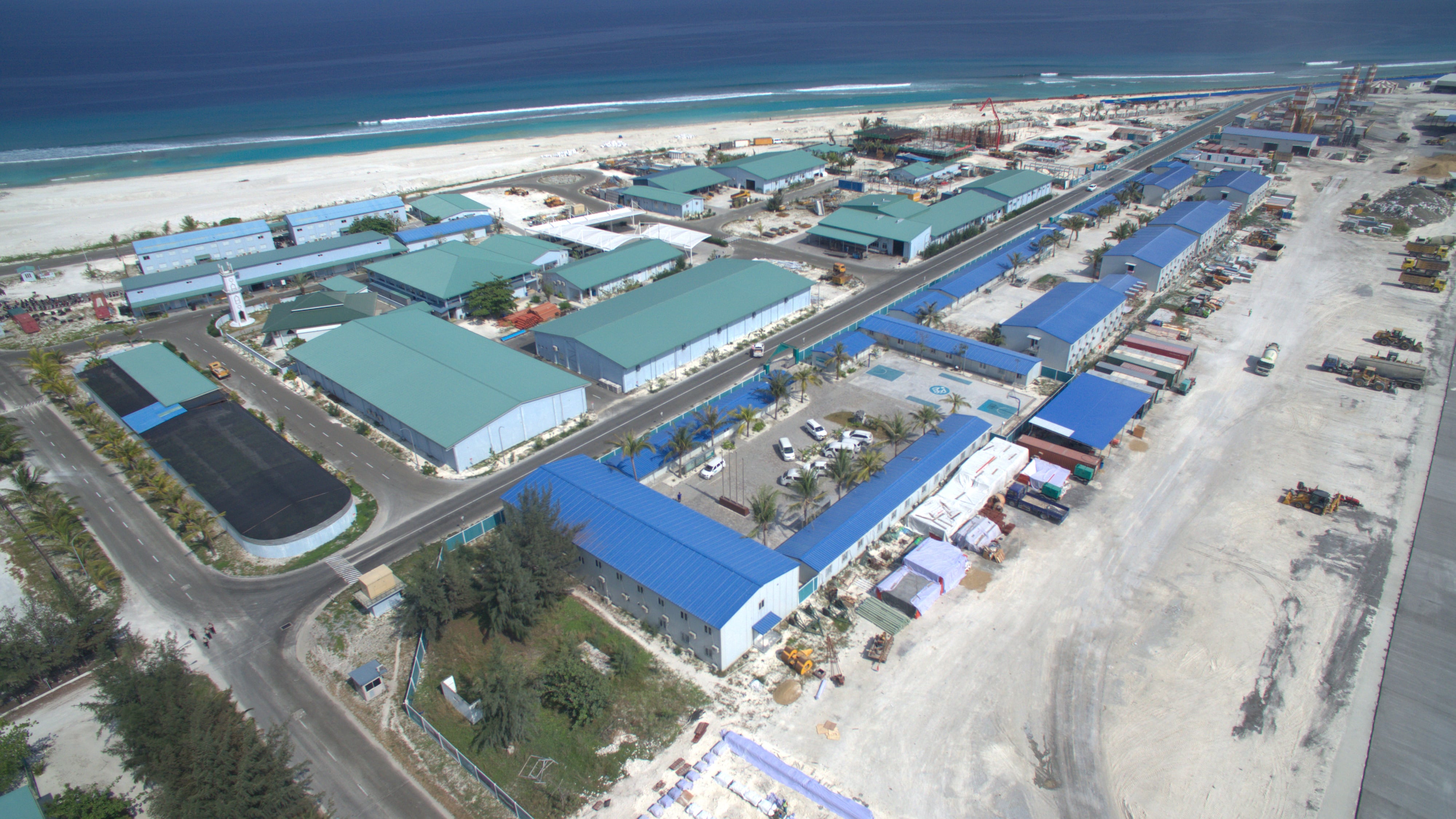
2. Energy Efficiency & Off-Grid Capability
Remote mining camps typically operate miles away from national grids, relying entirely on diesel generators. Fuel consumption is often the single largest operational expense. Therefore, the thermal performance of your accommodation is a financial lever.
-
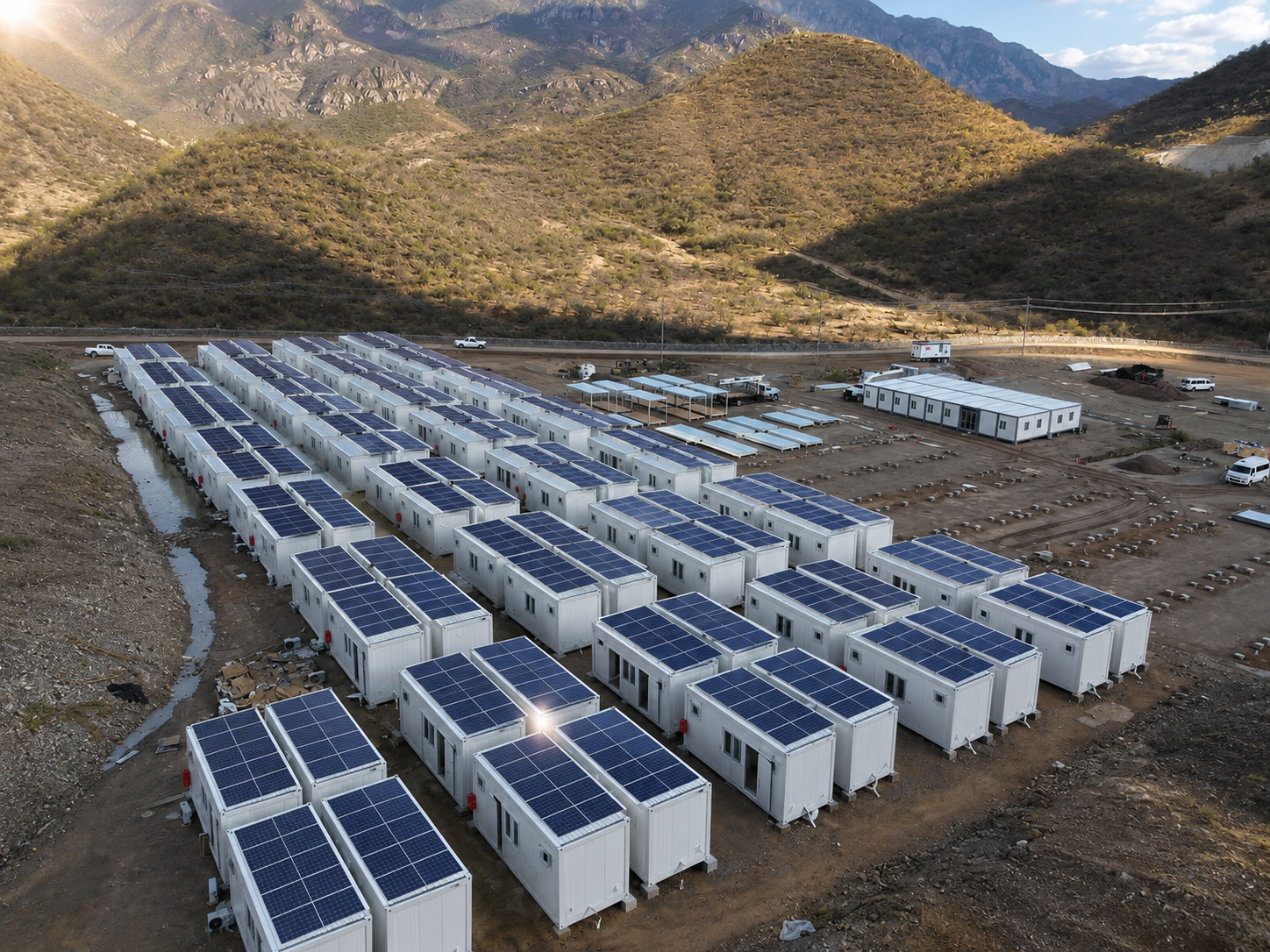
Solar Power System Design: Off-grid or grid-tied photovoltaic power with integrated battery storage, delivering round-the-clock reliable power to remote camps with no stable utility connection — cutting reliance on diesel generation.(The camp support systems offered by CDPH include solar power generation systems: https://www.cdphhouse.com/camp-support-systems)
-
Integrated Utilities: Leading solutions feature pre-installed MEP (Mechanical, Electrical, Plumbing) systems. This factory-based precision reduces on-site installation errors and simplifies long-term maintenance, directly lowering your energy bills.
3. Logistics & Deployment Speed: Time is Money
Mining windows are short; every day of delay is a day of lost revenue. The primary advantage of modular construction is parallel workflows.
-
Flat-Pack Optimization: To mitigate exorbitant international freight costs, modular units should be designed as "flat-pack" kits. The ability to fit a maximum number of units into a 40ft High Cube container defines your logistics budget.
-
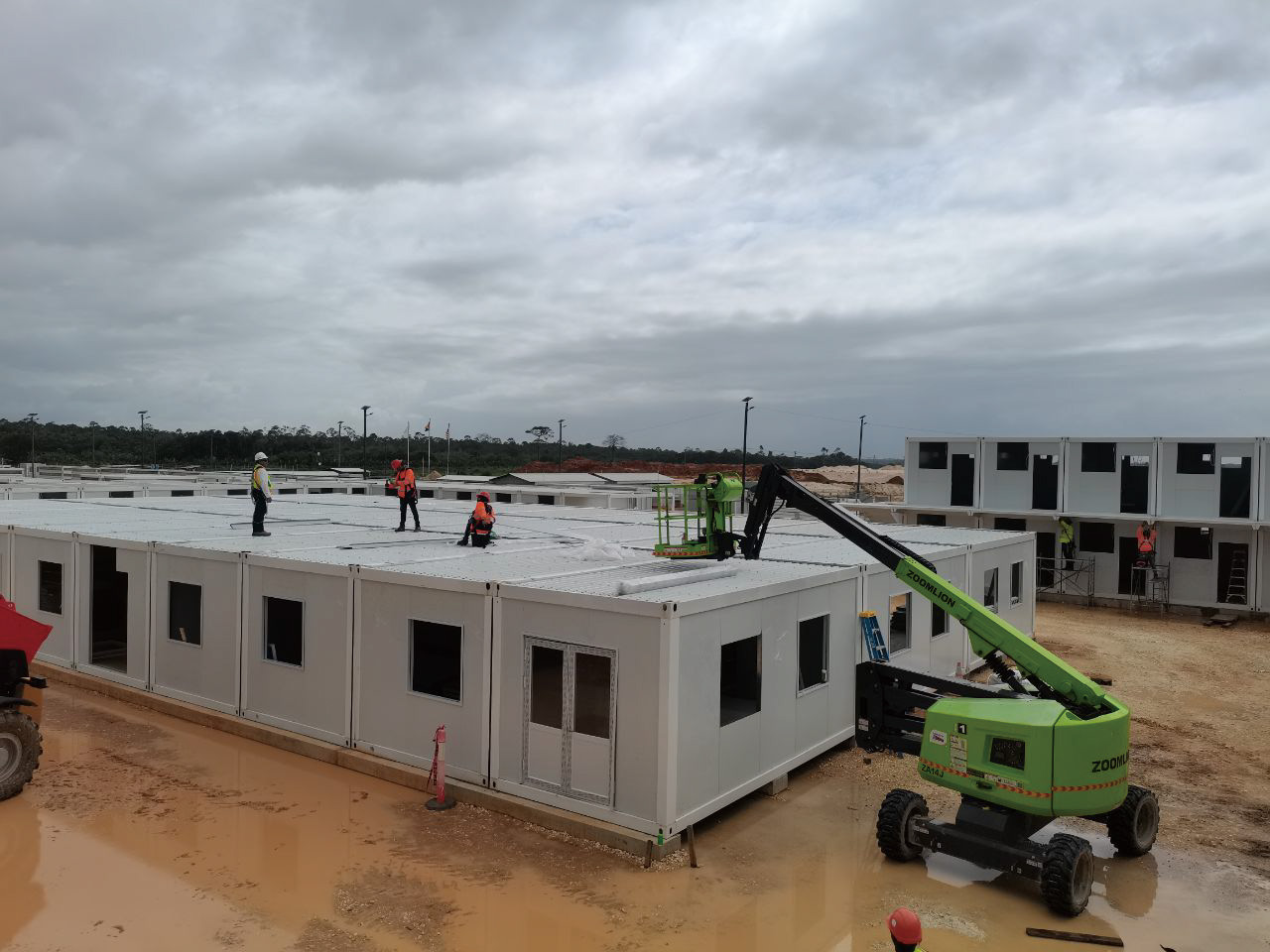
Rapid Assembly: An experienced crew should be able to erect structures like Lego bricks. For a large-scale camp (1,000+ beds), a qualified supplier can complete manufacturing in ~45 days and on-site assembly in 20–30 days.
-
Heavy-Lift Adaptability: Mine access roads are notoriously rough. Units must feature reinforced lifting lugs designed for heavy-duty cranes operating on uneven terrain.
4. Compliance & Life Safety (HSE)
In the mining sector, Safety is non-negotiable. The fire safety and hygiene standards of your accommodation carry significant legal and reputational risk.
-
Fire Rating: Many jurisdictions (following EN 13501-1 or ASTM E84 standards) strictly regulate temporary mining structures. Wall and roof cores must utilize non-combustible materials (Class A), such as Rock Wool. Avoid suppliers offering cheap, flammable Expanded Polystyrene (EPS).
-
Sanitation & Ventilation: In tropical regions, effective ventilation and anti-mold treatments are vital to preventing vector-borne diseases like Dengue. Drainage systems must comply with environmental regulations to prevent groundwater contamination.
-
Egress Routes: The camp layout must incorporate clear fire lanes and emergency evacuation routes that remain accessible in all weather conditions.
5. Life Cycle Cost (LCC) & Asset Reusability
Procurement decisions should focus on Total Cost of Ownership (TCO), not just the initial CAPEX per unit.
-
Durability: Low-cost sandwich panels might only survive 2–3 relocation cycles. Conversely, high-quality ISO-certified container modules can endure 10–15 assembly/disassembly cycles, drastically amortizing the cost per project.
-
Relocatability: When a pit closes or moves to a new phase, modular assets can be decommissioned, refurbished, and transported to the next project. This "nomadic" asset strategy is a key strategy for modern mining companies to optimize capital expenditure.
Conclusion: Choose a Partner, Not Just a Vendor
A modular accommodation solution for mining is, at its core, a reliability solution.
It requires a supplier who acts as an engineering partner—one who understands geology, climatology, logistics, and compliance. When evaluating proposals, prioritize these five dimensions and demand evidence of successful projects in similar climatic conditions.
By treating accommodation as a tool for productivity rather than just a shelter, your mining operation can maintain stability and efficiency in the world’s most hostile environments.