EN
EN

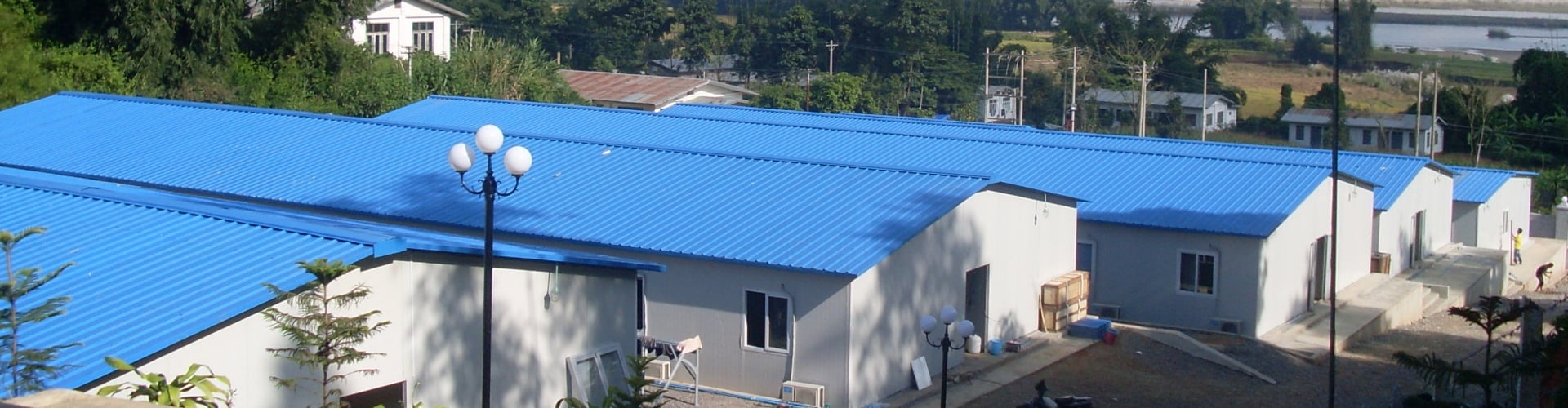
Modular Steel Buildings— Built to withstand earthquakes, fires, and the unexpected.
Why Modular Steel Buildings Are the First Choice for Emergency Shelter
— Built to withstand earthquakes, fires, and the unexpected.
When disaster strikes, time is everything.
Families need a safe place to sleep tonight — not six months from now. Relief agencies need structures they can deploy fast, trust completely, and scale without compromise.
That's where modular steel buildings come in.
Built for the worst. Ready in days.
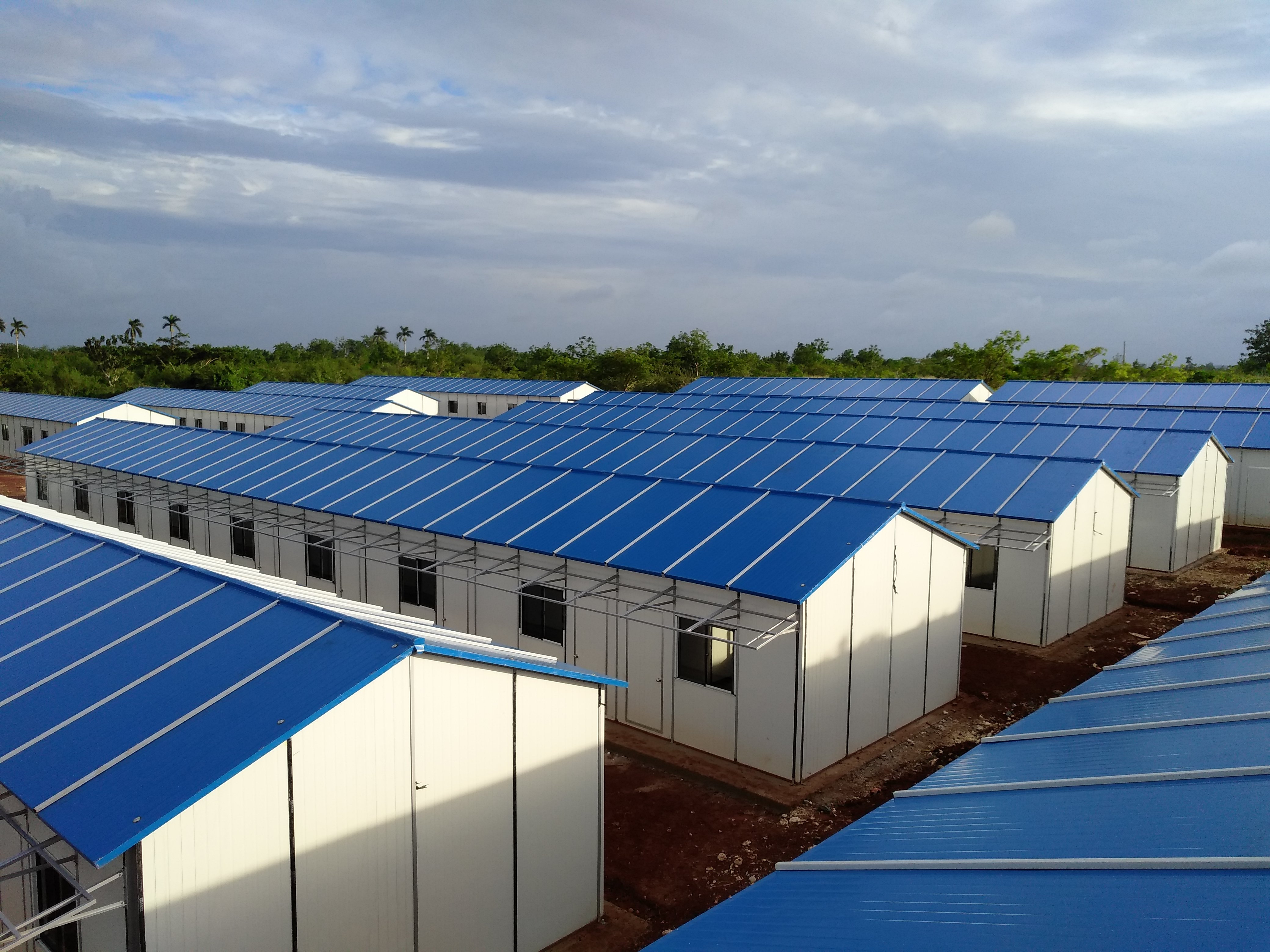
Traditional construction — brick, concrete, wood — takes months. Modular steel buildings are different. Manufactured off-site under strict quality control, they arrive ready to assemble. What used to take a season now takes days.
No delays. No weather-dependent curing. No on-site surprises.
Just bolt it together and move people in.
Contact CDPH today to explore camp solutions tailored to your specific project requirements.
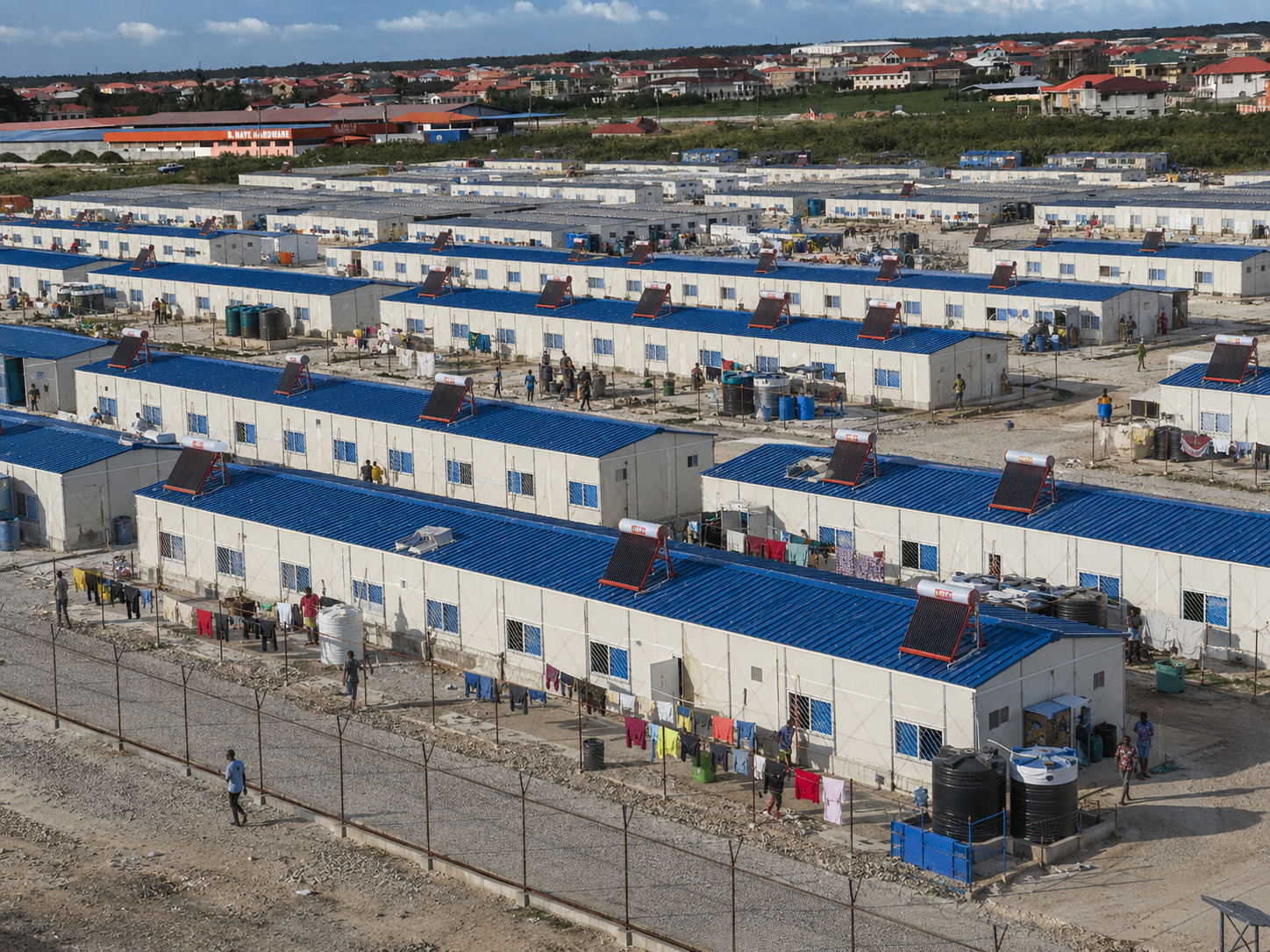
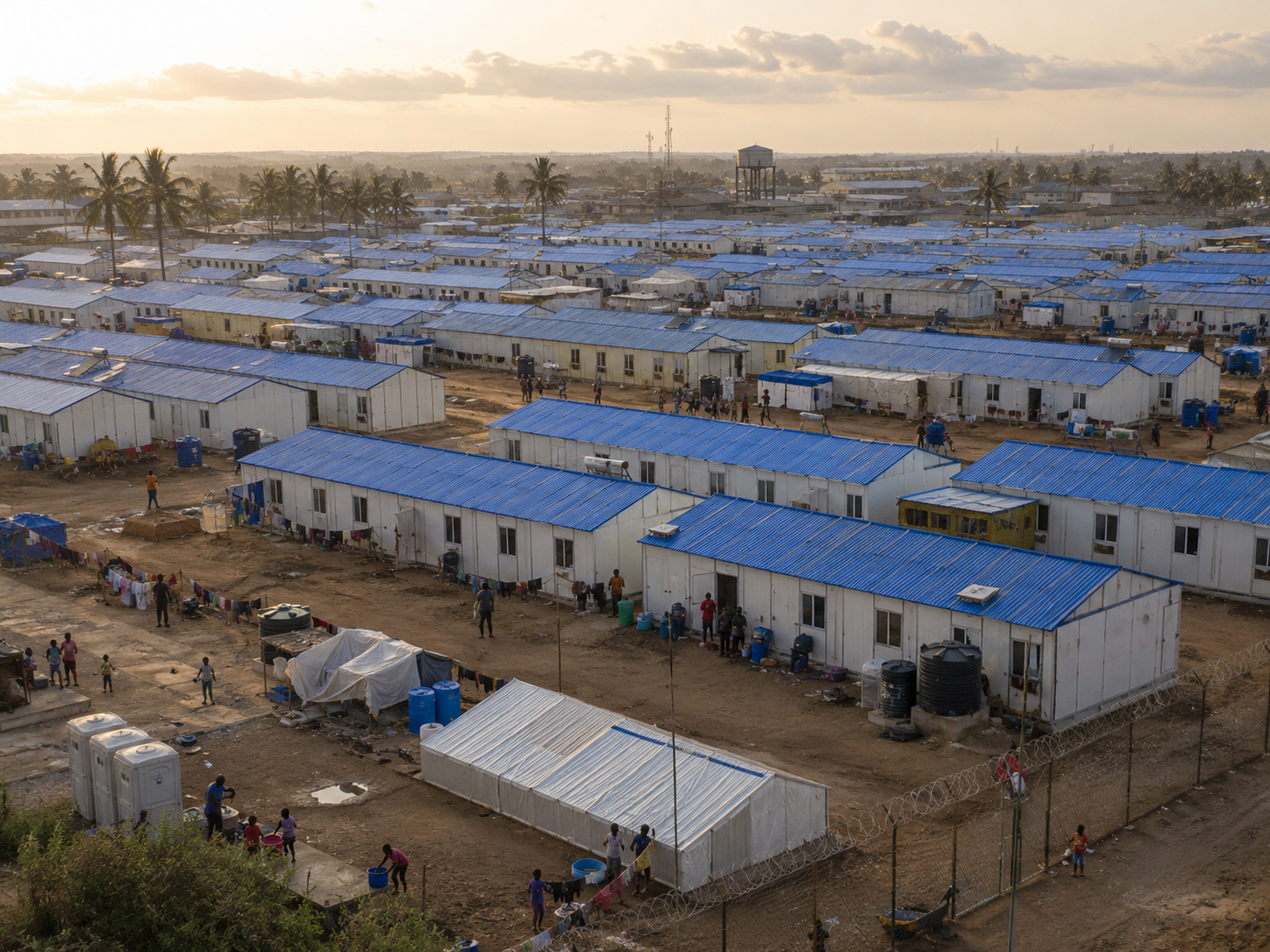
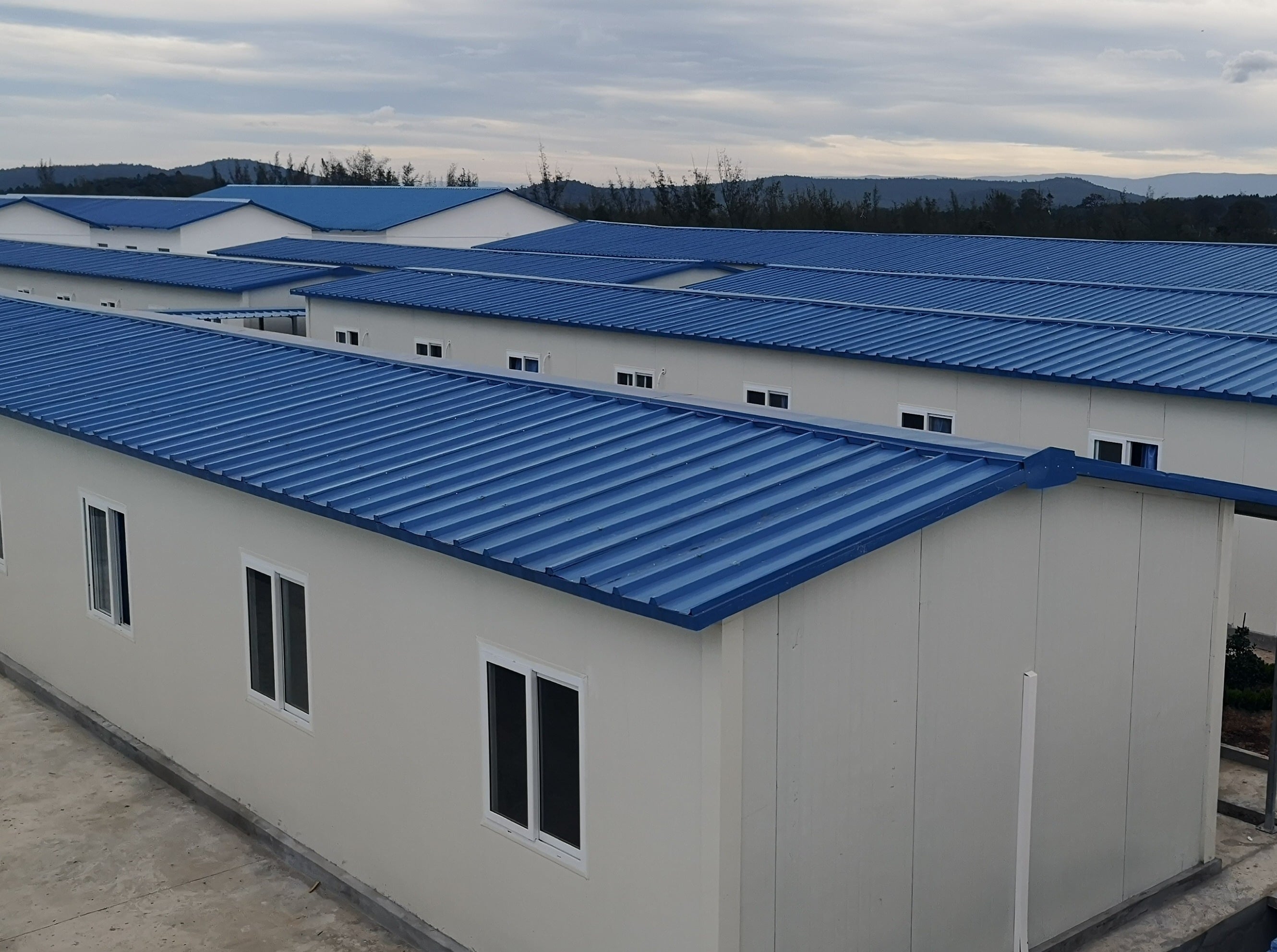
Earthquake-resistant by design
Steel is inherently flexible. Unlike rigid concrete that cracks under seismic stress, steel frames absorb and dissipate earthquake energy through controlled deformation.
Key advantages:
- High strength-to-weight ratio — steel structures carry heavy loads without the mass that amplifies seismic forces
- Ductility — steel bends before it breaks, giving occupants critical escape time
- Precision engineering — modular connections are engineered to specific seismic zones, not guesswork on a job site
- Proven track record — steel-framed modular buildings have consistently outperformed traditional structures in earthquake-prone regions from Japan to Chile to California
When the ground shakes, you want a building that moves with it — not against it.
Fire-rated. Period.
Wood burns. Concrete spalls under extreme heat. Steel? Non-combbustible.
Our modular steel structures are built with fire safety at the core:
- A-grade fire-resistant panels — mineral wool or rock wool core insulation that won't ignite, even under direct flame
- Fire-rated assemblies — walls, floors, and ceilings tested to meet international standards (ASTM E119 / EN 13501-2)
- No spread — compartmentalized design limits fire propagation between units
- Certified materials — all components independently tested and certified
In emergency scenarios where electrical faults, cooking equipment, or heating devices are in use, this isn't just a feature. It's a life-saver.
Why relief agencies are making the switch
|
Traditional Build |
Modular Steel |
|---|---|
|
Months to complete |
Days to weeks |
|
Weather-dependent |
All-weather installation |
|
On-site variables |
Factory precision |
|
High waste |
Minimal waste |
|
Difficult to relocate |
Re-locatable & reusable |
|
Limited quality control |
Certified, repeatable standards |
Beyond the crisis: built to last
Emergency housing shouldn't mean "temporary compromise." Modular steel buildings are durable enough to serve as:
- Transitional housing for displaced families (2–10 years)
- Medical clinics and triage stations
- School classrooms and community centers
- Storage and command posts
When the emergency ends, the buildings don't. They can be repurposed, relocated, or expanded — making them a smart investment, not just a quick fix.
The bottom line
When lives are on the line, there's no room for "good enough."
Modular steel buildings deliver what matters most in an emergency:
✓ Speed — shelter when people need it
✓ Safety — earthquake-resistant, fire-rated, certified
✓ Scalability — from 10 units to 10,000
✓ Sustainability — reusable, recyclable, low-waste
Ready to spec your next emergency housing project?
[Contact us] for technical datasheets, certification documents, and deployment case studies.