EN
EN

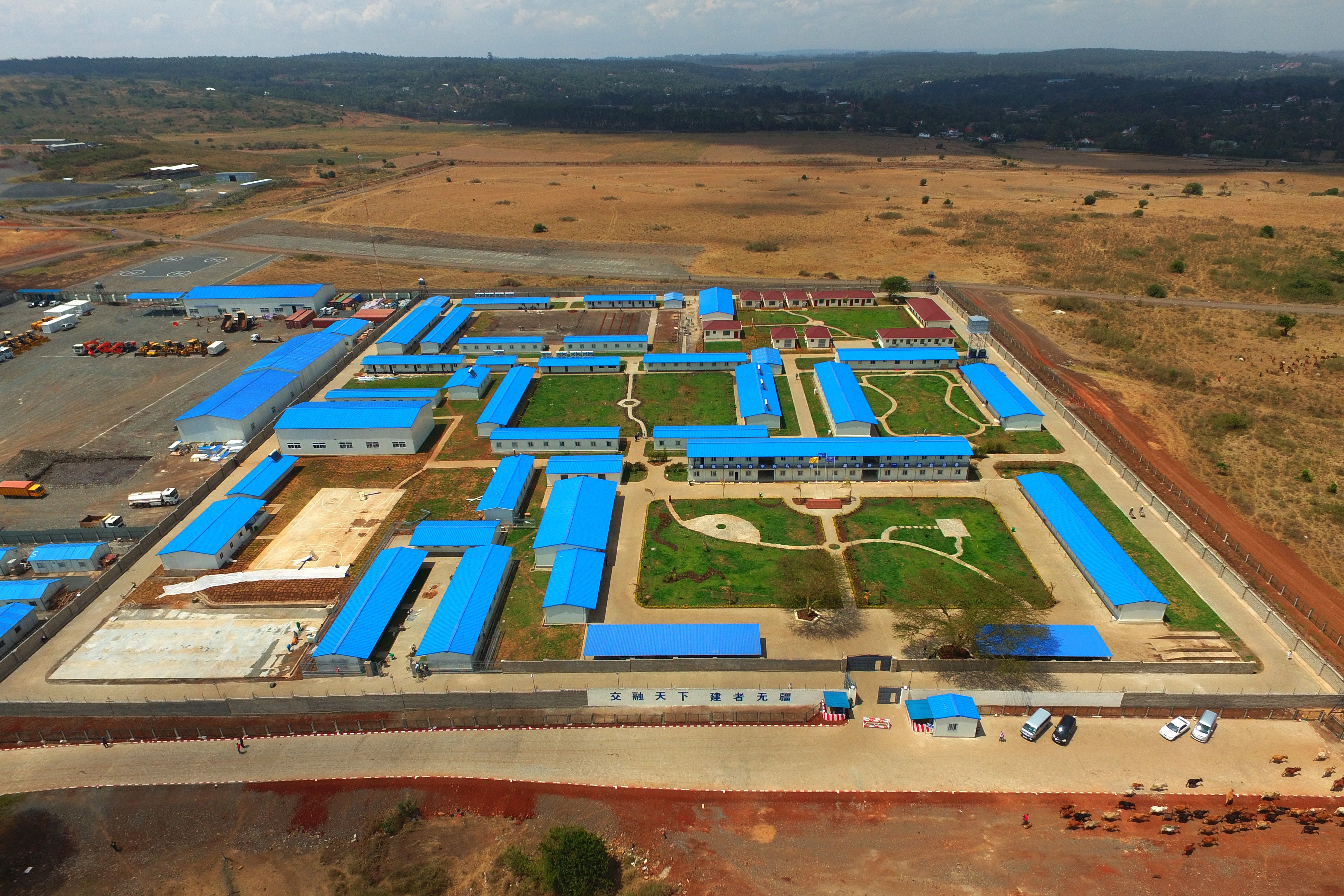
The soaring material prices, labour shortage and logistical difficulties are impacting profits for EPC/Engineering-Procurement-Construction companies on mega-scale projects in the infrastructural and mineral sector. The procurement budget is subject to all items. But one simple, cost saving change that is not being done is to select a direct supplier of modular buildings instead of a company that has middlemen in place: savings from this one decision can be realised in a variety of cost centres; and project delivery certainty is improved.
Eliminating Intermediary Markup through Direct Sourcing
The modular building procurement process is a repetitive one which has several steps. Building manufacturer sells the building to the distributor, distributor sells to the agent or system integrator, and the system integrator sells the building to the EPC contractor. There is a mark-up for each level. Markups are cumulative, and are normally 5-10% per mark-up, so the price could be as much as 15% higher.
All of these are dispensed with in direct sourcing. EPCs do not have to pay a distributor's retail price, and instead pay the manufacturer's price. The savings generated from the money can be used to other project savings. These savings can be significant when large numbers of modular buildings (hundreds) are in one mining camp. The direct buying also enables the EPCs flexibility in establishing reasonable pricing structures, as well as costs of material and labour (which can be obscure and established by the middle man companies).
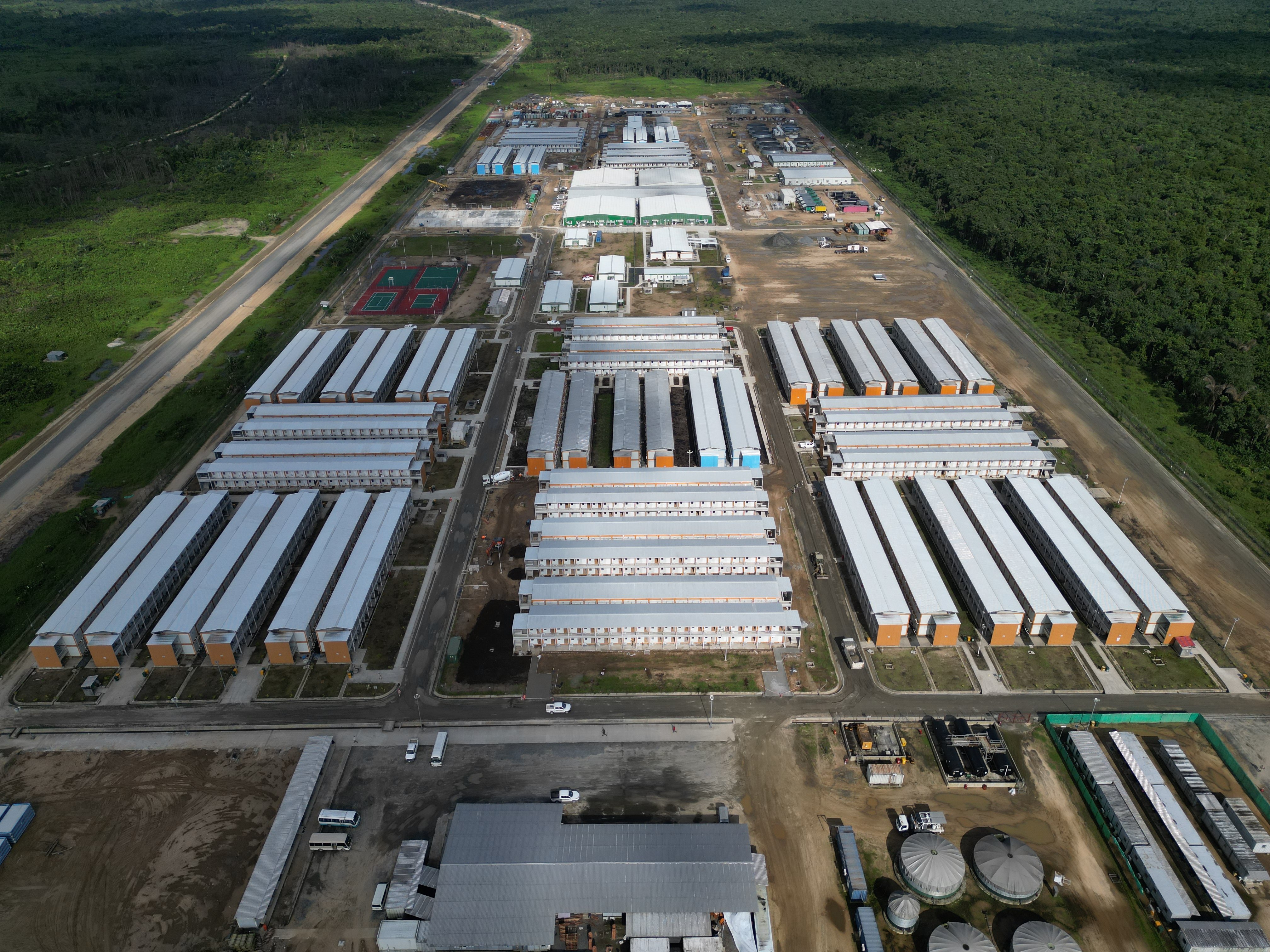
In-House Architectural Engineering and Shop Drawing Support
When the project's modular building supplier is not staffed with in-house engineering staff, it's almost a certainty that delays and mistakes will occur. The designer has to send out designs, resulting in a lack of coordination between the designer and the fabricator. Each clarification of the questions and each deviation of the drawing and actual manufacturing expenses both time and money.
The architectural and engineering companies that are direct suppliers do not hire other companies to work on the project and hence save the waste involved. They can read concept designs, create detailed construction drawings and create shop fabrication drawings – all in-house. A single design team oversees the entire process, reducing design variations and providing a quick design approval, and also allows manufacturing drawings to be prepared in line with the actual build. Complete sets of drawings are provided for EPCs to build components which are identical to those that will be installed in the field, thus reducing the number of changes in the field.
In-house engineering also helps ensure the project is compliant with local building codes, particularly for projects in further away or overseas locations, which otherwise would have to hire on extra third party engineers.
Custom Production Capacity and Material Bulk Discounts
The use of all modular units may not be used in a conventional manner for mining or infrastructure. Specific configurations such as larger dining halls or medical facilities, recreation areas etc. are required for camps, which are not available with the standard products. The truly custom production suppliers can have the time to not reinvent the wheel, but to utilize their engineering and tooling resources to create customized units at a lower cost.
Buy in bulk and save even more! The direct manufacturer will then be able to obtain a better price because because of the volume discounts of the total amount of material he will buy for different projects that would not be available for the intermediaries. This usually translates to 10-20% savings in steel, insulation and finishes, which are directly transferred to the EPC when collaborating with the factory. These discounts are even greater with large-scale projects.
In addition, production plans are drawn up directly with the EPC based on its production planning, which helps to minimize the stock holding cost and double handling. Once the site is ready, the modular units are ready – without having to wait for the logistics provider to work out its way with several suppliers.
Single-Point Warranty and Comprehensive Post-Sales Service
Some of the hidden costs of using the intermediaries is a complex issue of warranty resolution. If it's a fault, who is responsible? The intermediary is directed to the manufacturer, the manufacturer is directed to a subcontractor and the EPC contractor is between the two. Each time the blame game is played, time, administrative effort and sometimes legal costs are consumed.
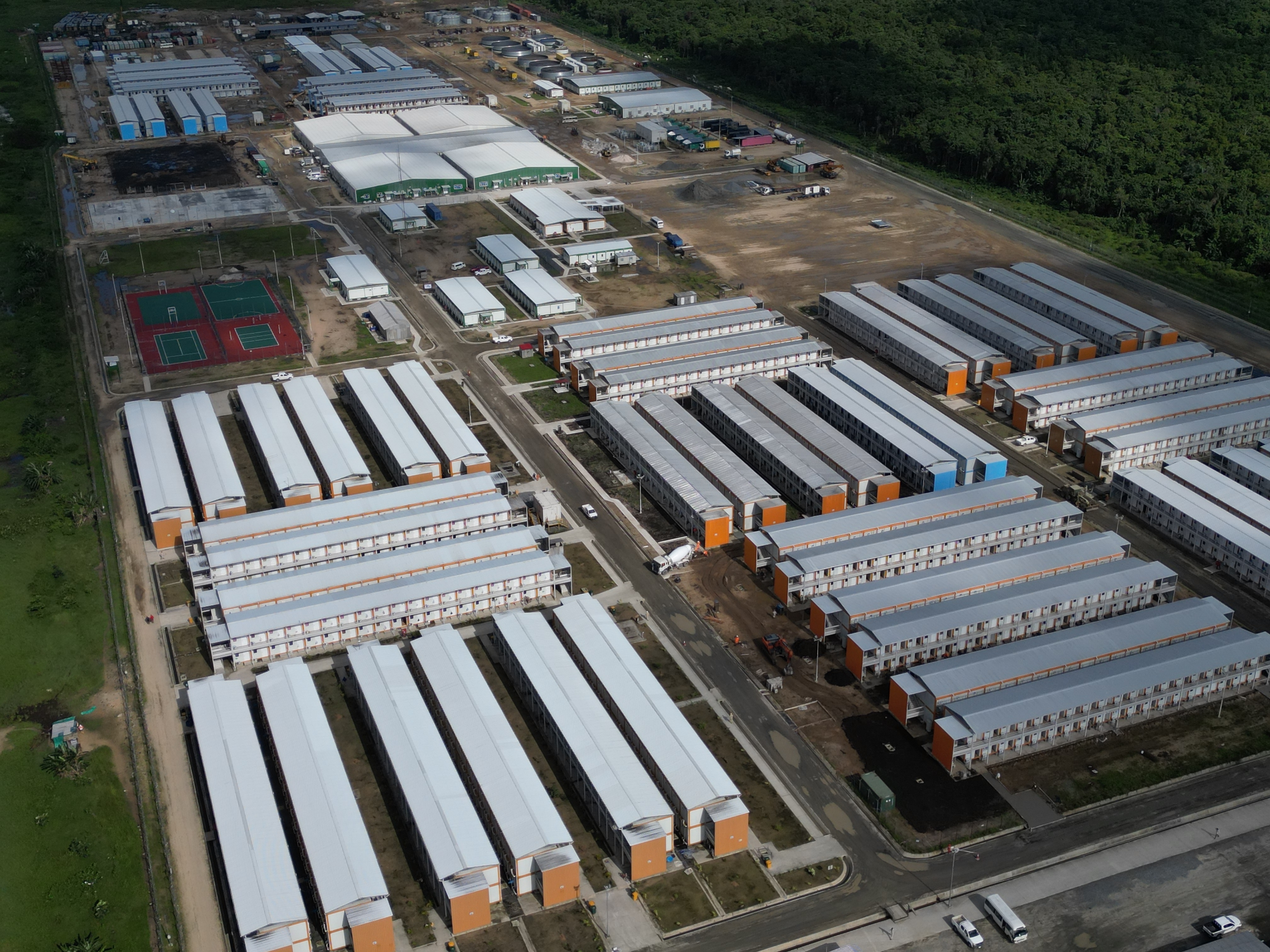
With a direct sourcing model, it becomes easy to make a decision on who's accountable. All warranty claims are dealt with under one contract and one point of contact, ensuring that all claims are directed to the supplier who constructed the unit. No one's to blame if it is designed, engineered and manufactured by the supplier. This clarity minimizes time for dispute resolution, and safeguards the project margin of the EPC.
Post-sales service is an important aspect as well. By offering the available service networks, direct suppliers can immediately deal with any problems they encounter in the field, such as sending a technician or remote services to resolve the issue, or reaching out to the replacement parts supplier. Sometimes a camp needs to have its plumbing or electrical needs resolved, and when the EPC pays the demurrage/liquidated damages, and the after-sales team is responsive, then it's gold.
The direct modular suppliers' integration of design, manufacturing and service activities contribute to a reduced risk and cost predictability within the EPC project, as well as a better building at a lower total cost.
As a direct supplier of modular accommodation solutions, CDPH (Hainan) Company Limited can provide you with the entire solution for mining, energy and infrastructure projects, and has the design, engineering, manufacturing and post sales service capabilities in-house. Please talk to us about what your project needs.