EN
EN

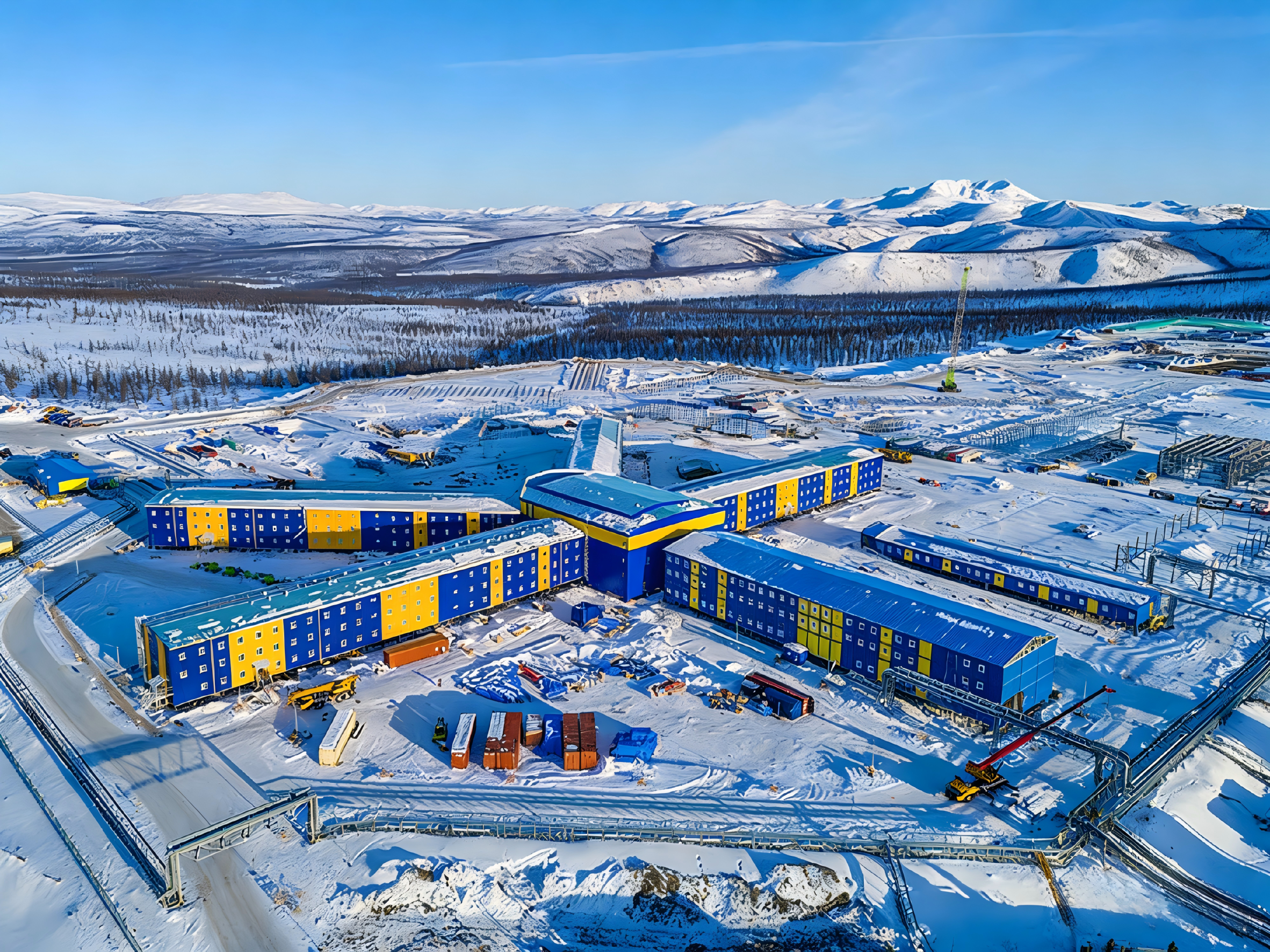
Mining workers' accommodation is often seen as a cost of doing business instead of a business investment. This is an unhelpful way of thinking. For companies operating in remote areas where the rotation of workers is the standard practice – fly-in, fly-out (FIFO) – the quality of the camps can have a direct effect on worker retention, productivity and safety. Poorly designed housing causes fatigue, poor morale and turnover, costs so much more than saving on camp design. Farsighted mining companies are beginning to understand that optimum accommodation for comfort is no luxury item, it is an imperative of business.
Ergonomic Room Floor Plans for Single and Double Occupancy
The first step to a comfortable camp room is the room itself. The ability of the workers to rest, recharge and have personal space during their rotation is dependent on space, layout, and functionality.
More and more high quality mining camps are having single occupancy rooms. The floor area of a good single room should be at least 10 to 12 square meters with a bed, work desk, storage for personal items and adequate room for circulation. If shift working is required, sleeping and working areas should be separated, to enable the staff to rest during the day. Modernized camp designs and concepts can be integrated with cabinets and furniture to make the most of room but not make it cramped. Single rooms with private bathrooms are the result of operations that have high requirements for accommodation – they meet the IFC's requirement of "adequate privacy" (Performance Standard 2).
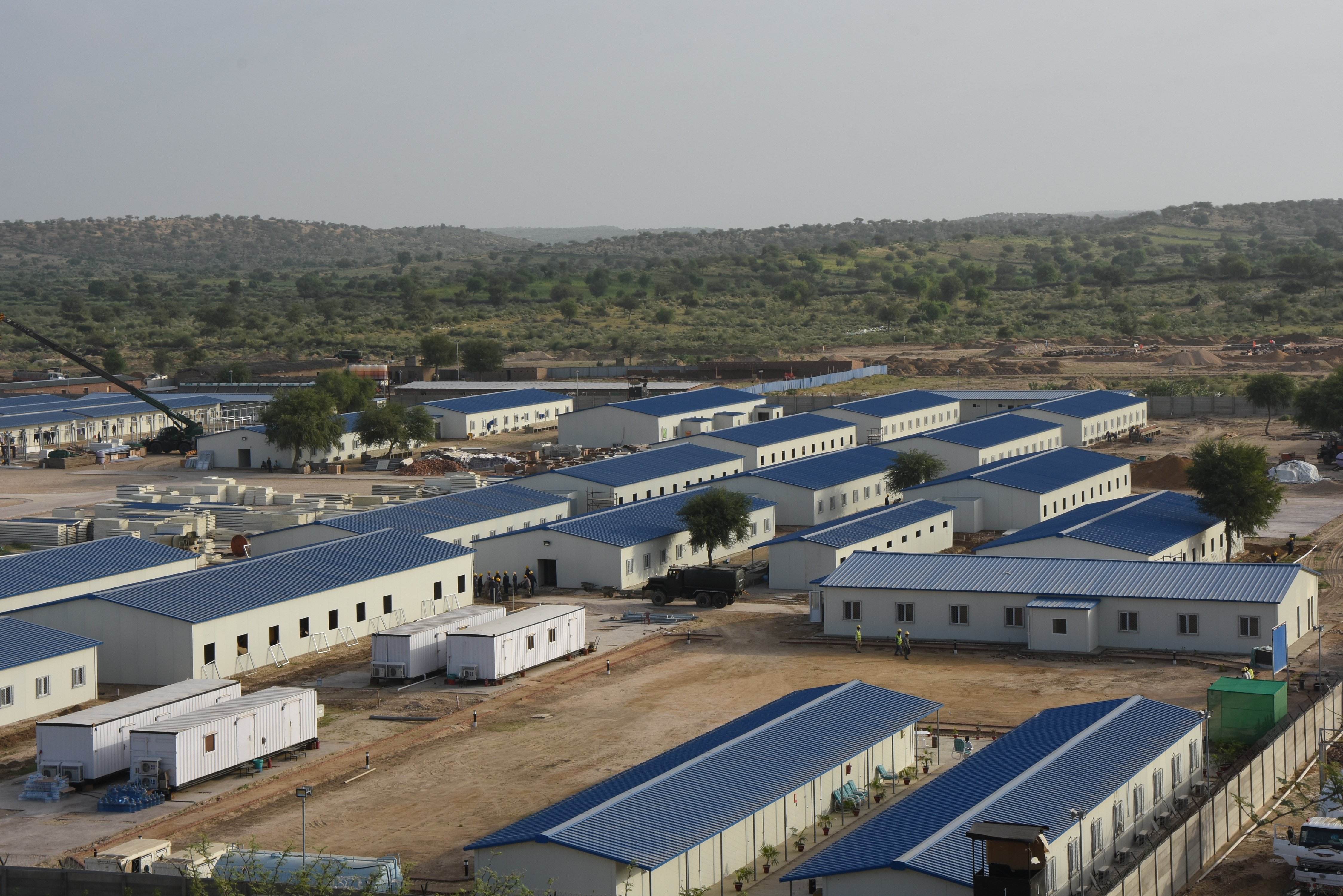
When space is limited, double occupancy rooms are still a necessity for many operations. The design method, however, needs to be purposeful. There must be two separate sleeping spaces, preferably separated by a partition or curtain so that the person can see but not hear the other person. Each worker should be provided with his or her own storage, lighting and climate control. The bunk beds are to be avoided, and separate single beds should be used so that each person can move about without disturbing the other person in the bed. For safety and comfort, there must be enough space for circulation between beds (a minimum of 900 mm).
The modular construction approach enables the repetition of these optimized layouts on hundreds of units, resulting in the same level of accommodation for all the workers, irrespective of the location of the room in the camp.
Private vs. Communal Bathroom and Sanitation Configurations
The layout of the bathroom is one of the biggest design decisions made in camp, and can have a significant effect on staff satisfaction and efficiency.
Having individual ensuite bathrooms in each room is the epitome of comfort for workers. Workers have privacy, convenience, and flexibility of their personal hygiene schedule with a small bathroom equipped with a shower, toilet and washbasin. This is especially important to FIFO workers who might have varying shift hours as they do not rely on communal facilities working during certain hours. The investment is much higher, with the installation of extra plumbing and water systems, but an ensuite bathroom eliminates complaints, promotes better sanitation and provides extra dignity for employees that communal bathrooms cannot provide.
For large camps communal bathroom blocks are more economical, provide central maintenance, simplify cleaning, and minimize the complexity of the plumbing. Communal facilities need careful design though, in order to ensure that the standards are acceptable. One of the most important aspects of a hotel is having a separate male and female facility, sufficient shower to person ratio, and having hot water available all the time. Well built communal blocks are made of materials that are easy to clean, well ventilated and have hands-free fixtures that help minimize the spread of germs. Communal, or other larger, camp layouts may be suitable for large camps with transient populations, provided that they are coupled with effective cleaning.
This is a mixture of the above and is ideal for many operations – private ensuite bathrooms for permanent or long-stay staff, plus communal bathrooms for extra staff during busy periods.
Recreational Facilities: Gyms, Internet Lounges, and TV Rooms
Sleeping arrangements are only part of the picture when it comes to a comfortable camp, and a comfortable camp should offer an environment where workers can unwind, mingle and keep their bodies and minds healthy while they are off duty.
Where workers are required to undertake physically demanding work for long periods of time followed by a period of rest, fitness facilities are crucial in mining camps. Even a small gym room is a place for workers to release tension, maintain their physical well-being and have a positive outlet for their leisure time. Modular construction can provide facilities for gyms to be built as separate structures or as part of a bigger recreation facility, without long construction times.
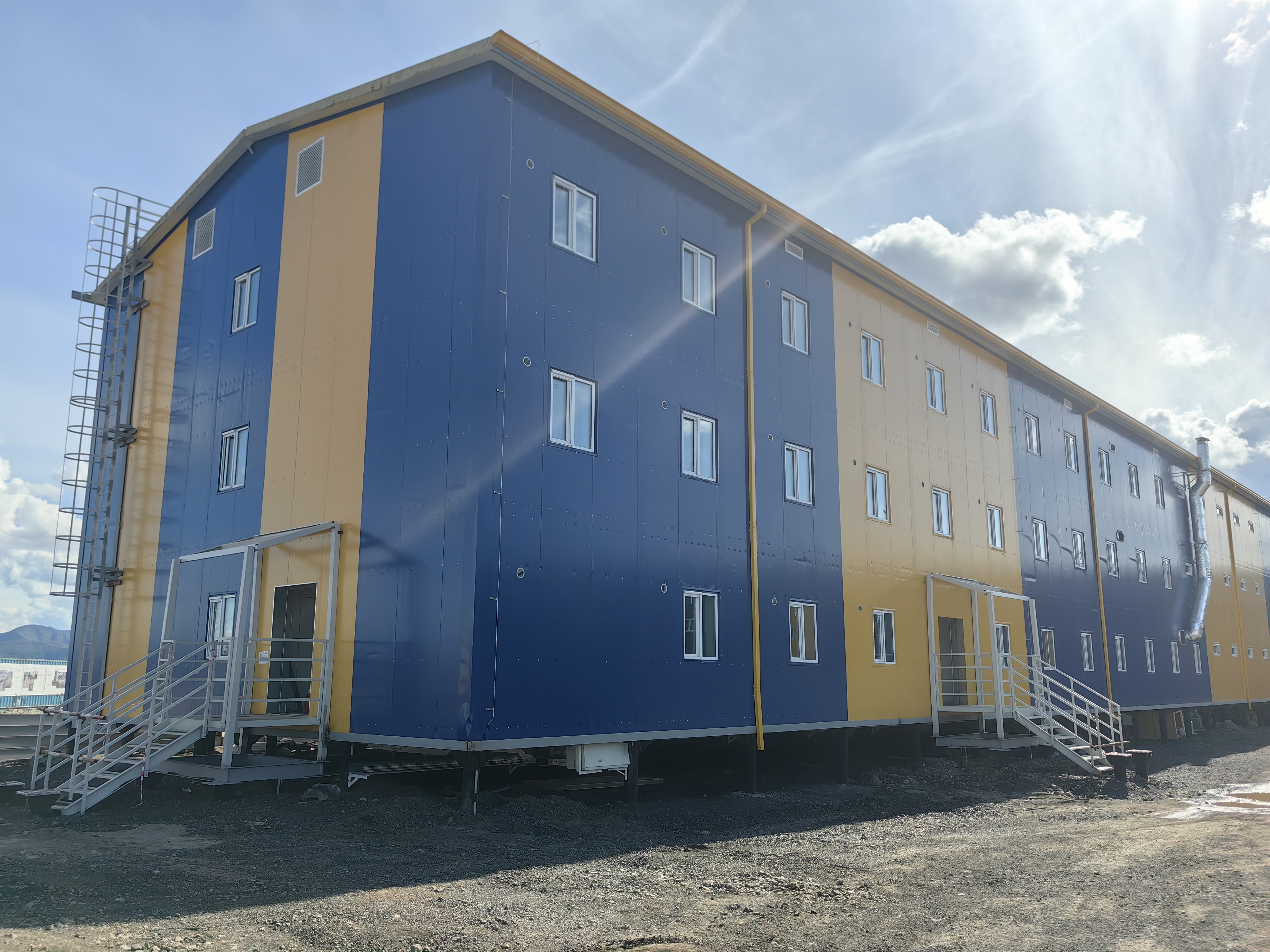
Internet lounges are no longer available as a choice but a must have. Workers should be able to be connected to their families, help with their personal business and have entertainment. For FIFO workers the internet is a priority, and their satisfaction with the internet is very important. Camps with comfortable lounges with seating, charging stations, and good Wi-Fi connection show that they care about the well-being of their workers.
Communal areas such as TV rooms and social spaces provide opportunities for work colleagues to unwind, catch up on the games, or just hang out together. These places minimize social isolation, foster community and offer alternative places to sleep at night. They also offer the opportunity to conduct team building, safety and camp-wide events.
CDPH knows that when a worker is comfortable, they are productive, and has over 4,000 projects in 100 countries to back up its knowledge. Our modular camp solutions are designed with the end user in mind, from ergonomic room layouts, to integrated recreation facilities. Please talk to CDPH (Hainan) about your accommodation needs during the mining.