EN
EN

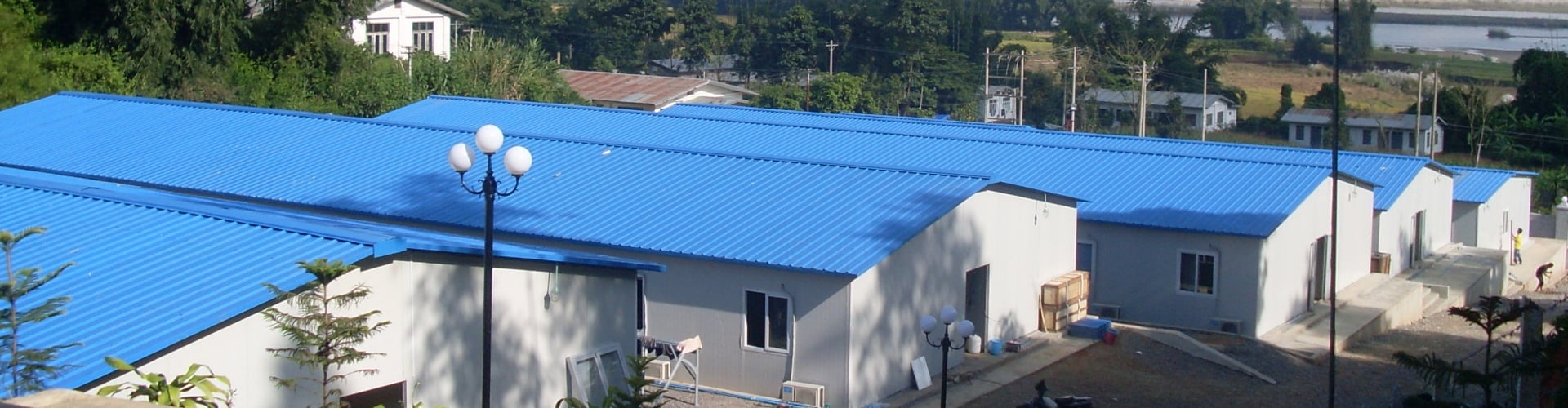
Container Schools: A New Approach to Education Infrastructure
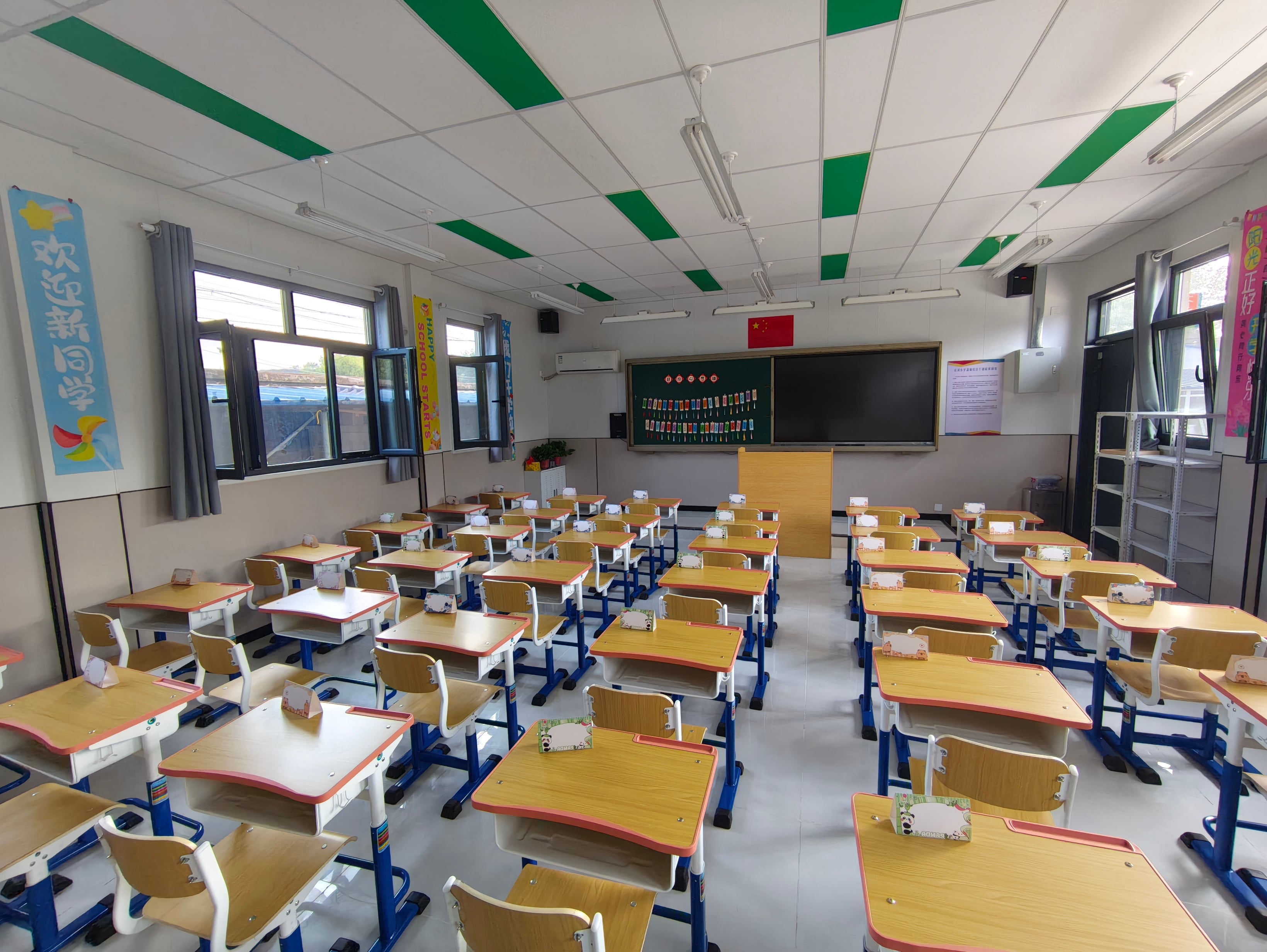
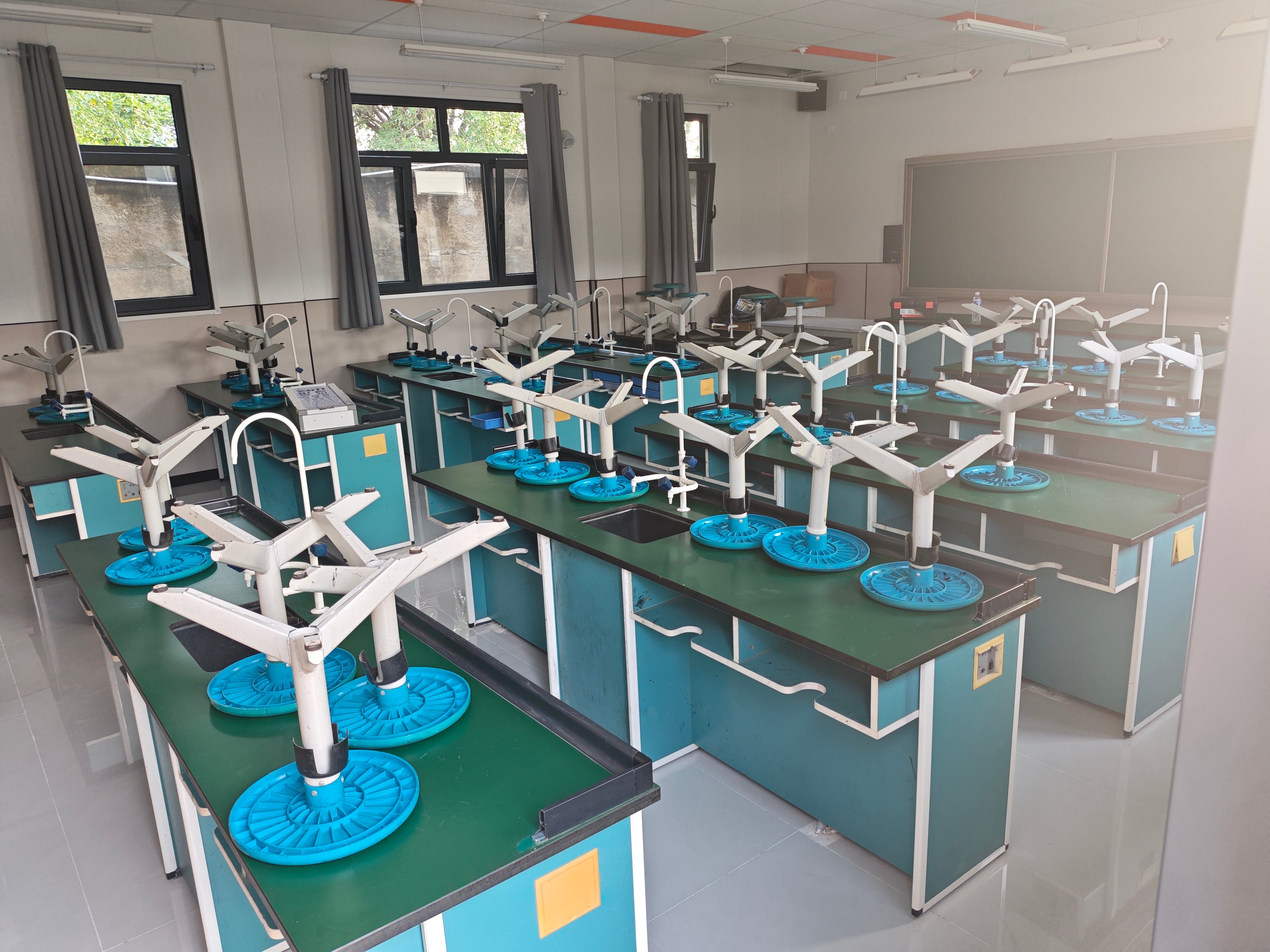
As global demand for education infrastructure continues to grow — particularly in remote regions, rapidly urbanizing areas, and post-disaster reconstruction contexts — traditional concrete school construction is facing mounting challenges: long build times, high costs, and limited adaptability. Container-based modular schools have emerged as a new education infrastructure solution, offering efficiency, flexibility, and cost-effectiveness that is increasingly being adopted by government agencies, international organizations, and education investors worldwide. This article examines the advantages of container schools over traditional concrete schools, as well as the core value of prefabricated construction more broadly.
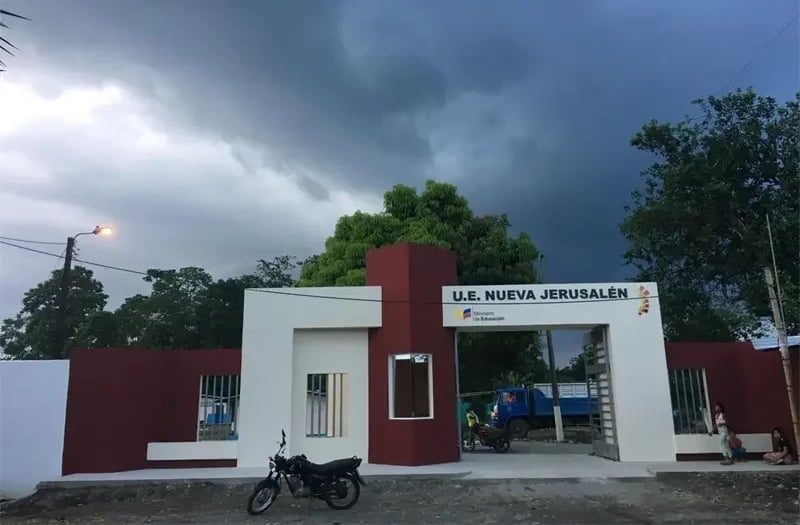
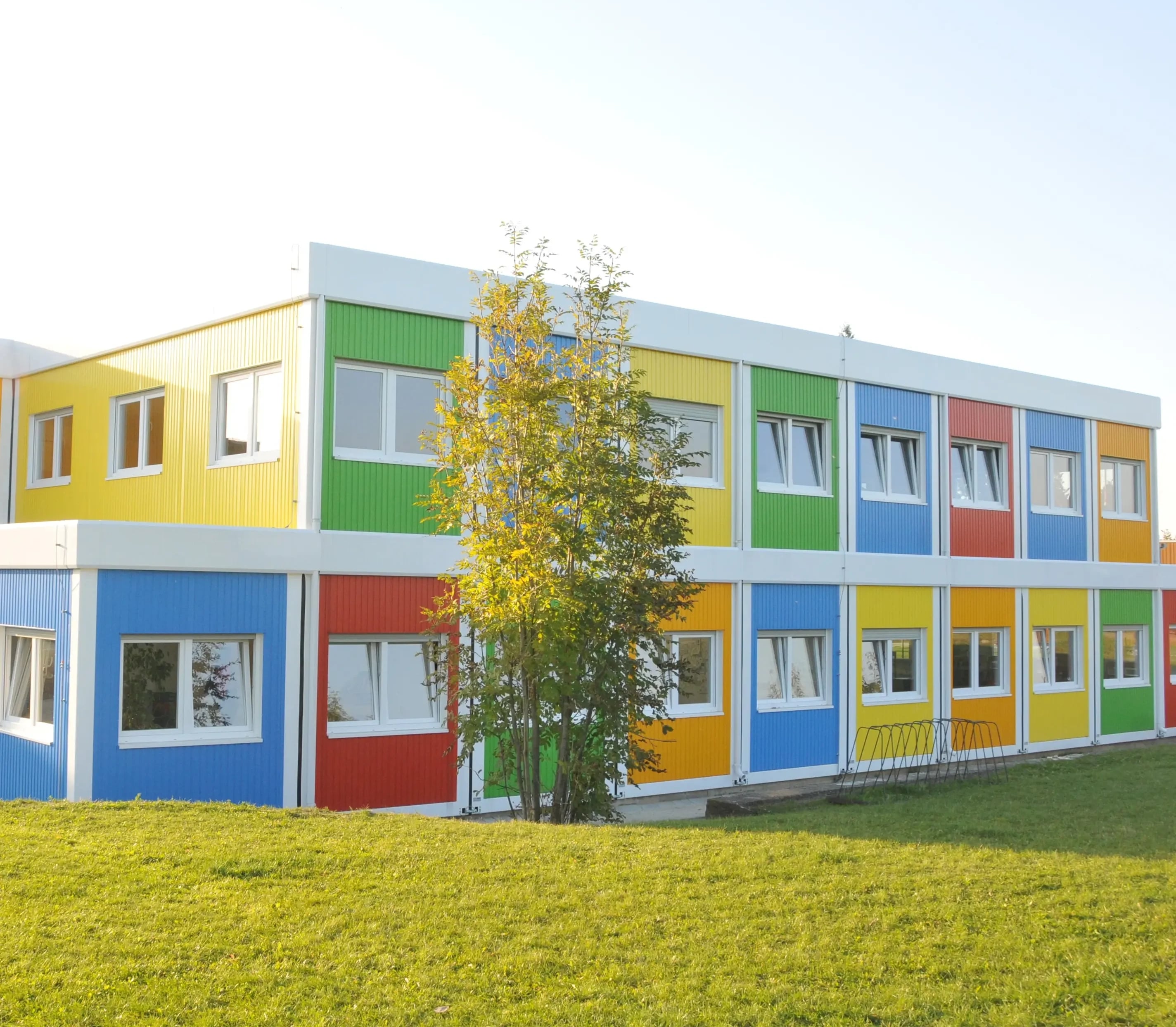
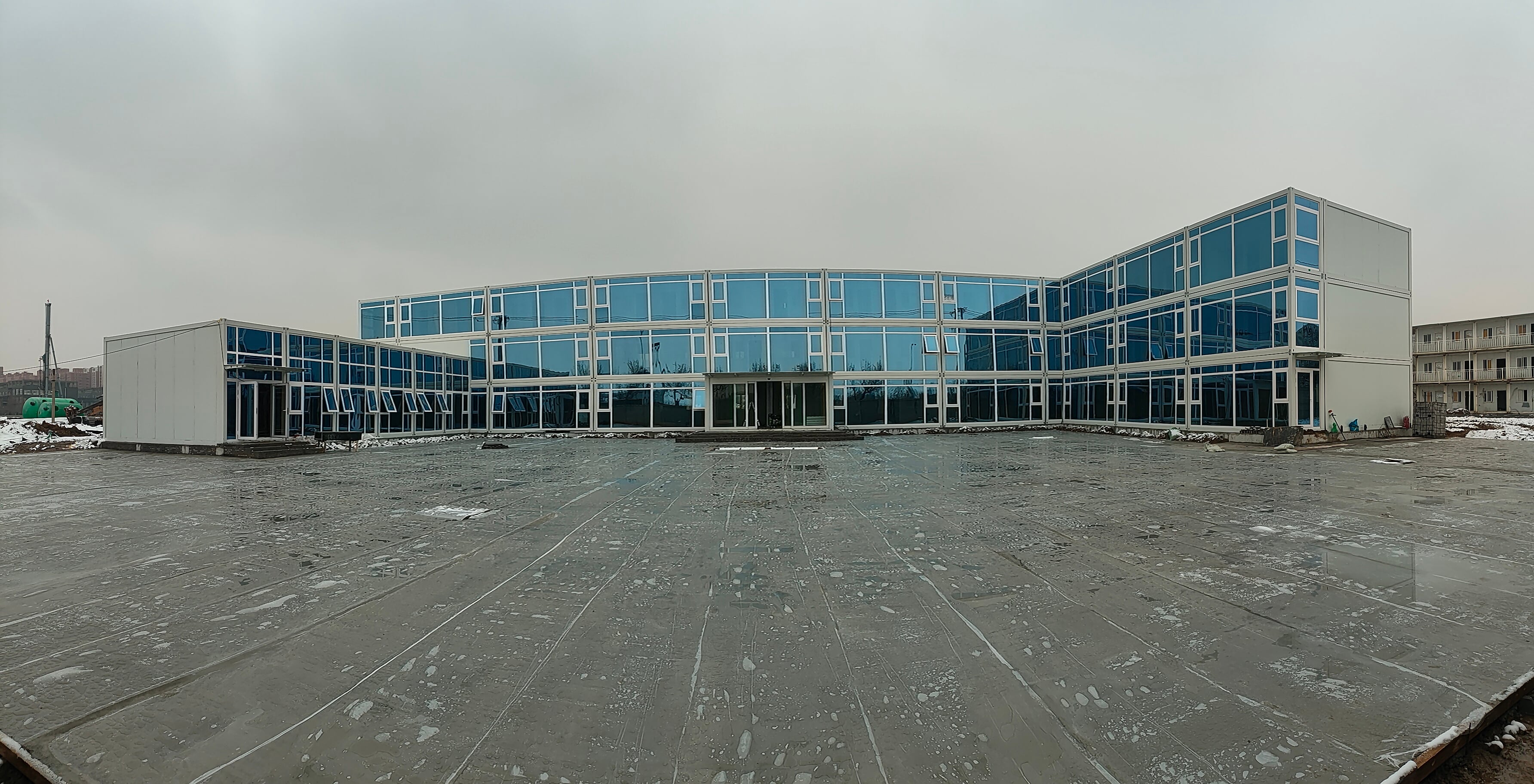
1. Advantages of Container Schools Over Traditional Concrete Schools
Significantly Shorter Construction Timelines
Traditional concrete school construction involves foundation work, cast-in-place structural work, masonry, and interior finishing — a series of lengthy, interdependent processes that typically take months, or even over a year, from design to completion. Container schools, by contrast, are prefabricated in factories and assembled on-site: the main structure is produced in parallel under factory conditions, while on-site work is limited to foundation preparation and module installation. This can reduce overall construction time by more than 60%. For projects facing urgent education needs — new school districts, temporary transitional classrooms, or post-disaster school reconstruction — this rapid-delivery capability can be decisive.
Independence from Weather and Seasonal Conditions
Traditional on-site construction is highly dependent on weather — rainy seasons can halt concrete pouring, and low temperatures can compromise curing quality, both of which can cause unpredictable delays. Container school structures are manufactured indoors in a factory environment, unaffected by on-site climate conditions, resulting in far more stable and predictable construction schedules. This is especially valuable for education projects in regions with complex weather patterns, concentrated rainy seasons, or extreme cold.
Flexible and Scalable to Changing Educational Needs
Growing student populations and evolving teaching requirements often demand that schools be able to expand flexibly. The modular nature of container schools allows classrooms, functional rooms, or dormitory units to be added much like building blocks, based on actual need. Expanding a traditional concrete building, on the other hand, typically requires structural modification or even partial demolition and rebuilding — a costly, time-consuming process that disrupts normal school operations.
Relocatable and Reusable, Lowering Long-Term Costs
For temporary classrooms, post-disaster transitional housing, and schools in remote locations, container schools offer a distinct advantage in relocatability — once no longer needed at one site, entire modules can be disassembled and relocated for continued use elsewhere. This significantly reduces the risk of one-time construction investments going to waste — a capability that traditional concrete buildings are essentially unable to offer.
More Predictable Costs, More Transparent Budgeting
Factory-based mass production substantially reduces material waste and on-site labor costs, while also minimizing the budget overruns often caused by uncertainties in on-site construction — such as rework, material waste, and schedule delays. For education authorities and investors, container schools provide a clearer, more controllable cost outlook from the earliest stages of project planning.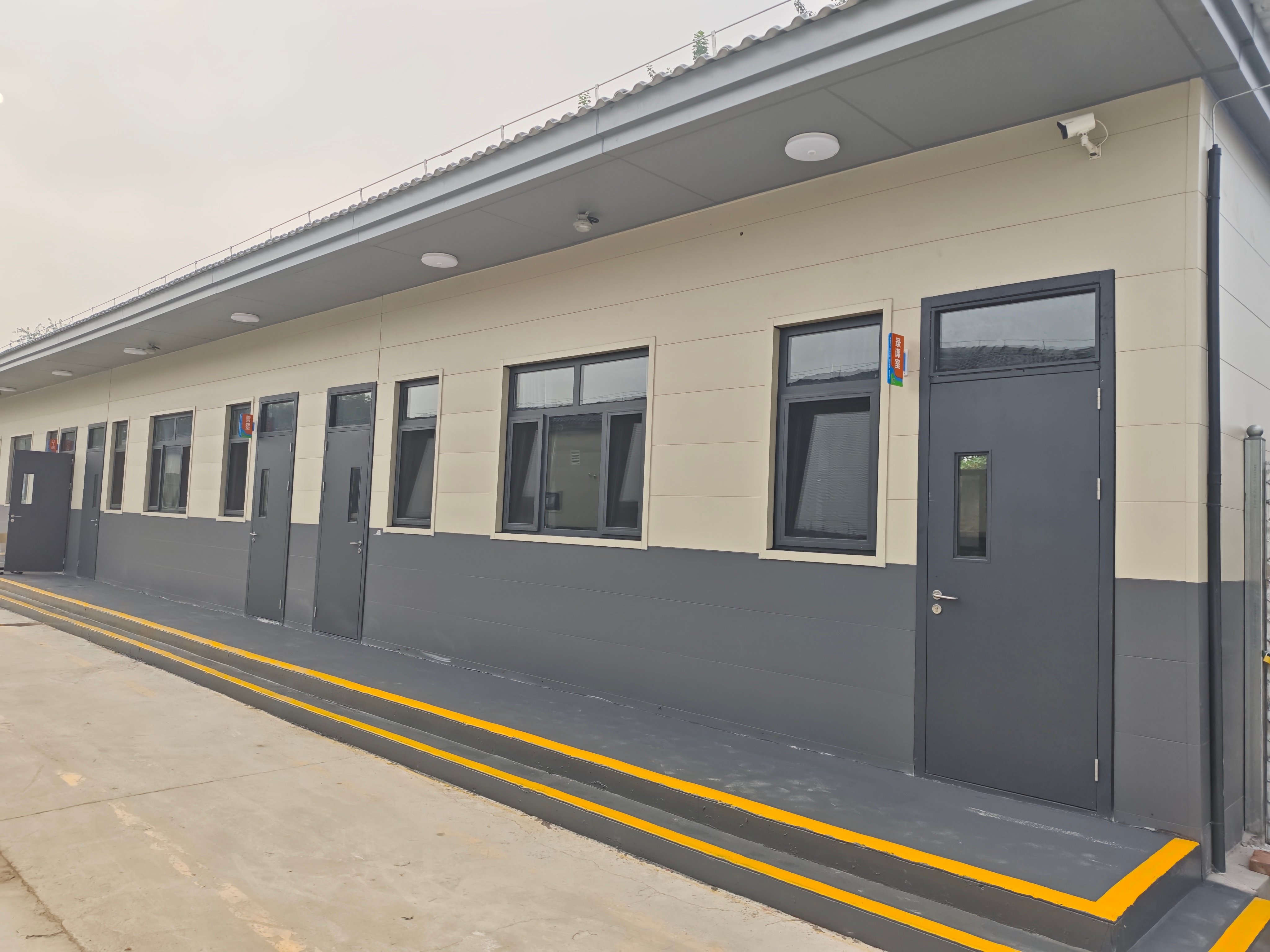
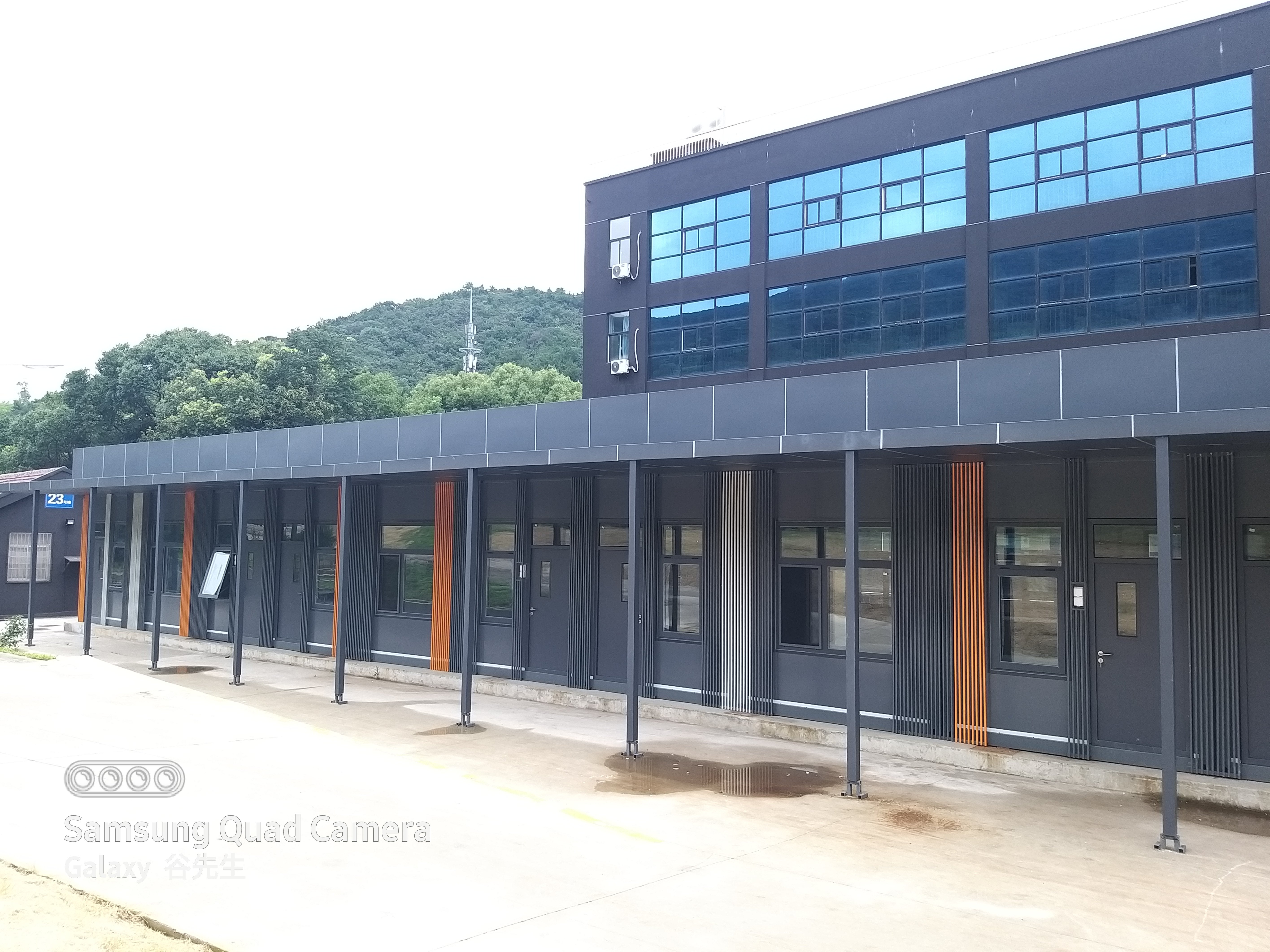
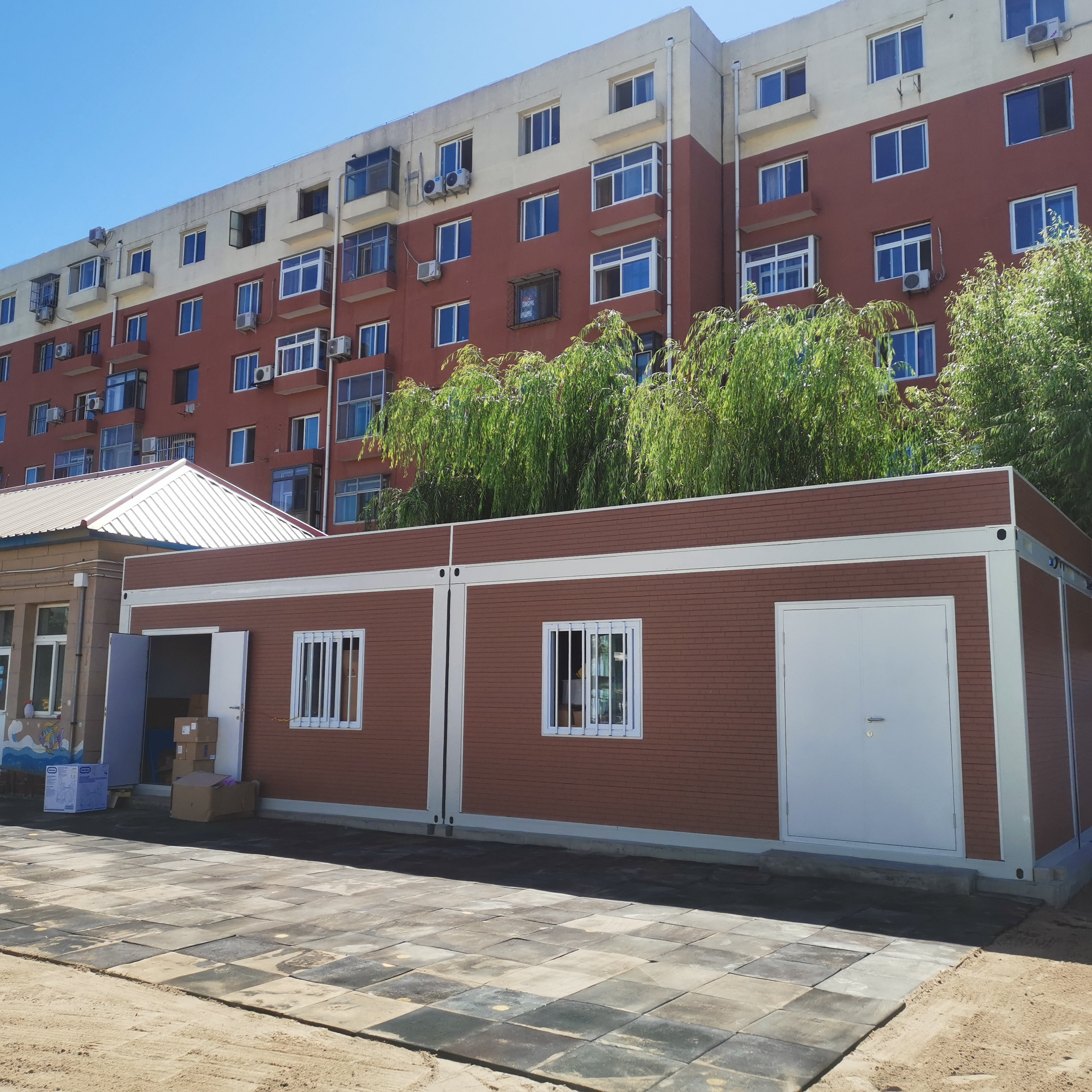
2. The Core Advantages of Prefabricated Construction — Beyond Schools
Container schools are just one application of prefabricated modular construction within the education sector. In fact, the core value of prefabrication extends across a wide range of building types — schools, worker housing, office buildings, and more — and is reflected in the following key areas:
Consistent, Controllable Quality
The main structures of prefabricated buildings are manufactured in a factory environment under standardized quality control processes throughout. Compared with traditional on-site construction — which is more susceptible to human error and weather conditions — prefabricated construction better ensures the consistency and reliability of every module.
Greater Energy Efficiency and Environmental Sustainability
Factory-based production significantly reduces on-site wet work (such as concrete pouring and plastering) and construction waste, while improving material utilization. The overall construction process aligns more closely with green building and sustainability principles — a priority that is becoming increasingly important in education infrastructure development worldwide.
Safety and Regulatory Compliance
Leading prefabricated construction suppliers typically possess strong structural engineering capabilities, designing products to meet specific engineering load requirements — including wind, snow, and seismic loads — while complying with internationally recognized building codes and certification standards. This enables them to meet the needs of education projects across different countries and climate conditions.
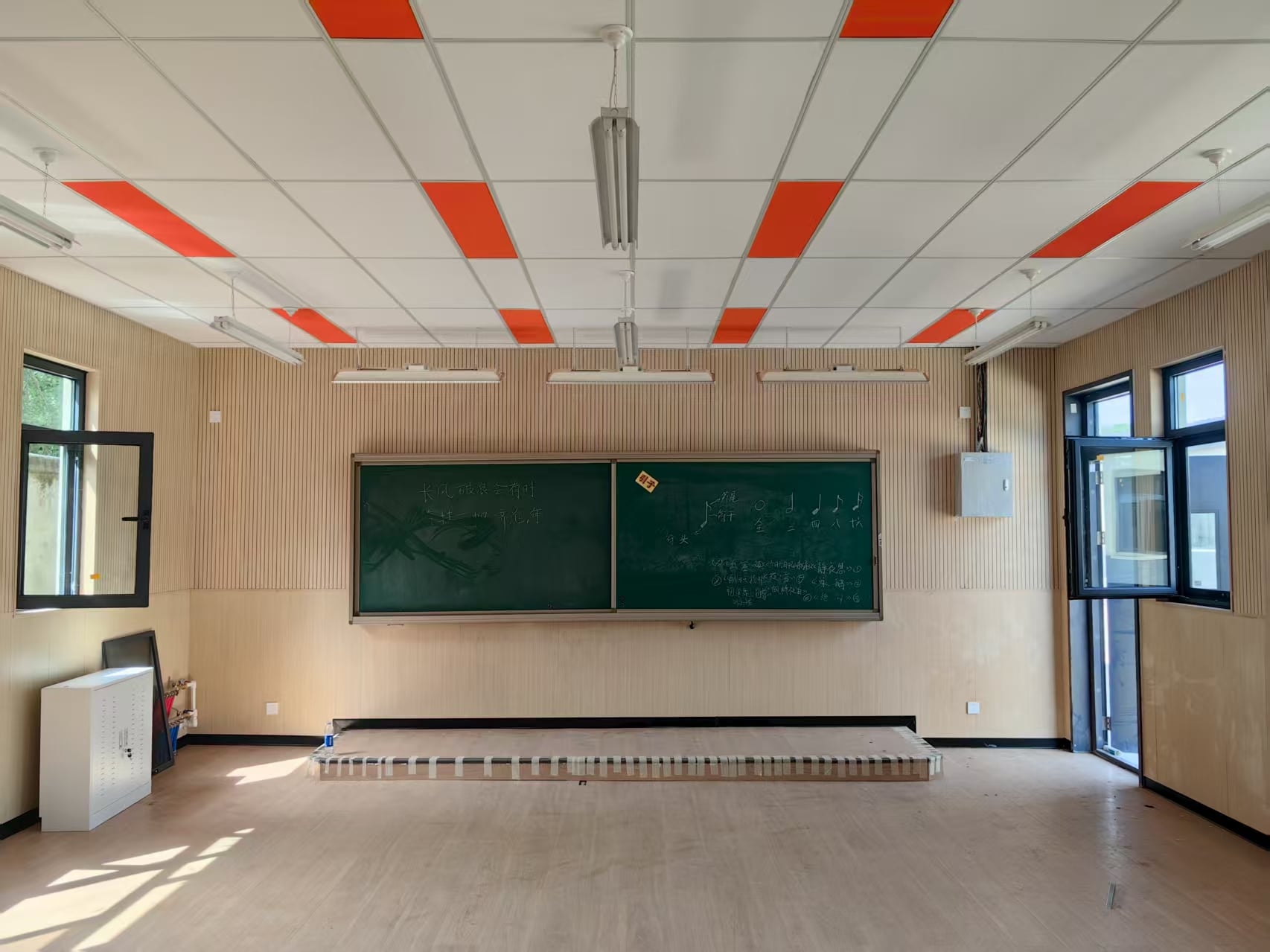
Faster Delivery, Faster Impact
Whether for new school construction, campus expansion, or emergency education facilities, prefabricated modular construction can significantly compress the timeline from project initiation to occupancy — allowing education resources to reach students sooner. This is particularly critical when responding to urgent education needs, such as in rapidly growing population centers or post-disaster reconstruction efforts.
Conclusion
From construction efficiency and climate adaptability to expansion flexibility and long-term cost, container schools demonstrate comprehensive advantages over traditional concrete schools, making them an important solution to the challenges of education infrastructure development. At its core, this reflects the broader application of prefabricated modular construction principles within the education sector — where the quality consistency, environmental benefits, and delivery efficiency of factory-based production are redefining the standards for education infrastructure. For government agencies, education investors, and international organizations planning new or upgraded education facilities, prefabricated modular solutions deserve serious consideration as a priority option in project planning.