EN
EN

Camp Accommodation: How to Plan a Remote-Area Camp Construction Project
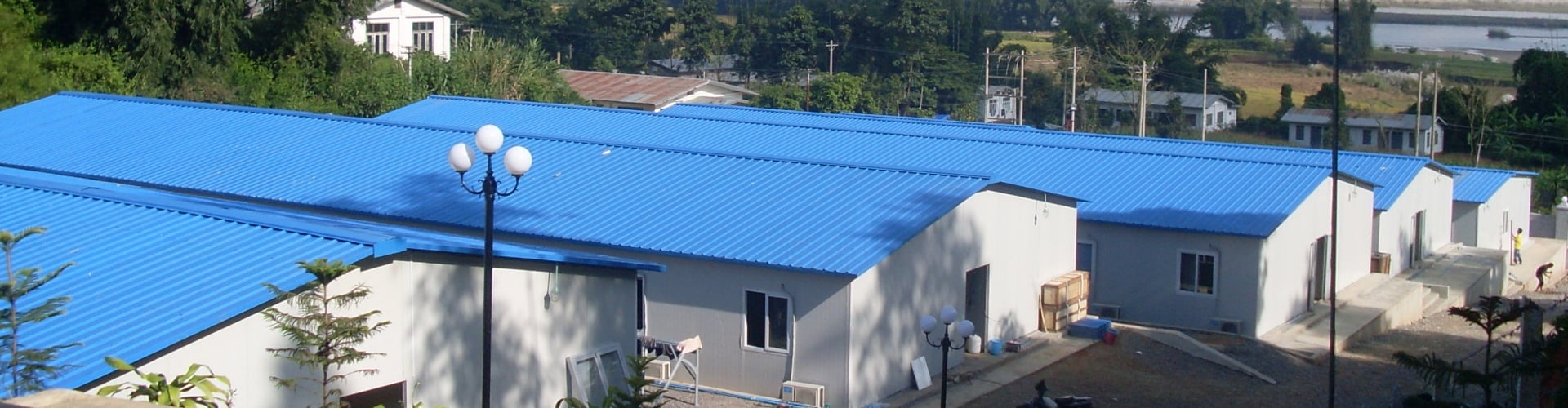
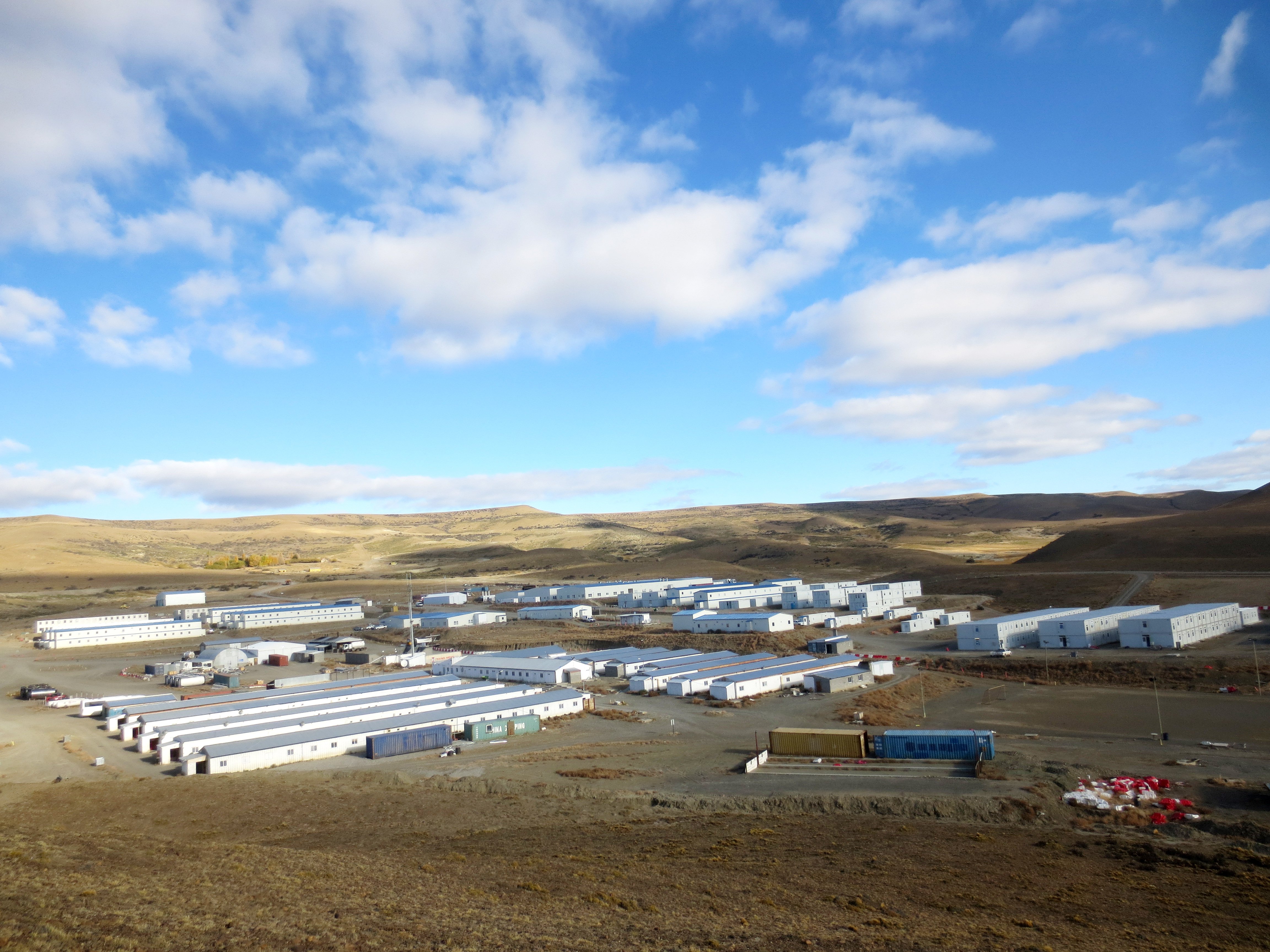
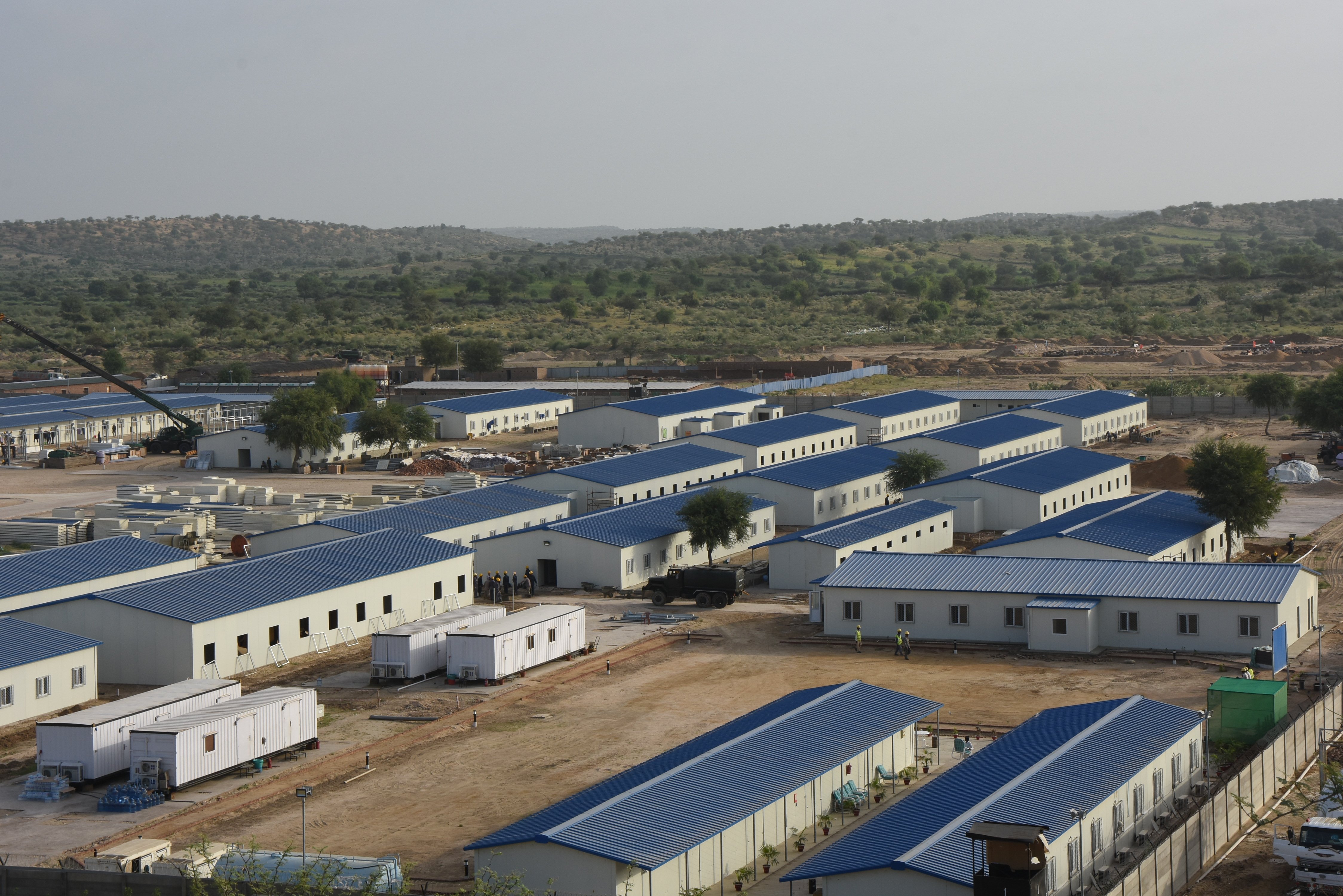
Mining, energy, and infrastructure project sites are often located in remote areas with poor transportation access, harsh climates, and limited existing infrastructure — plateaus, deserts, extreme cold regions, tropical rainforests, and beyond. These environments demand a construction approach for project camps that goes far beyond standard civil building requirements. Container housing has emerged as the mainstream solution for camp accommodation in this context, and thanks to its adaptability and construction efficiency, it has become the preferred choice for a growing number of international owners and EPC contractors. This article examines the key considerations for remote-area camp construction across four areas: the rationale for choosing container housing, product types, planning steps, and supplier selection.
1. Why Choose Container Housing for Remote-Area Camp Accommodation
Strong Transportation and Logistics Compatibility
Remote project sites commonly face poor road conditions, long transport distances, and limited access for large construction equipment. Container housing is built to standard container dimensions, allowing it to be transported directly via road, rail, or sea in multimodal combinations — offering far greater logistical flexibility than the heavy equipment and materials required for traditional cast-in-place construction.
Short Construction Timelines, Fast Deployment
Remote-area projects typically demand that camps be "ready the moment they're needed" — personnel often arrive on-site before accommodation is complete, which can directly delay project mobilization. Container housing has its main structure manufactured in a factory, with on-site work limited to foundation preparation and module installation, compressing construction timelines to a third (or less) of traditional building methods.
High Structural Strength, Built for Harsh Environments
Container housing offers excellent structural rigidity and resistance to deformation. With targeted engineering design, it can withstand heavy wind and snow loads at high altitudes, extreme temperature swings and sand erosion in desert regions, and high humidity and salt fog corrosion in coastal areas — challenges that traditional brick-and-concrete or basic prefab structures struggle to match.
Recyclable and Reusable, Reducing Resource Waste
Most remote-area projects are phased or temporary in nature. Once a project concludes, container camps can be fully disassembled and relocated to the next project site for continued use. This "invest once, use multiple times" characteristic significantly lowers the long-term capital investment required.
2. Main Types of Container Housing for Camp Use
Different remote environments call for vastly different engineering requirements in container housing. For typical application scenarios, camp container housing is generally categorized into the following main types:
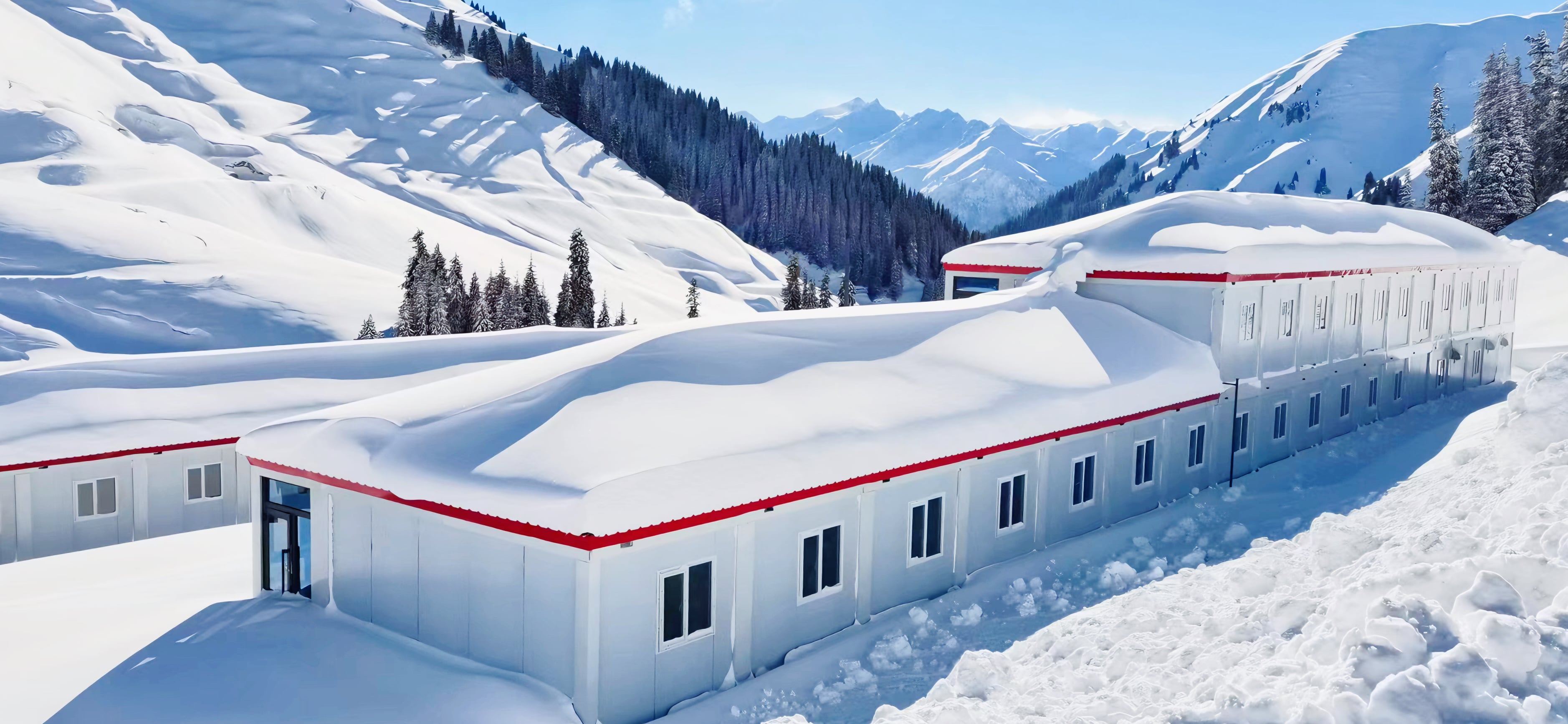
Cold-Resistant Containers Designed for high-latitude and high-altitude extreme cold regions, featuring reinforced insulated envelopes paired with anti-freeze water supply and drainage systems and high-efficiency heating equipment, ensuring suitable indoor temperatures are maintained in low-temperature environments while preventing common issues like pipe freezing and bursting.
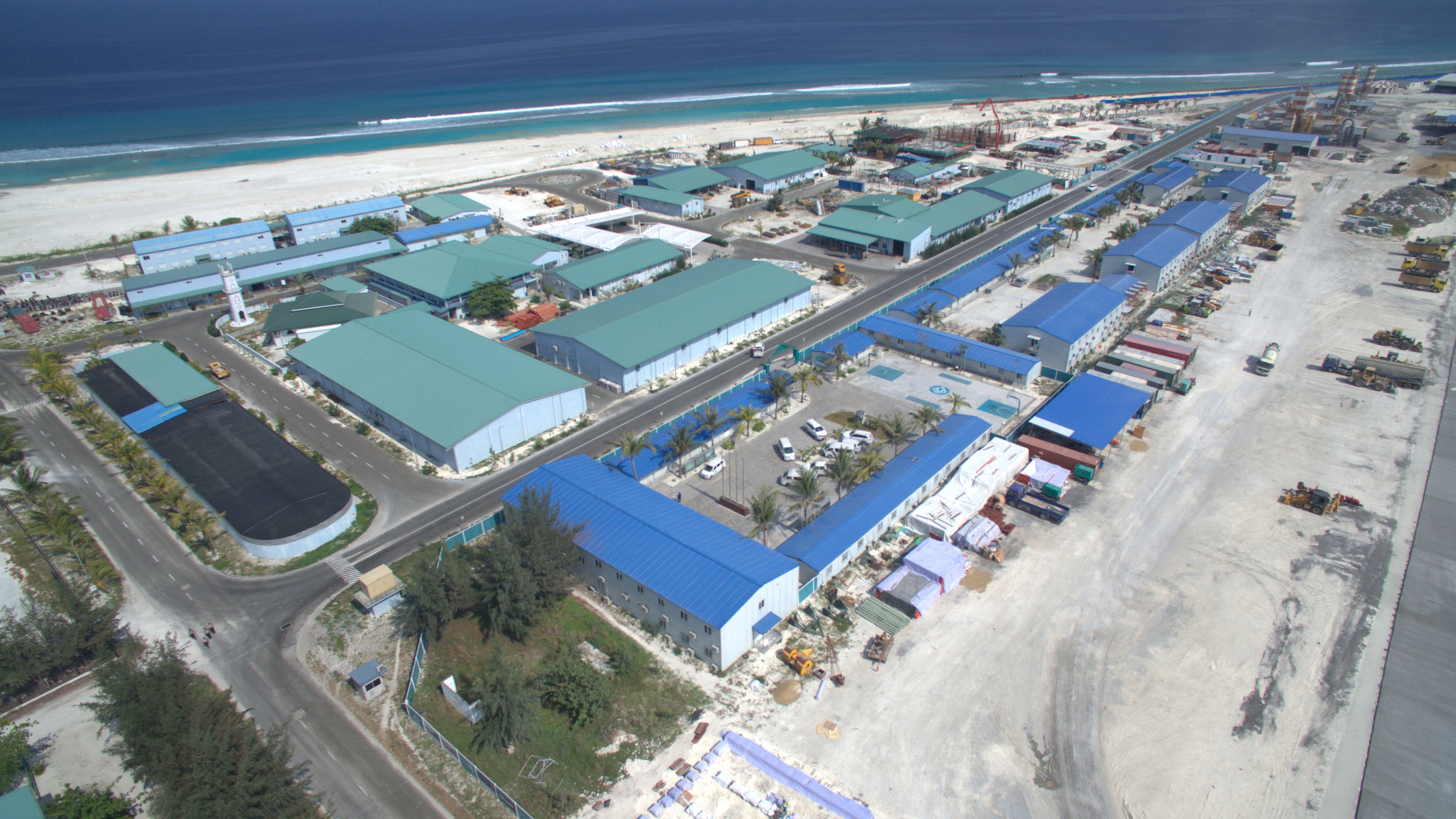
Corrosion-Resistant Containers Primarily used in coastal, high-humidity, and salt-fog-heavy project areas (such as camps supporting offshore oil and gas platforms or coastal mining operations). Special anti-corrosion coatings and corrosion-resistant material selection extend the service life of container units in high-salinity, high-humidity environments.
Plateau Containers Purpose-built for high-altitude regions, addressing challenges such as strong UV radiation, large day-night temperature swings, and low oxygen levels. These units are typically equipped with reinforced sealing structures and specialized insulation materials, with enhanced wind-resistance ratings to withstand strong plateau winds.
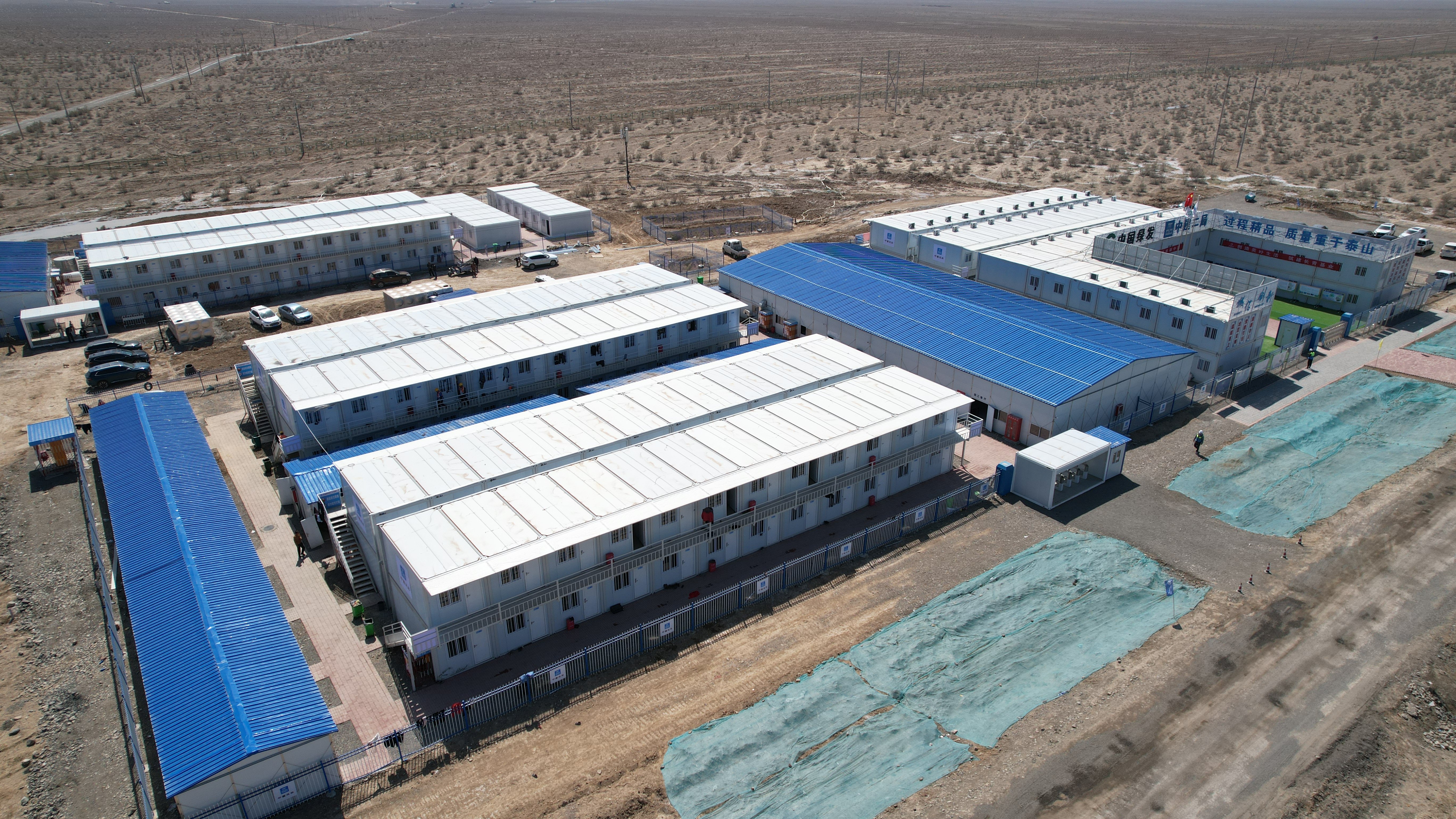
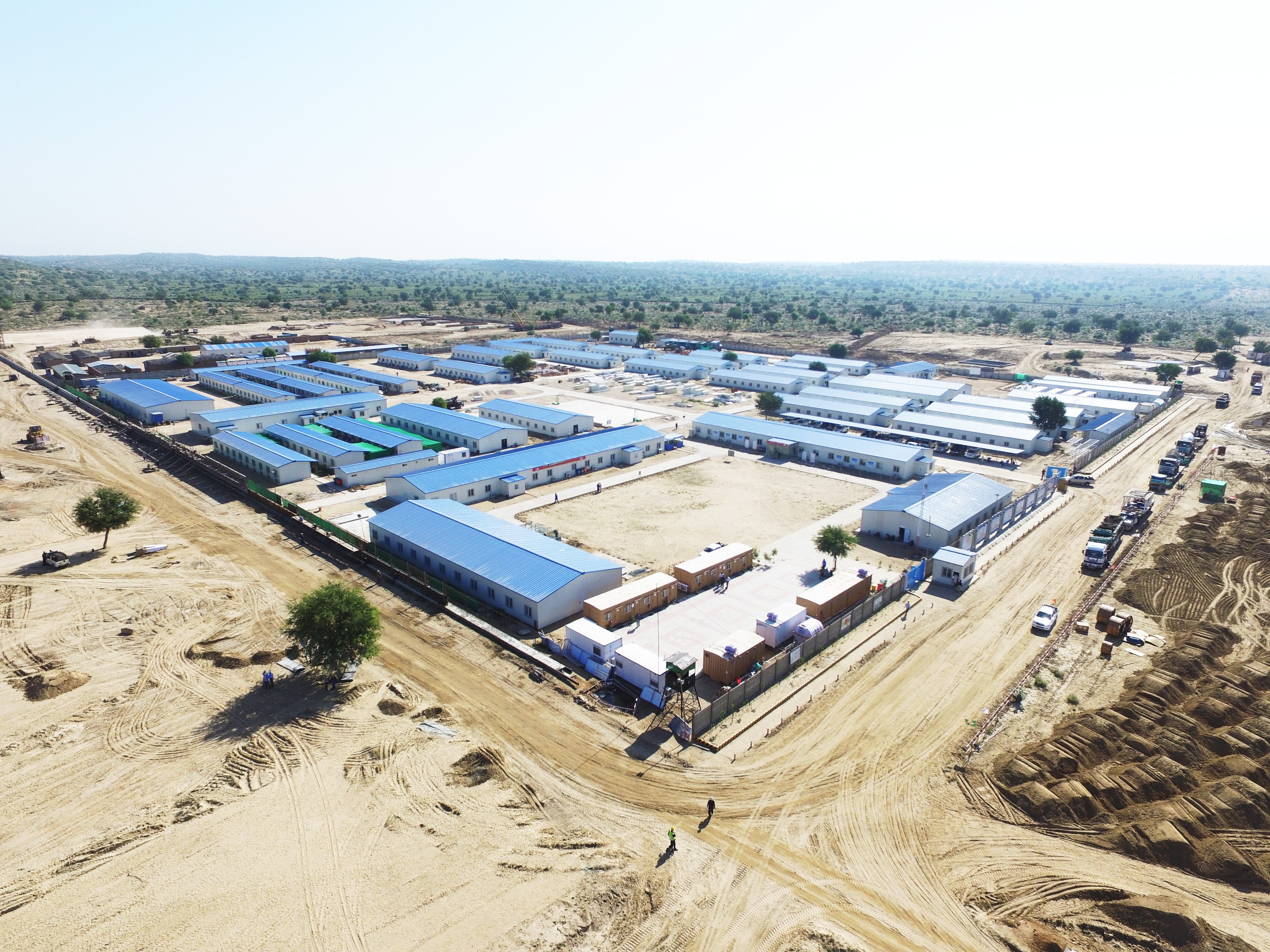
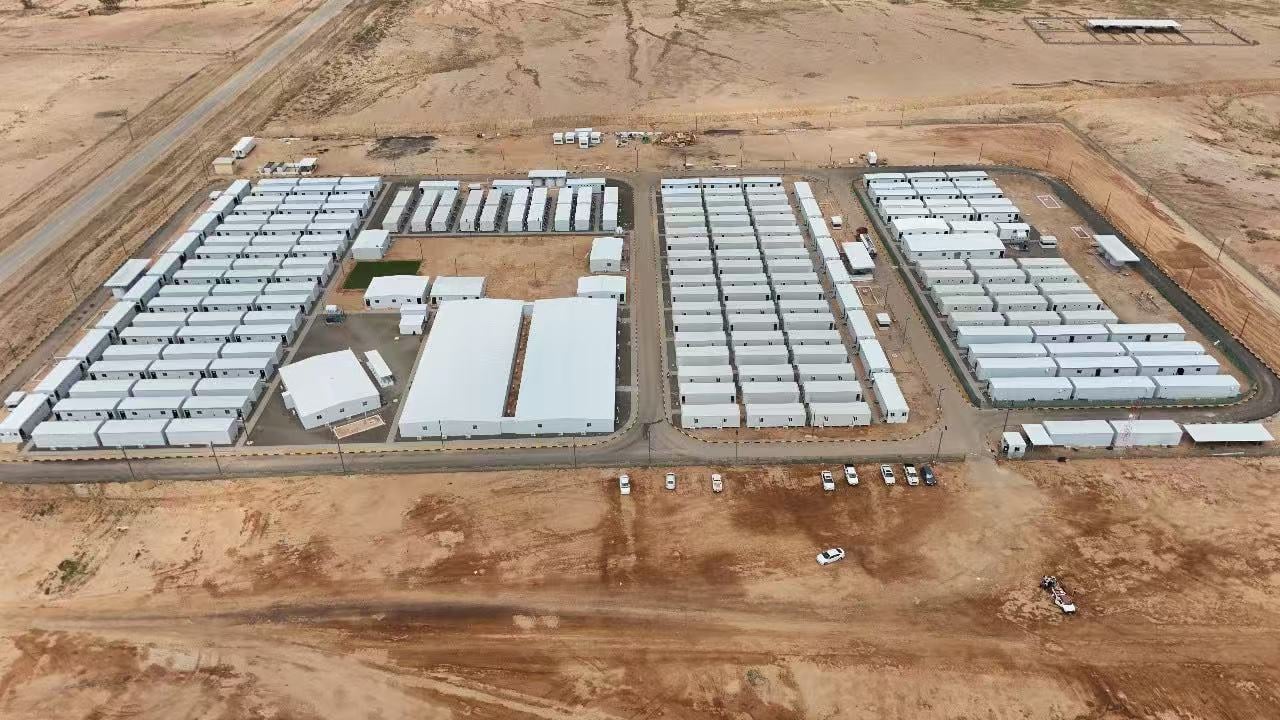
Gobi/Desert Containers Designed to handle extreme heat, strong sandstorms, and large temperature swings characteristic of Gobi and desert environments, using reinforced dust-sealing designs, thermal insulation and cooling systems, and weather-resistant exterior materials to maintain sealing integrity and service life under harsh sandy conditions.
These categories are not mutually exclusive — real-world projects often require customized engineering design based on specific on-site climate data and geological conditions, rather than simply applying standardized products.
3. How to Plan Container Housing for a Camp
A successful camp container housing plan typically follows these key steps:
1. Site Environment and Requirement Assessment This includes gathering baseline data such as climate conditions (temperature, wind loads, rainfall and snowfall), geological conditions, workforce size, deployment duration, and power/water supply availability — forming the foundation for subsequent engineering design.
2. Overall Planning and Functional Layout Based on workforce size, functional zones such as dormitories, dining facilities, offices, medical/first-aid areas, and recreational spaces are appropriately allocated, taking into account pedestrian flow, fire evacuation routes, and space reserved for future expansion.
3. Product Selection and Engineering Design Based on on-site environmental data, the appropriate container type (cold-resistant, corrosion-resistant, plateau, or Gobi/desert) is selected, with specialized engineering design applied to structural loads, thermal insulation, and water supply/drainage systems.
4. Supply Chain and Transportation Planning Logistics is often the make-or-break factor for remote-area projects, requiring advance planning of multimodal transport arrangements, customs clearance procedures (for cross-border projects), and on-site lifting and installation organization.
5. On-Site Installation and Acceptance This covers foundation construction, module lifting and assembly, utility connections, interior finishing, and final acceptance in accordance with international or local building codes.
Camp planning is a systems-engineering undertaking that requires close coordination across design, engineering, supply chain, and on-site construction teams — not simply the assembly of standalone products.
4. Why Choose CDPH for Camp Construction
As a large-scale manufacturer specializing in prefabricated modular construction, CDPH (Hainan) has completed and delivered more than 4,000 projects across over 100 countries, building extensive practical experience in remote-area camp construction. Its core strengths include:
Integrated Planning and Design Capability CDPH offers full-process service capability — from on-site assessment and master planning to engineering design — delivering customized camp solutions tailored to different climate conditions (extreme cold, high altitude, Gobi/desert, high-humidity coastal, and more), rather than offering simple standardized products.
A Comprehensive Modular Product System The company's product line covers cold-resistant, corrosion-resistant, plateau, and Gobi/desert containers, among other adaptive product types, enabling flexible responses to camp construction needs across different scales and environmental conditions.
Factory-Based Production and Quality Control CDPH operates multiple smart manufacturing facilities backed by a fully integrated in-house supply chain and logistics system, with quality control processes spanning the entire chain from raw material procurement to pre-shipment inspection. Its products hold international certifications including CE, ISO 9001, ISO 14001, and OHSAS 18001, and comply with international technical standards such as the U.S. Building Code.
Extensive Experience in Extreme-Environment Projects From a mining camp in Mexico to numerous mining and energy project sites around the world, CDPH has built up a strong portfolio of successful camp construction projects in extreme environments, offering owners and EPC contractors verifiable references from past deliveries.
For companies planning large-scale industrial projects in remote regions, selecting a camp construction partner with strong engineering and design capability, a mature product system, and factory-based quality control is a critical step toward ensuring the project moves forward smoothly.