EN
EN

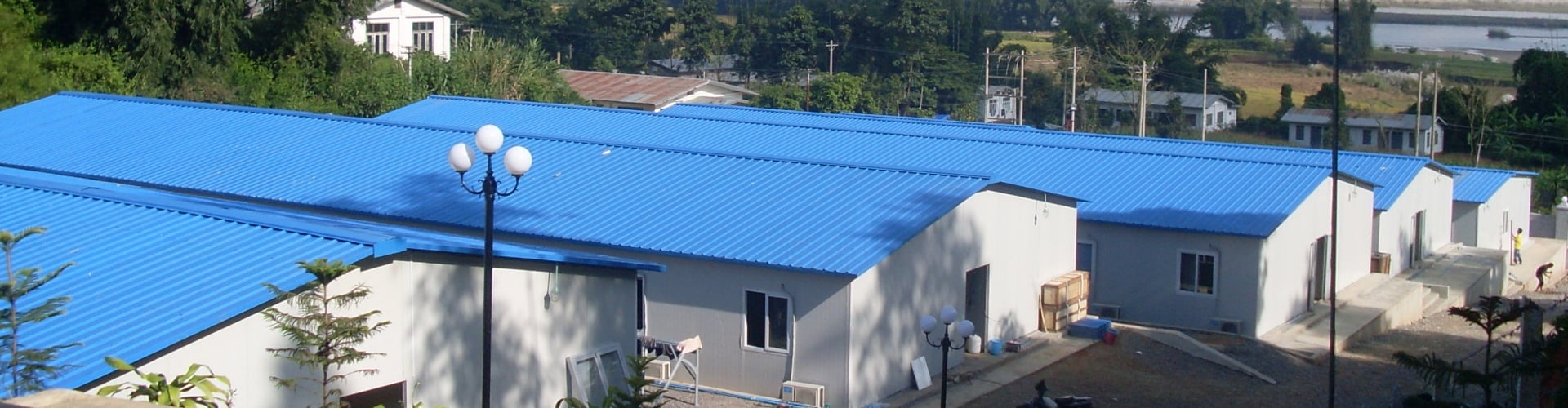
How to Choose the Right Modular Labour Camp Housing for Construction Projects?
In large-scale construction, mining, and oil and gas projects, as well as infrastructure development in remote areas, workforce camp housing serves as far more than mere temporary accommodation; it is a critical component influencing project efficiency, personnel management, safety compliance, and overall operational costs. For project owners, general contractors, and EPC contractors, selecting the right modular workforce housing solution has evolved from a simple need for temporary shelter into a reflection of comprehensive project management capability.
Compared to traditional temporary construction methods, modular labor camp housing offers distinct advantages, such as shorter construction cycles, high standardization, ease of transport and installation, reusability, and controllable overall costs. Consequently, an increasing number of construction projects are opting for modular camp solutions to meet demands for rapid delivery and standardized management.
Given the variations in project scale, construction environments, and local regulatory requirements, how should enterprises select a modular labor camp solution that is truly suitable for their specific project? Key considerations generally include four aspects: the overall functional zoning and layout design of the camp, adaptability to the local climate and environment, compliance with local standards, and the supplier's integrated delivery capabilities.
一、The overall functional zoning and layout design of the campsite determines operational efficiency
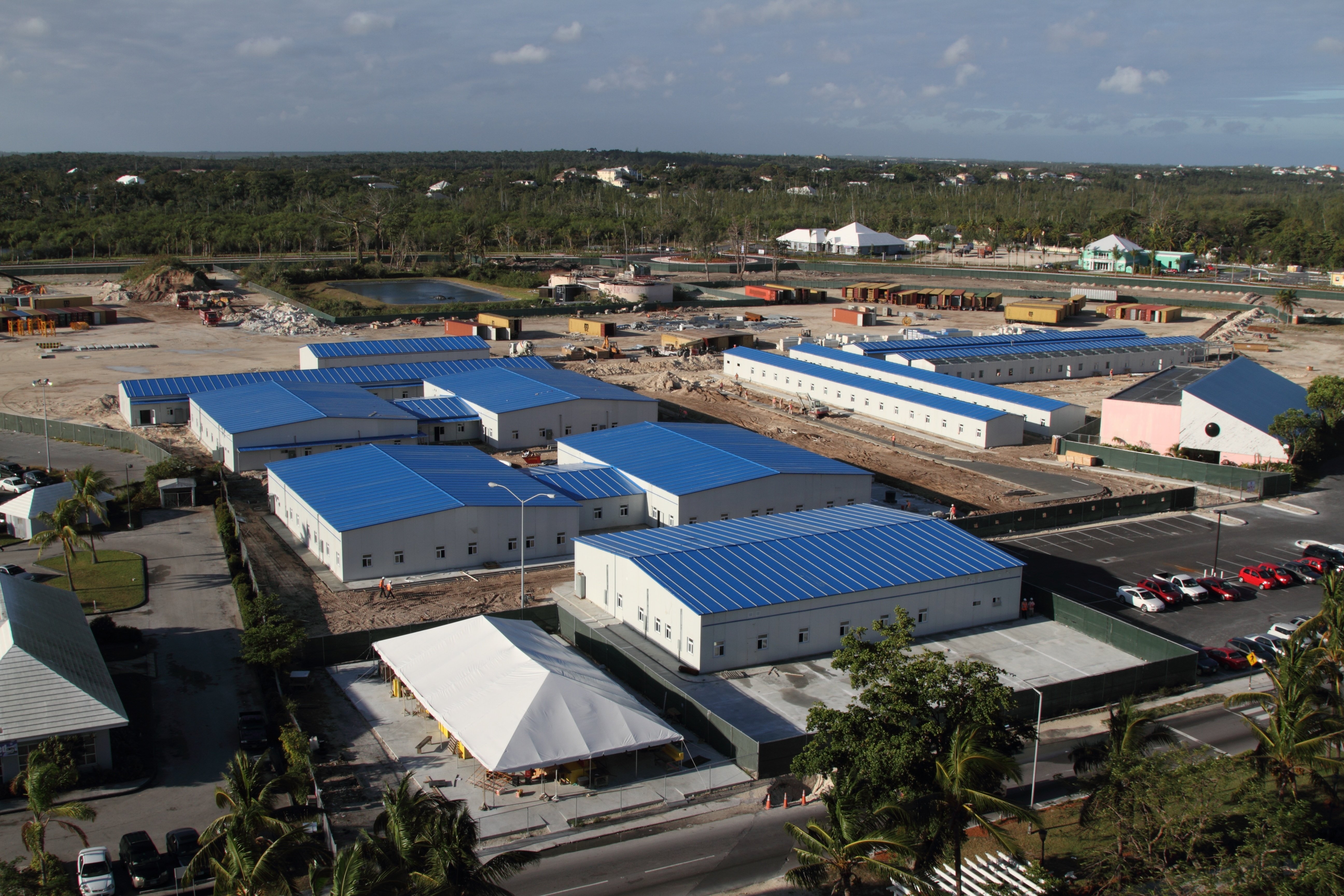
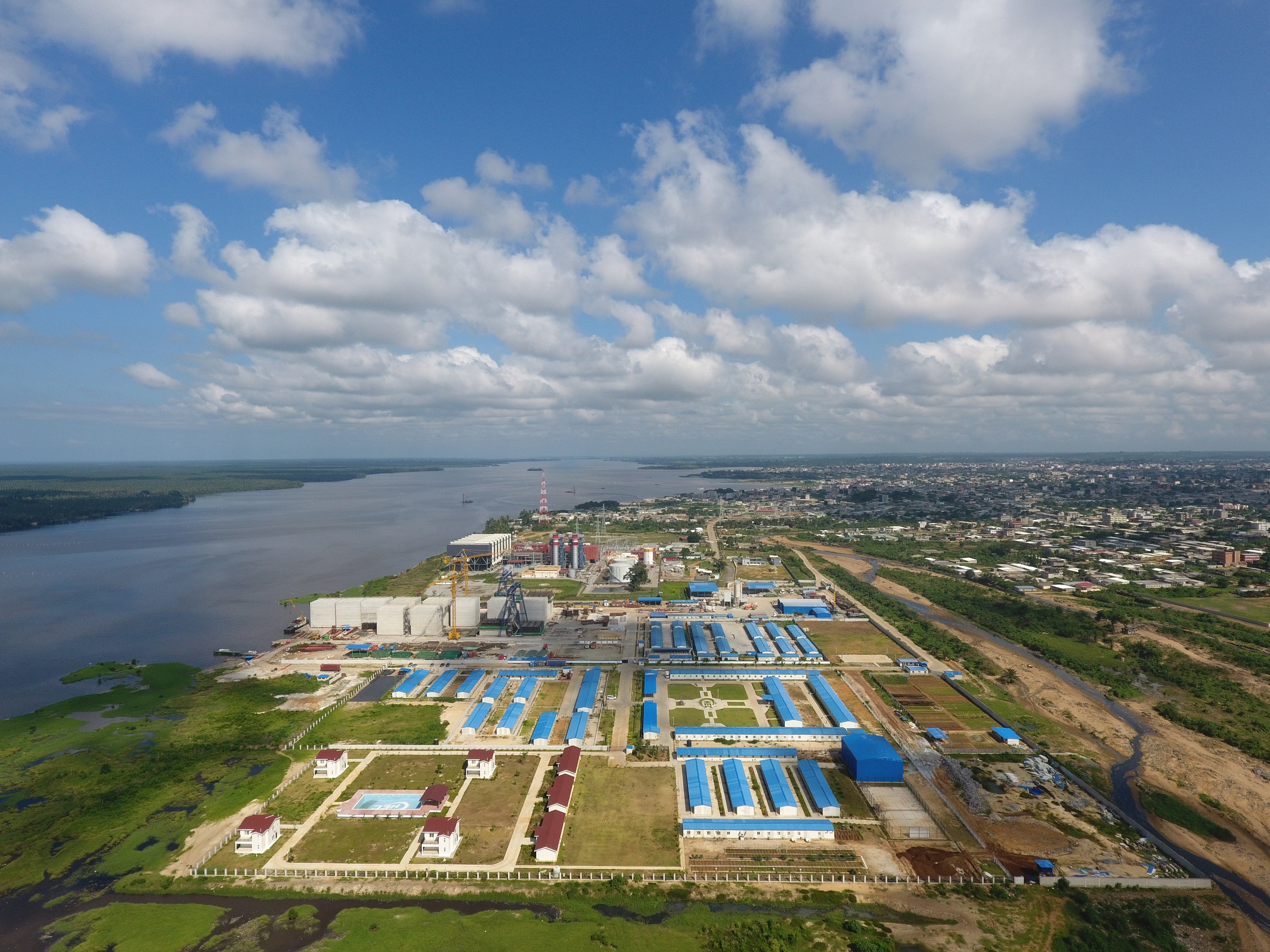
A high-quality modular labor camp is far more than a simple assembly of dormitory units; it is a comprehensive living and management space systematically planned around accommodation, dining, administration, sanitation, safety, recreation, and logistics. For construction projects, a scientifically designed layout with functional zoning directly impacts operational efficiency, the experience of personnel, and long-term management costs.
First, the accommodation area should be situated at an appropriate distance from administrative, dining, sanitary, and recreational zones to ensure convenience while preventing mutual interference between different functional areas. For instance, while dormitory areas require relative quiet, facilities such as canteens, public act
vity areas, and equipment rooms are better suited to relatively independent locations. Clear functional zoning effectively optimizes the flow of personnel, materials, and vehicles, thereby reducing congestion and cross-interference during peak periods.
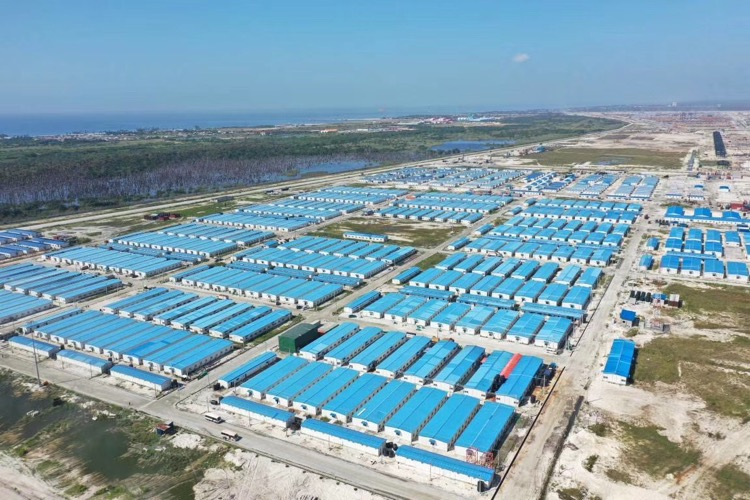
Second, the logic behind camp layout should vary according to the scale of the project. Small-scale projects may benefit from a compact layout to minimize walking distances and land usage, whereas large-scale projects often require a grouped or clustered layout—separately planning accommodation, administration, logistics, and public service zones—to enhance management efficiency and safety.
Furthermore, the camp design should incorporate space for flexible expansion. As many construction projects experience fluctuations in workforce size over different phases, the initial design must account for the possibility of future capacity increases, functional adjustments, or relocation. Given that modular construction excels in flexible configuration, the preliminary layout design must prioritize long-term operational needs rather than merely satisfying immediate requirements.
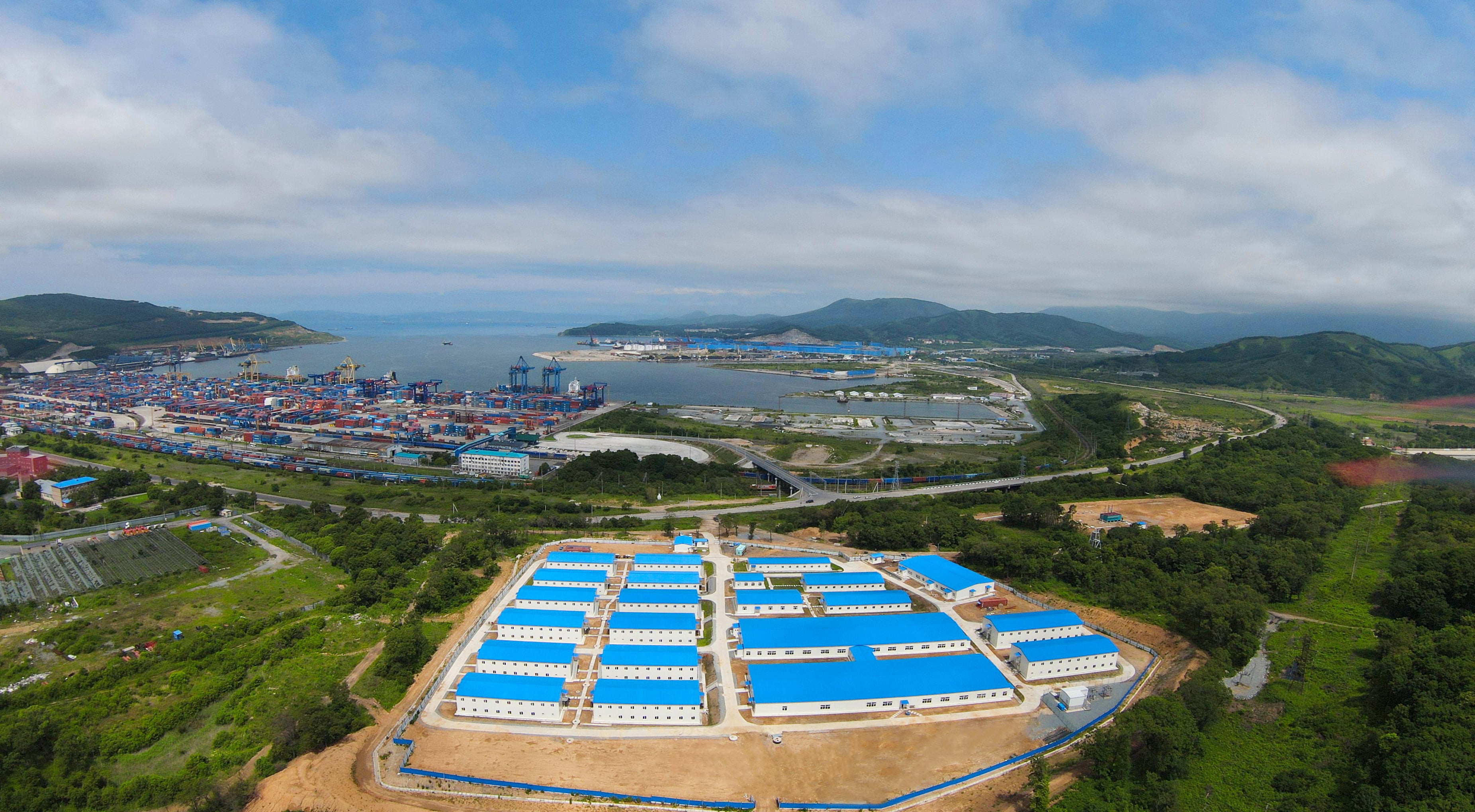
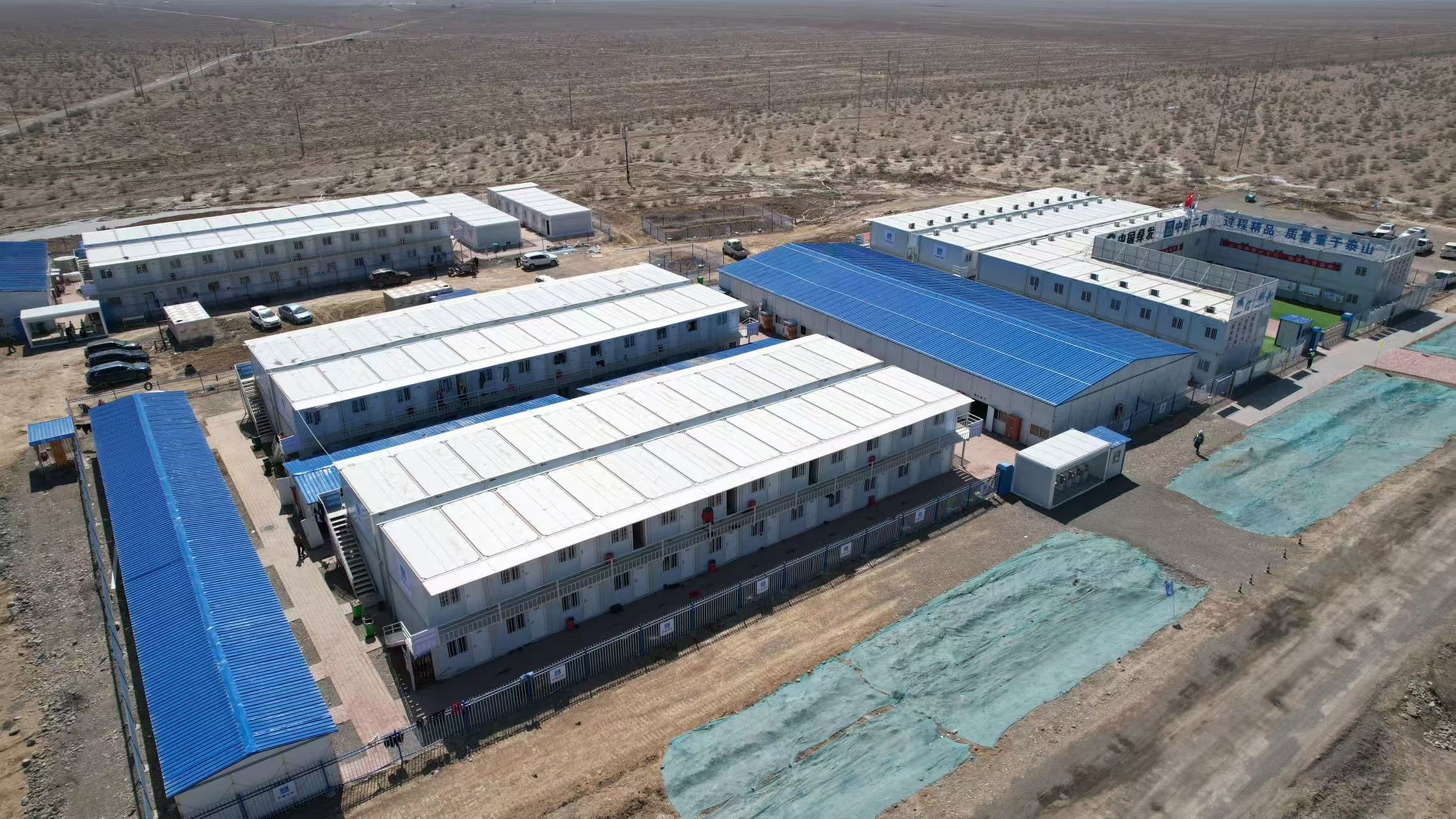
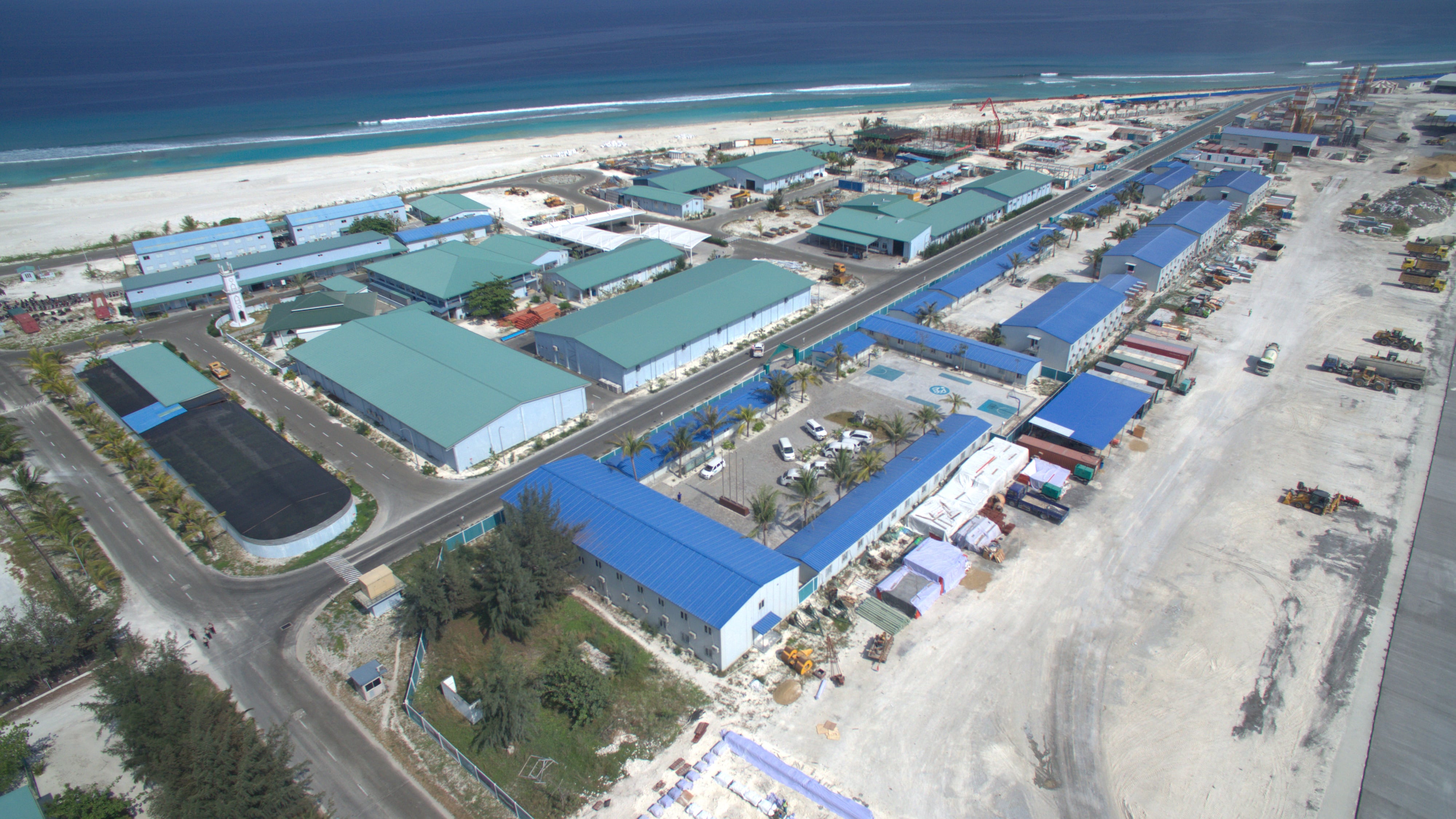
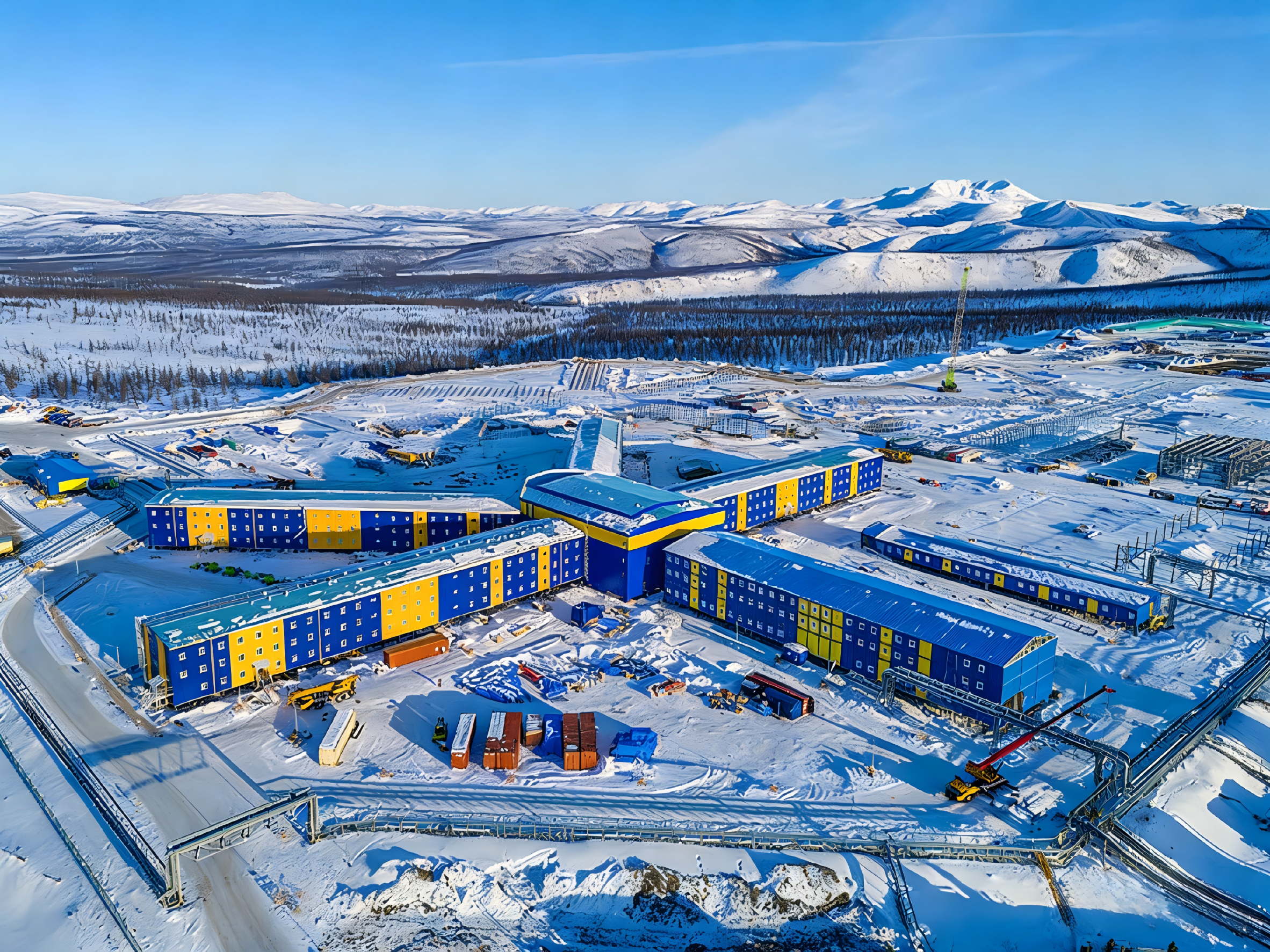
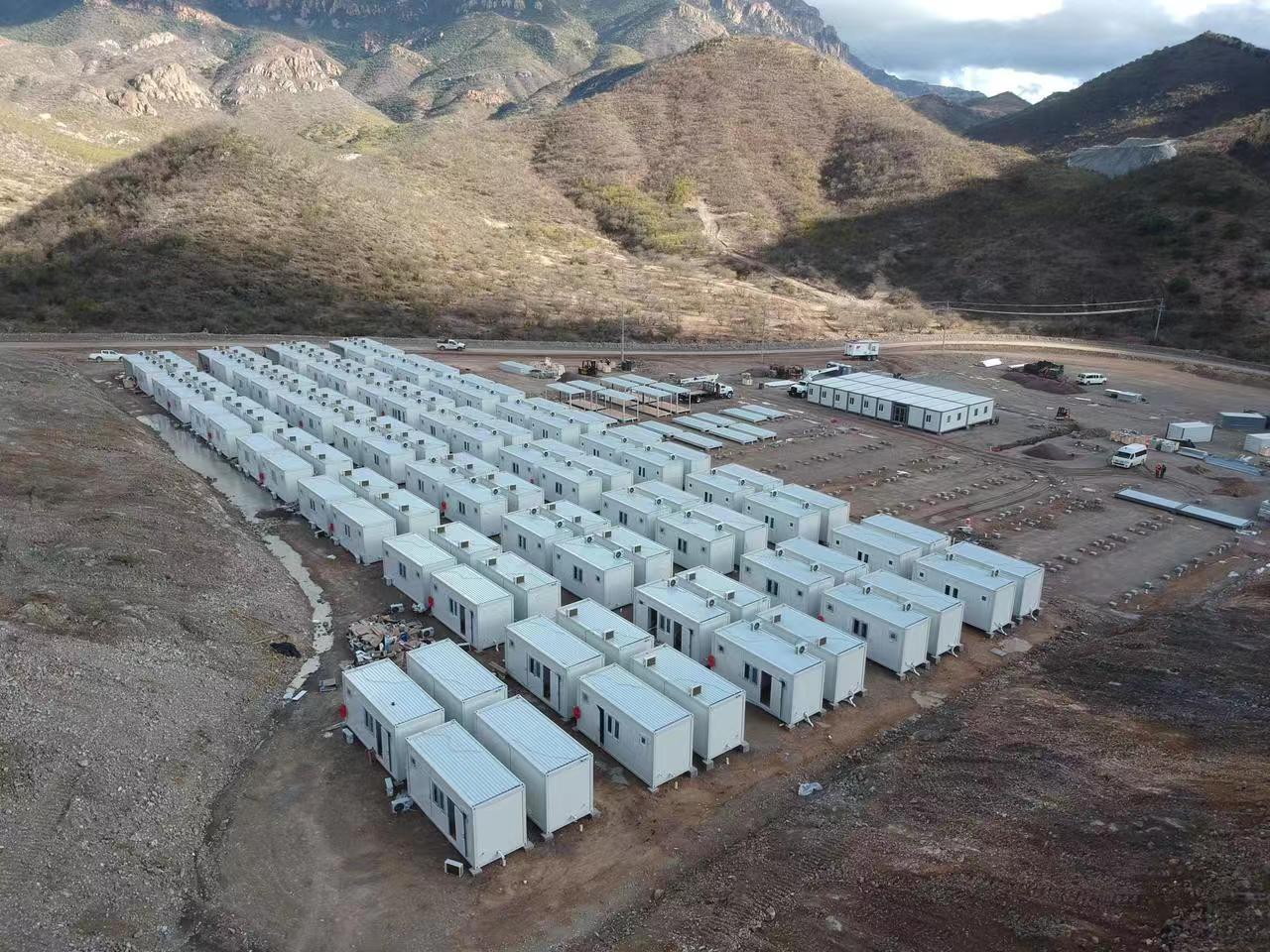
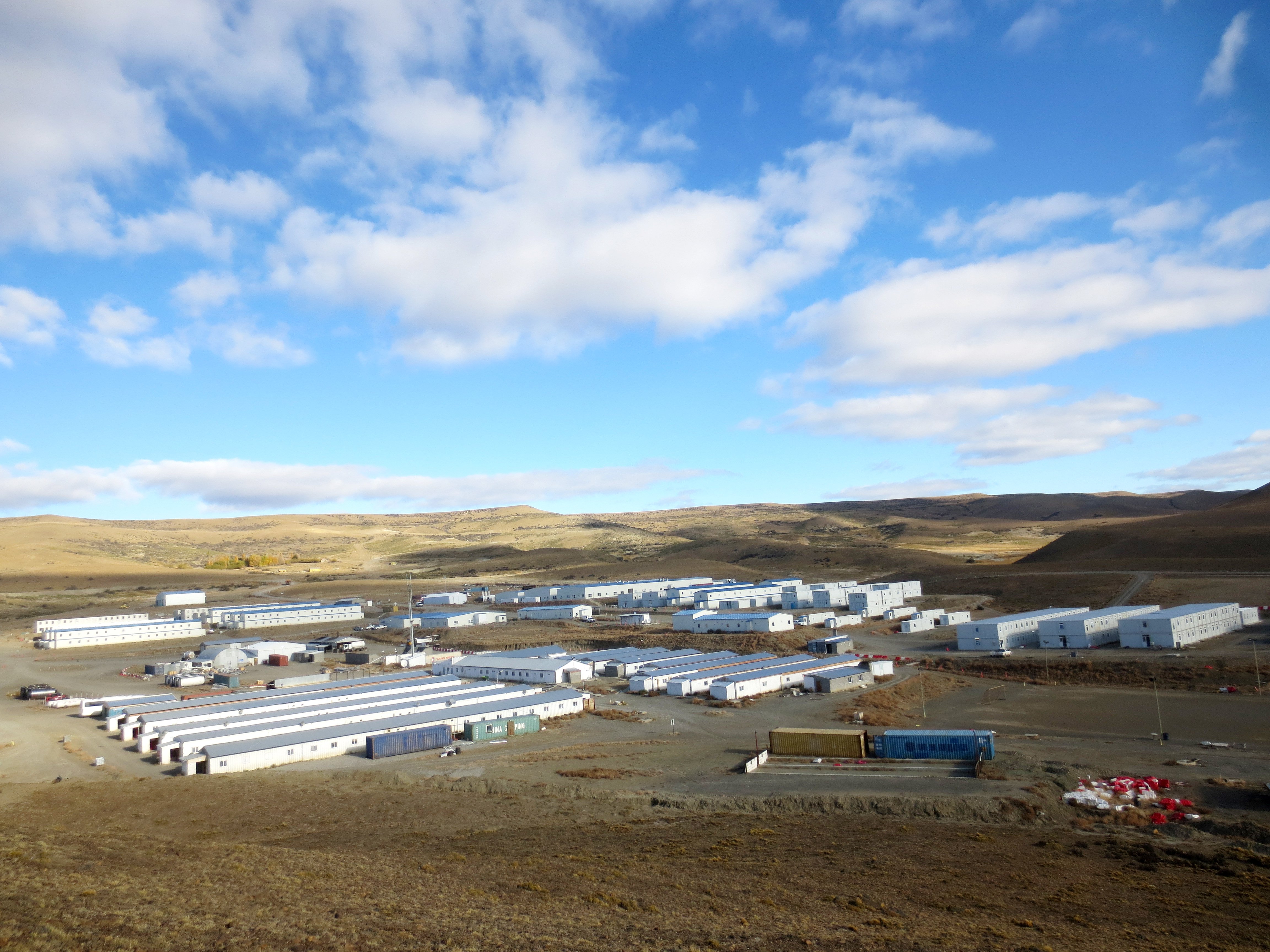
Construction projects are often situated in challenging environments—characterized by extreme heat or cold, high humidity, wind and sand, coastal conditions, or high altitudes—necessitating that modular labor camp housing possess specific climate-adaptive capabilities. Discussing camp specifications without regard for actual climatic conditions often leads to high maintenance costs and poor living experiences, and can even compromise the project's stable operation.(View CDPH solutions for various environments: https://www.cdphhouse.com/scene)
Furthermore, environmental design is not merely about whether a structure is functional; it determines whether the project can operate stably over the long term. A truly professional modular camp solution requires a design tailored to the specific climate zone, altitude, precipitation levels, wind loads, and temperature fluctuations of the project site, rather than the application of a one-size-fits-all template. For clients, this ability to adapt to local conditions is often far more compelling than price alone.
三、Designing in compliance with local standards is a fundamental prerequisite for the project's implementation.
For international engineering projects, the compliance of modular labor camp housing with local standards is often the critical factor determining whether a project can be successfully implemented. While many clients prioritize cost and delivery schedules during the initial selection phase, the project's actual execution hinges on whether the design meets local regulations—including fire safety, structural integrity, sanitation, and habitability standards. These factors are central to securing approvals and ensuring successful delivery.
Requirements regarding temporary camps, staff accommodation, fire evacuation routes, electrical systems, plumbing, sanitary facilities, ventilation, natural lighting, and per-capita floor area vary significantly across countries and regions. Some jurisdictions also mandate specific standards for fire resistance ratings, seismic resilience, wind load capacity, eco-friendly materials, and energy efficiency. For suppliers of modular camps destined for export, the mere ability to manufacture a product does not guarantee successful on-site implementation; the true differentiator is the capacity to adapt designs to local standards.
Therefore, when selecting modular labor camp housing, clients should prioritize suppliers capable of refining designs to meet site-specific requirements. This includes structural verification, layout optimization, fire safety circulation planning, material selection, integration of electrical and plumbing systems, and the provision of necessary drawings and technical documentation. Such capabilities are particularly crucial for large-scale construction, government, and energy-sector projects.
In essence, designing for local compliance is not merely a technical matter; it is a reflection of the supplier's ability to manage project risks. An experienced provider of modular camp solutions helps clients mitigate risks—such as approval hurdles, rework, remedial actions, and delays—at an early stage, thereby ensuring the project proceeds according to schedule.
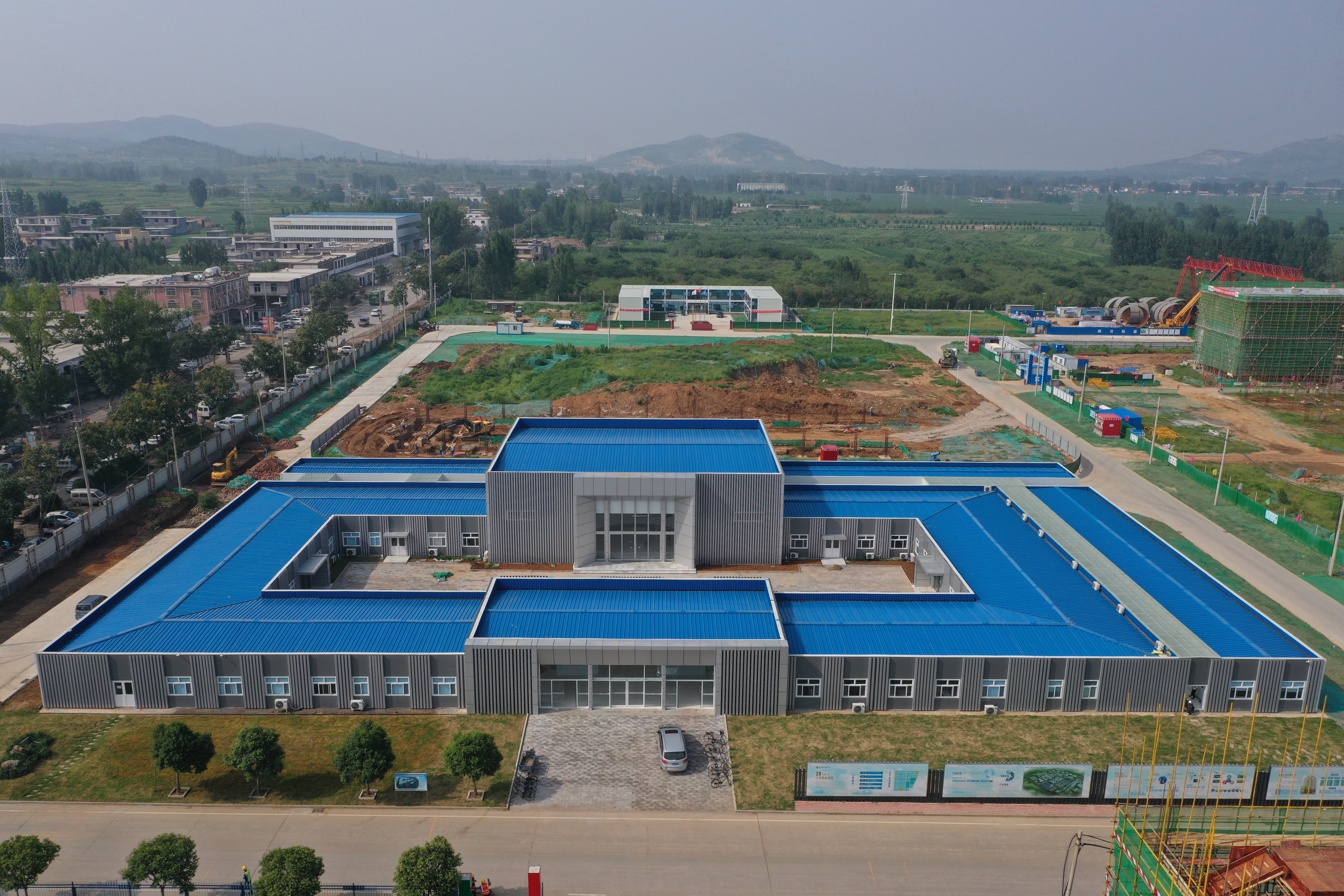
CDPH has successfully executed over 5,000 projects, and its designers possess high-standard capabilities in campsite planning and design(https://www.cdphhouse.com/planning-and-design).
四、Suppliers and integrated delivery capabilities determine the ultimate success or failure of the project.
Selecting modular labor camp housing involves more than just choosing a product; it requires evaluating a supplier's comprehensive delivery capabilities. Construction projects typically operate on strict schedules; delays in camp delivery can disrupt personnel mobilization, project deployment, and the overall construction timeline. Consequently, a supplier's ability to provide integrated delivery—spanning design, manufacturing, and transportation to on-site installation—often determines the project's ultimate success.
First, a supplier must possess robust capabilities for the preliminary planning phase, including needs analysis, camp layout planning, product configuration recommendations, detailed technical drafting, and cost control strategies. Many project failures stem not from product defects, but from incomplete initial planning, which leads to frequent change orders, budget overruns, or installation difficulties on-site.
Second, manufacturing capability is equally critical. Modular camp projects typically comprise various functional modules—such as dormitories, canteens, offices, restrooms, shower facilities, laundry rooms, medical clinics, security posts, and communal areas. Only suppliers with mature factory-based production systems can offer advantages in quality consistency, reliable lead times, and high-volume delivery.
Furthermore, international logistics and on-site installation capabilities are key factors for clients to evaluate. Modular construction entails more than simply shipping products; it requires careful planning regarding container loading, on-site lifting conditions, foundation coordination, installation management, utility connections, and final commissioning. If a supplier offers only the product itself without logistics and on-site support, the client is often forced to coordinate multiple service providers, thereby increasing project complexity and execution risk.
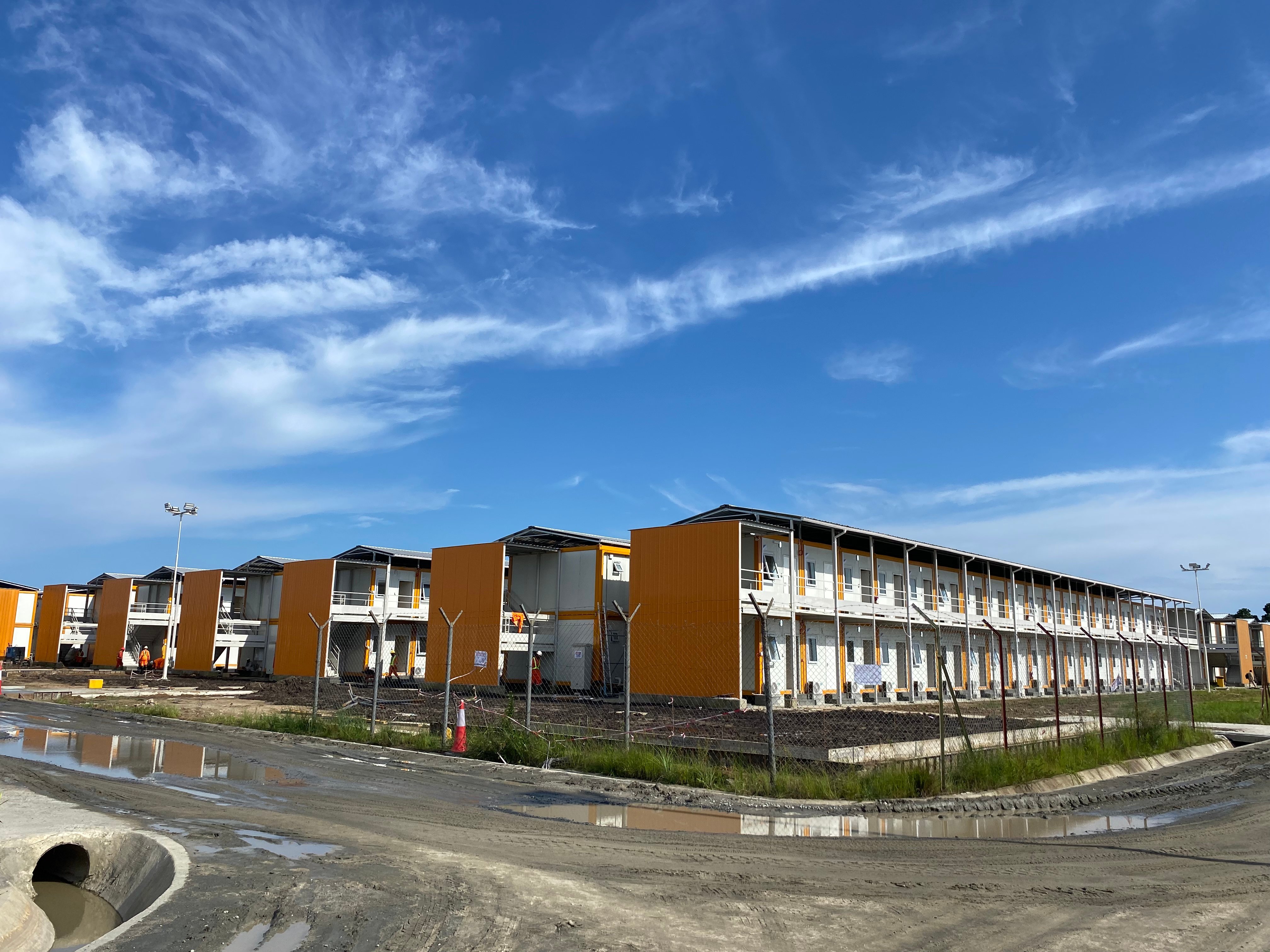
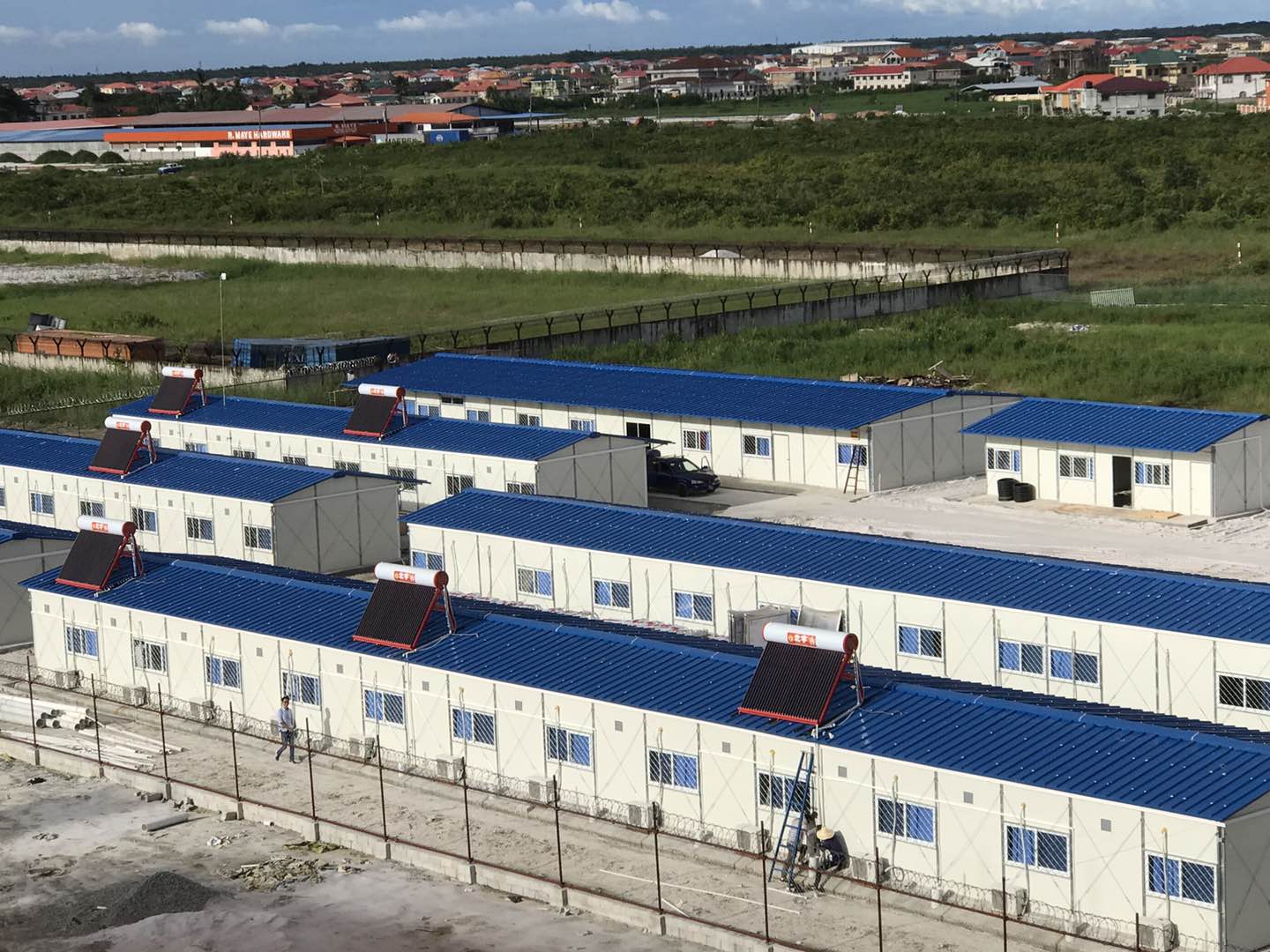
Truly competitive suppliers offer integrated delivery capabilities that encompass consulting, design, manufacturing, logistics, installation, and after-sales service. This service model not only shortens project timelines but also reduces cross-team communication costs and enhances execution efficiency. For the client, this translates to clearer lines of responsibility, more reliable delivery outcomes, and reduced overall risk.(Project Case Studies:https://www.cdphhouse.com/projects)
Conclusion:
Selecting the right modular labor camp housing requires shifting the focus from "product procurement" to "project solutions."
For modern construction projects, modular labor camp housing is no longer merely a set of temporary facilities; it is a vital support system ensuring the smooth progress of the project. An appropriate solution must address the camp's overall functional layout, adaptability to the local climate and environment, compliance with local standards, and the supplier's integrated delivery capabilities.
Only by adopting a full project lifecycle perspective can enterprises truly select a modular camp solution that meets their specific engineering needs. Rather than focusing solely on price, an increasing number of professional clients are prioritizing planning expertise, regulatory compliance, delivery capabilities, and long-term operational value.