EN
EN

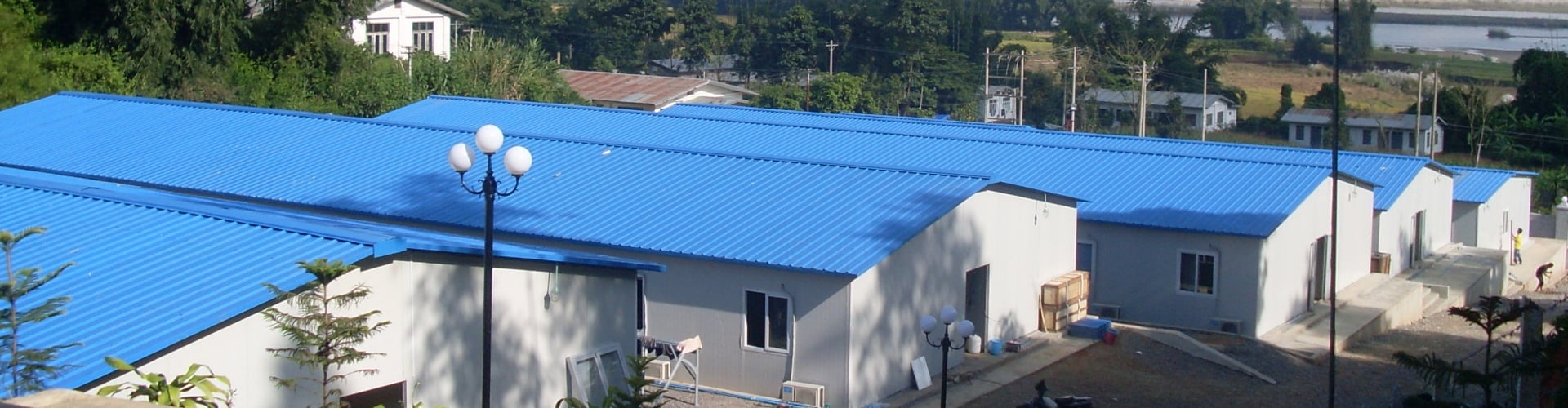
How to Choose Modular Housing in the Energy and Mining Industry: Practical Selection Logic from "Living Space" to "Withstanding Working Conditions"
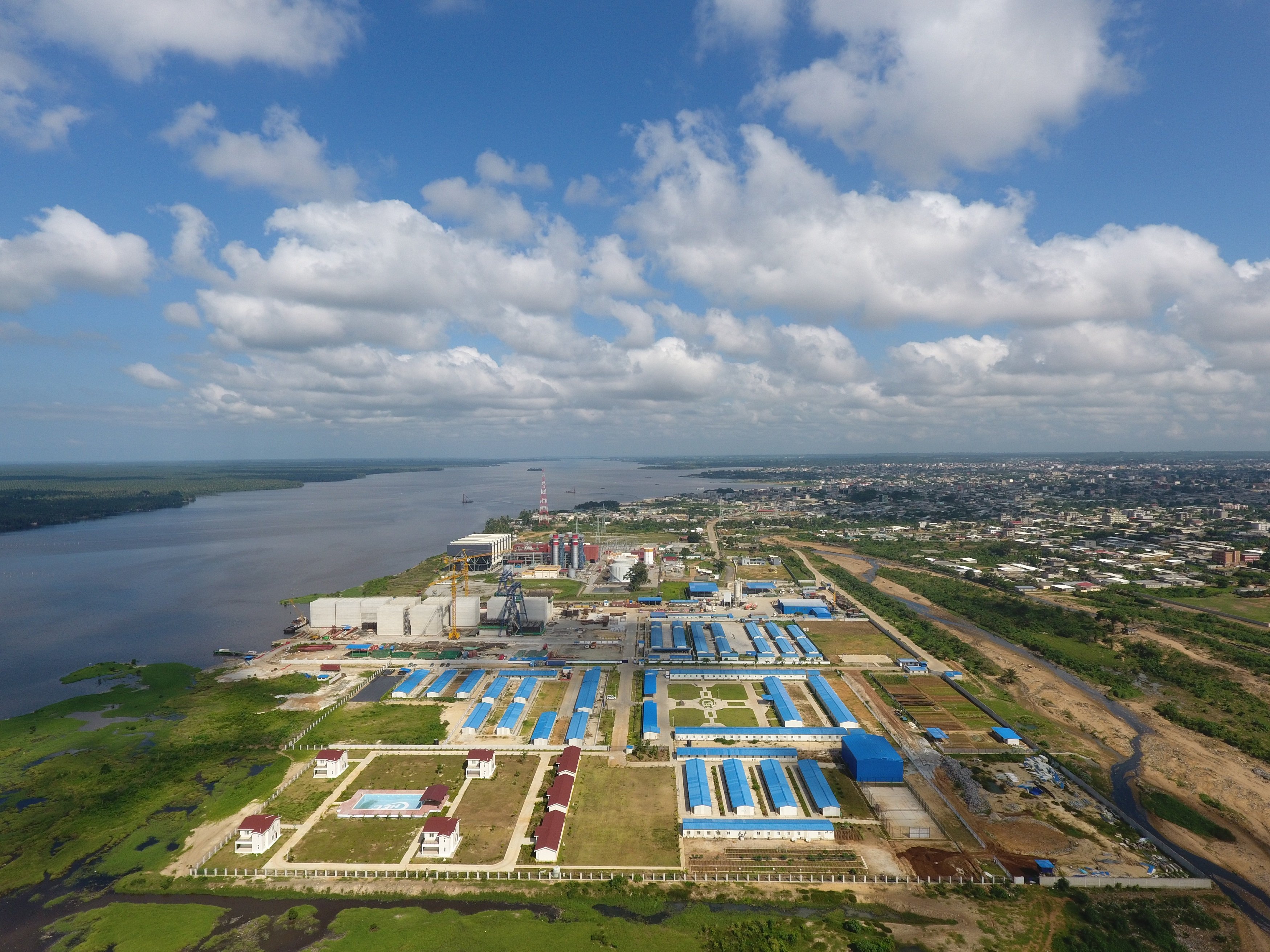
In oil and gas fields, open-pit coal mines, metal ore mining and beneficiation, shale gas well sites, and high-altitude wind and solar power projects, modular housing is no longer synonymous with "temporary sheds." Instead, it's a core component directly impacting initial mining time, HSE compliance, personnel retention rates, and cross-project asset reuse rates. The common pain points in energy and mining scenarios are very acute: remoteness without internet access, extreme temperature differences, wind, sand, and salt spray, well site explosion protection, mine vibration disturbances, and frequent site relocation. Ordinary prefabricated modular housing often cannot withstand even a dry season in these environments. The following four steps will clarify this: "Selection Mainline → Scenario Segmentation → Technical Bottom Line → Key Points to Avoid Pitfalls."
一. Preferred housing types for the energy and mining industries: primarily prefabricated houses and container houses, supplemented by collapsible containers.
The mainstream conclusion in the industry is clear: for long-term deployment (≥1 year), choose prefabricated assembled houses or welded container houses; for short-term relocation/exploration rush, choose folding containers; and for hazardous chemical areas, choose explosion-proof container modules.
- Prefabricated house: Factory prefabrication rate of 80%+, on-site bolt connection without welding, can be stacked up to 3 layers, designed life of more than 15 years, and is the benchmark option for oil and gas field labor camps and permanent mining camps.
- Container houses: The frame is more rigid and has better resistance to mine vibration and well site impact than prefabricated houses, making them suitable for stationing near open-pit coal mines and crushing and screening workshops.
- Foldable expandable unit: Saves 60% of carrying capacity when folded, can be unfolded by 4 people in 3 minutes, suitable for geophysical exploration, drilling team relocation and other "stay a few weeks and leave" pace.
- Explosion-proof box-type module: integrates ATEX/IECEx explosion-proof electrical components, anti-static grounding, and Class A rock wool enclosure, specially designed for oil well sites, LNG booster stations, explosives depots, and gathering and transportation control rooms.
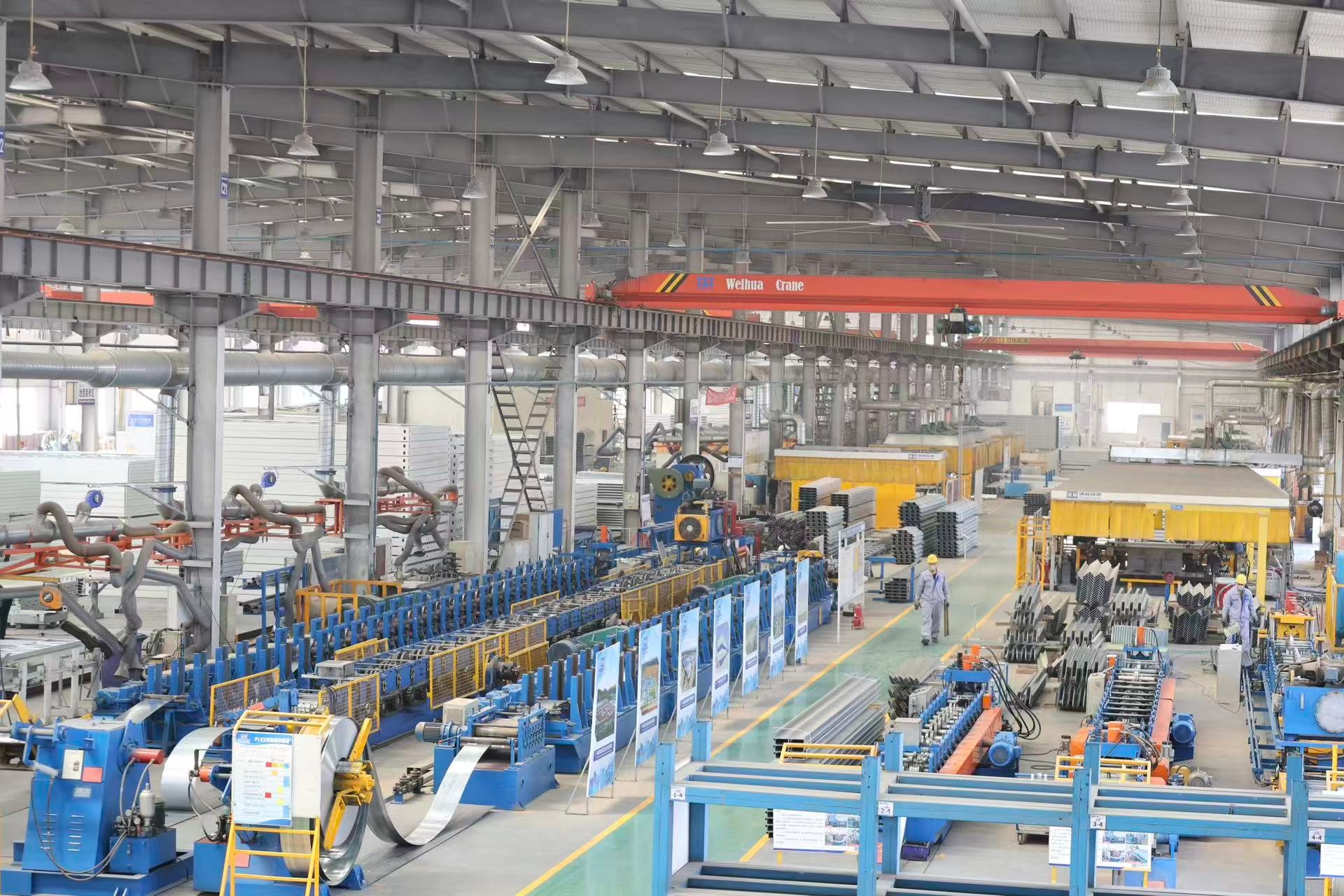
(For more details, please visit CDPH's prefabricated houses: https://www.cdphhouse.com/products. CDPH has nearly 30 years of experience, manufactures in its own factory, and strictly controls quality.)
二.Customization for different environments: The same house cannot be used in both desert and polar regions at the same time.
-
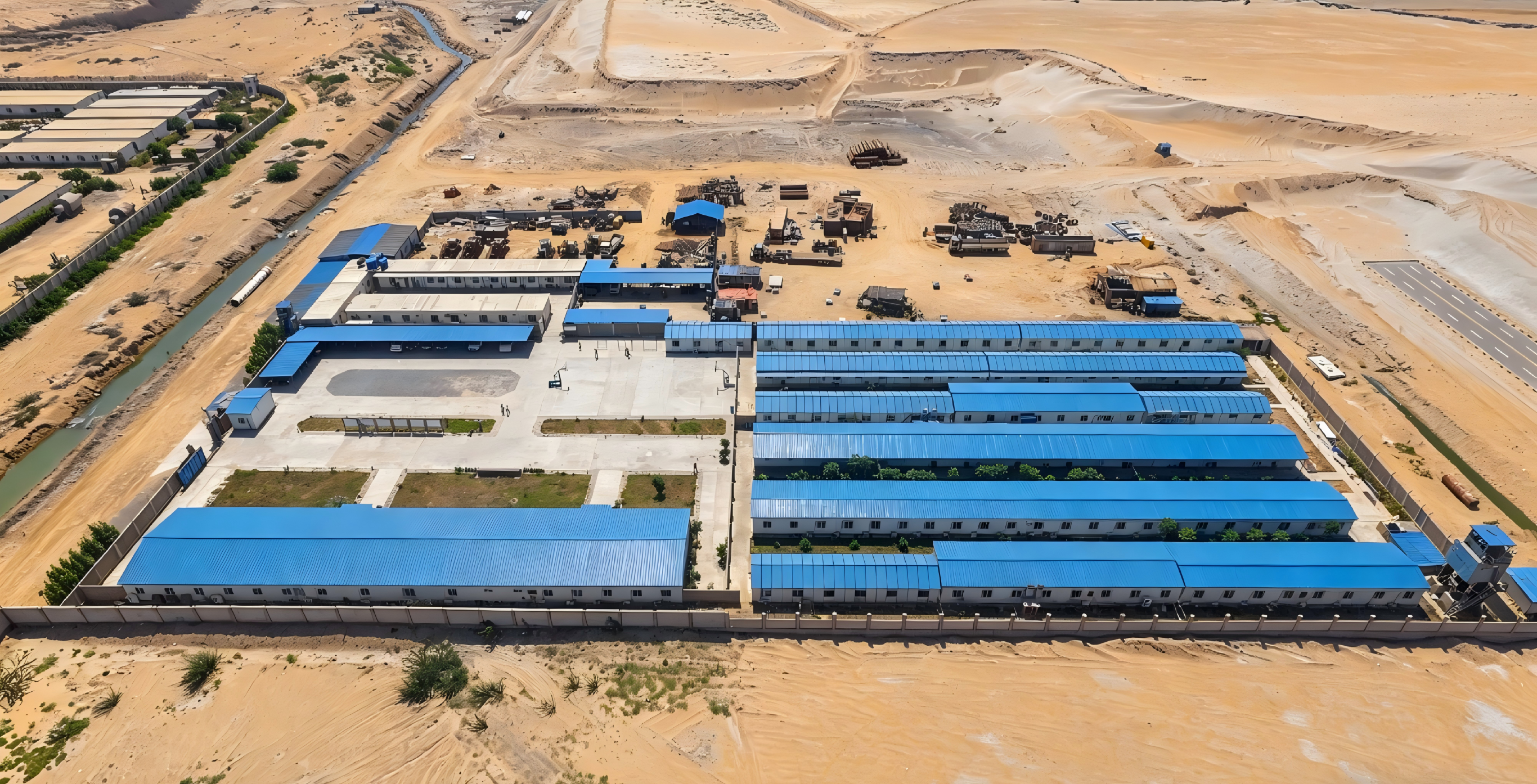
Middle East/Northwest Desert Oil Fields and Gobi Mineral Resources – “Desert Environment Modular Housing”
Core Issue:
50℃ high temperature + level 11 sandstorm. Selection Criteria:
Heat transfer coefficient K ≤ 0.36 W/(㎡·K), rock wool core 75–100mm minimum;
Special sandproof wall panels + EPDM sealing strips, sand and abrasion resistant for doors and windows;
Hot-dip galvanized steel frame + C5-M anti-corrosion coating, resistant to salt spray and alkaline dust;
Case Studies: "Desert Box" used in UAE oilfield labor camps and Iraq's Rumaila MQ camp, maintaining a stable indoor-outdoor temperature difference of over 15℃.(https://www.cdphhouse.com/modular-solutions-for-desert-environments)
-
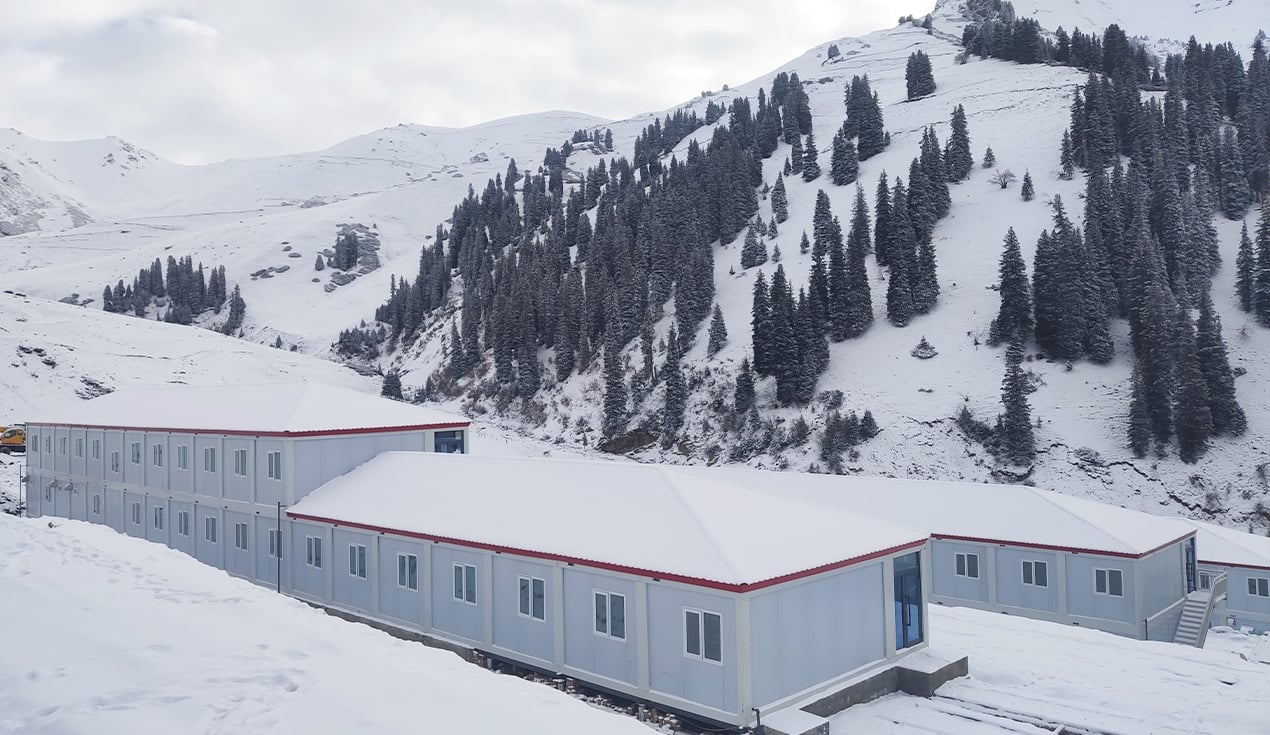
Extremely cold regions like Russia – Cold-resistant modular housing
Core Issue:
Double-layer insulation + pre-installed underfloor heating, achieving a K-value of 0.25 W/(㎡·K);
Suitable for temperatures ranging from -40℃ to -50℃, such as the Russian Arctic natural gas project and the 4200m altitude photovoltaic-mining base in Qingnan, China;
High-altitude models require a reserved interface for an oxygen production station and an ultraviolet weather-resistant coating.(https://www.cdphhouse.com/modular-solutions-for-extreme-cold-environments)
-
Coastal oil and gas, Indonesian nickel ore – C5-M marine-grade corrosion protection
Core Issue:
Ordinary paint cannot be used in salt spray areas; hot-dip galvanizing + marine-grade epoxy paint is required.
Floor live load ≥ 2.0 kN/㎡, wind resistance starting from 120 km/h.
Floor support height ≥ 300mm for splash protection.(https://www.cdphhouse.com/modular-solutions-for-highly-corrosive-environments-in-temperate-and-tropical-coastal-regions)
三.Technical Standards for Modular Energy and Mining Housing (7 Items to be Checked During Procurement)
- Structure: Q355B galvanized steel frame, wind resistance ≥120 km/h, earthquake resistance level 8, snow load ≥0.5 kN/㎡, floor live load ≥2.0 kN/㎡.
- Thermal Performance: Rock wool, Class A non-combustible, K-value 0.3–0.8 W/(㎡·K), polar type ≤0.25.
- Corrosion Resistance: C4 inland mine, C5-M coastal/saline-alkali, coating system with third-party salt spray report.
- Fire Protection: Equipped with fire-resistant components, independent fireproof separation between kitchen and electrical room, and lightning protection grounding.
- Plug-and-Play Electromechanical System: Factory pre-installed with HVAC, explosion-proof lights, IP-rated sockets, and photovoltaic access points; only external connection is required on-site.
- Sound insulation performance: Reduces noise interference from mining machinery and improves employee accommodation satisfaction.
- Compliance documents: Structural calculation sheet + CE certification reports and 100% factory inspection records.
(CDPH has experience with over 5000 projects globally, with extensive expertise in the mining and energy sectors. https://www.cdphhouse.com/projects.)
CDPH's camp designs are flexible enough to meet both short-term mission needs and long-term deployment requirements. We ensure that camps are scalable to meet growing demand while maintaining high levels of operational efficiency.