EN
EN

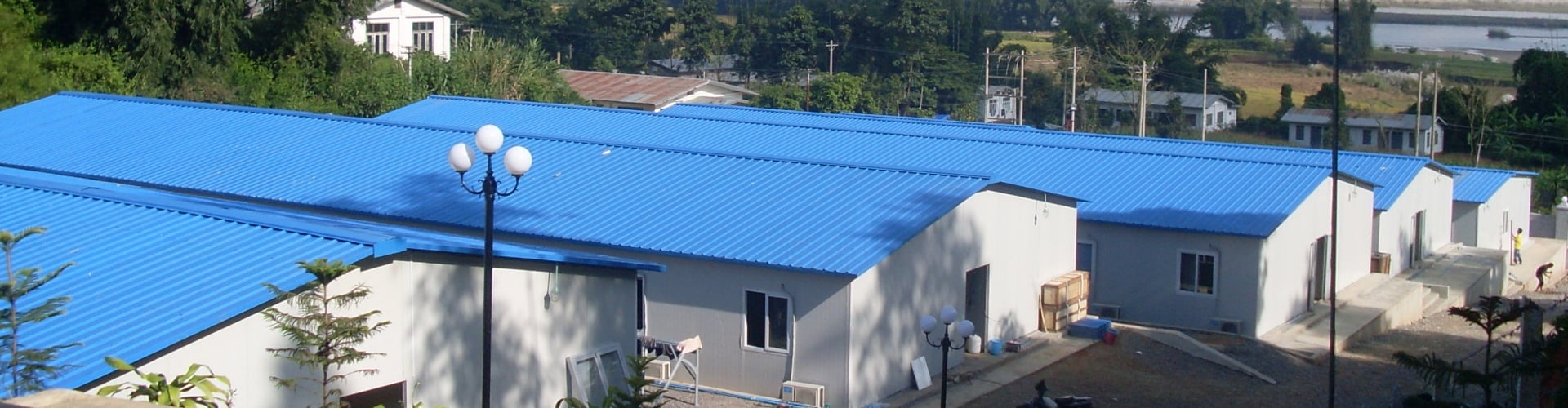
Why Global Companies Choose CDPH (Hainan) to Deliver Accommodation in Remote Areas?
For mining, oil and gas, energy, and infrastructure projects, remote area accommodation is about much more than simply building a few dormitories. A successful remote camp must support workforce living, project management, office operations, logistics, and long-term site performance at the same time. For global companies, the real need is not just for buildings, but for a complete solution that can be deployed quickly, scaled flexibly, and adapted to harsh environments.
That is why more and more international companies choose CDPH (Hainan). With extensive experience in engineering camp construction, CDPH (Hainan) provides integrated solutions covering planning, design, manufacturing, transportation, and on-site installation, helping clients establish safe, comfortable, and efficient living and working environments in remote locations.
What Is Remote Area Accommodation Service?
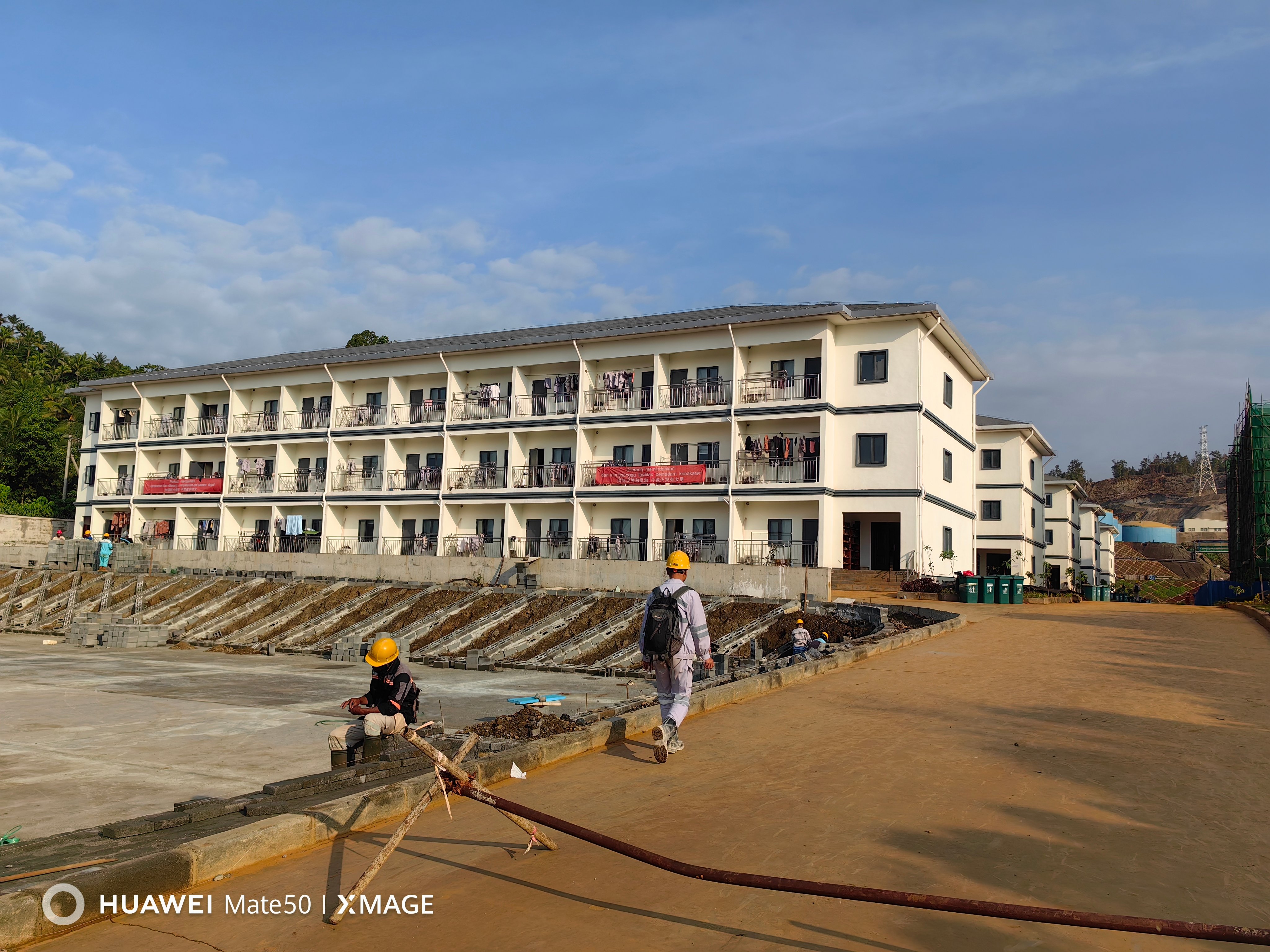
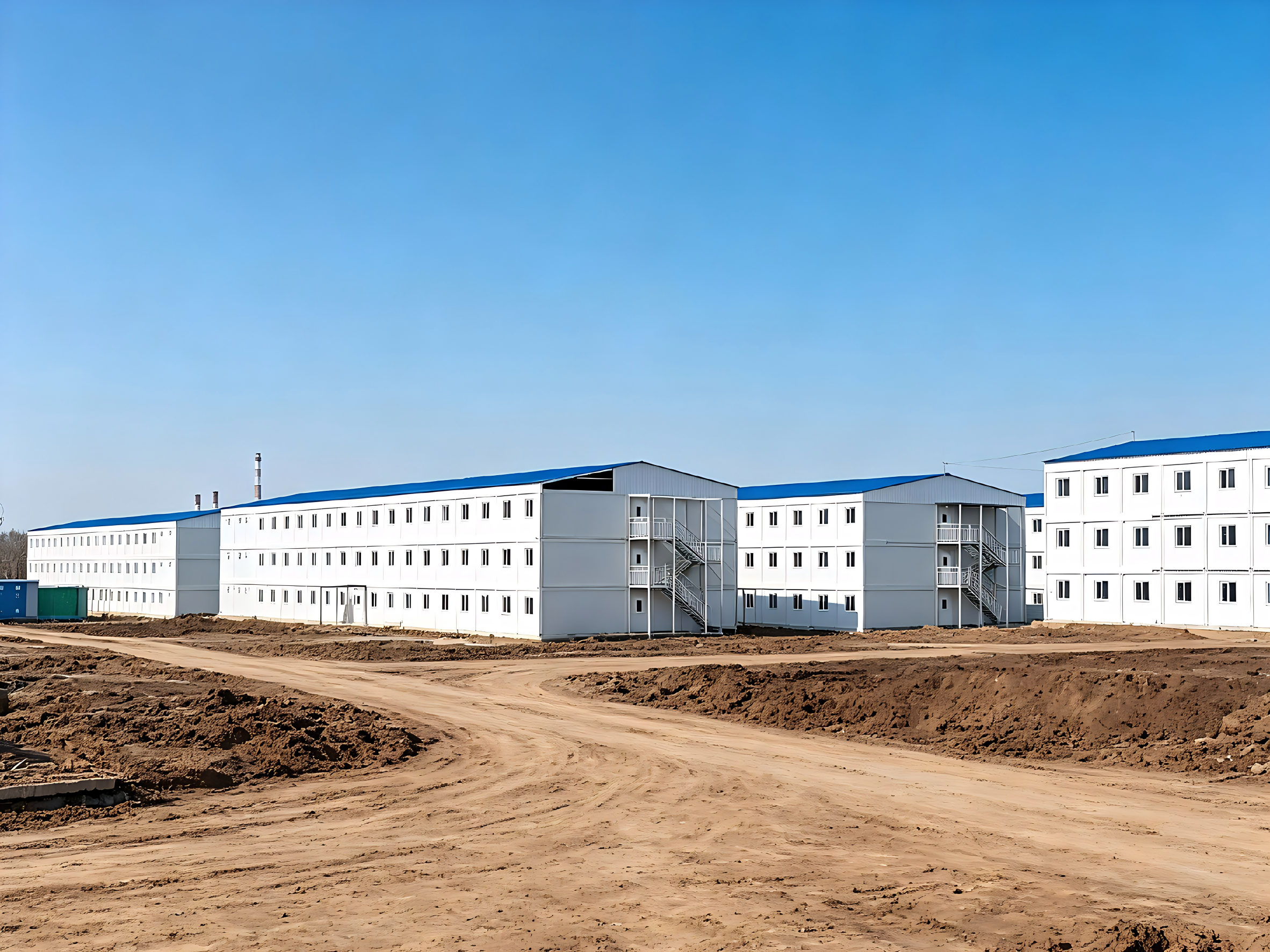
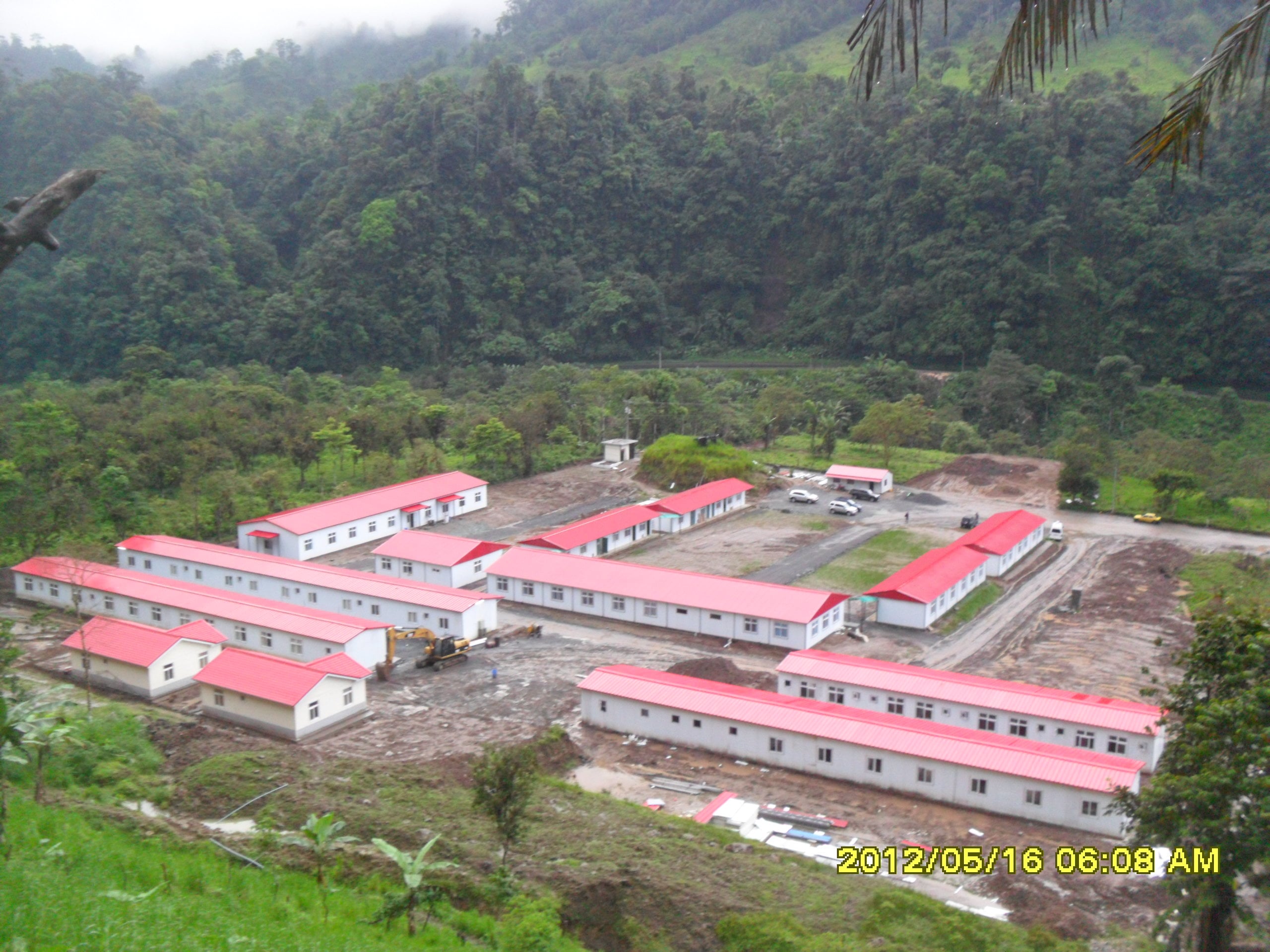
Remote area accommodation service is not limited to worker housing alone. It is a comprehensive planning and design solution built around living space, work space, and supporting facilities. Depending on the size, duration, and operational needs of a project, CDPH (Hainan) can develop a complete camp solution that supports both project efficiency and workforce wellbeing.
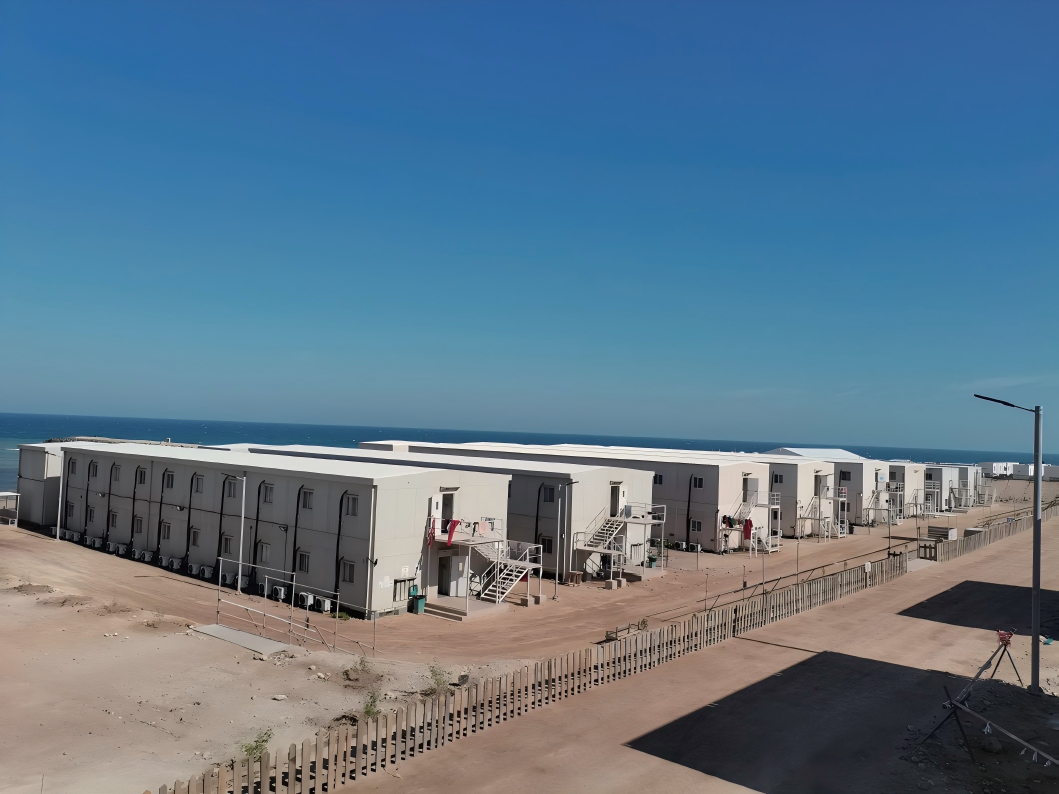
On the accommodation side, the solution can include employee dormitories, management housing, single rooms, double rooms, and multi-bed units, all configured according to different staffing structures and comfort requirements. For long-term remote projects, the focus is not only on capacity, but also on privacy, convenience, and quality of life for the people living on site.
On the operations side, CDPH (Hainan) can also plan and deliver project offices, engineering offices, meeting rooms, training rooms, control rooms, duty rooms, and IT and communication facilities, ensuring that the camp supports not only accommodation but also efficient day-to-day project management. For larger projects, the layout can be expanded to include security systems, equipment rooms, and additional operational infrastructure.
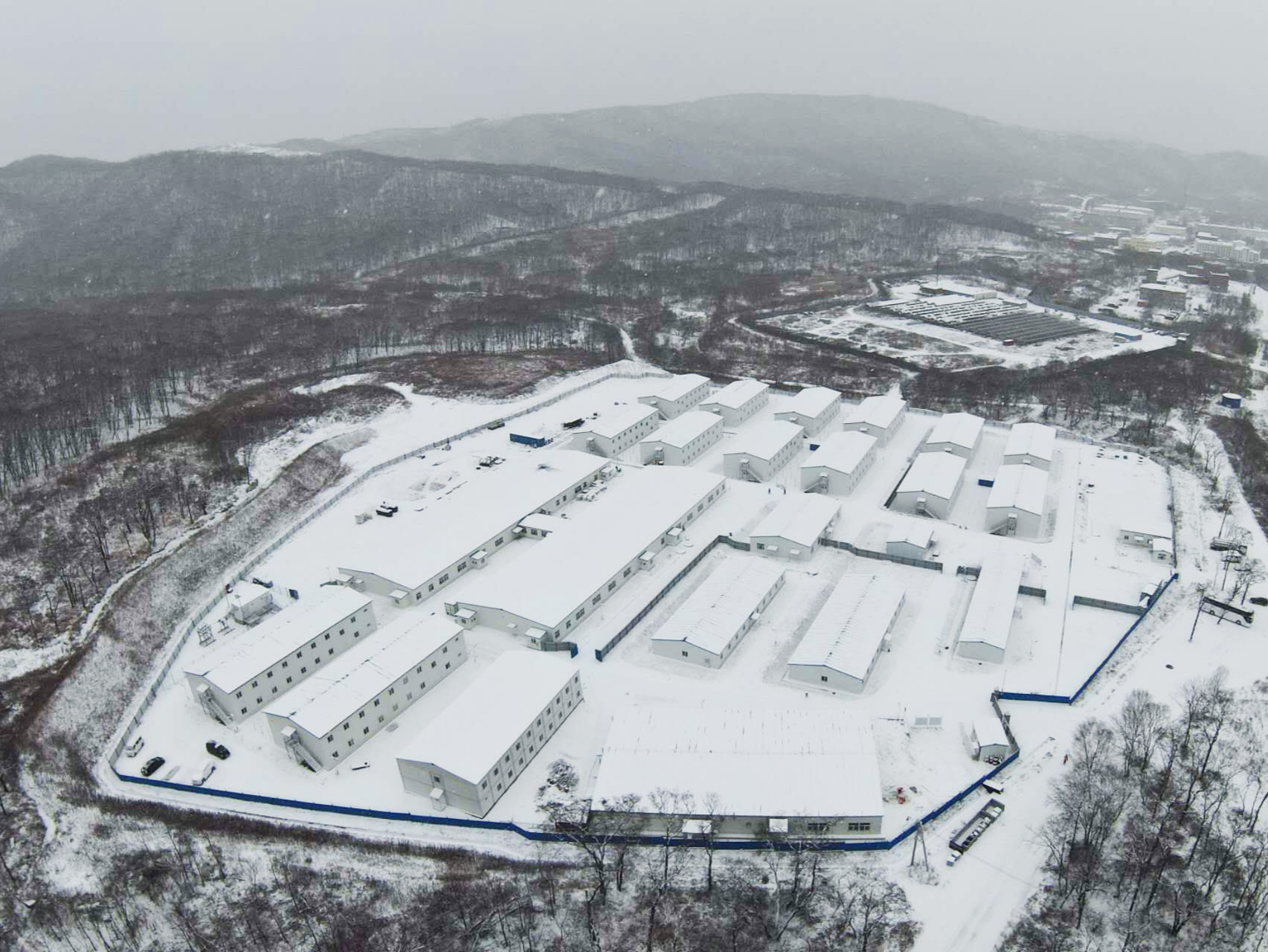
In addition, a complete remote camp often includes dining halls, kitchens, sanitary and shower facilities, laundries, medical rooms, recreation areas, convenience stores, storage buildings, and other public service spaces. In practice, this means a remote accommodation solution functions as a self-contained mini-community rather than a group of isolated buildings.
What Are the Advantages of Choosing CDPH?
Integrated Camp Solutions from Planning to Delivery
One of the biggest challenges in remote projects is not finding a building supplier, but finding a partner that can coordinate the entire camp. CDPH (Hainan) provides more than individual housing units. Its capabilities extend across master planning, zoning, engineering design, modular manufacturing, international logistics, and on-site installation. This integrated approach reduces coordination complexity, shortens decision cycles, and helps clients move projects forward with greater confidence.
Fast Deployment for Faster Project Start-Up
In many remote projects, the camp must be operational before the main construction work can begin. Without functioning accommodation and support facilities, labor and equipment cannot be mobilized efficiently. CDPH (Hainan) uses modular and prefabricated construction methods, allowing factory production and site preparation to take place in parallel. This significantly shortens the overall schedule and makes the solution especially suitable for remote areas with limited access, tight timelines, or challenging weather conditions.
Flexible Expansion Throughout the Project Lifecycle
Remote projects often change over time. During the early phase, the site may require basic accommodation and temporary office space. As the project grows, additional dormitories, dining facilities, storage units, and public service areas may be needed. Because CDPH (Hainan) uses modular systems, camps can be expanded, adjusted, or reconfigured according to the project stage, helping companies manage resources more efficiently and avoid unnecessary fixed investment.
Adaptability to Harsh and Complex Environments
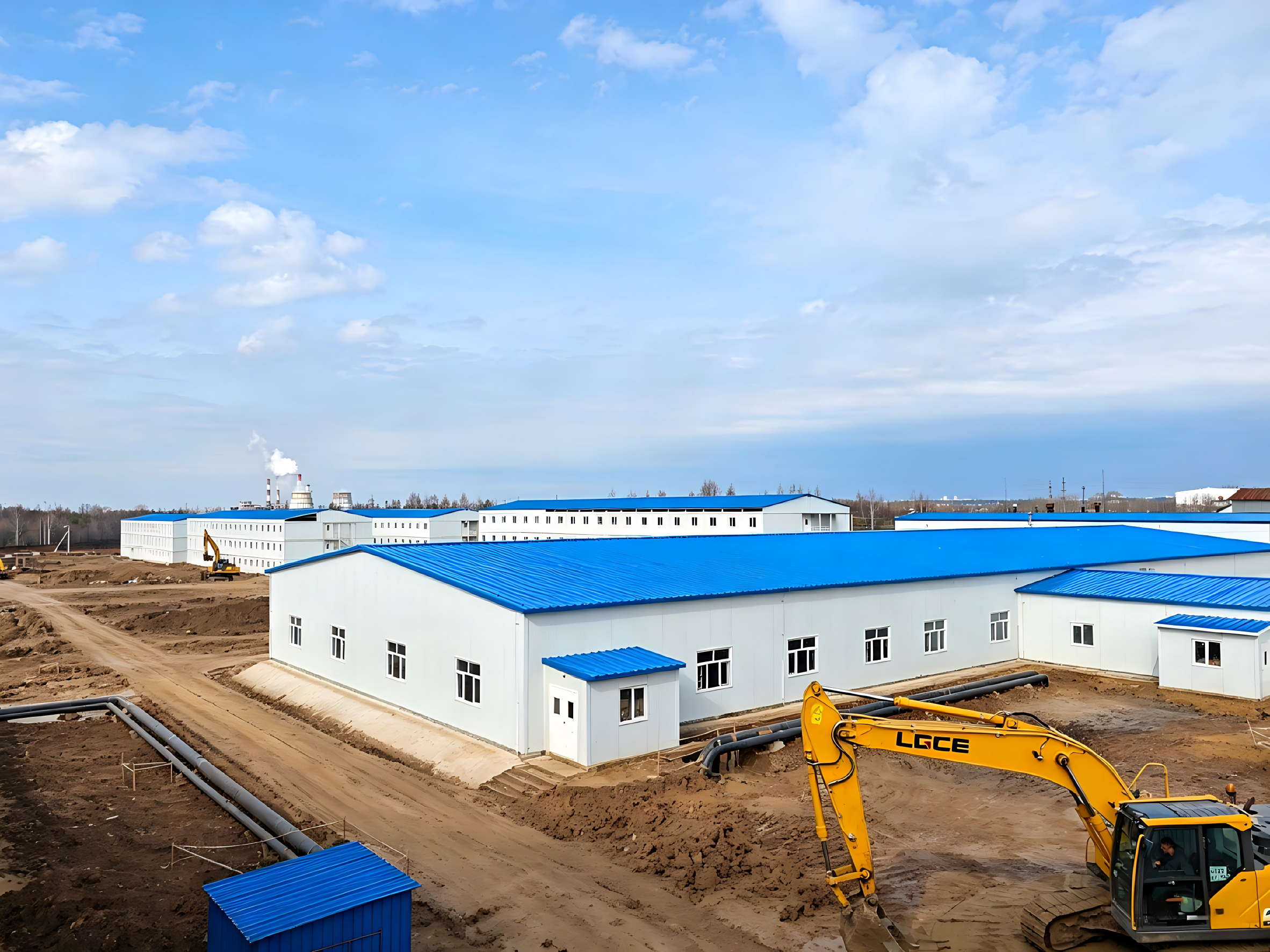
Remote camps are often located in deserts, Gobi regions, high-altitude areas, cold climates, coastal zones, or other demanding environments. In such conditions, building performance directly affects safety, comfort, and long-term operating cost. CDPH (Hainan) develops solutions with targeted considerations such as thermal insulation, wind resistance, seismic performance, fire protection, and corrosion resistance, allowing the camp to remain reliable under a wide range of climate and site conditions.
Strong Focus on Safety, Quality, and Long-Term Value
For workforce camps that may house hundreds or even thousands of people, safety is not optional. CDPH (Hainan) emphasizes fire safety, structural reliability, and quality control in its product and solution design. Its published materials highlight the use of tested rock wool sandwich panels, fire-rated wall systems, and internationally compliant manufacturing and inspection practices. For clients, this means better protection for personnel, improved project continuity, and reduced operational risk over the full life of the camp.
Global Delivery Experience
For international companies, product quality alone is not enough. Execution capability across borders is equally important. According to its official company information, CDPH (Hainan) has delivered projects in more than 100 countries and completed over 4,000 large-scale projects, supported by a global business network and production bases. This international experience helps the company better understand the practical challenges of standards compliance, delivery coordination, transportation, and on-site execution in overseas and remote project environments.
Which Industries Use Remote Area Accommodation Solutions?
CDPH (Hainan)’s remote accommodation solutions are widely used in industries that need to establish living and working facilities quickly outside urban centers.
The mining industry is one of the most important application sectors. Mining projects are often located in isolated and environmentally demanding areas, where camps must support workforce accommodation, operational management, equipment maintenance, and daily logistics in one integrated system.
Oil and gas projects are another major application area. Exploration, extraction, and field development work typically require long-term workforce presence in remote sites. These projects need much more than sleeping quarters. They often require offices, control rooms, kitchens, sanitation facilities, security systems, and clearly planned public spaces to support continuous operations.
The energy sector, including both conventional power projects and renewable energy developments, also relies heavily on remote accommodation infrastructure. Whether supporting a power plant construction site or a wind or solar installation project, companies need fast, durable, and scalable camp solutions that can support teams over extended periods.
Infrastructure and construction projects are equally important. Roads, railways, bridges, ports, municipal works, and large industrial developments often require temporary or semi-permanent camps close to the job site in order to support construction management, field offices, and workforce living.
Beyond these sectors, CDPH (Hainan)’s solutions can also be used for industrial compounds, emergency response accommodation, and other project scenarios where a self-sustaining, rapidly deployable camp is required. For any company that needs a remote site to be livable, manageable, and operationally efficient, integrated accommodation solutions provide clear strategic value.
Conclusion
Global companies choose CDPH (Hainan) not simply because it supplies buildings, but because it delivers a more complete way of thinking about remote camp development. From employee dormitories and management housing to offices, dining facilities, and public service areas, CDPH (Hainan) helps clients create practical, comfortable, and durable environments that support both people and projects.
With integrated planning, modular delivery, and solutions designed for demanding environments, CDPH (Hainan) enables companies to establish living and working spaces in remote areas more efficiently and with greater confidence. For businesses that value speed, safety, flexibility, and long-term performance, that is exactly what a modern remote accommodation partner should provide.