EN
EN

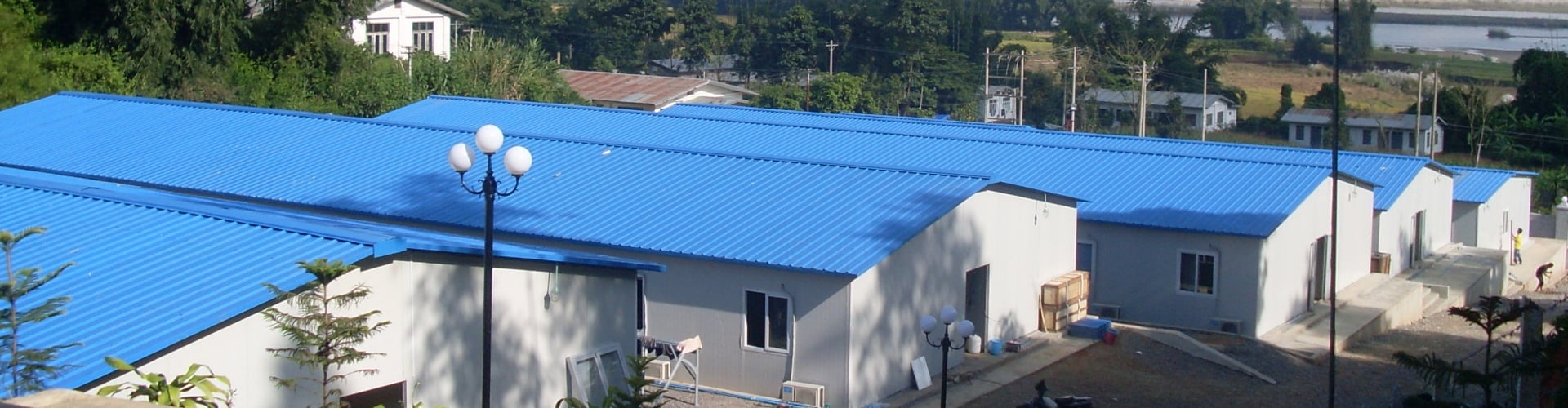
How to Build Employee Dormitories for Industrial Sites — and Why More Factories Are Choosing Prefabricated Housing
50% faster construction, 10–20% lower total costs, and move-in ready upon delivery — prefabricated housing is fast becoming the go-to solution for workforce accommodation across mining, energy, and industrial sectors.
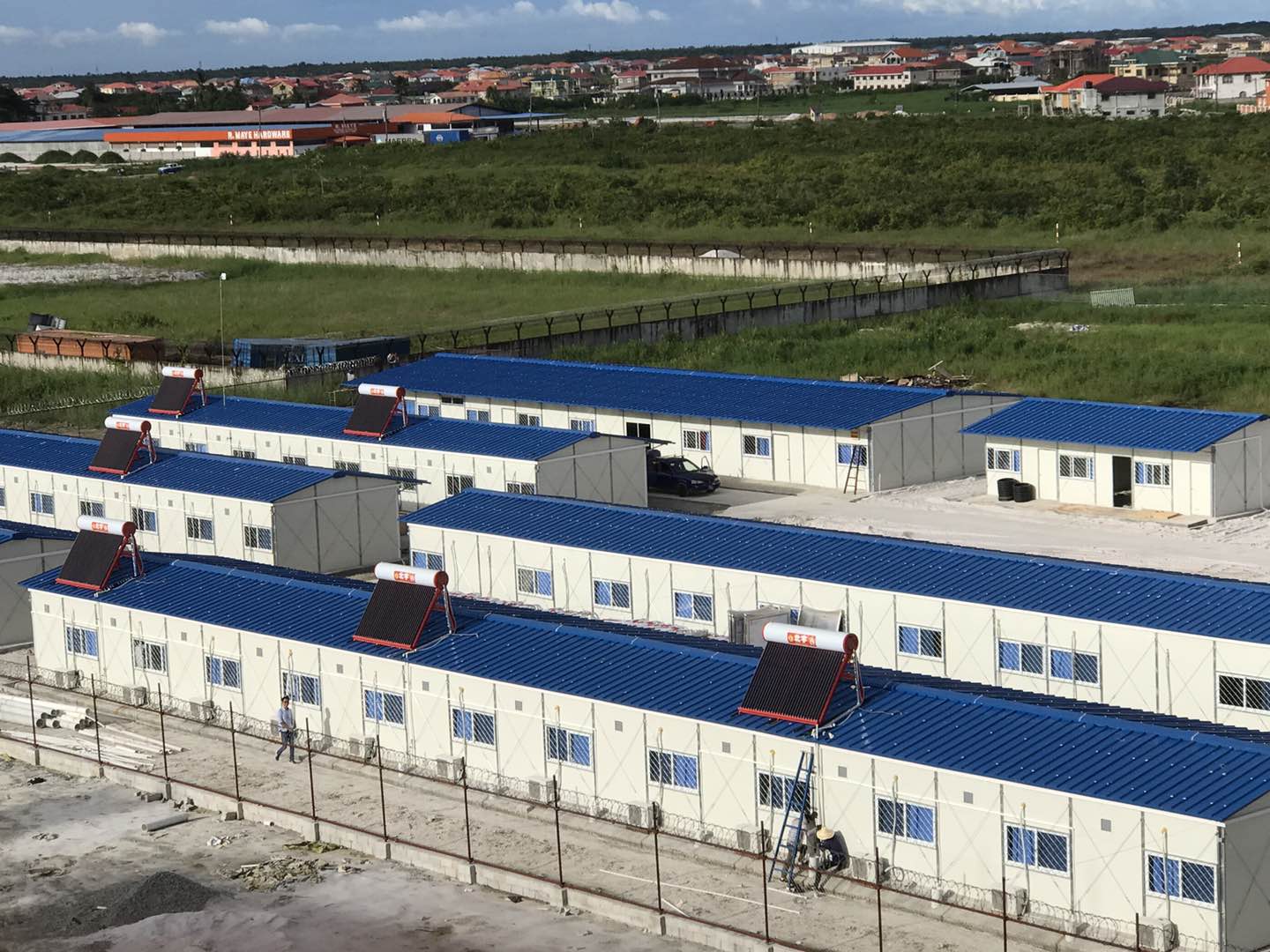
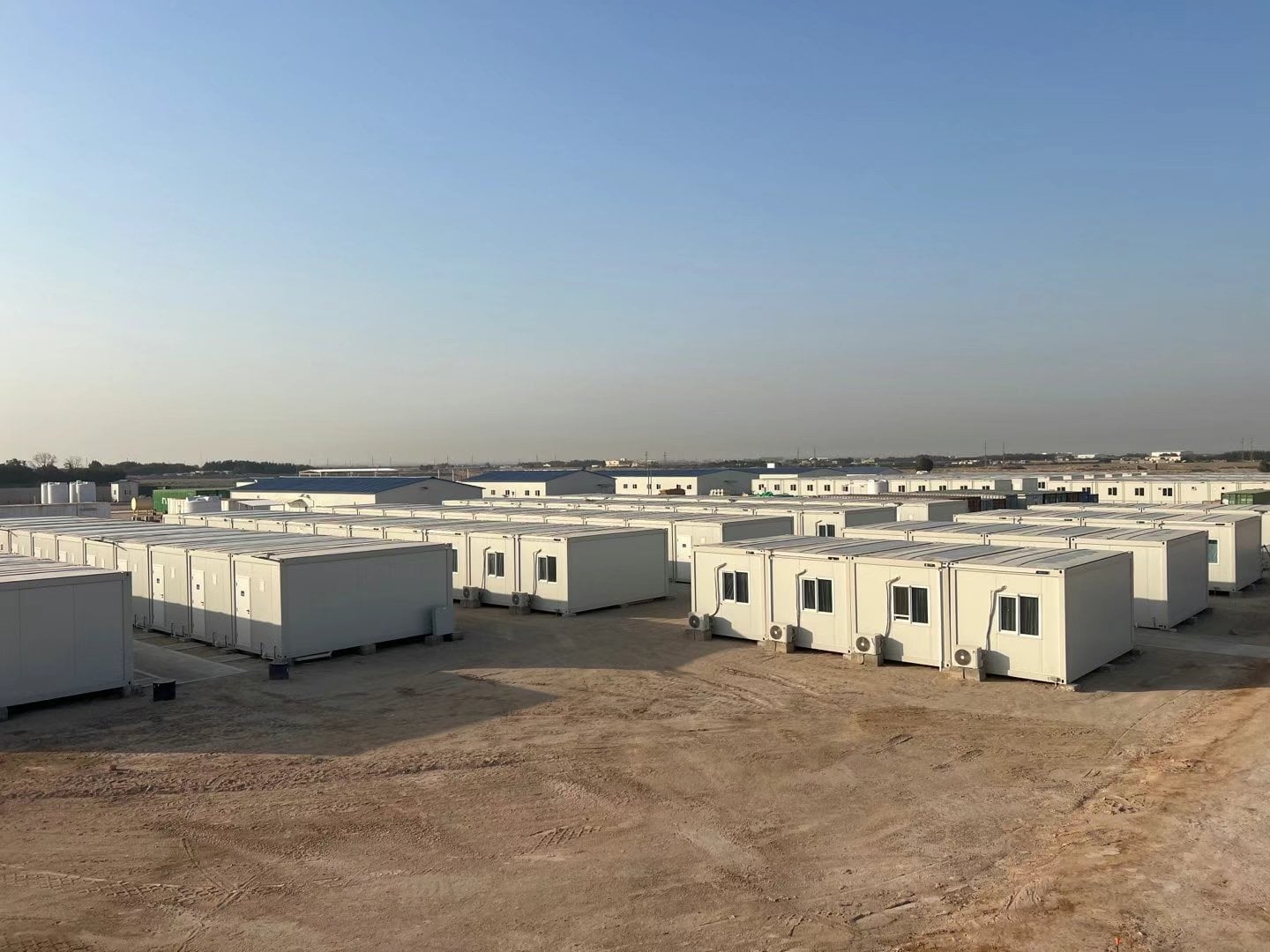
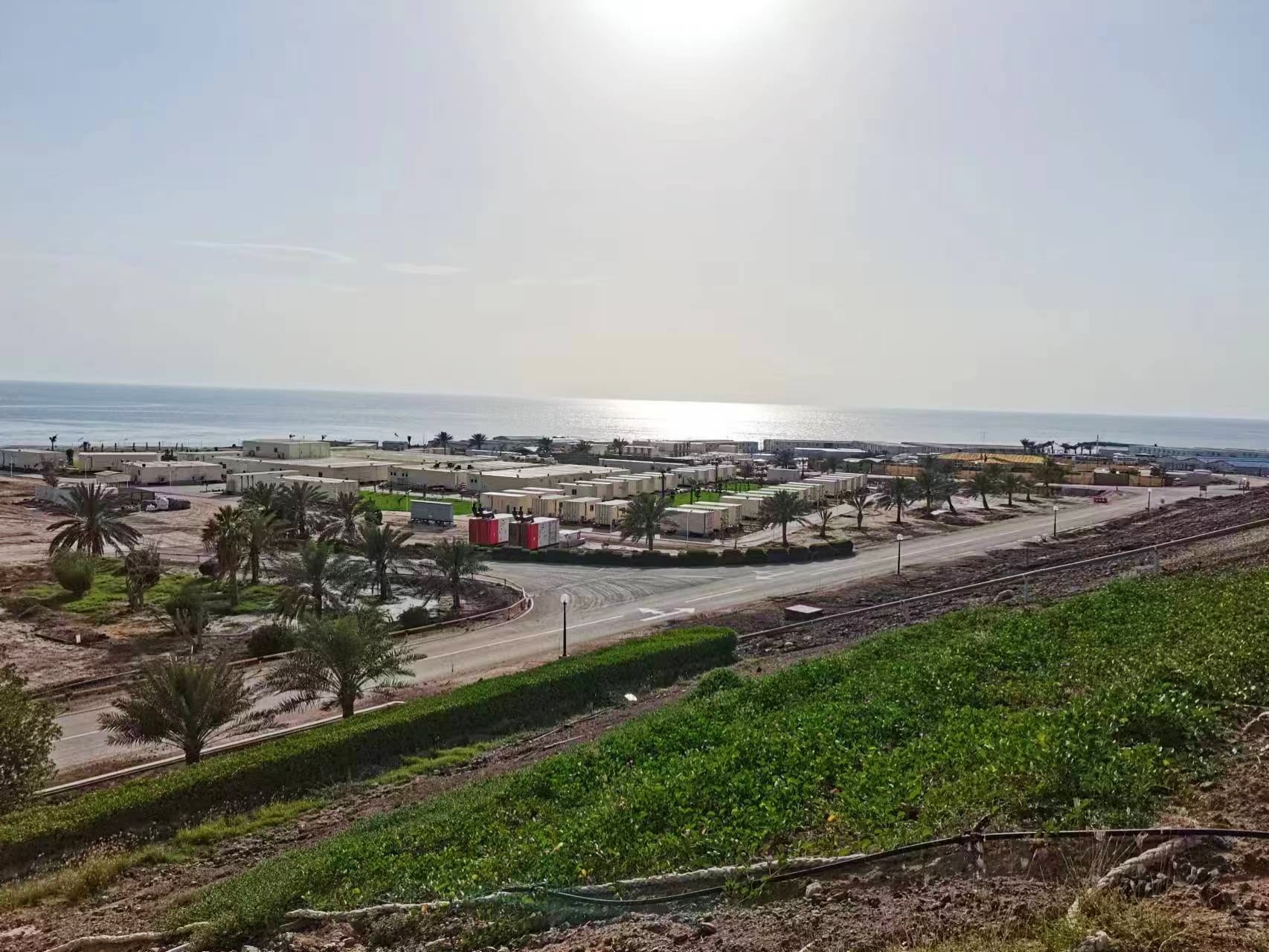
1. The Growing Challenge with Traditional Construction
For mining, energy, and large-scale manufacturing operations, providing on-site or near-site accommodation for workers is often a necessity rather than a choice. These projects are typically located in remote areas with no established rental market, making daily commuting impractical and expensive. Yet when companies turn to conventional reinforced-concrete construction for dormitories, they repeatedly face the same set of problems:
- Excessive timelines: A traditional brick-and-mortar dormitory building, from foundation work to occupancy, routinely takes 6–12 months. Projects rarely have that kind of time to spare.
- Unpredictable budgets: On-site construction is vulnerable to weather disruptions, labor shortages, and supply chain volatility. Cost overruns are the norm, not the exception.
- Labor and material shortages in remote locations: Skilled workers are hard to find and expensive to mobilize. Transporting bulk materials to distant sites inflates logistics costs and complicates site management.
- What happens after the project ends?: Fixed structures cannot be dismantled or relocated. They become stranded assets — a one-time sunk cost.
Shift the lens to prefabricated modular housing, and solutions to every one of these challenges come into focus.
2. Six Core Advantages of Prefabricated Housing
2.1 Speed: 30–50% Shorter Construction Timelines
Speed is the most immediately visible competitive edge of prefabricated construction. Factory production and site preparation happen in parallel — while modules are being manufactured on the assembly line, the site only needs foundation leveling and utility pre-connections. Once modules arrive, craning, assembly, and hookup take days to weeks rather than months.
Industry context: the global modular construction market reached 208.10 billion by 2030, growing at a 6.03% CAGR (Arizton Research, 2024). 81% of modular construction adopters cite "speed to market" as their primary driver.
2.2 Cost: 10–20% Total Savings
The cost advantage of prefabricated housing comes from multiple layers:
| Cost Factor | Traditional Construction | Prefabricated Housing |
|---|---|---|
| Material waste | 25–30 kg/m² | 10–15 kg/m² (up to 90% reduction) |
| Labor requirements | Heavily dependent on on-site trades | 50% fewer on-site subcontractors |
| Schedule delay risk | 85–91% of projects experience delays | Factory production unaffected by weather |
| Rework costs | 5–10% of project cost | Controlled at 1–2% |
Bulk material purchasing, standardized production lines, and reduced financing costs from shortened timelines bring total prefab project costs 10–20% below traditional construction — with some projects achieving up to 30% savings.
2.3 Quality: Factory-Controlled Production Far Exceeds Field Standards
On a traditional construction site, the quality of every task — bricklaying, wiring, waterproofing, insulation — depends on the skill of individual workers and the vagaries of weather. Prefabricated housing flips this model: every module is built in a controlled factory environment. From steel frame welding to wall insulation, from electrical pre-wiring to bathroom fitting, each module passes through 15–20 quality inspection stations before leaving the factory — compared to just 3–5 site inspections for a conventional build.
The result: modular buildings generate 40–60% fewer warranty claims in their first year than traditional construction.
2.4 Flexibility: Expandable, Relocatable, Reusable
Industrial projects have dramatically different workforce accommodation needs at each phase — peak headcount during construction, reduced demand during operations, near-zero during decommissioning. Prefabricated housing matches this dynamic precisely:
- Scale on demand: Add more modules as the workforce grows;
- Complete relocation: When the project ends, modules can be disassembled, transported, and redeployed at the next site;
- Functional conversion: Idle dormitory modules can be repurposed as offices, storage facilities, or training rooms.
For mining and energy companies, this transforms dormitories from single-use sunk costs into reusable corporate assets that move across projects.
2.5 Sustainability: Up to 90% Less Construction Waste
The traditional construction industry generates approximately 600 million tons of debris annually — more than double the total municipal solid waste in the United States (EPA data). Prefabricated housing, by contrast, uses factory-precision cutting, with offcuts centrally collected and recycled. Material utilization rates exceed 85%. Moreover, factory-based production consumes 67% less energy during the construction phase compared to on-site building (NREL research).
Once in operation, modular buildings are 15% more energy-efficient than conventional structures — a direct benefit of more precise insulation application and airtightness achieved under factory conditions.
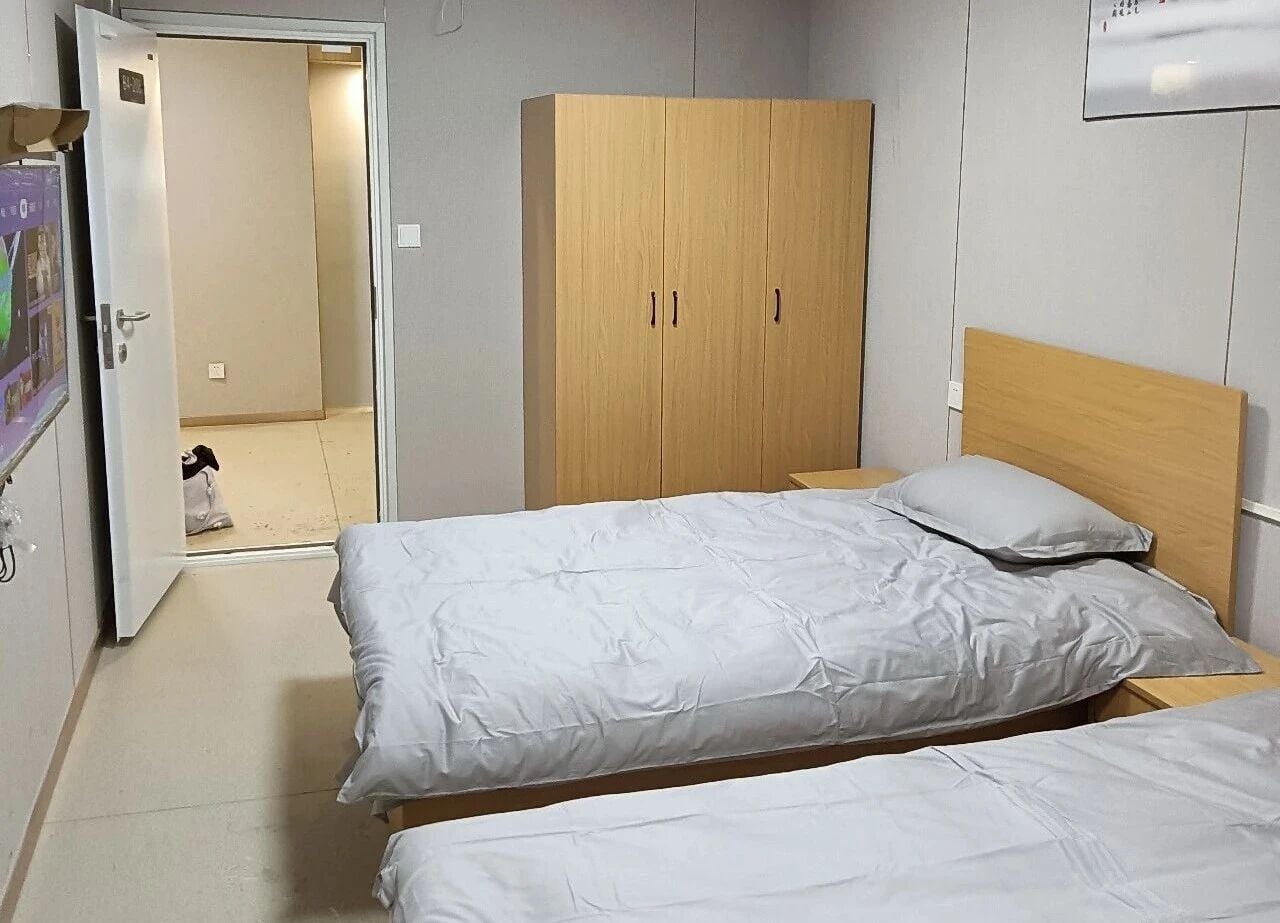
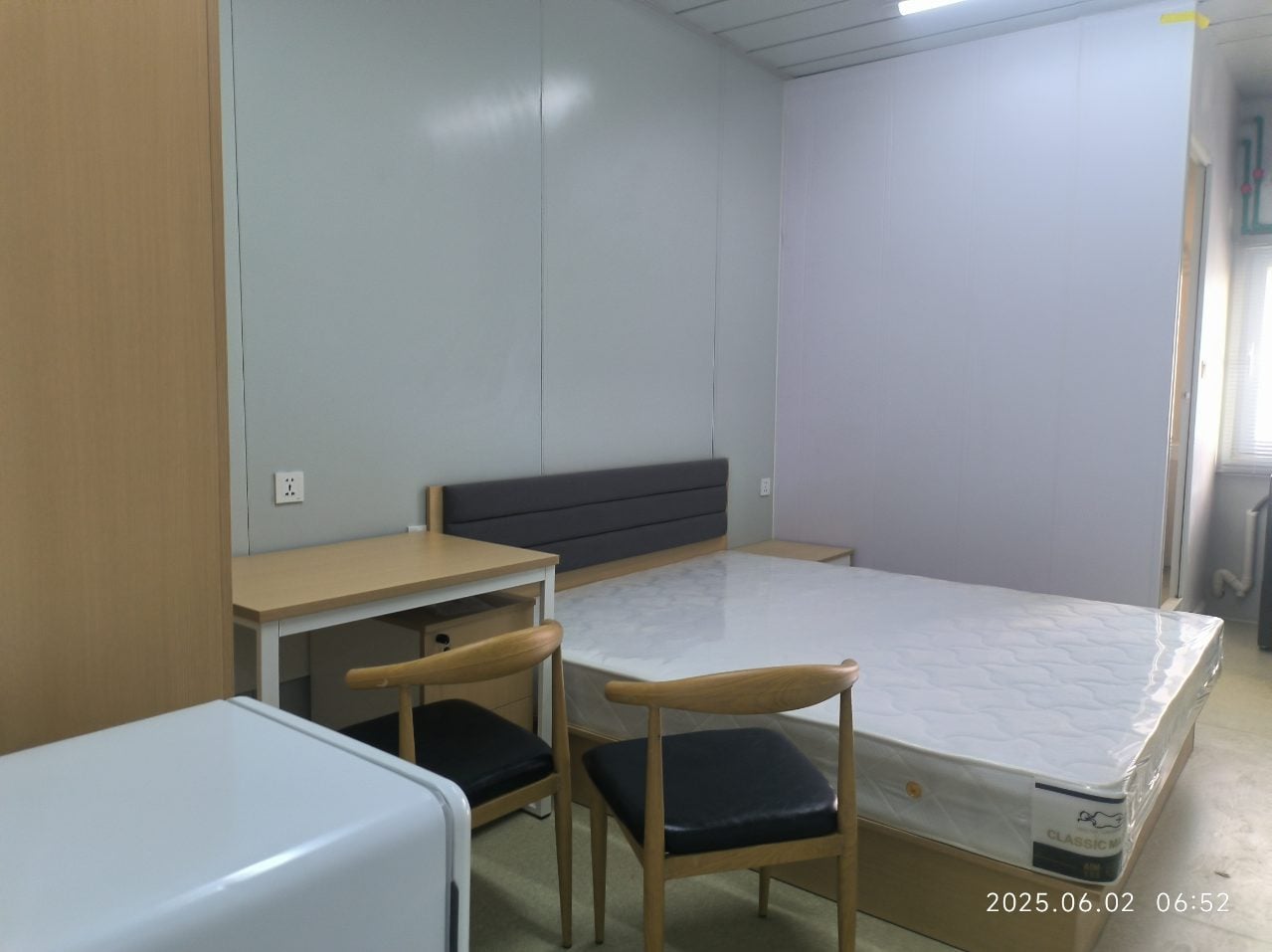
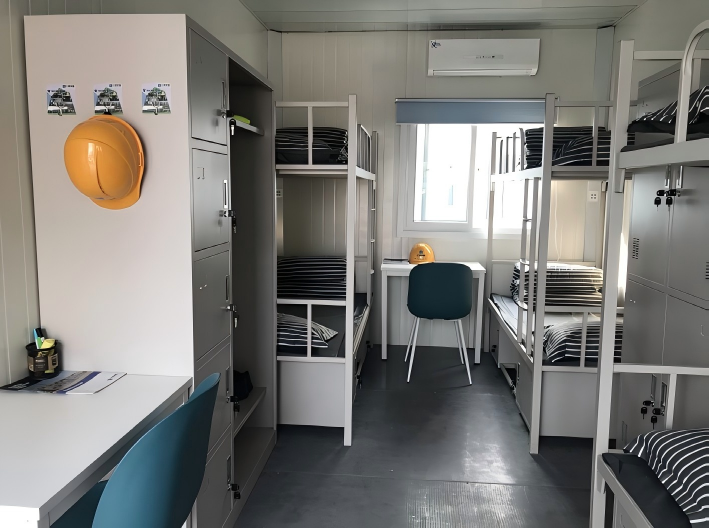
2.6 Comfort: No Longer "Worker Sheds" — Quality Accommodation
Many still associate prefabricated housing with basic temporary sheds. Today's modular dormitories tell a completely different story:
- Private bathrooms, air conditioning, and hot water systems as standard;
- Wall insulation performance customizable by climate zone (extreme cold, high heat, high humidity, high altitude);
- Integrated acoustic treatment, data connectivity, and communal recreation areas;
- Modern exterior finishes that rival permanent hotel-apartment complexes in appearance.
A comfortable living environment has a direct impact on retaining skilled workers and reducing turnover — especially critical in labor-constrained industrial sectors.
3. Purpose-Built for Industrial Environments
Industrial dormitories are not ordinary residential buildings. They must perform under demanding conditions:
Extreme climates: From high-altitude mining sites (low temperature, low oxygen, intense UV) to desert oil fields (extreme heat, sandstorms), from coastal energy bases (salt spray, high humidity) to Arctic-grade construction camps (deep cold, heavy snow) — prefabricated housing can be engineered with the right insulation thickness, anti-corrosion coatings, wind-resistance ratings, and high-altitude-rated HVAC systems for each environment.
Safety and compliance: Steel-frame structures meet multiple international standards for seismic, wind, and fire resistance. Structural calculations and material test reports are fully traceable, satisfying the stringent HSE (Health, Safety, and Environment) audit requirements typical of mining and energy projects.
Full-camp capability: The modular approach goes beyond dormitory units. It can incorporate dining halls, laundry facilities, medical rooms, recreation areas, and office spaces into a single master-planned living camp. An integrated EPC delivery model eliminates the coordination overhead and interface risk of managing multiple suppliers.
4. Who Should Consider Prefabricated Dormitories?
The following types of industrial operations stand to benefit most from prefabricated workforce housing:
- Mining operations: Remote sites, defined project lifecycles, and camps that need to follow advancing extraction zones;
- Oil and gas projects: Concentrated workforces during exploration and construction phases, with camps that must be demobilized after completion;
- Renewable energy installations: Short construction cycles for solar and wind farms, with highly mobile construction crews;
- Large factories and industrial parks: Located in development zones or outskirts with insufficient local rental housing;
- Municipal infrastructure: Roads, bridges, and water projects requiring temporary camps along linear construction corridors.
5. Conclusion
When construction timelines directly affect the bottom line and accommodation quality shapes your ability to attract and retain talent, prefabricated housing offers industrial enterprises an efficient, predictable, and sustainable path to workforce accommodation. It is not merely a "faster" alternative — it is an optimized choice across the full lifecycle: from upfront investment and construction management through to end-of-project asset disposition.
If your next industrial project faces a dormitory construction challenge, put prefabricated housing on your evaluation shortlist. It may fit better than you expect.