EN
EN

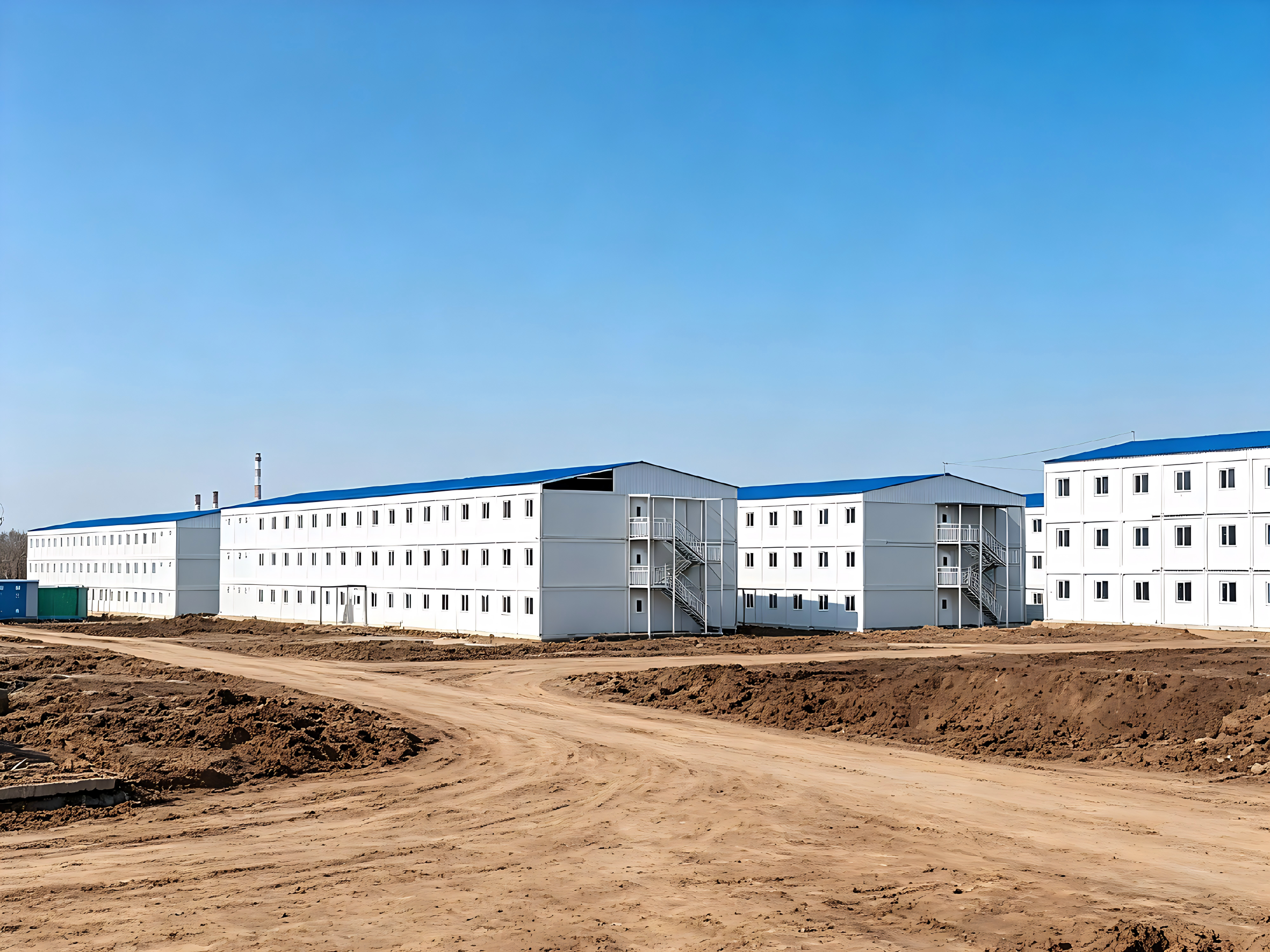
The most costly commodity in any major construction, mining or energy project is time. No workforce - no work.Without staff, there is no work. Settling in camp accommodation takes time, and if it takes longer to do so, project milestones can be delayed for longer, equipment remains idle, and overhead costs keep running. Megaprojects can involve thousands of people and a few weeks of delay can cost millions of dollars in lost revenue. Running a fast-track camp without compromising on quality is not only desirable but necessary too. Here's how some of the leading EPC contractors and project owners do it.
Solve Site Remote Access and Transport Bottlenecks
Project sites are remote because they don't have developed infrastructure. Logistics challenges are caused due to poor roads, inadequate port infrastructure and distance from manufacturing hub. Construction materials need to be delivered in smaller quantities, and may need to be hauled several times. Prefabricated modular means that this equation is altered by making efficient configurations for building components to be shipped.
One of the best solutions is flat-pack containerization. Flat-pack units are different from volumetric modules, which are shipped "full of air," and can pack multiple building modules into one standard 40-foot shipping container. By combining four to six flat-pack units into a single container, freight costs are cut up to 75% and the number of transport cycles is kept as low as possible. This is particularly important on restricted access sites or fragile transport infrastructure.
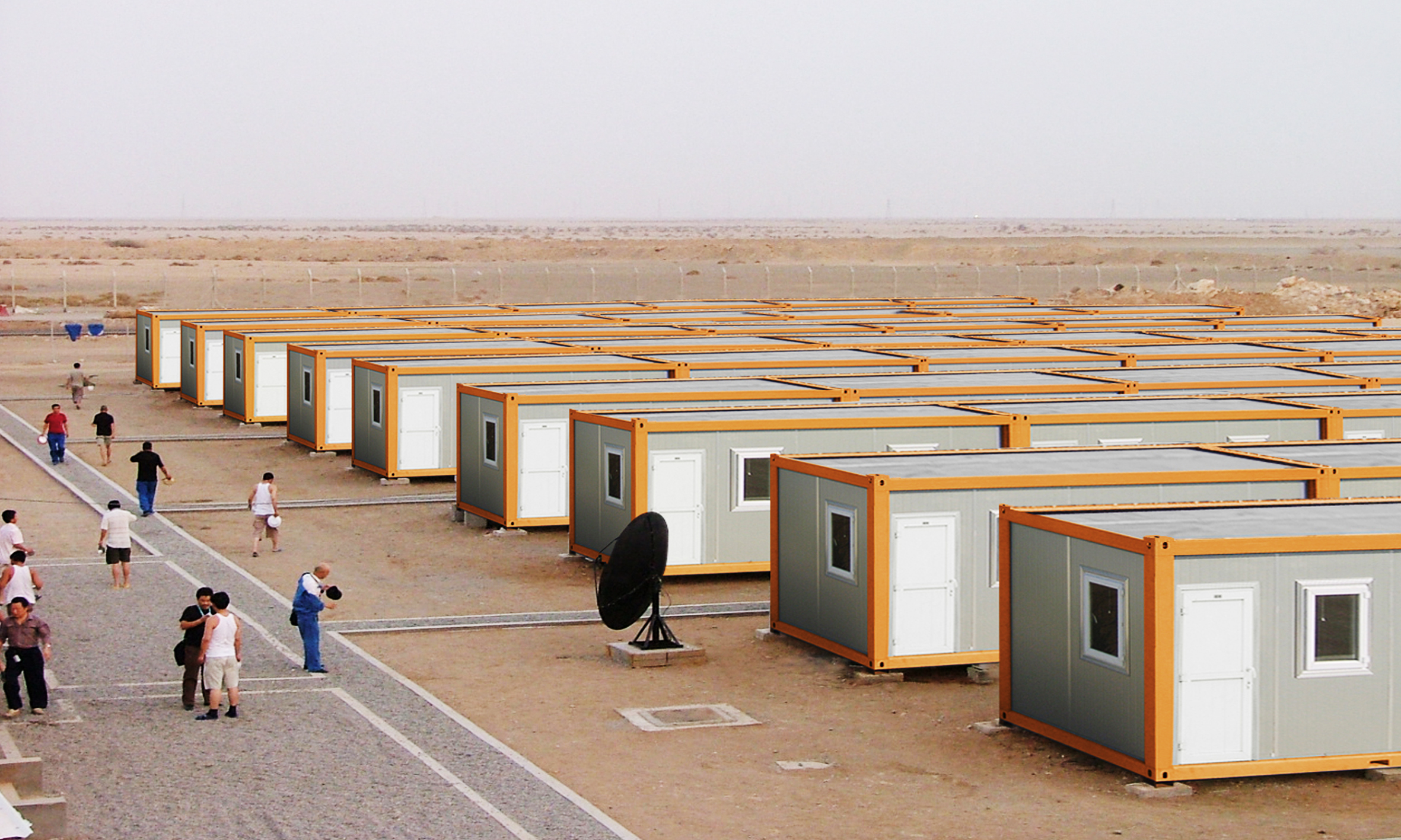
Sophisticated fabricators even assemble ready-to-use building units, such as walls, roof structures, doors, windows and fasteners. This means that site teams won't have to order missing parts from their local area, a problem commonly found in remote sites. Upon arrival of the container, all the components and materials for assembly are provided.
Parallel Factory Manufacturing and Site Prep Scheduling
The traditional way that construction is done is sequential: site preparation, then construction. Modular construction turns this on its head. Buildings are produced in a controlled factory environment while site teams prepare the grounds, cut the foundations and lay the utilities.
The savings on time are significant. Construction and building go hand in hand, rather than waiting for the site to be built up to a specific stage before construction begins. Weather, material availability, site restrictions do not affect production at the factory. A proven manufacturer has the ability to provide fully tested modules that do not require raw materials to be processed but are ready to install.
This parallel way of working can enable delivery for large scale projects with phased deployments of workforce. Later production of the housing units will continue while the first production and shipping of the units are already complete, thereby ensuring continuous supply as production expands.
Standardized Assembly Manuals & Supervisor Field Guidance
Clear instruction and expert supervision are essential to speed on site. There are worse ways to generate confusion and rework than generic assembly manuals that rely on the assumption of ideal conditions. Good providers have local assembly guides created for each project, taking into consideration local resources, equipment, and workforce skills.
Field supervisors are key to keeping momentum going. Experienced supervisors are able to recognize potential problems before they actually occur, adjust assembly sequences for site restrictions, and troubleshoot questions that may arise when a manual is not available to specify a particular situation.
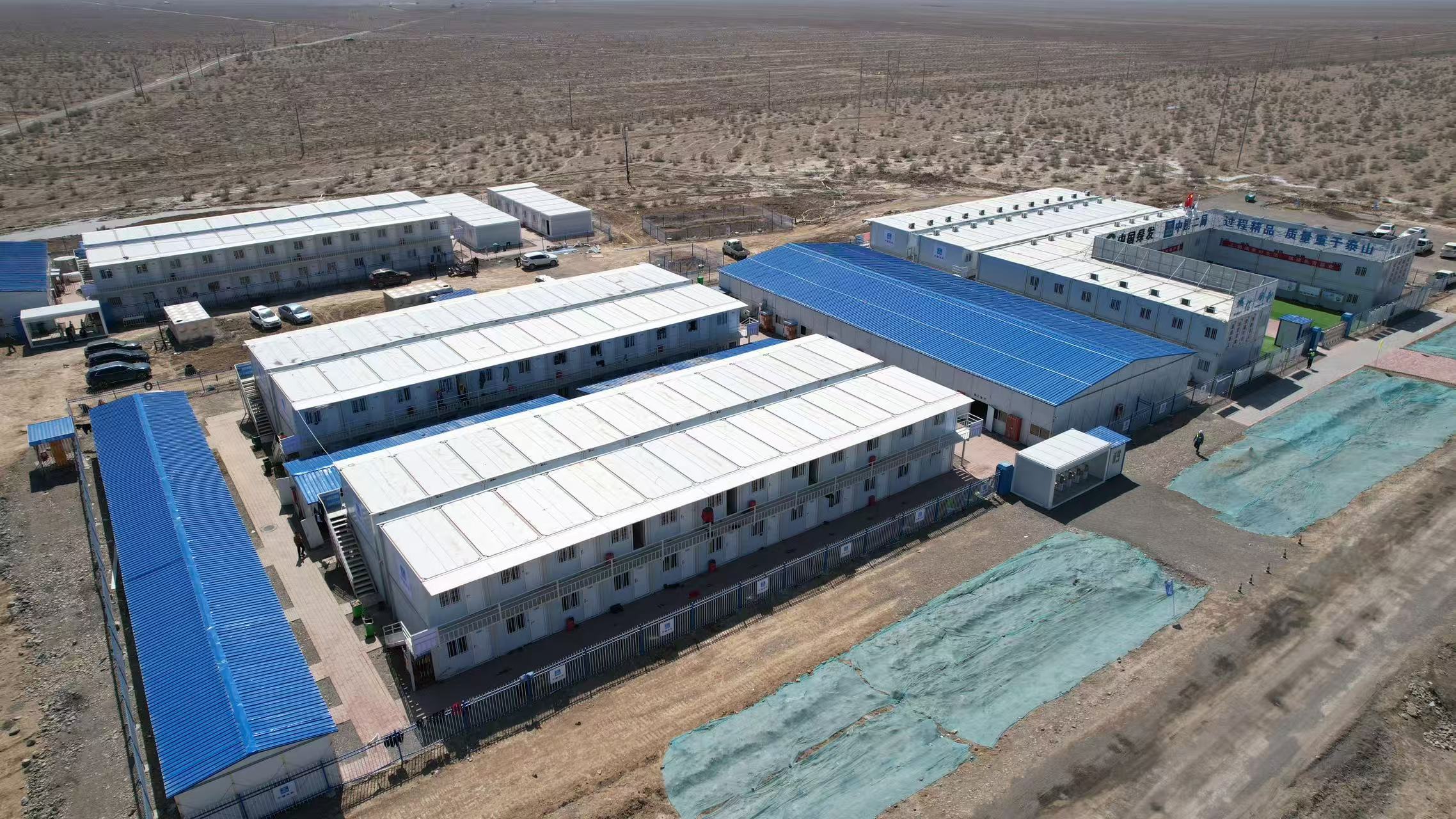
One mistake made is not having an idea of the training that is needed for local crews. Although the manuals used for a well-designed system may be very good, workers who have never worked with a modular system require a hands-on approach. Experienced installation supervisors are wrapped up as part of project packages with leading suppliers, and are available to support the installation process onsite for the first week of assembly. This investment will prove cost-effective because of the rework costs that are avoided and the time saved.
In addition, standardized components provides consistency. If the units are made with the same specifications, then the installation process is repeatable and the learning curve for every new building will be shorter.
CDPH has experience with projects that have taken place in more than 100 countries and has more than 4,000 completed installations. Our modular housing solutions have been designed for speed of deployment – flat pack containerization, parallel manufacture and expert field supervision mean your camp can be up and running when you need it. Contact CDPH (Hainan) about your project schedule.