EN
EN
Why These Four Metal Building Sizes Are So Common
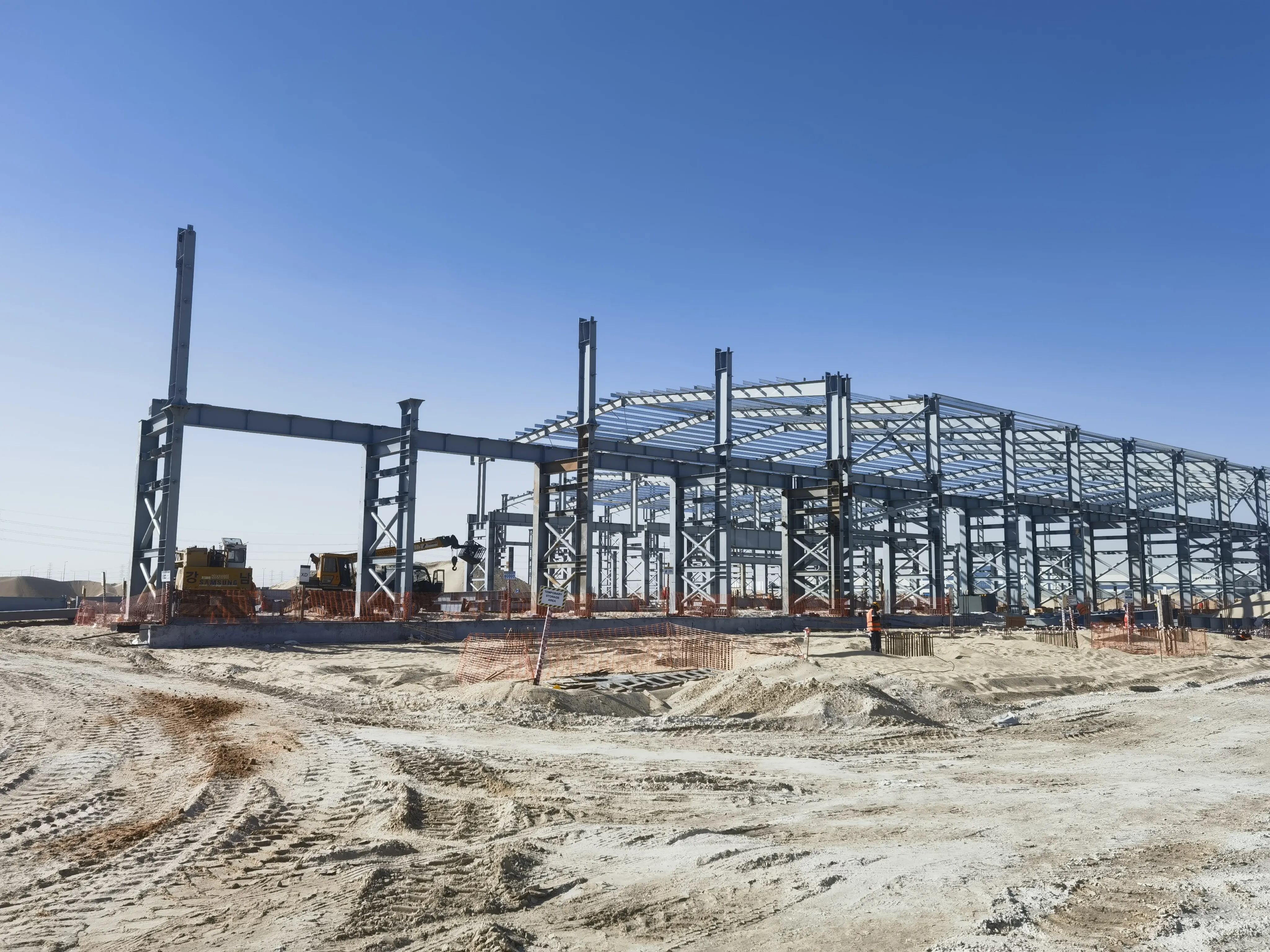
When buyers compare metal building options, a few sizes appear again and again because they tend to balance usability, construction efficiency, and value. Among the most common are 30x30, 30x50, 50x100, and 60x100 metal buildings.
These sizes are popular for a reason. They often work well with pre-engineered framing systems, are easy to plan around, and can suit a wide range of residential, agricultural, and commercial uses. For many projects, they offer a practical starting point without making the design overly complex.
Why Standard Sizes Are So Widely Used
Pre-engineered metal building systems are usually designed around efficient framing and repeatable component layouts. That makes certain building dimensions easier to produce, ship, and assemble.
Standardized sizes can also help reduce waste and simplify planning. When a building footprint aligns well with common panel widths and structural spacing, the project is often easier to coordinate from both a fabrication and installation standpoint.
This is one reason why common dimensions remain so widely used across the industry. They tend to fit well within typical manufacturing processes and offer a good balance between customization and efficiency.
How Cost Changes as Building Size Increases
In many cases, larger metal buildings offer better value per square foot than smaller ones. Fixed project costs such as engineering, delivery planning, and setup are spread across a larger footprint, which can help improve overall efficiency.
Larger buildings may also benefit from more efficient material use and production planning. That does not mean every large building is automatically cheaper, but it does mean standardized larger footprints often provide strong long-term value.
In general:
- Smaller sizes can be ideal for simpler, more budget-conscious projects
- Mid-size buildings often offer a strong balance of cost and flexibility
- Larger footprints can be more efficient for commercial or industrial use
Matching Size to the Right Use Case
30x30 and 30x50 Metal Buildings
Smaller and mid-size metal buildings are often a good fit for workshops, garages, hobby spaces, and barndominium-style projects.
A 30x30 building can work well for compact storage, a single-vehicle garage, or a small workshop. A 30x50 layout provides more room for zoning, making it easier to combine storage, workspace, or light residential use in one structure.
These sizes are often chosen when buyers want flexibility without taking on the scale of a much larger commercial building.
50x100 and 60x100 Metal Buildings
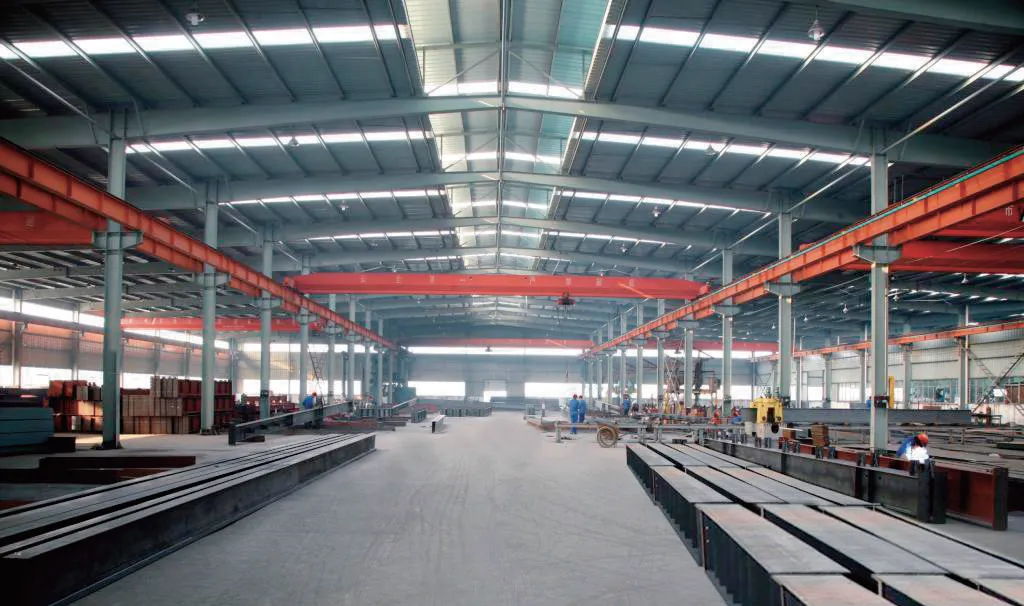
Larger metal buildings are often better suited for warehouses, agricultural storage, equipment housing, and light industrial applications.
A 50x100 building can support broad open-space use, making it useful for storing machinery, inventory, or farm equipment. A 60x100 building offers even more room for workflow planning, loading access, and large-scale storage.
These larger footprints are often selected when operational efficiency and interior flexibility matter more than keeping the structure compact.
Important Sizing Trade-Offs
When choosing between common metal building sizes, it helps to think beyond floor area alone.
Width vs. Length
Width often has a bigger effect on structural design than length does. Wider buildings may require more engineering attention, while extending length is often a simpler way to add usable space.
Eave Height
Eave height also matters. Taller walls can improve storage, support larger equipment, and make the interior feel more functional. The right height depends on how the building will be used.
Customization
Features like doors, windows, insulation, and mezzanines can make the building more useful, but they also add complexity to the design. Planning those features early is usually more efficient than adding them later.
The best choice is usually the one that fits your current needs while leaving some room for future use.
How to Decide Which Size Is Right
A good way to choose is to start with your use case:
- Choose 30x30 or 30x50 if you want a workshop, garage, or flexible multi-use building
- Choose 50x100 or 60x100 if you need a warehouse, agricultural building, or light industrial space
Also consider:
- Available land
- Local zoning requirements
- Budget
- Future expansion plans
- Interior layout needs
The most common sizes remain popular because they help buyers avoid overbuilding while still offering practical, efficient space.
FAQ
Why are 30x30, 30x50, 50x100, and 60x100 metal buildings so common?
They are widely used because they tend to work well with pre-engineered systems, practical layouts, and a range of common applications.
Do larger metal buildings usually offer better value?
Often, yes. Larger buildings may provide better efficiency per square foot because fixed costs are spread across more space.
What are the best uses for 30x30 and 30x50 metal buildings?
They are often used for garages, workshops, hobby spaces, and barndominium-style projects.
What are the best uses for 50x100 and 60x100 metal buildings?
They are commonly chosen for warehouses, agricultural storage, equipment housing, and light industrial facilities.
What should I consider besides size?
You should also think about height, width, interior layout, customization, zoning, and future growth.
Table of Contents
- Why Standard Sizes Are So Widely Used
- How Cost Changes as Building Size Increases
- Matching Size to the Right Use Case
- Important Sizing Trade-Offs
- How to Decide Which Size Is Right
- Why are 30x30, 30x50, 50x100, and 60x100 metal buildings so common?
- Do larger metal buildings usually offer better value?
- What are the best uses for 30x30 and 30x50 metal buildings?
- What are the best uses for 50x100 and 60x100 metal buildings?
- What should I consider besides size?