EN
EN

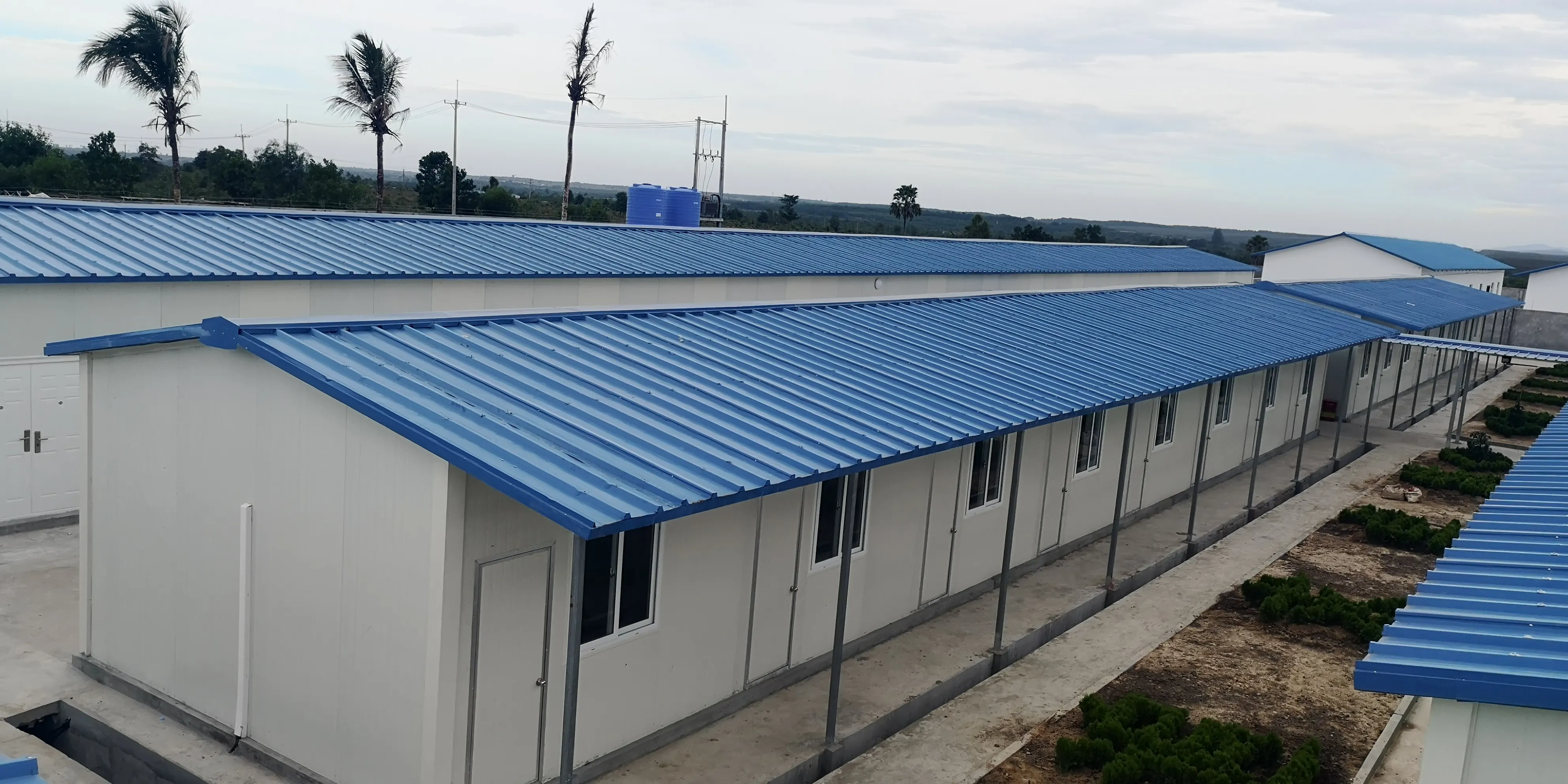
What End-to-End Camp Construction Services Deliver
End-to-end camp construction services provide a complete approach to planning, building, and delivering remote accommodation and operational facilities. Instead of managing multiple contractors separately, clients work with one coordinated team responsible for the project from early planning through final handover.
This approach can help improve communication, reduce coordination issues, and keep design, procurement, and construction moving in the same direction.
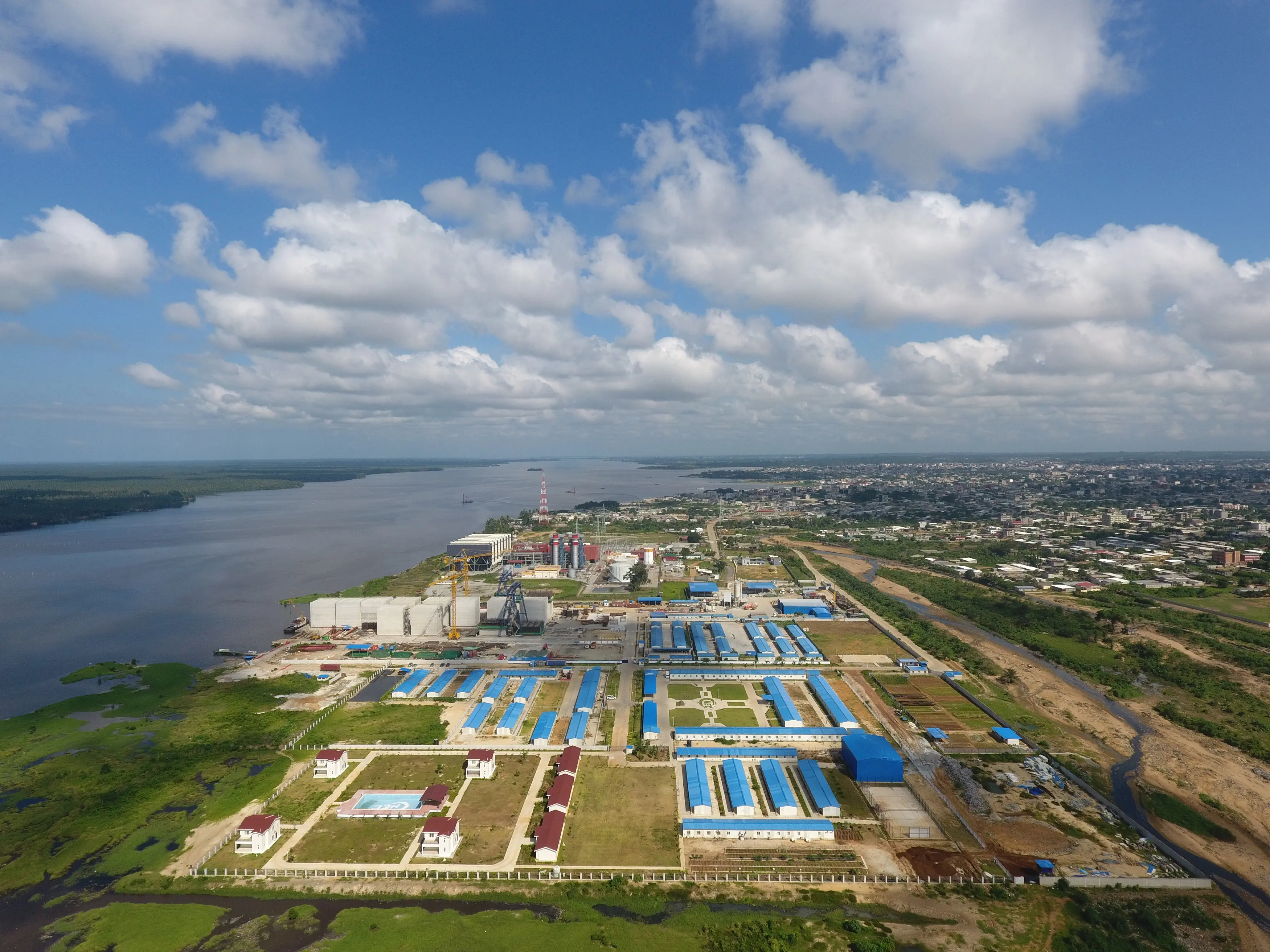
Single-Source Accountability from Start to Finish
One of the biggest advantages of end-to-end camp construction is having a single partner oversee the full process. This usually begins with site assessment and planning, followed by design, engineering, fabrication, construction, and commissioning.
When one team manages the entire process, it becomes easier to keep the project aligned with operational requirements. It can also reduce confusion between different parties and make problem-solving more efficient.
For remote or complex projects, this level of coordination can be especially valuable.
How Integrated Services Help Reduce Handoff Risks
In traditional projects, handoffs between designers, engineers, suppliers, and builders can create delays or misunderstandings. Integrated camp construction services help reduce that risk by keeping communication centralized.
A coordinated delivery model may include:
- Shared design models
- Centralized procurement
- Regular quality checks during each phase
These steps help keep the project organized and can reduce the chance of costly rework later in the process.
Infrastructure Planning Is Critical
Camp construction is not just about buildings. It also depends on reliable infrastructure.
Remote camp projects often require:
- Power systems
- Water supply and treatment
- Waste management
- Access roads or site access planning
These systems must be considered early because they directly affect how well the camp will function once occupied. In isolated locations, infrastructure planning is often just as important as the accommodation units themselves.
Building for Extreme Environments
Camp construction services are often used in environments that are far more demanding than standard urban projects. Arctic regions, deserts, high altitudes, and other remote sites all require specific design choices.
For example:
- Cold climates may need stronger insulation and protection from frost
- Hot, dry environments may benefit from heat reduction strategies and dust control
- High-altitude projects may require lightweight components and wind-resistant design
The right materials and layout can improve comfort, safety, and long-term performance in these conditions.
A Structured Delivery Process Helps Keep Projects on Track
A phased approach is often the most effective way to deliver camp construction projects. While every project is different, the process usually includes:
- Initiation – defining the scope, site conditions, and project goals
- Design – developing layouts, systems, and technical solutions
- Construction – fabricating and assembling the camp components
- Commissioning – testing systems and preparing for occupancy
- Transition – handing over documentation and supporting operations
This structure helps keep expectations clear and makes it easier to manage risk throughout the project.
Why This Approach Works Well
End-to-end camp construction services are often chosen because they offer a more organized and efficient way to deliver remote facilities. By combining planning, construction, and commissioning under one coordinated process, clients can simplify communication and improve overall project control.
For projects in remote or challenging environments, this can make a significant difference in both performance and day-to-day usability.
FAQ
What are end-to-end camp construction services?
They are services that cover the full project lifecycle, from planning and design to construction, commissioning, and handover.
Why is single-source accountability important?
It helps keep the project coordinated and reduces confusion between different contractors or project teams.
What challenges do remote camp projects face?
They often involve difficult site conditions, limited access, and the need for reliable infrastructure in extreme environments.
What is the benefit of a phased delivery process?
A phased process helps organize the project, reduce risk, and improve communication at each stage.
Why is infrastructure so important in camp construction?
Because power, water, waste systems, and access all affect whether the camp can function properly once in use.
Table of Contents
- Single-Source Accountability from Start to Finish
- How Integrated Services Help Reduce Handoff Risks
- Infrastructure Planning Is Critical
- Building for Extreme Environments
- A Structured Delivery Process Helps Keep Projects on Track
- Why This Approach Works Well
- What are end-to-end camp construction services?
- Why is single-source accountability important?
- What challenges do remote camp projects face?
- What is the benefit of a phased delivery process?
- Why is infrastructure so important in camp construction?